

90 Day Mediterranean Anti Inflammatory Plan That Actually Works
Yes, an anti-inflammatory diet works: a Mediterranean-style, plant-forward eating pattern can measurably lower markers of chronic inflammation. That means favoring fatty fish, olive oil, colorful produce, nuts, and fiber-rich whole foods, while limiting ultra-processed snacks, refined carbs, and processed meats. It’s a pattern you sustain, not a single miracle food you add to your cart.
TL;DR:
- Consuming fatty fish like salmon twice a week provides omega-3s that directly counteract inflammation-promoting omega-6 fats in processed vegetable oils.
- Incorporating a variety of plant-based foods, such as berries, leafy greens, whole grains, and legumes, consistently reduces inflammatory markers over several months.
- Limiting ultra-processed snacks, refined carbs, red meats, and fried foods minimizes diet-driven gut bacteria disruptions and inhibits inflammatory gene activation.
- Achieving half the plate in fruits and vegetables at most meals and gradually increasing dietary fiber intake can significantly lower systemic inflammation.
- Supplements like Revivify support health by targeting oxidative stress and gut bacteria, but they should complement, not replace, a nutrient-dense, whole-food diet.
Table of Contents
- What Is Inflammation, and Why Does Diet Affect It?
- Which Anti-Inflammatory Foods Should You Eat Most?
- Which Foods Make Inflammation Worse?
- What Does a Sample Anti-Inflammatory Meal Plan Look Like?
- Why Does Gut Health Matter for Inflammation?
- What Does the Research Actually Show, and How Long Does It Take?
- How Do You Make the Switch Stick Long Term?
- Where Does a Supplement Like Revivify Fit In?
- What’s Overrated, and What Actually Deserves Your Attention
- Considering Extra Support for Your Anti-Inflammatory Routine?
- Sources
What Is Inflammation, and Why Does Diet Affect It?
Inflammation itself isn’t the enemy. Acute inflammation is your immune system doing exactly what it should: swelling around a sprained ankle, redness around a cut, the fever that burns off a virus. It shows up, does its job, and resolves within days.
Chronic inflammation is different. It’s low-grade, systemic, and often silent for years. Instead of resolving, it simmers, and that persistent simmer is a driving factor behind heart disease, type 2 diabetes, prediabetes, and metabolic syndrome. It also worsens autoimmune conditions and shows up in the joint pain of rheumatoid arthritis.
Diet influences this process through a few measurable pathways, and none of them require a biochemistry degree to understand:
- Oxidative stress: excess free radicals damage cells faster than your body’s natural antioxidant defenses, including enzymes like superoxide dismutase, can neutralize them.
- Inflammatory markers: blood tests for C-reactive protein (CRP) and interleukin-6 (IL-6) rise with diets heavy in refined sugar and processed fat, and fall with diets rich in produce and healthy fats.
- Microbiome metabolites: bacteria in your gut ferment fiber into short-chain fatty acids, compounds that appear to calm inflammatory signaling throughout the body.
This is why chasing “superfoods” one at a time misses the point. A single serving of blueberries won’t offset a diet built on white bread, soda, and fried food. What moves the needle on CRP and IL-6 is the overall pattern repeated meal after meal, which is exactly what large reviews of the Mediterranean and DASH diets keep finding. Synergy among dozens of plant compounds, not any one ingredient, is doing the heavy lifting.
Which Anti-Inflammatory Foods Should You Eat Most?
Building an anti-inflammatory foods list starts with fat and fiber, in that order. The foods below aren’t randomly assembled; each earns its spot because of a specific compound or mechanism research keeps circling back to.
Fatty fish leads the list for a reason. Salmon, mackerel, and sardines are rich in omega-3 fatty acids, which compete directly with the omega-6 fats in vegetable oils that tend to promote inflammatory signaling. Harvard Health recommends roughly two 4-ounce servings a week, which works out to about dinner twice weekly, not a daily requirement.
Beyond fish, the core anti-inflammatory eating plan draws from several food groups:
- Berries and colorful fruit (blueberries, cherries, pomegranate) deliver polyphenols, plant compounds that act as antioxidants at the cellular level.
- Dark leafy greens (spinach, kale, Swiss chard) supply vitamin K, magnesium, and additional polyphenols in a low-calorie package.
- Whole grains (oats, barley, farro) provide fiber and a slower glucose response than their refined counterparts.
- Legumes (lentils, chickpeas, black beans) combine plant protein with fiber, a combination that’s hard to beat for satiety and gut health.
- Nuts and seeds (walnuts, almonds, flaxseed) add unsaturated fats plus a modest omega-3 contribution, especially from walnuts and flax.
- Extra-virgin olive oil contains oleocanthal, a compound with anti-inflammatory activity similar in mechanism to ibuprofen, though far milder.
- Fermented foods (yogurt, kefir, sauerkraut) introduce live cultures that support the gut bacteria responsible for producing those calming short-chain fatty acids.
Portion guidance doesn’t need to be complicated. The simplest rule, and the one dietitians repeat because it actually sticks, is to make half your plate fruits and vegetables at most meals.
Reality check: most people aren’t close to that target. Federal dietary guidance calls for half the plate to be fruits and vegetables, yet a large share of American adults fall short of recommended daily amounts. If your plate currently runs one small side salad and a mountain of starch, that gap is likely where your inflammatory load is coming from.
Fiber deserves its own target: aim for a sufficient daily amount spread across meals rather than crammed into one bran muffin at breakfast. A cup of lentil soup, a pear with the skin on, and a serving of oats can get you most of the way there before dinner even starts.
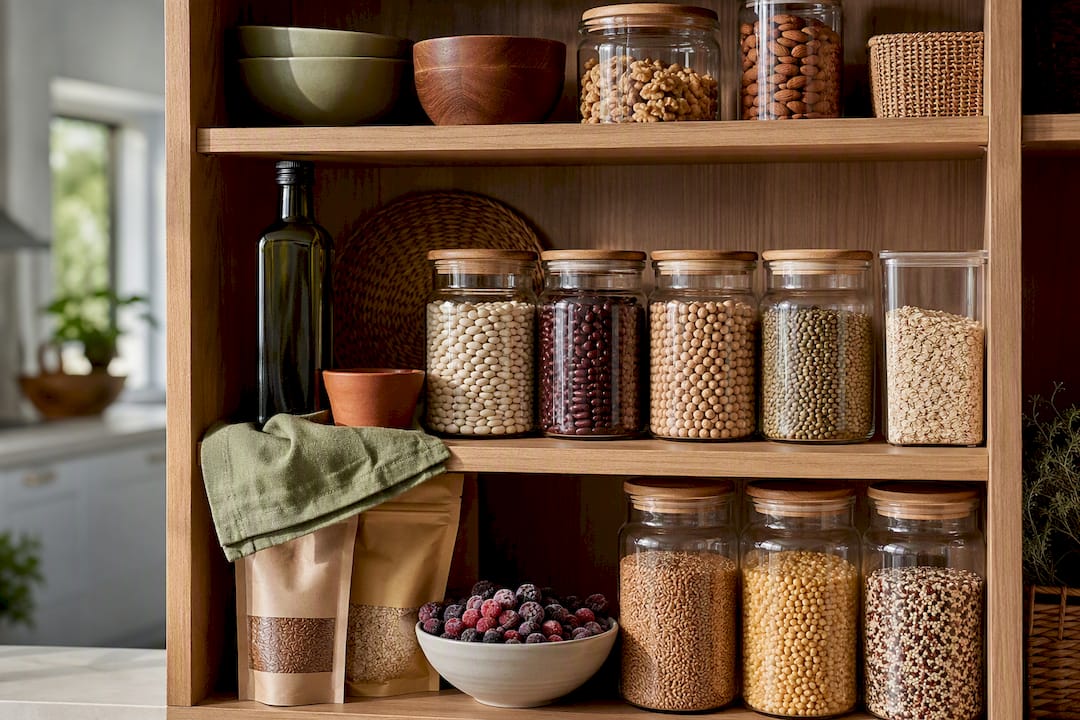
None of this requires exotic ingredients or a specialty grocery run. A well-stocked pantry of olive oil, canned beans, frozen berries, and a rotating fish order covers most of the list, and antioxidant-rich foods that reduce oxidative stress tend to be the same ones already recommended for heart and metabolic health.
Which Foods Make Inflammation Worse?
If the favor list is about whole foods, the limit list is almost entirely about processing. Ultra-processed foods are the biggest offender, and the mechanism is specific: a 2025 Nutrients report links these products to changes in gut bacteria, damage to the gut lining, and direct activation of inflammatory genes. This isn’t a vague “processed food is bad” claim. It’s a documented biological pathway.
The foods that consistently show up as inflammatory in research include:
- Sugary beverages (soda, sweetened coffee drinks, most fruit “juices”) spike blood sugar without any fiber to slow absorption.
- Refined grains (white bread, white pasta, most crackers) behave metabolically like sugar once digested.
- Red and processed meats (bacon, deli meat, sausage) are linked to elevated inflammatory markers, particularly when eaten daily rather than occasionally.
- Deep-fried foods absorb oils that have often been heated past their stable point, generating compounds tied to oxidative stress.
- Some artificial sweeteners and emulsifiers may disrupt gut bacteria composition in ways still being studied, so moderation is the reasonable stance until the evidence firms up.
Reading labels is where this gets practical. Processed foods often hide sugars, inflammatory oils, and emulsifiers behind ingredient names most shoppers skip past. Two rules cut through most of the confusion: shorter ingredient lists tend to mean less processing, and any ingredient panel with added sugar in the first three items or the words “partially hydrogenated” anywhere deserves a pass.
Pro Tip: Flip the package over before you flip it into your cart. If you can’t pronounce four or more ingredients, or the sugar shows up under three different names (dextrose, cane syrup, maltose), put it back.
The swaps here are simpler than most people expect:
- Trade white bread and pasta for whole-grain versions with at least 3 grams of fiber per serving.
- Trade packaged desserts for fruit with a square of dark chocolate.
- Trade margarine and vegetable oil blends for extra-virgin olive oil.
- Trade a daily deli sandwich for grilled chicken, canned salmon, or a bean-based filling a few times a week.
None of these swaps demand willpower so much as habit. Once whole-grain bread is what’s in the pantry, the choice makes itself.
What Does a Sample Anti-Inflammatory Meal Plan Look Like?
Theory is only useful once it survives contact with a Tuesday morning and a half-stocked fridge. Here’s what one full day looks like in practice.
Breakfast: Steel-cut oats topped with walnuts, cinnamon, and a half cup of blueberries. A cup of plain Greek yogurt on the side covers protein and a probiotic boost.
Mid-morning snack: An apple with two tablespoons of almond butter.
Lunch: A large salad base of spinach and arugula, topped with canned wild salmon, chickpeas, cherry tomatoes, cucumber, and an olive oil and lemon dressing. Half the bowl should be vegetables before anything else goes on top.
Afternoon snack: Carrot sticks and hummus, or a small handful of mixed nuts.
Dinner: Roasted salmon or mackerel, a cup of quinoa, and roasted broccoli or Brussels sprouts finished with olive oil and garlic.
That single day covers fatty fish, fermented dairy, legumes, whole grains, and several servings of produce without requiring a single unusual ingredient.
For those who want structure without a rigid script, a three-day rotation keeps things simple:
- Day one: Mediterranean bowl lunch (chickpeas, feta, olives, cucumber) and a stir-fry dinner using tofu or shrimp with mixed vegetables over brown rice.
- Day two: Lentil soup for lunch and grilled chicken with roasted sweet potato and greens for dinner.
- Day three: Sardine or salmon salad wrap for lunch and a bean chili for dinner, using canned tomatoes and kidney beans as the base.
Repeat that rotation with small variations, swap the protein source, change the grain, rotate the vegetable, and you have a flexible seven-day anti-inflammatory meal plan without ever eating the exact same dinner twice in a week.
A few grocery staples make this sustainable long term:
- Canned salmon, sardines, and beans for shelf-stable protein on busy weeks.
- Frozen berries and vegetables, which retain nutrients and cost less than fresh out of season.
- A large batch of cooked quinoa or brown rice, portioned into containers for the week.
- A go-to dressing (olive oil, lemon, garlic, a little mustard) made in bulk so salads never feel like a chore.
Batch cooking on a Sunday, one pot of grains, one tray of roasted vegetables, one protein, turns the whole week into assembly rather than cooking from scratch every night.
Why Does Gut Health Matter for Inflammation?
The connection between your gut and systemic inflammation runs through a specific chemical pathway. When bacteria in your colon ferment fiber, they produce short-chain fatty acids, compounds that appear to calm inflammatory activity well beyond the digestive tract. Feed those bacteria poorly, and that anti-inflammatory output drops.
Prebiotic fiber is the fuel those bacteria need. Good sources include:
- Asparagus, bananas, and chicory root, which contain inulin, a fiber type gut bacteria particularly favor.
- Legumes (lentils, chickpeas, black beans), which double as prebiotic fiber and plant protein.
- Onions, garlic, and leeks, easy to work into almost any savory dish.
Probiotic foods work alongside prebiotics rather than replacing them. Yogurt, kefir, sauerkraut, and other fermented vegetables introduce live bacterial cultures directly, while prebiotic fiber feeds the bacteria already living in your gut. Think of prebiotics as the soil and probiotics as the seeds; you generally want both.
One caution worth taking seriously: ramp up fiber gradually. Jumping from a low-fiber diet to 35 grams a day overnight tends to cause bloating and gas, not because fiber is harmful but because your gut bacteria need time to adjust to the new fuel supply. Add one new fiber source every few days, and drink enough water to help it move through comfortably. For a deeper look at pairing specific foods with this ramp-up strategy, Revivify’s guide to prebiotic fiber walks through practical starting points.
What Does the Research Actually Show, and How Long Does It Take?
The evidence for dietary patterns reducing inflammation is genuinely strong, but it’s worth understanding what “strong” means here. Cohort studies and clinical trials on the Mediterranean and DASH diets consistently associate these patterns with lower inflammatory markers and reduced risk of cardiovascular disease, type 2 diabetes, and improved arthritis symptoms. Clinical guidance from health systems echoes this: adding fruit, vegetables, fatty fish, and whole grains has been shown to help ease inflammation markers and improve symptoms like joint pain and GI complaints.
That said, the research has real limits. Much of it is observational, meaning it shows association rather than proof that diet alone causes the outcome. Study designs vary widely in how they define “anti-inflammatory,” which makes head-to-head comparisons messy. And individual response varies: two people eating identical diets can show different changes in CRP based on genetics, baseline health, and gut microbiome composition.
What to actually expect on a realistic timeline:
- Weeks 2 to 4: Some inflammatory markers, particularly CRP, can begin shifting as ultra-processed foods leave the diet and fiber intake rises.
- Months 2 to 3: Digestive symptoms, energy levels, and joint discomfort often show noticeable improvement for those with mild to moderate inflammation.
- Months 3 to 6 and beyond: Larger clinical outcomes, meaningful changes in cardiovascular risk markers or long-term blood sugar control, tend to require sustained adherence over this longer window.
There’s no single standardized version of this diet with fixed rules. It’s a pattern, emphasizing whole, minimally processed foods, unsaturated fats, whole grains, legumes, and plant diversity, sustained for months and years rather than followed perfectly for two weeks and abandoned.
How Do You Make the Switch Stick Long Term?
The biggest reason anti-inflammatory eating plans fail isn’t lack of knowledge. It’s trying to overhaul everything on day one. A more durable approach follows a few sequential steps:
- Pick one swap per week. Replace soda with sparkling water, or white rice with quinoa, and let that become routine before adding the next change.
- Use the half-plate rule at every meal you control. It’s a single visual cue that requires no counting or tracking.
- Prioritize variety over perfection. Rotating produce colors and protein sources feeds a wider range of gut bacteria than eating the same “healthy” three meals on repeat.
- Batch-cook on a fixed day. Decision fatigue, not lack of willpower, is what derails most people by Wednesday night.
Watch for two red flags along the way. The first is over-restriction: cutting out entire food groups without medical supervision, particularly for anyone managing diabetes or an eating disorder history, can create new problems while solving nothing. The second is treating supplements as a shortcut around the actual dietary pattern. No pill replaces vegetables, fiber, and unsaturated fat; supplements can support the process, but they aren’t a substitute for it.
Pro Tip: If a swap feels impossible to sustain, it’s the wrong swap for you right now. Trade something smaller instead, and build from there.
Some situations call for professional guidance rather than a solo attempt. Anyone managing an autoimmune disease, a complex chronic condition, or medications that interact with major dietary shifts (blood thinners and vitamin K-rich greens, for instance) should loop in a doctor or registered dietitian before making sweeping changes. For everyone else, a stepwise approach to reducing chronic inflammation tends to outperform an aggressive overhaul that burns out by month two.
Where Does a Supplement Like Revivify Fit In?
At Tryrevivify, we built our supplement around a simple premise: food should always come first, and a supplement’s job is to fill gaps, not replace the plate. Revivify combines superoxide dismutase, an enzyme your body already produces to neutralize free radicals, with prebiotic fiber, polyphenols, and lactobacillus in a single patented gel formula. Think of superoxide dismutase as the first runner in a relay team of antioxidant defenses; it’s often the enzyme that meets a free radical first, before secondary antioxidants finish the job.
That combination targets two of the mechanisms this article has walked through: oxidative stress and gut microbiome support. The prebiotic fiber in Revivify’s formula is designed to feed the same gut bacteria responsible for producing anti-inflammatory short-chain fatty acids, working alongside the dietary fiber sources covered earlier rather than in place of them.
We want to be direct about what this means for you: Revivify is not a substitute for the eating pattern outlined throughout this piece. No formula, however carefully built, replaces a plate that’s half vegetables and rich in fiber. What a daily supplement can do is support the cellular-level work your diet is already doing, particularly on days when a salad doesn’t happen and the take-out container does. Dietary change and medical care remain the foundation. A supplement is what you layer on top of that foundation, not underneath it.
What’s Overrated, and What Actually Deserves Your Attention
Most anti-inflammatory diet advice fixates on the wrong variable. People obsess over turmeric dosages and superfood rankings while ignoring the far bigger lever: how much ultra-processed food they’re eating and how consistently. The research is clear that pattern beats single ingredient, yet marketing keeps selling single ingredients because they’re easier to put on a label.
The conventional wisdom also oversells speed. Plenty of articles imply you’ll “feel less inflamed” within days. Some markers can shift within weeks, but the meaningful outcomes, lower cardiovascular risk, better blood sugar control, reduced joint pain, take months of consistent eating. Anyone promising faster is selling something.
If I had to pick one place to start, it wouldn’t be a supplement or an exotic ingredient. It would be the half-plate rule at lunch and dinner, sustained for ninety days before judging results. That single habit does more for CRP and IL-6 than any add-on you could buy. Everything else, including a well-formulated supplement, works best as reinforcement for a pattern you’re already living, not as a replacement for building one.
— Larry
Considering Extra Support for Your Anti-Inflammatory Routine?
Revivify is built for the gap between what your plate delivers and what your cells actually need on a given day, offering antioxidant and prebiotic fiber support in a single daily gel rather than a shelf of separate pills.
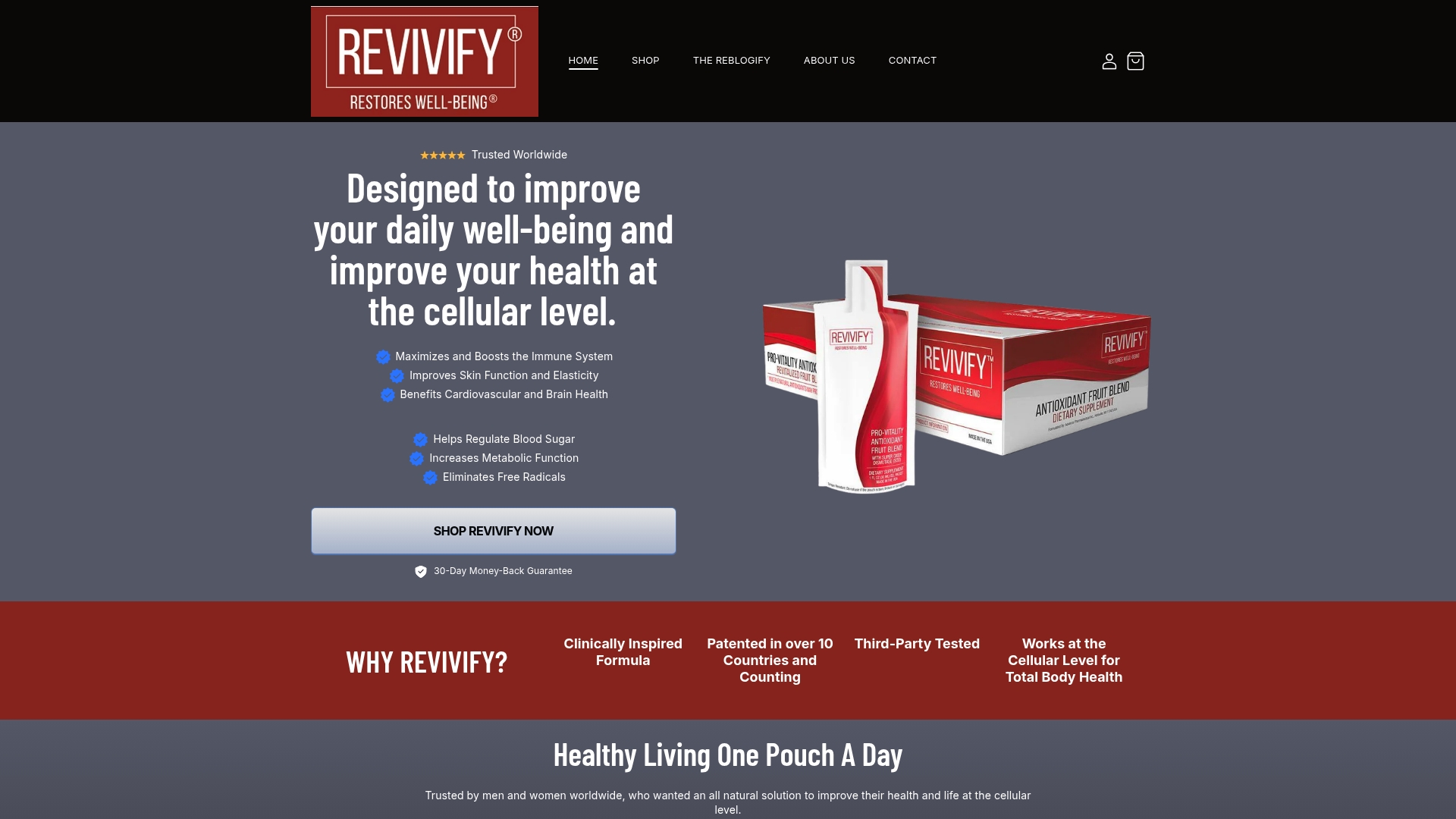
It may be worth considering if you’re already working through the food swaps and meal templates above and want additional support for oxidative stress and gut health alongside that effort. The formula combines superoxide dismutase, prebiotic fiber, polyphenols, and lactobacillus, and it’s third-party tested and plant-based. If you take medications, or are pregnant or breastfeeding, talk to your clinician before adding any new supplement to your routine, since interactions and individual needs vary. Ready to see how it fits into your own eating pattern? Visit Revivify to check current subscription options and its risk-free guarantee.
Sources
- Foods that fight inflammation - Harvard Health
- Overview of anti-inflammatory diets and their promising effects on non-communicable diseases - NCBI PMC
- Anti-Inflammatory Diet: Foods List and Benefits - Cleveland Clinic