

7 Day Meal Anchored Antioxidant Routine That Beats Clock Confusion
Bottom line: take antioxidant supplements with your largest meal of the day, and put more energy into doing that every single day than into deciding whether the clock says 7 a.m. or 9 p.m. If you’re on blood thinners, chemotherapy, or high-dose regimens, talk to your provider before locking in a routine.
TL;DR:
- Taking antioxidant supplements with your largest meal, especially one containing fats, maximizes absorption of fat-soluble antioxidants such as vitamin E and carotenoids.
- The timing of antioxidant intake influences post-meal oxidative and inflammatory markers, with dinner time showing a stronger effect due to larger caloric and fat loads.
- Consistency and overall safety of daily supplement use are more important than precise timing, with dietary sources always preferable to isolated supplements.
- Animal studies suggest biological rhythms may influence antioxidant activity, but human evidence remains weak, so meal size and content are more reliable guides.
- People should check for interactions with medications like blood thinners or during cancer treatments before adjusting antioxidant routines.
Table of Contents
- Antioxidant Timing Morning or Night: What the Evidence Actually Shows
- Why Meal Timing and Solubility Change How Antioxidants Work
- When Should You Take Antioxidants: Morning, Midday, or Night?
- Antioxidant Safety: Doses, Interactions, and Who Should Check With a Doctor
- The Research and Expertise Behind This Guidance
- A Simple 7-Day Antioxidant Routine You Can Start Today
- Why the Morning vs. Night Debate Misses the Real Question
- Start a Meal-Anchored Antioxidant Routine With Tryrevivify
- Sources
Antioxidant Timing Morning or Night: What the Evidence Actually Shows
The research on this question is smaller and messier than most wellness articles let on, but the pattern that does exist points one direction: meals matter more than the hour on the clock.
The most cited data point comes from a 2003 American Heart Association study that gave people vitamin E and vitamin C either before breakfast or before their evening meal, then tracked how their blood markers responded to digestion. The study on postprandial oxidative stress found that timing antioxidant vitamins around a person’s largest meal, typically dinner, changed how the body handled the postprandial spike in oxidative and inflammatory markers. Dinner tends to be the biggest meal for many Americans, which makes it a major metabolic event of the day, and such a metabolic event is when your body generates the most reactive byproducts to neutralize.
Statistic Callout: In the AHA trial, evening dosing altered postprandial oxidative and inflammatory marker responses compared to morning dosing, because the evening meal represented the larger caloric and fat load for most participants.
That finding doesn’t mean night wins outright. It means the meal size and composition drove the effect, not the time on the clock. A finding worth separating from personal anecdotes: some consumer health reporting on antioxidant timing points to observational data linking dinner-time antioxidant intake with lower mortality associations in certain population studies. That’s associative evidence, not a controlled trial, so treat it as a supporting data point rather than proof of causation.
Animal research adds a layer of nuance without settling the debate. A 2014 study on Gouldian finches found the birds naturally concentrated antioxidant-rich food intake around midday, yet researchers detected no measurable diurnal effect on the birds’ plasma oxidative markers. Biological rhythms around antioxidant intake clearly exist in some species. Whether they translate into a meaningful human effect remains unproven, and that gap between animal signal and human confirmation is worth remembering the next time you see a headline claiming a “best” hour for supplements.
The National Center for Complementary and Integrative Health cuts through a lot of this noise with a simpler priority list. NCCIH guidance emphasizes that consistent daily intake and overall safety matter more than precise timing, and it’s blunt about a related point too: supplements are not a substitute for a diet built on antioxidant-rich foods. That’s a useful corrective if you’ve been agonizing over whether 8 a.m. beats 8 p.m. The agency’s stance, in effect, is that the timing debate is a second-tier question behind “are you taking it every day” and “is the dose safe for you.”
Broader nutrition literature backs that up. Reviews of dietary antioxidant intake consistently find that whole-food sources and daily consistency drive population-level health outcomes more reliably than the precise scheduling of an isolated supplement. None of this erases the meal-timing signal from the AHA data. It just puts it in proportion: a real, modest effect, layered on top of a much bigger variable, which is whether you take the thing at all.
Why Meal Timing and Solubility Change How Antioxidants Work
Digestion itself is a stress test for your cells. Breaking down a meal, especially one heavy in fat and calories, triggers a temporary surge in reactive oxygen species (ROS) as mitochondria ramp up energy production. Research on postprandial oxidative stress shows this spike is real and measurable, and it’s paired with a short-lived rise in inflammatory signaling that can last a few hours after eating. A large, fatty meal produces a bigger spike than a light salad. That’s the biological reason a heavy dinner counts as a “high-need window” for antioxidant support, and why the AHA researchers chose that meal to test.
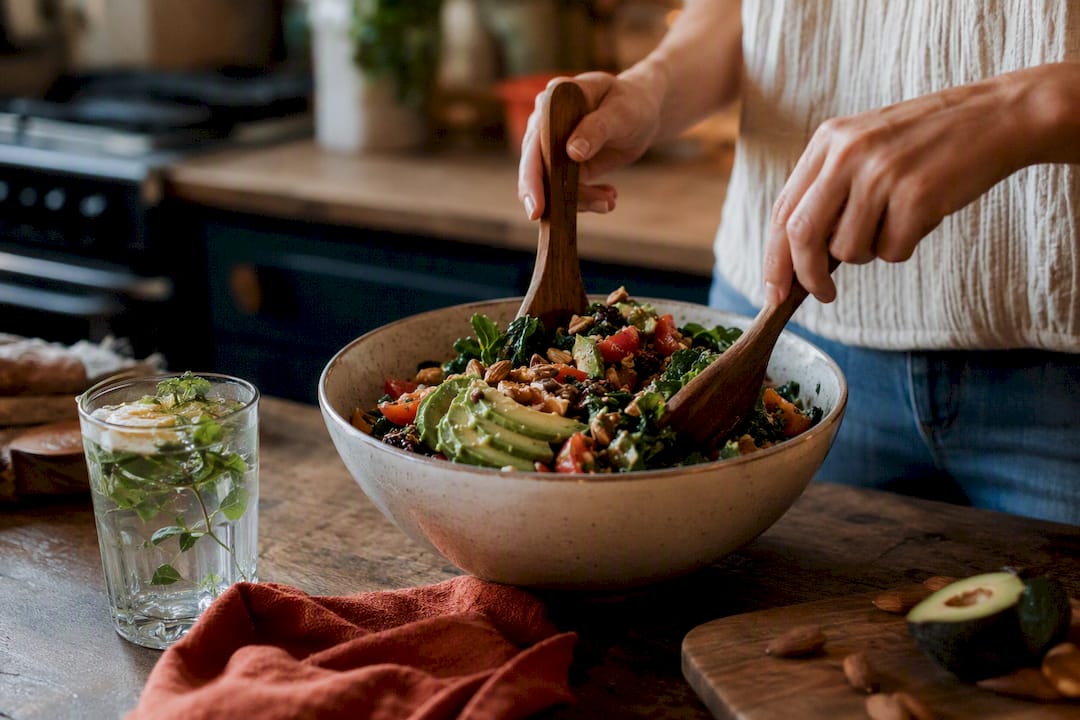
Having antioxidant compounds circulating in your bloodstream during that window gives them something to do the moment your metabolism needs them, rather than arriving hours later after the spike has already peaked and subsided.
Not every antioxidant behaves the same way once it’s in your gut, though, and this is where the morning-versus-night debate misses something more useful: solubility.
- Water-soluble antioxidants like vitamin C dissolve easily in the fluid of your digestive tract and absorb efficiently whether or not food is present, according to the Office of Dietary Supplements. You have more flexibility with these.
- Fat-soluble antioxidants like vitamin E and carotenoids need dietary fat present to absorb well. Taking them on an empty stomach, or with a fat-free snack, means much of the dose passes through largely unused.
- Enzymatic antioxidants, including superoxide dismutase (SOD), work differently altogether. Rather than being “absorbed” in the traditional sense, they support your body’s own internal defense systems, which respond continuously to oxidative load rather than to a single meal.
Think of SOD as the first runner in a relay race against free radicals. It doesn’t finish the job alone. It hands off the baton to other enzymes and antioxidant compounds that complete the neutralization process, which is one reason a formula that pairs SOD with supporting compounds tends to work more like a coordinated team than a solo act.
There’s also a circadian layer worth a brief mention, mostly because it gets overstated online. Melatonin, the hormone your body produces to regulate sleep, is also a potent endogenous antioxidant, and levels rise at night as part of your natural rhythm. Some researchers have floated the idea that nighttime might be a metabolically favorable window for antioxidant activity because of this overlap. The human evidence for a meaningful, actionable circadian antioxidant effect is thin, though, and mostly extrapolated from animal models rather than confirmed in people. It’s a plausible mechanism, not a proven one, and it shouldn’t override the more solid meal-pairing logic above.
When Should You Take Antioxidants: Morning, Midday, or Night?
Once you accept that the meal matters more than the clock, the practical rules write themselves.
- Identify your largest meal and anchor there. If dinner is your biggest meal, that’s your primary dosing window, consistent with the AHA findings on postprandial timing. If you’re an early, light dinner and heavy lunch, midday becomes your anchor instead.
- Match solubility to food content. Take fat-soluble antioxidants like vitamin E or carotenoid blends alongside a meal that includes some healthy fat, avocado, olive oil, nuts, or fatty fish. Water-soluble compounds like vitamin C have more scheduling freedom and can be taken with lighter meals or even on an empty stomach for most people.
- Split doses if you’re taking several supplements. Splitting across two meals, rather than one large dose, tends to improve tolerance and can help absorption without hurting adherence, according to observations from Health.com’s timing analysis.
- Build around your actual schedule, not an idealized one. A night-shift worker’s “dinner” might be at 2 a.m., and that’s fine. The anchor point is your biggest intake window, wherever it falls on the clock.
For a morning person who eats a substantial breakfast and a light dinner, that means dosing early. For someone whose day runs the opposite way, evening dosing makes more physiological sense, and it happens to line up with when the AHA researchers saw the strongest postprandial signal.
Troubleshooting comes up often enough to address directly. If a supplement seems to disrupt sleep when taken at night, shift it to your midday meal instead. Stomach upset usually means the dose is hitting an empty stomach. Pairing it with food, any food, generally resolves it. If you miss a dose entirely, don’t double up at the next meal. Just resume your normal schedule. The occasional missed day matters far less than most people assume. What matters is whether you’re back on track the next day.
Pro Tip: Set your antioxidant supplement next to your coffee maker, your dinner plate, or whatever object you interact with automatically at your anchor meal. Habit stacking beats willpower every time supplement adherence has been studied.
Antioxidant Safety: Doses, Interactions, and Who Should Check With a Doctor
Timing gets most of the attention, but dose and interaction risk deserve equal weight, and this is the part of the conversation people skip too quickly.
The NCCIH’s safety guidance flags specific, well-documented risks rather than vague warnings. Beta-carotene supplementation at high doses has been linked to increased lung cancer risk specifically in smokers, a finding serious enough that it changed public health recommendations for that group. Separately, some antioxidant compounds can interfere with the oxidative mechanisms that certain chemotherapy and radiation treatments rely on to kill cancer cells, which is why oncologists routinely ask patients to disclose every supplement before starting treatment.
Statistic Callout: NCCIH guidance specifically warns that high-dose antioxidant supplementation can be harmful in certain populations and may interfere with cancer treatment mechanisms, underscoring why “more is better” doesn’t apply here.
A short list of situations that merit a conversation with a provider before you start any timing routine:
- You take blood thinners like warfarin; vitamin E in particular can affect clotting.
- You’re currently in cancer treatment, including chemotherapy or radiation.
- You’re pregnant or breastfeeding, where dosing guidance differs from general adult recommendations.
- You smoke or formerly smoked heavily, given the beta-carotene and lung cancer association.
- You take multiple supplements or prescription medications where interaction risk compounds.
Beyond interactions, product quality deserves attention. Choose supplements that carry third-party testing verification, and be skeptical of megadoses that far exceed typical dietary intake, unless a physician has specifically recommended them for a diagnosed deficiency. The Revivify blog’s breakdown of oxidative stress signs covers symptoms worth watching for if you suspect your antioxidant needs are higher than average.
The Research and Expertise Behind This Guidance
Getting antioxidant advice right means separating population-level nutrition science from marketing claims, and that distinction shapes everything Tryrevivify publishes.
Tryrevivify’s supplement combines superoxide dismutase with prebiotic fiber in a patented formulation, built specifically around the relay-team model of antioxidant defense described earlier: SOD handles the first stage of neutralizing superoxide radicals, while the prebiotic fiber component supports the gut environment where a large share of your body’s antioxidant and immune activity actually originates.
Larry, who covers antioxidant science for the Revivify blog, has written extensively on the mechanisms behind oxidative stress and practical steps for managing it day to day. His work draws on the same peer-reviewed research referenced throughout this article, translated into steps a non-scientist can actually use.
For readers who want to go deeper on specific angles:
- How to Combat Oxidative Stress and Inflammation covers the broader picture beyond supplement timing alone.
- How Antioxidants Prevent Arterial Oxidation explains the cardiovascular angle referenced in the postprandial research above.
- Antioxidant Enzyme Immune Support walks through evidence and safety considerations for enzymatic antioxidants specifically.
Product-specific clinical data and formulation details are available on the Revivify website for readers who want the full technical picture before purchasing.
A Simple 7-Day Antioxidant Routine You Can Start Today
Theory is useless without a schedule, so here’s a practical week you can adapt starting tomorrow.
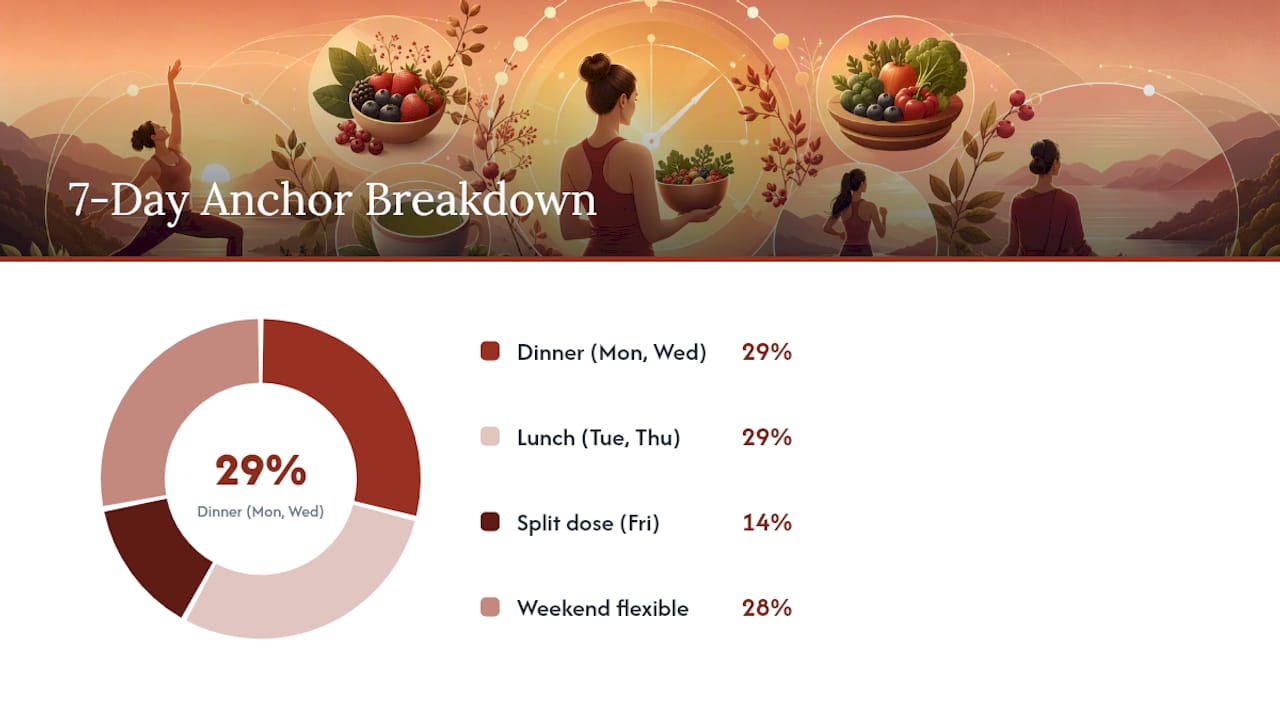
- Monday and Wednesday (dinner-anchored): Take your antioxidant supplement with your evening meal, paired with a source of healthy fat if it includes vitamin E or carotenoids.
- Tuesday and Thursday (lunch-anchored): If lunch is your bigger meal those days, shift dosing there instead. The anchor moves with your actual eating pattern, not a fixed clock time.
- Friday (split dose): Take half with breakfast, half with dinner, especially useful if you’re combining multiple supplement types with different solubility needs.
- Weekend (flexible anchor): Weekend schedules shift for most people. Anchor to whichever meal is largest that day, even if it’s brunch at 11 a.m.
Before you take it, run through this quick checklist:
- Is this paired with a meal, ideally one with some fat if the label calls for it?
- Have you checked for interactions with any current medications?
- Are you hydrated? Some antioxidant compounds absorb better with adequate water intake.
- Have you logged the dose somewhere, even a simple phone note, to track consistency over weeks?
For more structured daily stacking ideas, the Revivify heart health routine guide offers a full-day framework that extends beyond antioxidants alone.
Pro Tip: Attach the habit to something you already do without thinking, like brushing your teeth or starting the coffee maker. Adherence research consistently shows habit-stacked routines outlast willpower-based ones by a wide margin.
Why the Morning vs. Night Debate Misses the Real Question
The conventional wisdom treats antioxidant timing like a precision science, as if there’s a magic hour where vitamin C suddenly works better. There isn’t, and the AHA data everyone cites to argue for evening dosing actually argues for something narrower: match your supplement to your biggest meal, because that’s when your body generates the most oxidative load to manage.
What gets underestimated is how much adherence outperforms optimization. A perfectly timed dose taken three days a week loses to an imperfectly timed dose taken every single day. NCCIH’s own guidance backs this up by putting consistency and safety ahead of precise scheduling.
If you take one thing from this article, make it this: pick a meal, pair your supplement with it, and stop switching your routine every time you read a new theory about circadian rhythms. The finches in that midday-feeding study didn’t show measurably different oxidative markers despite their timing preference. Don’t overengineer what your own body has already shown doesn’t require precision to work.
— Larry
Start a Meal-Anchored Antioxidant Routine With Tryrevivify
You don’t need a spreadsheet to make antioxidant timing work. You need a formula built for daily consistency rather than clock-watching, which is exactly the gap Tryrevivify’s gel supplement was designed to fill.
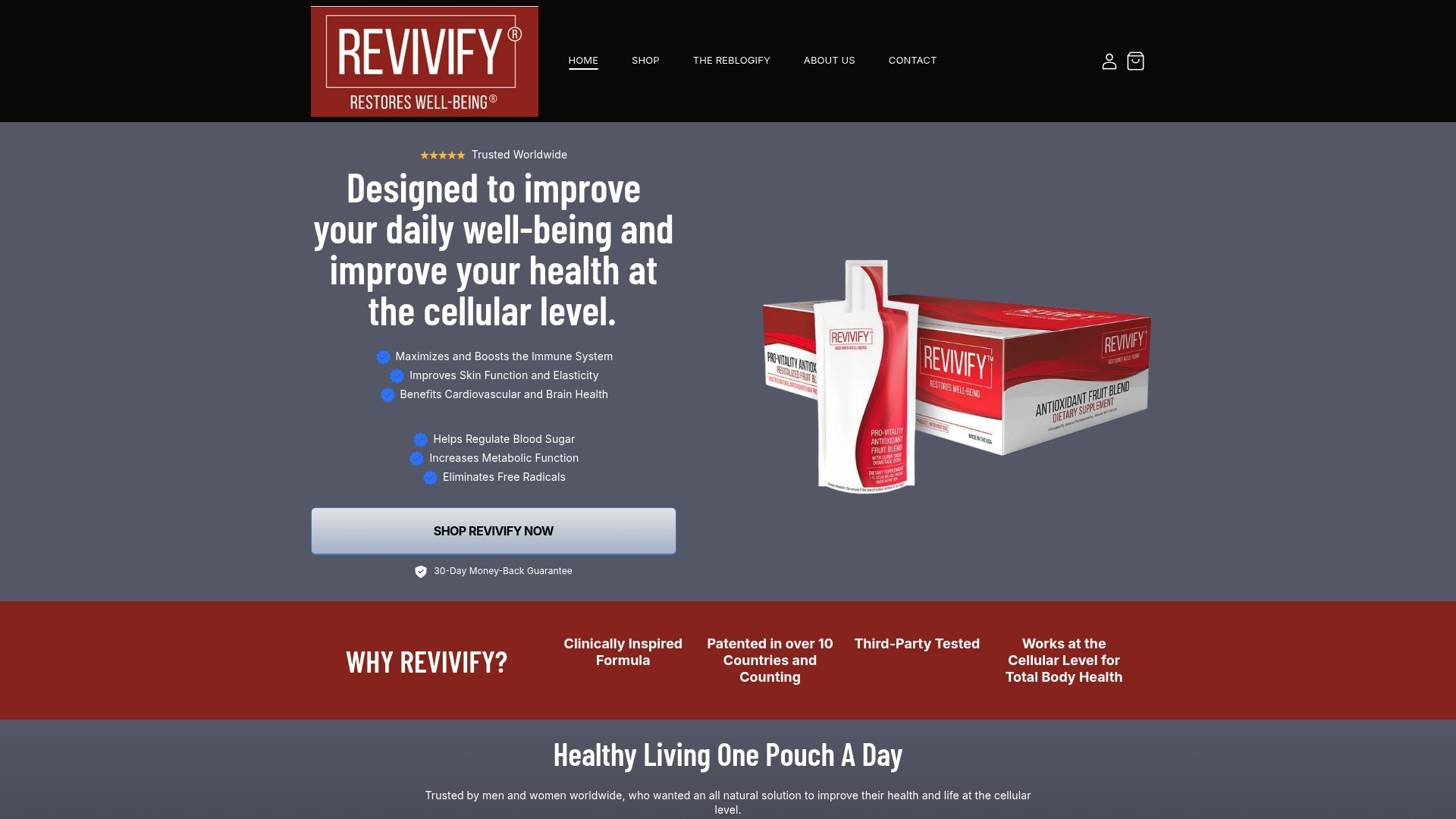
Where most antioxidant capsules ask you to remember a fasting window or worry about fat pairing, Tryrevivify combines superoxide dismutase, prebiotic fiber, polyphenols, and lactobacillus into one gel dose that pairs easily with any meal, morning, midday, or dinner. That flexibility matters given what the research actually shows: the meal matters more than the hour, and a formula that works whenever you eat removes one more excuse to skip a day. The product is third-party tested and plant-based, with subscription options that support the daily habit this article recommends building in the first place, backed by a risk-free guarantee if it’s not the right fit.
If you’ve been putting off a decision while overthinking morning versus night, anchor it to your next meal instead. Visit Tryrevivify to check subscription options and start your first order today.
Sources
- Timing of Antioxidant Vitamin Ingestion Alters Postprandial …
- Antioxidant supplements: What you need to know | NCCIH
- Health