

Clear Brain Fog in 8 Weeks: Antioxidants Backed by Trials
Yes, an antioxidant-forward diet paired with targeted supplements can measurably reduce brain fog, but the fix isn’t instant. Start with a Mediterranean-style eating pattern, get B12 and vitamin D checked, and give any change six to eight weeks before judging results. Evidence for specific supplement blends is promising but still limited, so talk to your clinician before adding anything if you take medication.
TL;DR:
- Combining multiple antioxidants like bacopa, lycopene, astaxanthin, and B12 shows significant cognitive benefits within eight weeks, especially in verbal fluency.
- Flavonoid-rich foods such as berries, cocoa, and ginkgo offer modest but consistent improvements in processing speed and memory over sustained periods.
- Supplement trials like BLAtwelve indicate that multi-ingredient formulas outperform single nutrient approaches, with effects becoming evident after six to eight weeks of consistent use.
- Dietary habits including regular intake of fatty fish, leafy greens, nuts, and dark chocolate support brain health through antioxidants, anti-inflammatory compounds, and omega-3 fatty acids.
- Supplement safety requires caution, especially with high doses of vitamin E or NAC, and supplement effectiveness hinges on proper dosing, duration, and individual health factors.
Table of Contents
- What the Research Shows: Trials, Meta-Analyses, and Major Reviews
- Antioxidant-Rich Foods to Try (What to Eat and Why)
- Supplements With Clinical or Plausible Evidence for Brain Fog
- How Antioxidants May Reduce Brain Fog: Mechanisms in Plain Language
- A Practical 6 to 12 Week Plan for Clearer Thinking
- Safety, Drug Interactions, and Red Flags
- Why Revivify Fits the Evidence on Antioxidants and Brain Fog
- A Realistic Take on Antioxidants and Mental Clarity
- Try Revivify: A Daily Step Toward Clearer Thinking
- Sources
What the Research Shows: Trials, Meta-Analyses, and Major Reviews
Brain fog research has moved past hand-waving about “superfoods.” Several controlled trials now put specific antioxidant compounds through the kind of testing that actually tells you whether something works, and the results are more nuanced than the supplement aisle would have you believe.
The strongest single data point comes from the BLAtwelve study, an eight-week randomized trial testing a combination of bacopa, lycopene, astaxanthin, and vitamin B12. Verbal fluency scores also rose significantly more than placebo during the study, according to the BLAtwelve trial published in Nutrients. That’s a real, statistically solid signal for a mixed antioxidant approach over a two-month window.
NAC (N-acetylcysteine) tells a messier but still interesting story. An open-label trial gave 600 mg of NAC daily alongside guanfacine to 12 patients dealing with post-viral cognitive deficits, the kind of persistent mental fog many people report after a respiratory illness. Eight of the 12 reported improved working memory and concentration, but four discontinued treatment, and the open-label design limits how much weight the result can carry. No placebo arm means we can’t rule out expectation effects or natural recovery over time. It’s a lead worth watching, not a verdict.
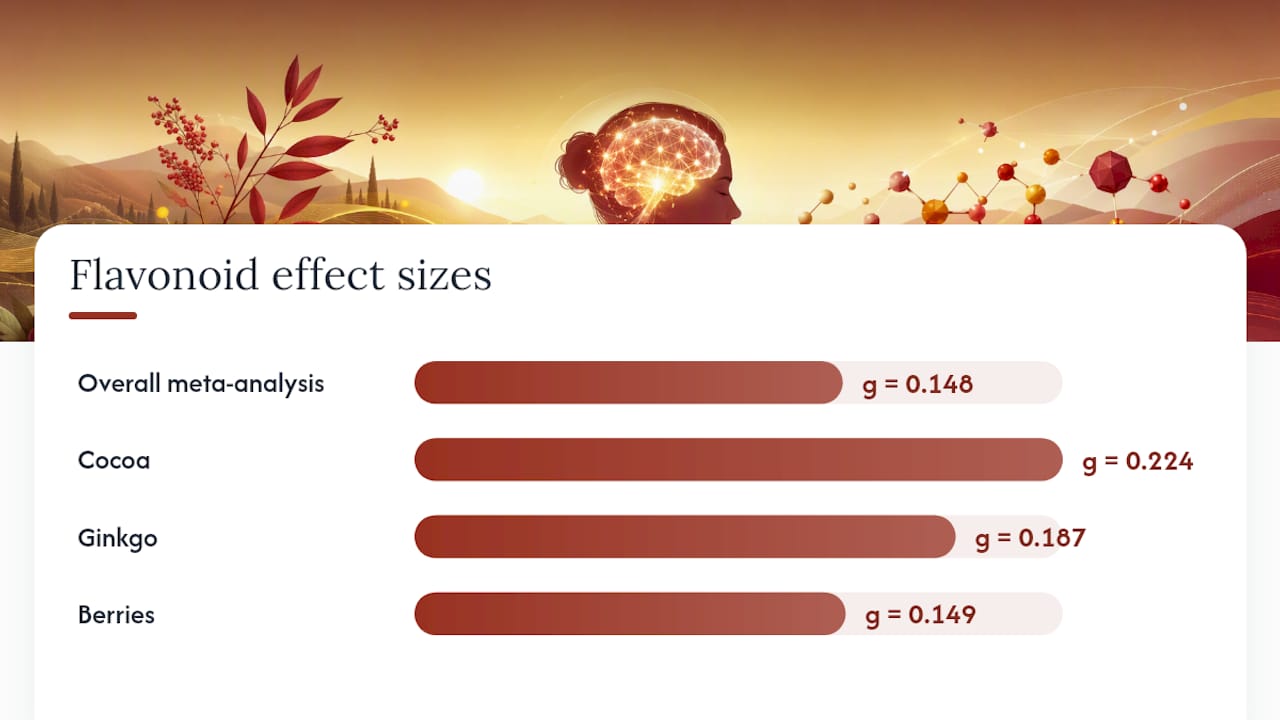
Flavonoids have the largest body of evidence behind them, mostly because they’ve been studied across dozens of trials rather than one or two. A 2020 meta-analysis pooling 80 studies and 5,519 participants found small but statistically significant cognitive benefits from dietary flavonoid intake overall.
By the numbers: The overall effect size was modest (g = 0.148, p < 0.001), but cocoa (g = 0.224), ginkgo (g = 0.187), and berries (g = 0.149) stood out as the most consistently beneficial sources, according to the 2020 flavonoid and cognition meta-analysis.
A few patterns showed up consistently across the pooled trials:
- Chronic use over multiple weeks tended to produce more reliable cognitive benefits than brief supplementation. Moderate dosing levels were generally as effective as higher single doses
- Cocoa, ginkgo, and berry-derived flavonoids had the most reproducible effects across different study populations.
- Younger and older adults both showed benefit, though effect sizes varied by baseline cognitive status.
Mitochondria-targeted antioxidants, or MTAs, occupy a different tier of evidence entirely. Compounds like MitoQ show strong neuroprotective effects in preclinical and animal models, sometimes outperforming natural vitamins in those settings. Human cognition data remain thin, though, and a scoping review of mitochondria-targeted antioxidants describes the approach as biologically promising rather than clinically proven for brain fog specifically. If you’re curious how MitoQ stacks up against other options, our MitoQ evidence review breaks down what’s actually been tested versus what’s still theoretical.
Taken together, this research points toward one conclusion: combination approaches, whether that’s a dietary pattern layered with a targeted supplement or a multi-ingredient blend like BLAtwelve, tend to outperform any single antioxidant taken in isolation.
Antioxidant-Rich Foods to Try (What to Eat and Why)
Food comes first, and not because supplements don’t work. Whole foods deliver antioxidants alongside fiber, healthy fats, and cofactors that help your body actually use them, a package no capsule fully replicates.
Berries top the list for a reason. Their anthocyanins, the pigments that give blueberries and blackberries their deep color, showed up as one of the three flavonoid sources with the most consistent cognitive benefit in the 2020 meta-analysis, particularly for processing speed and memory in trials lasting six weeks or more.
Fatty fish like salmon, sardines, and mackerel supply DHA and EPA, omega-3 fats that support the structural integrity of neuronal membranes and help tamp down systemic inflammation. Reviews of dietary fats and brain health consistently flag omega-3 intake as a modifiable factor in reducing oxidative stress tied to cognitive performance.
Leafy greens and cruciferous vegetables (spinach, kale, broccoli, Brussels sprouts) bring folate, vitamin K, and polyphenols that support enzymatic antioxidant defenses in the brain. These are staples of both the Mediterranean and MIND dietary patterns, which recent reviews identify as the most consistent approaches for lowering neuroinflammation.
Nuts, seeds, and olive oil round out the healthy-fat category, delivering vitamin E and monounsaturated fats that protect cell membranes from oxidative damage. A handful of walnuts or a tablespoon of olive oil on your salad isn’t a dramatic intervention, but consistency compounds over weeks.
Cocoa and green tea offer something the others don’t: acute alertness on top of long-term flavanol benefit. Dark chocolate (70% cacao or higher) and green tea’s catechins both showed measurable cognitive effects in controlled trials, making them reasonable daily additions rather than occasional treats.
Here’s a simple way to build a day around these foods:
- Breakfast: Greek yogurt with mixed berries and a spoonful of ground flaxseed.
- Lunch: A large leafy green salad with olive oil, walnuts, and grilled salmon or sardines.
- Afternoon: Green tea and a square or two of dark chocolate.
- Dinner: Roasted broccoli or Brussels sprouts alongside a fatty fish or legume-based main.
- Snacks: A small handful of almonds or a piece of fruit high in polyphenols, like an apple or pomegranate.
None of this requires a dramatic overhaul. Swapping your usual snack for berries and your cooking oil for extra-virgin olive oil covers two of the highest-yield changes on this list without adding a single new grocery item to hunt down.
Supplements With Clinical or Plausible Evidence for Brain Fog
Not every supplement on a shelf labeled “brain health” has data behind it. A handful do, and knowing which ones separates a reasonable trial from money spent on hope.
Mixed antioxidant combinations have the best human evidence right now. The BLAtwelve formula, combining bacopa, lycopene, astaxanthin, and vitamin B12, produced measurable executive function gains over eight weeks in a randomized controlled trial, with the treatment group improving on the Trail Making Test by about 21 seconds more than placebo. That’s a meaningful effect size for a cognitive measure, and it reinforces the broader pattern seen across this research: multi-ingredient formulas addressing several pathways at once tend to outperform single-nutrient bets.
N-acetylcysteine (NAC) shows a specific, narrower use case: post-viral cognitive fog. The open-label trial using 600 mg daily alongside guanfacine reported improvement in 8 of 12 participants, but a quarter of the group stopped treatment, and without a placebo comparison, some of that improvement could reflect natural recovery. If post-viral fog is your situation specifically, NAC is worth discussing with a clinician, not self-prescribing.
Vitamin B12 deserves a category of its own because deficiency is common, tests are cheap, and correction is straightforward. If your fog coincides with fatigue, tingling in the hands or feet, or you follow a plant-based diet without supplementation, ask for a serum B12 test before assuming an antioxidant supplement is the answer. Low B12 causes symptoms that antioxidants alone won’t fix.
Curcumin, standalone flavanol extracts, and omega-3 capsules show up in trials using doses that generally range from 500 to 1,000 mg daily for curcumin and 1 to 2 grams for combined EPA/DHA, though exact protocols vary by study. The evidence here is real but modest, consistent with the small effect sizes found across flavonoid research broadly.
Mitochondria-targeted antioxidants like MitoQ remain in an earlier evidence stage. Preclinical work is encouraging, but human cognition trials are limited, so treat these as an emerging category rather than a proven fog remedy.
Quick statistic worth remembering:
Some participants discontinued NAC treatment, and cognitive gains in trials like BLAtwelve appeared only after several weeks of consistent use, emphasizing the need for patience and tolerance. Patience and tolerance both matter here.
Before buying anything, run through this checklist:
- Look for third-party testing (USP, NSF, or ConsumerLab verification) on the label or website.
- Match the dose on the bottle to the dose actually used in a trial, not a marketing claim.
- Give any supplement the full trial duration, generally six to eight weeks, before deciding it isn’t working.
- Track a specific symptom (word recall, focus during meetings) rather than a vague “do I feel better” impression.
- Stop and reassess if you notice GI upset, headaches, or no change at all after two months.
How Antioxidants May Reduce Brain Fog: Mechanisms in Plain Language
Brain fog isn’t one condition with one cause, and antioxidants don’t work through one single switch either. Understanding the actual mechanisms helps explain why food-first, multi-pathway approaches tend to beat single-ingredient bets.
Oxidative stress happens when unstable molecules called free radicals outpace your body’s ability to neutralize them. Neurons are particularly vulnerable because they demand enormous amounts of energy and produce free radicals as a byproduct of that energy use. When oxidative stress builds up faster than your natural defenses (including enzymes like superoxide dismutase) can clear it, cell function suffers, and cognitive symptoms like slowed processing and poor recall often follow.
Neuroinflammation compounds the problem. Chronic low-grade inflammation in brain tissue disrupts normal signaling between neurons, and polyphenols found in berries, cocoa, and leafy greens appear to modulate the inflammatory pathways involved, according to a review on neuroinflammation and the gut-brain axis. This is part of why chronic, low-dose flavonoid intake tends to outperform occasional high-dose bursts.
Mitochondrial dysfunction is where MTAs like MitoQ come in. Mitochondria are your cells’ energy factories, and when they’re damaged by oxidative stress, energy production drops precisely where the brain needs it most. Targeting antioxidants directly to mitochondria, rather than relying on general circulation, is the rationale behind this newer supplement category, even though human trial data hasn’t caught up to the preclinical promise yet.
The gut-brain axis rounds out the picture. Dietary polyphenols get metabolized by gut bacteria into compounds that influence brain signaling, meaning what you eat shapes your microbiome, and your microbiome talks back to your brain. This connection is well established enough that gastroenterology specialists now discuss it as a routine factor in mental clarity, not a fringe theory.
Four mechanisms, one takeaway: antioxidants that support gut health and reduce systemic inflammation at the same time have more angles of attack than a single vitamin ever could.
A Practical 6 to 12 Week Plan for Clearer Thinking
Testing whether antioxidants actually help your fog requires structure, not just good intentions. Here’s a realistic timeline.
Weeks 1 to 2: Establish your baseline. Before changing anything, write down how often fog hits, what triggers it (poor sleep, stress, a specific meal), and rate your focus daily on a simple 1 to 10 scale. Ask your doctor for basic labs, specifically B12 and vitamin D, since deficiencies in either can masquerade as brain fog and won’t respond to antioxidants alone.
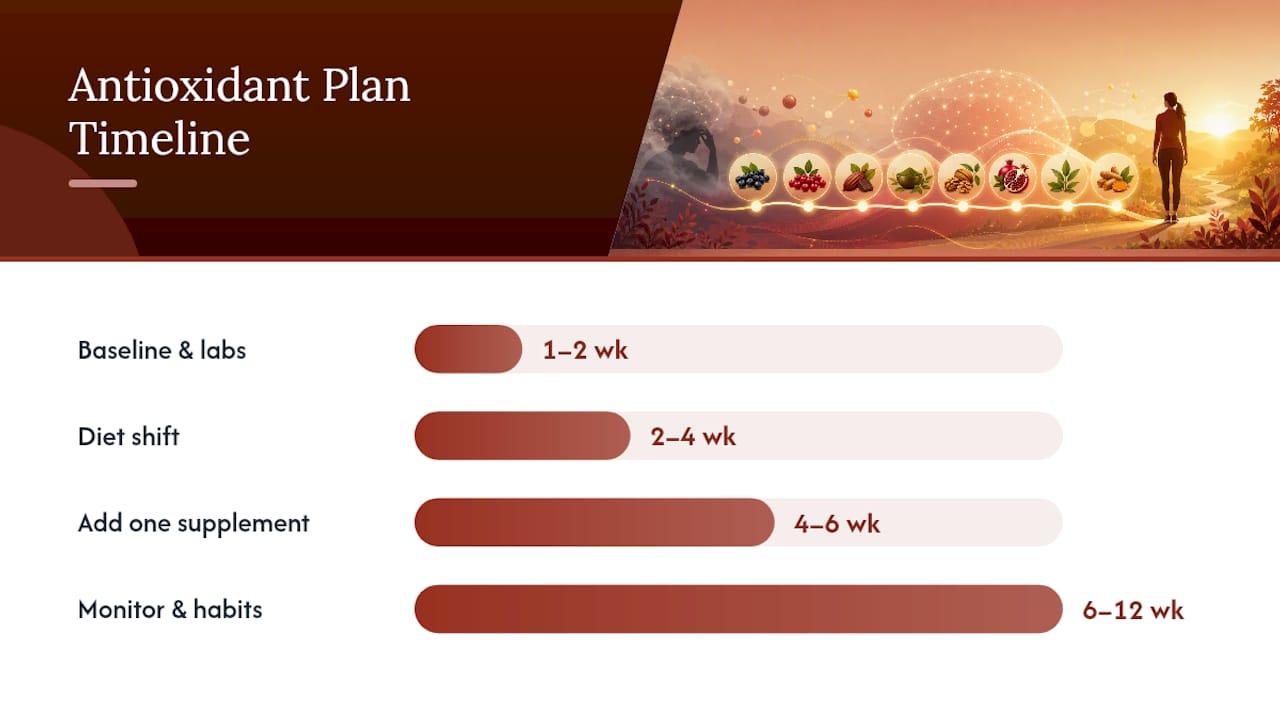
Weeks 2 to 4: Shift your diet first. Move toward a Mediterranean or MIND-style eating pattern, which current reviews rank as the most consistent dietary approach for lowering neuroinflammation. Add berries daily, swap one processed snack for nuts or seeds, and get fatty fish onto your plate at least twice a week.
Weeks 4 to 6: Add one supplement, not five. If diet alone hasn’t moved the needle and your labs came back clean, consider a single evidence-backed option, a mixed antioxidant blend, a flavanol extract, or NAC if your fog is post-viral. Adding several new supplements at once makes it impossible to know what’s actually helping.
Weeks 6 to 12: Monitor and adjust. Revisit your baseline notes weekly. The BLAtwelve trial saw meaningful executive function gains at eight weeks, and flavonoid benefits in the broader meta-analysis clustered around six or more weeks of consistent use, so don’t judge results before that window closes.
Alongside diet and supplements, four daily habits determine whether any of this actually works:
- Sleep seven to nine hours consistently. Poor sleep alone can produce fog that no antioxidant will fix.
- Move daily, even a 20-minute walk, since exercise supports the same antioxidant enzyme systems you’re trying to boost through diet.
- Stay hydrated. Mild dehydration measurably impairs focus and processing speed.
- Manage stress through whatever actually works for you, whether that’s breathing exercises, therapy, or simply protecting time off.
Pro Tip: Keep your meals anchored to consistent times rather than grazing all day. A steady routine makes it far easier to tell whether a supplement is working, since you’re not also troubleshooting erratic blood sugar swings. If timing your antioxidant intake around meals interests you, our guide to antioxidant timing walks through a full week’s structure.
Major medical centers echo this layered approach. Mayo Clinic’s guidance on brain health is explicit that diet and supplements only move the needle when sleep, stress, and underlying medical conditions get addressed at the same time. Antioxidants are one lever, not the whole machine.
Safety, Drug Interactions, and Red Flags
Antioxidants feel harmless because they’re marketed as “natural,” but concentrated doses interact with real physiology and real medications.
High-dose vitamin E can interfere with blood clotting, which becomes a genuine concern if you’re on anticoagulants like warfarin. NAC carries its own cautions for people with certain respiratory or kidney conditions, and it should only be added under medical guidance if you’re managing another chronic illness. Unsupervised high-dose antioxidant supplementation, meaning well beyond food-level intake, has also been linked to reduced efficacy of certain cancer treatments in some research contexts, which is one more reason dosage matters more than “more is better” logic.
Contaminated or mislabeled supplements are a separate risk entirely. Because the supplement industry isn’t regulated with the same rigor as pharmaceuticals, third-party testing (look for USP or NSF certification) is the only real check most consumers have.
Watch for these red flags, and treat them as a signal to call your doctor, not push through:
- Sudden, severe confusion or disorientation that comes on quickly rather than gradually.
- Fog accompanied by vision changes, slurred speech, or one-sided weakness (seek emergency care immediately).
- New fog that started right after beginning a medication or supplement.
- No improvement at all after 8 to 12 weeks of consistent diet and supplement changes.
Pro Tip: Before any appointment about brain fog, bring a list of every supplement and medication you take, including doses, plus your recent labs if you have them. This saves your clinician from guessing and helps them catch interactions you might not know to mention.
Why Revivify Fits the Evidence on Antioxidants and Brain Fog
Revivify was formulated around the same multi-pathway logic this research keeps pointing toward: oxidative stress and gut health are connected, and addressing both tends to outperform tackling either alone. The gut-brain axis research on neuroinflammation discussed earlier makes a strong case that systemic inflammation and microbiome health influence cognitive clarity together, not separately.
The formula includes several components that map directly onto that idea:
- Superoxide dismutase (SOD), an antioxidant enzyme your body produces naturally to neutralize free radicals at the cellular level, the same oxidative stress pathway implicated in cognitive fog.
- Prebiotic fiber, which feeds beneficial gut bacteria involved in producing the metabolites that influence brain signaling through the gut-brain axis.
- Polyphenols, plant compounds in the same broad family as the flavonoids shown to have small but consistent cognitive benefits in the 2020 meta-analysis.
- Lactobacillus, a probiotic strain that supports digestive and immune function alongside the antioxidant components.
For readers who want to dig deeper into how these mechanisms connect, our explainer on why antioxidants support immune function covers the broader systemic role antioxidants play beyond cognition alone.
A Realistic Take on Antioxidants and Mental Clarity
The honest takeaway is this: food-first antioxidant strategies backed by combination supplements have real evidence behind them, but nothing in this research supports a quick fix. The BLAtwelve trial’s gains took eight weeks. The flavonoid meta-analysis found effects that were statistically real but modest in size. That’s not a reason to skip these changes, it’s a reason to set expectations correctly and stick with them long enough to know if they’re working for you specifically.
Individual variability is the piece most articles skip past. Someone with a B12 deficiency will respond completely differently to the same intervention than someone whose fog stems from poor sleep or unmanaged stress. That’s exactly why a clinician conversation, ideally with basic labs in hand, belongs at the start of this process rather than the end.
— Larry
Try Revivify: A Daily Step Toward Clearer Thinking
If the mechanisms in this article made sense to you, but building a Mediterranean-style meal plan from scratch feels like more than you want to take on, Revivify gives you a formulated shortcut that targets the same oxidative stress and gut-health pathways in one daily gel. It’s third-party tested, plant-based, and backed by a risk-free guarantee, so trying it doesn’t mean committing blind.
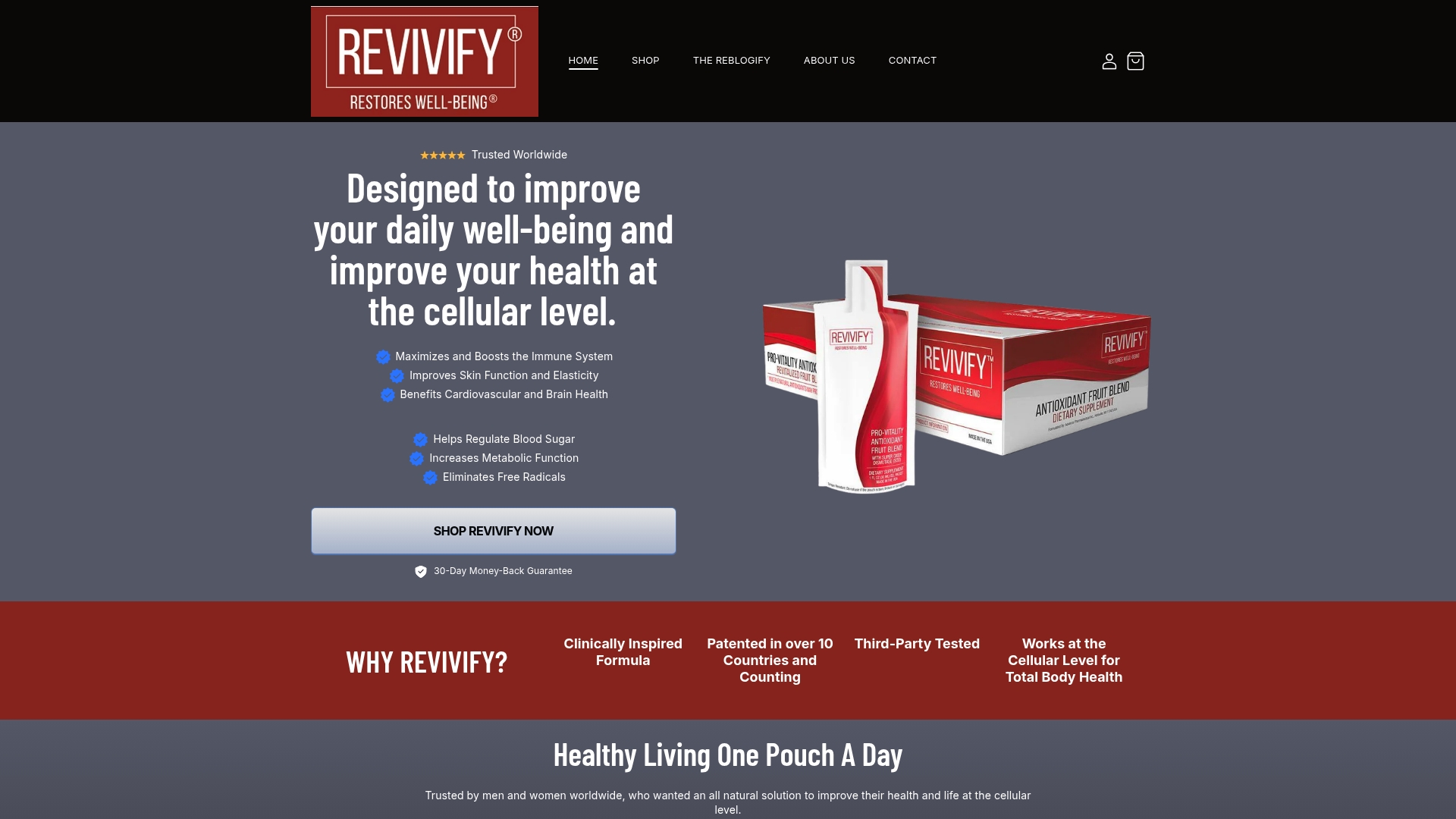
Unlike a single-ingredient capsule, Revivify combines superoxide dismutase, prebiotic fiber, polyphenols, and lactobacillus in one formula, addressing free radical activity and gut-driven inflammation together rather than asking you to stack four separate bottles. Subscription options are available if you want to build this into a routine without reordering every month. If you’re ready to see how a daily antioxidant habit fits into your own six-to-eight-week trial period, visit the Revivify product page to check current formulations and get started.
This article is general information, not a substitute for advice from a qualified doctor. Consult a qualified healthcare professional about your own circumstances before acting on anything here.
Sources
- Improvement of Executive Function after Short-Term Administration of an Antioxidants Mix Containing Bacopa, Lycopene, Astaxanthin and Vitamin B12: The BLAtwelve Study
- Open-label study of NAC and guanfacine in post-viral cognitive deficits
- Nutritional approaches to managing brain fog (2026 review)