

Antioxidants for Immune Deficiency Support: Evidence & Safety
Antioxidants can meaningfully support immune function in people with documented deficiencies, but only when used under clinician supervision and targeted to confirmed gaps. The NIH Office of Dietary Supplements is direct on this: clinical deficiencies in vitamins A, C, D, E, selenium, and zinc each impair immune responses, and correcting them can improve outcomes. Harvard’s nutrition experts are equally clear that no single supplement “supercharges” immunity — the goal is consistent, adequate nutrient intake, not megadose therapy.
Before reaching for a supplement, two steps matter most:
- Get tested first. Ask your clinician for targeted micronutrient testing (plasma zinc, selenium, 25(OH)D, vitamin C status) to confirm whether a deficiency actually exists.
- Consult before you supplement. If you have a diagnosed immune condition or take prescription medications, a clinician or pharmacist review is non-negotiable before adding any antioxidant supplement.
This guide walks through the mechanism, the nutrient-level evidence, safety rules, and how to choose quality products — so you can have an informed conversation with your care team.
This article is general health information, not medical advice. Confirm current recommendations with a qualified clinician or pharmacist.
Table of Contents
- How oxidative stress shapes your immune cells
- Nutrient-by-nutrient review: what the evidence actually shows
- What clinical research shows for people with immune deficiency
- Safety, dosing, and medication interactions you need to know
- A food-first strategy that actually builds immune resilience
- How to choose a supplement product you can actually trust
- Questions to ask your clinician before starting antioxidant supplements
- Why antioxidant enzymes like SOD are worth understanding
- Interactions with medications used in immune deficiency beyond immunosuppressants
- Key Takeaways
- Why the “more antioxidants” assumption misses the point
- Revivify is built for exactly this kind of targeted support
- Useful sources and further reading
How oxidative stress shapes your immune cells
Immune cells do something remarkable and risky at the same time: they deliberately generate reactive oxygen species (ROS) to kill pathogens. That oxidative burst is one of your body’s most effective microbicidal tools. The problem is that the same ROS can damage the immune cells producing them.

This vulnerability is not random. Research published in PMC shows that immune cells have unusually high polyunsaturated fatty acid (PUFA) content in their membranes, making them especially susceptible to lipid peroxidation when antioxidant defenses fall short. Think of it as a controlled fire: useful when contained, destructive when the firebreak fails.
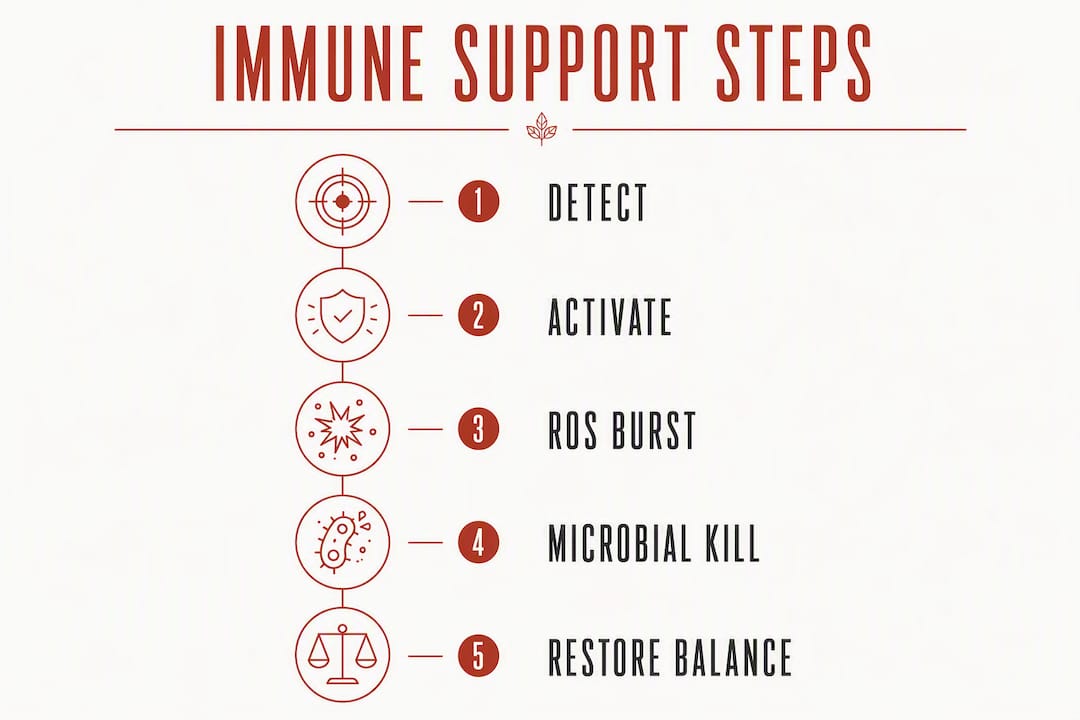
The antioxidant defense system works in layers. SOD converts the most reactive superoxide radicals into hydrogen peroxide. Glutathione peroxidase then neutralizes the hydrogen peroxide. Vitamins C and E act as electron donors that quench free radicals in aqueous and lipid compartments respectively. When any layer is depleted — through poor diet, chronic illness, or aging — immune cells lose their ability to regulate the oxidative environment, and both their killing power and their self-protection suffer.
A simplified view of the process: pathogen detected → immune cell activation → controlled ROS burst → microbicidal effect → antioxidant systems neutralize residual ROS → immune cell survives and signals. Chronic immune deficiency disrupts this cycle at multiple points, which is why antioxidant status matters so much for people in that situation.
Nutrient-by-nutrient review: what the evidence actually shows
The evidence base is not uniform across antioxidant nutrients. Vitamin C, zinc, and vitamin E have the most consistent human trial data for immune support. Selenium and vitamin A show clear benefits when deficiency is confirmed but carry real toxicity risk at high doses. Glutathione, NAC, SOD, and polyphenols have strong mechanistic rationale with emerging but limited clinical trial data in humans.
| Nutrient | Evidence strength | Typical supplemental dose range | Key food sources | Primary safety caveat |
|---|---|---|---|---|
| Vitamin C | Strong (immune cells, cold duration) | — | Citrus, bell peppers, broccoli | GI upset above 1,200 mg/day |
| Vitamin E | Moderate (vaccine response in elderly) | — | Sunflower seeds, almonds, wheat germ | Anticoagulant interaction; avoid high doses |
| Vitamin A | Conditional (deficiency-dependent) | — | Liver, sweet potato, carrots | Teratogenic; toxic above UL; requires testing |
| Zinc | Strong (antiviral, T-cell function) | — | Oysters, beef, pumpkin seeds | Copper depletion at high doses |
| Selenium | Conditional (deficiency-dependent) | — | Brazil nuts, tuna, eggs | Selenosis above 400 mcg/day; test first |
| Glutathione/NAC | Mechanistic/emerging | NAC: up to 1,200 mg/day | Whey, cruciferous vegetables | Nausea; drug interactions |
| Polyphenols/Quercetin | Early clinical | — | Onions, apples, berries, green tea | Drug interactions; limited long-term data |
| Probiotics | Moderate (mucosal immunity) | Strain-dependent | Yogurt, kefir, sauerkraut | Generally safe; caution in immunocompromised |
| Omega-3s (EPA/DHA) | Moderate (anti-inflammatory) | 1–3 g/day | Salmon, sardines, flaxseed | Anticoagulant interaction at high doses |
Key clinical highlights:
- Vitamin C supports epithelial barriers, enhances phagocytosis, and improves T and B cell function. Regular supplementation modestly reduces cold duration when taken consistently, though starting it after symptoms appear shows inconsistent benefit.
- Vitamin E at doses studied in trials (60–800 mg/day) improved antibody titers and vaccine response in older adults, a population where immune senescence is a real concern.
- Zinc supports antiviral defense and T-cell proliferation. Early use during illness matters; delayed use shows weaker effects.
- Selenium activates immune responses and also modulates them, reducing the risk of over-activation. Benefits are most consistent in people who are selenium-deficient — supplementing when status is already adequate adds little and risks selenosis.
- Vitamin A and selenium both require lab verification before high-dose use. Vitamin A is teratogenic in excess and accumulates in the liver; selenium toxicity (selenosis) can occur at doses not far above the recommended upper limit.
- Omega-3 fatty acids reduce pro-inflammatory cytokines including TNF-α and IL-6 in randomized trial meta-analyses, supporting immune homeostasis rather than direct antiviral activity.
Pro Tip: Ask your clinician to check plasma zinc, serum selenium, and 25(OH)D before committing to long-term supplementation. Correcting a confirmed deficiency produces measurable benefit; supplementing without one often does not.
What clinical research shows for people with immune deficiency
The most consistent finding across trials is straightforward: benefits appear when supplementation corrects a documented deficiency. Routine supplementation in people with normal baseline status produces limited, often undetectable, prevention benefits.
Population-specific findings worth knowing:
- Elderly adults show the clearest response to vitamin E supplementation, with improved vaccine antibody titers in controlled studies. Age-related immune decline (immunosenescence) creates genuine micronutrient gaps that supplementation can address.
- Selenium-deficient populations — including people in regions with selenium-poor soil and those with certain chronic diseases — show improved natural killer (NK) cell activity and better viral infection outcomes when selenium is restored to adequate levels.
- People with primary immunodeficiency (conditions like CVID or IgA deficiency) have not been the focus of large antioxidant trials. Extrapolating general population data to these individuals requires clinical judgment, not self-directed supplementation.
- Critical illness and secondary immune deficiency (HIV, cancer, severe malnutrition) involve complex oxidative stress that single-nutrient trials have addressed inconsistently. IV selenium in critical illness, for example, has shown mixed results across trials.
- Antioxidant-rich supplement trials in otherwise healthy adults, such as a randomized controlled trial published in PubMed examining dark berry and citrus antioxidant formulas, have shown support for physical wellbeing and immune markers, though these populations differ from people with clinical immune deficiency.
The limitation running through this literature is consistent: small trial sizes, heterogeneous populations, and a critical distinction between correcting deficiency versus supraphysiologic dosing. Supraphysiologic doses do not reliably produce better immune outcomes and, in some cases, impair them.
Pro Tip: Before starting any long-term antioxidant regimen, request a complete blood count (CBC) with differential, immunoglobulin panels if your clinician suspects primary immunodeficiency, and targeted micronutrient levels. This turns a general supplement decision into a targeted correction.
Safety, dosing, and medication interactions you need to know
Safety depends on three variables: dose, baseline nutrient status, and concurrent medications. People with immune deficiency are often on prescription regimens where antioxidant supplements create real pharmacological interactions.

| Nutrient | Medications/therapies to check | Clinical action |
|---|---|---|
| Vitamin E | Warfarin, aspirin, antiplatelet drugs | Monitor INR; high-dose vitamin E increases bleeding risk |
| Vitamin C | Chemotherapy (some agents) | Consult oncologist; high-dose C may interfere with oxidative cancer therapies |
| Zinc | Antibiotics (quinolones, tetracyclines) | Separate doses by 2 hours; zinc reduces antibiotic absorption |
| Selenium | Chemotherapy, cisplatin | Discuss with oncologist; timing and dose matter |
| NAC | Nitroglycerin, activated charcoal | Potential interaction; pharmacist review required |
| Omega-3s | Anticoagulants, antiplatelet drugs | Additive bleeding risk at doses above 3 g/day |
| Vitamin A | Retinoid medications (isotretinoin) | Additive toxicity risk; avoid concurrent use |
Practical safety rules:
- Fat-soluble vitamins accumulate. Vitamins A and E are stored in body fat and the liver; toxicity from chronic overdose is a real risk, not a theoretical one.
- Stop before surgery. Vitamin E, omega-3s, and high-dose vitamin C should be paused before elective procedures — discuss timing with your surgeon.
- Selenium has a narrow therapeutic window. The difference between adequate intake and selenosis is not large; testing before supplementing is the only reliable safeguard.
- NAC dosing limits matter. At doses above 1,200 mg/day, nausea and GI effects are common; higher doses require medical supervision.
- Probiotics in immunocompromised individuals carry a small but real risk of bacteremia or fungemia. Consult your clinician before using probiotic supplements if you are on immunosuppressants or have a central line.
Special populations requiring clinician oversight before any supplementation: pregnant women (vitamin A toxicity risk), infants, transplant recipients, and anyone on immunosuppressant therapy. VCU Health clinical pharmacists note that some supplements cause emergency room visits due to interactions that were entirely preventable with a brief pharmacist review.
A food-first strategy that actually builds immune resilience
Diet is the most reliable and lowest-risk way to improve antioxidant status. Food delivers nutrients in forms your body recognizes, alongside cofactors that improve absorption and reduce the risk of isolated toxicity.
High-value foods and patterns to prioritize:
- Colorful fruits and vegetables (bell peppers, citrus, berries, leafy greens) for vitamin C, flavonoids, and carotenoids
- Nuts and seeds (sunflower seeds, almonds, Brazil nuts) for vitamin E and selenium
- Oily fish (salmon, sardines, mackerel) for EPA/DHA omega-3s
- Legumes and whole grains for zinc, selenium, and prebiotic fiber that feeds beneficial gut bacteria
- Fermented foods (yogurt, kefir, kimchi) for live cultures that support mucosal immunity
A practical one-day model:
- Breakfast: Greek yogurt with mixed berries and a small handful of walnuts
- Lunch: Spinach salad with canned sardines, roasted bell peppers, and a lemon-olive oil dressing
- Dinner: Baked salmon with roasted sweet potato and steamed broccoli
- Snack: A Brazil nut (one or two provides a full day’s selenium) and an orange
Lifestyle factors compound the dietary effect. Sleep deprivation measurably suppresses immune cell activity; seven to nine hours is the functional target for most adults. Moderate exercise (150 minutes per week of brisk walking, for example) supports immune surveillance without the immunosuppressive effect that very intense training can produce. Chronic stress elevates cortisol, which directly inhibits lymphocyte activity — stress reduction practices are not optional extras for people with immune deficiency. For a deeper look at how oxidative stress and lifestyle interact, this guide on reducing oxidative stress covers practical daily steps in detail.
How to choose a supplement product you can actually trust
Third-party testing is the single most important quality signal, and it should come before price, brand recognition, or marketing language. The FDA does not regulate dietary supplements the way it regulates drugs — manufacturers are not required to prove safety or efficacy before selling a product.
What to look for on the label:
- Full ingredient list with active amounts listed per serving — no proprietary blends that hide individual dosages
- Third-party certification seal: NSF International, USP Verified, or Informed Sport are the most recognized in the U.S.
- Batch or lot number and expiration date — signs of a manufacturer with quality control processes
- Clear allergen and excipient disclosure
- No implausible claims (“cures immune deficiency,” “clinically proven to supercharge immunity”)
Proprietary blends are a specific red flag. When a label lists a “blend” with a total weight but no per-ingredient amounts, you cannot verify whether any active ingredient is present at a clinically relevant dose. This matters especially for enzyme-based products, where activity units (not just milligrams) determine whether the product does anything useful.
Pro Tip: Take your supplement list to a pharmacist before you start. Pharmacists are trained to screen for drug-nutrient interactions and can flag combinations your prescribing physician may not have considered.
Questions to ask your clinician before starting antioxidant supplements
Consult a clinician whenever you have a diagnosed immune deficiency, are on immunosuppressants or chemotherapy, or are considering high-dose supplementation. This is not a precautionary formality — it is how you avoid harm and get targeted benefit.
Recommended lab tests to request:
- 25(OH)D (vitamin D status)
- Plasma zinc
- Serum selenium
- Serum vitamin B12 and folate (often depleted alongside other micronutrients)
- CBC with differential (to assess immune cell populations)
- Immunoglobulin panels (IgG, IgA, IgM) if primary immunodeficiency is suspected
- Vitamin C status (available at specialized labs; relevant for people with malabsorption or chronic illness)
Questions worth asking directly:
- “Given my diagnosis, is antioxidant supplementation appropriate, and which nutrients should I prioritize?”
- “Which tests should I run before starting, and how often should we recheck levels?”
- “What dose and duration are appropriate for my situation?”
- “Are any of my current medications affected by these supplements?”
- “Should I see an immunologist or registered dietitian for a more detailed assessment?”
If your primary care physician is not familiar with micronutrient testing in immune deficiency, a referral to an immunologist or a registered dietitian with clinical nutrition expertise is a reasonable next step. For a practical guide to strengthening a weak immune system daily, including what to track and when to escalate, Tryrevivify’s resource library covers the clinical conversation in more detail.
Why antioxidant enzymes like SOD are worth understanding
Antioxidant enzymes like superoxide dismutase (SOD) are mechanistically central to immune cell protection because they act intracellularly, where vitamins and dietary antioxidants have limited reach. SOD is, in a real sense, the first runner in the antioxidant relay: it converts superoxide radicals into hydrogen peroxide before downstream enzymes can neutralize them. Without adequate SOD activity, the oxidative burst that immune cells use to kill pathogens becomes self-destructive.
PMC research confirms that immune cells depend on intracellular antioxidant systems — including glutathione and SOD — to maintain homeostasis under oxidative stress. The human clinical evidence for supplemental SOD is emerging rather than established: most trials are small, formulations vary widely, and oral bioavailability of enzyme proteins has historically been a challenge. Encapsulated or gel-matrix delivery formats have been studied as ways to improve stability and absorption, though large randomized controlled trials remain limited.
The theoretical case for pairing SOD with prebiotic fiber is grounded in the gut-immunity connection: roughly 70% of immune tissue is located in the gut-associated lymphoid tissue (GALT), and the microbiome actively shapes immune cell education and cytokine balance. A formula that addresses both oxidative stress and gut-mediated immune signaling covers more of the relevant biology than a single-nutrient approach.
Pro Tip: When evaluating any enzyme-based supplement, ask the manufacturer for enzyme activity data (measured in units, not just milligrams), stability testing results, and third-party purity certificates. Milligram weight alone tells you nothing about whether the enzyme is active.
For a detailed breakdown of SOD’s mechanisms and what the current research shows, Tryrevivify’s SOD supplement guide covers the science without overselling the evidence.
Interactions with medications used in immune deficiency beyond immunosuppressants
People managing immune deficiency often take medications beyond immunosuppressants and chemotherapy, and several of these create clinically relevant interactions with common antioxidant supplements.
Antiretrovirals (HIV treatment): High-dose vitamin C and NAC can affect the metabolism of certain antiretroviral drugs processed through cytochrome P450 enzymes (particularly CYP3A4). This does not mean these nutrients are contraindicated, but timing and dose require pharmacist review. Zinc supplementation in people with HIV has shown benefit in some trials but can also interfere with absorption of certain antiretrovirals if taken simultaneously.
Corticosteroids (used in autoimmune-driven immune deficiency): Long-term corticosteroid use depletes calcium, vitamin D, and zinc. Supplementing these nutrients is often appropriate, but doses should be guided by lab values rather than general population recommendations, since corticosteroid-induced depletion can be significant.
Antibiotics (used for prophylaxis or active infection in immune-deficient patients): Zinc reduces the absorption of quinolone antibiotics (ciprofloxacin, levofloxacin) and tetracyclines when taken at the same time. Separating doses by at least two hours preserves antibiotic efficacy.
Antifungals (azoles like fluconazole): Some polyphenols, including quercetin, inhibit CYP3A4 and CYP2C9 enzymes, which are the primary metabolic pathways for azole antifungals. Concurrent use at high polyphenol doses could theoretically increase antifungal drug levels and side effects.
Anticoagulants and antiplatelet drugs (used in cardiovascular complications of immune disease): Vitamin E above 400 mg/day and omega-3s above 3 g/day both add to anticoagulant effects. People on warfarin should have INR monitored more frequently when starting or stopping these supplements.
The practical rule across all these interactions: never assume a supplement is inert because it is “natural.” A pharmacist with access to your full medication list is the most efficient safeguard.
Key Takeaways
Antioxidants support immune function most reliably when they correct confirmed deficiencies under clinician supervision, not when used as a general wellness add-on.
| Point | Details |
|---|---|
| Test before you supplement | Confirm deficiency with plasma zinc, serum selenium, 25(OH)D, and CBC before starting any regimen. |
| Strongest evidence nutrients | Vitamin C, zinc, and vitamin E have the most consistent human trial data for immune support. |
| Selenium requires caution | Benefits are clear only in deficient individuals; the margin between adequate intake and toxicity is narrow. |
| Medication interactions are real | Vitamins E and C, zinc, omega-3s, and polyphenols all interact with common immune-deficiency medications — pharmacist review is required. |
| Tryrevivify’s formula addresses multiple layers | Revivify combines SOD, prebiotic fiber, polyphenols, and lactobacillus to support cellular antioxidant defense and gut-mediated immunity in one third-party tested, plant-based formula. |
Why the “more antioxidants” assumption misses the point
Most people approaching immune deficiency supplements start from the wrong premise: that more antioxidants equal stronger immunity. The clinical picture is more nuanced, and honestly more interesting.
The immune system does not simply benefit from antioxidant saturation. It requires a calibrated oxidative environment. Too little antioxidant protection and immune cells destroy themselves. Too much exogenous antioxidant input and you risk blunting the very oxidative burst that kills pathogens. This is why the Harvard guidance on avoiding megadoses is not just conservative caution — it reflects real biology.
What actually moves the needle for people with immune deficiency is targeted correction. A person with confirmed selenium deficiency who brings their status into the normal range will likely see measurable immune improvement. The same person taking selenium at twice the upper limit will not see twice the benefit; they will see selenosis.
The other underappreciated point is formulation. An enzyme like SOD delivered in a form that survives digestion and reaches immune tissue is categorically different from a vitamin C tablet. The delivery matrix, the cofactors present, and the stability of the active ingredient all determine whether a supplement does anything at the cellular level. This is why asking manufacturers for enzyme activity data and third-party testing certificates is not pedantic — it is the only way to know whether you are taking a functional product or an expensive placebo.
People with immune deficiency deserve evidence, not marketing. The nutrients with the strongest trial data are well-established and accessible. The emerging enzyme-based approaches are worth watching and, for the right person, worth trying under clinical guidance. The gap between those two categories is where informed decision-making lives.
Revivify is built for exactly this kind of targeted support
If you have read this far, you are not looking for a generic multivitamin. You want a formula that addresses the specific biological mechanisms relevant to immune deficiency: intracellular oxidative stress, gut-mediated immune regulation, and systemic inflammation.
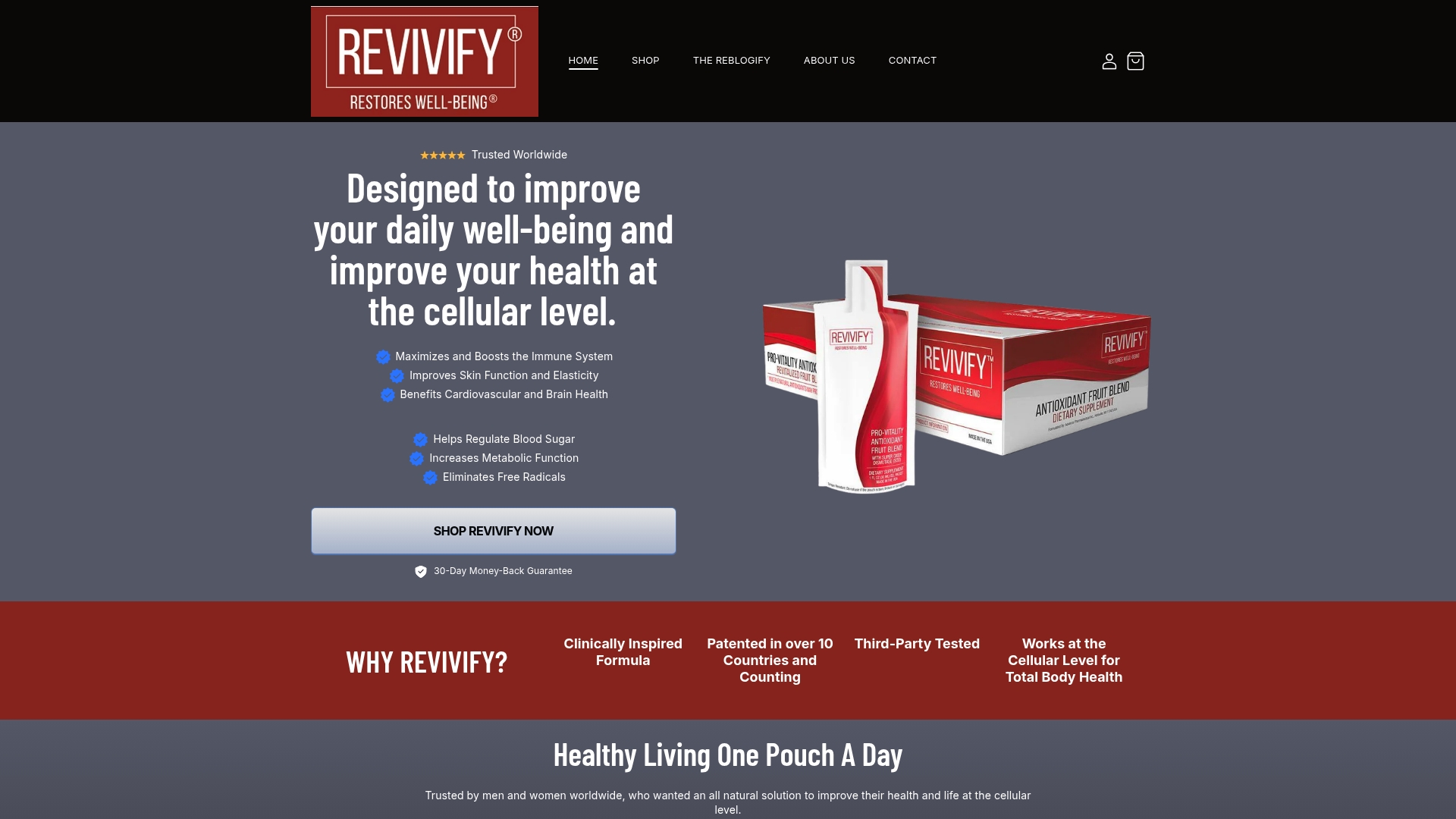
Revivify is a daily gel supplement that combines superoxide dismutase (SOD), prebiotic fiber, polyphenols, and lactobacillus in a patented formula. That combination is not accidental. SOD addresses oxidative stress at the cellular level where vitamins cannot reach. Prebiotic fiber and lactobacillus support the gut microbiome that governs a significant portion of your immune signaling. Polyphenols add anti-inflammatory and antioxidant activity across multiple pathways. The formula is plant-based, third-party tested, and backed by a risk-free guarantee.
The ideal user is an adult with documented or suspected immune deficiency, chronic inflammation, or digestive concerns who wants a daily foundation that covers multiple layers of cellular health — and who is working with a clinician to monitor their progress. Revivify is not a replacement for medical treatment, and we say that plainly.
Consult your clinician about whether Revivify fits your current regimen, then view the full product details and third-party testing information to make an informed decision.
Useful sources and further reading
The claims in this article are grounded in peer-reviewed research and guidance from major health institutions. These sources are worth reading directly.
- NIH Office of Dietary Supplements — Immune Function Fact Sheet: The authoritative nutrient-by-nutrient reference for vitamins and minerals in immune function, written for health professionals.
- Harvard T.H. Chan School of Public Health — Nutrition and Immunity: Balanced expert guidance on what diet and supplements can and cannot do for immune health.
- PMC — Antioxidant Supplements in Immune, Neoplastic, and Neurodegenerative Disorders: The primary mechanistic review for ROS, PUFA vulnerability in immune cells, and intracellular antioxidant systems including SOD and glutathione.
- Cleveland Clinic — Best Vitamins and Minerals for Your Immune System: Clinician-reviewed guidance on vitamin E, selenium, and third-party testing standards.
- MDPI — Immunomodulatory Effects of Non-Nutritive Bioactive Compounds: Covers selenium’s homeostatic role and omega-3 anti-inflammatory mechanisms in randomized trial data.
- VCU Health — Can Vitamins and Supplements Boost Your Immune System?: Practical pharmacist guidance on interactions, safety, and choosing tested products.
- PubMed — Antioxidant Supplement on Immune Health: Randomized Controlled Trial: A randomized trial examining antioxidant-rich supplement effects on immune markers and physical wellbeing in adults.
- PubMed — Physiological Role of Antioxidants in the Immune System: A foundational review of how dietary antioxidants stabilize free radicals and protect immune tissue.