

8–12 Weeks to Test Antioxidants for Diabetic Neuropathy With Clinician
Alpha‑lipoic acid and tocotrienol‑rich vitamin E have the best human evidence among antioxidants for neuropathy, with clinical trials showing modest improvements in pain scores and nerve conduction over a typical trial period of a few weeks. The evidence is real but limited: trials are small, results vary, and no antioxidant is a substitute for glucose control. Anyone with diabetes should loop in their care team before starting one.
TL;DR:
- Alpha-lipoic acid and tocotrienol-rich vitamin E show modest improvements in nerve function and pain within an 8-12 week trial period, though evidence remains limited.
- Glucose control remains crucial, as antioxidants alone cannot replace management of high blood sugar in preventing nerve damage.
- Many antioxidants fail to reach mitochondria or nerve damage sites effectively, explaining inconsistent trial results despite promising lab data.
- Safety considerations include potential blood sugar lowering with ALA and bleeding risks with vitamin E, omega‑3s, and curcumin, requiring medical consultation.
- Clinical outcomes are mainly measured by nerve conduction velocity and subjective pain scores, with larger, longer trials needed for definitive proof.
Table of Contents
- Why Oxidative Stress Sits at the Center of Nerve Damage
- What the Research Says About Antioxidants for Nerve Health
- What Clinical Trials Actually Measure and Why That Matters
- Safety Checks Before You Add Any Antioxidant Supplement
- Building a Safe Trial Plan With Your Clinician
- Food and Daily Habits That Support Nerve Health
- Where Revivify Fits Into the Antioxidant Conversation
- Polyphenols and Natural Compounds Worth Watching
- The Case for Measured Optimism, Not Miracle Claims
- Try Revivify as Daily Antioxidant Support
- Sources
- FAQ
Why Oxidative Stress Sits at the Center of Nerve Damage
Oxidative stress happens when your cells produce more reactive, unstable molecules called free radicals than your body’s natural defenses can neutralize. Think of it as rust forming faster than you can polish it off. In diabetic neuropathy, chronically elevated blood sugar accelerates this process in a specific, well‑documented way.
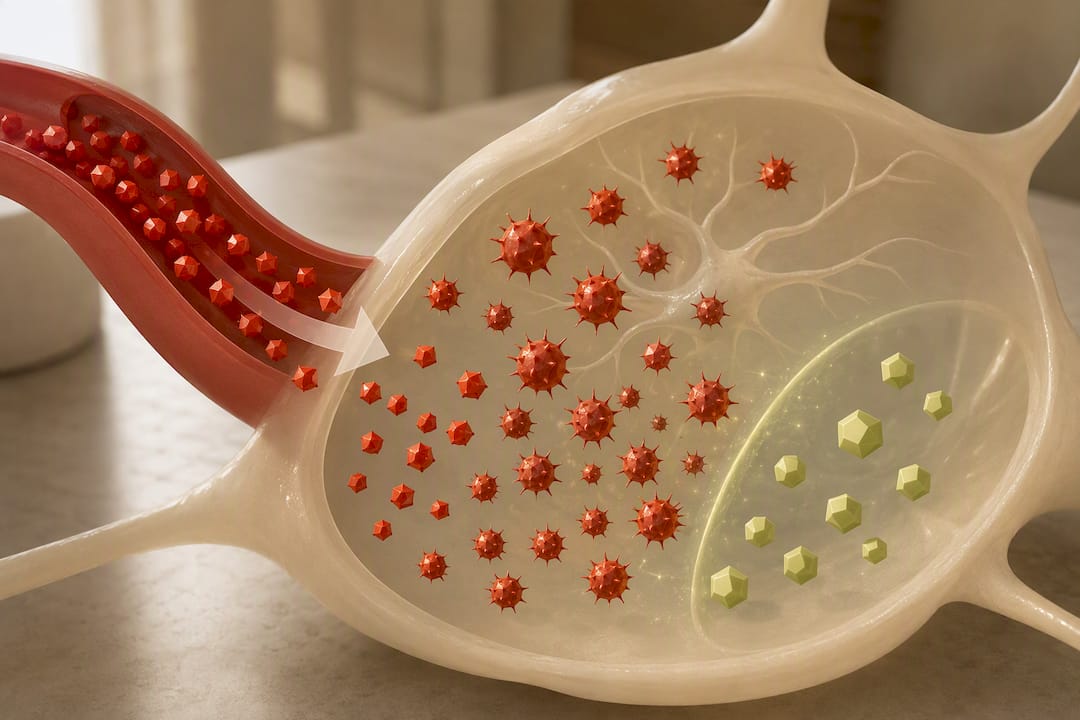
High glucose floods nerve cells with more fuel than their mitochondria can cleanly process, and the leftover byproducts pile up as reactive oxygen species. That excess glucose also drives the formation of advanced glycation end products (AGEs), sticky compounds that damage proteins and blood vessel walls feeding the nerves. The combination starves nerve fibers of oxygen and nutrients while simultaneously poisoning them with oxidative byproducts. Oxidative stress is now considered a central driver of diabetic nerve damage, not just a side effect of high blood sugar.
Researchers studying antioxidant approaches for neuropathy generally target three overlapping pathways:
- Nrf2/ARE activation — switches on your body’s own antioxidant gene program, boosting internal enzyme defenses rather than just mopping up free radicals from the outside.
- NF-κB inhibition — dials down the inflammatory signaling cascade that keeps nerve tissue in a chronic, low-grade state of irritation.
- Mitochondrial ROS reduction — targets the cellular power plants where much of the free-radical damage originates, which matters because standard antioxidants often don’t reach the mitochondria in meaningful concentrations.
That last point explains a lot of the frustration in this field. An antioxidant can look powerful in a test tube and still underperform in a nerve cell, simply because it never gets to where the damage is happening. Free radical activity and blood sugar are tightly linked, which is why glucose control and antioxidant strategy tend to work best as a pair rather than substitutes for one another.
What the Research Says About Antioxidants for Nerve Health
Not every antioxidant marketed for nerve support has been through a real clinical trial. Some have decades of research behind them; others rest almost entirely on cell-culture and rodent studies. Here’s how the major players stack up.
- Alpha‑lipoic acid (ALA). This is the most studied antioxidant for neuropathy, with multiple randomized trials testing doses around 600 mg per day. ALA scavenges free radicals directly, regenerates the body’s own antioxidants like glutathione and vitamin C, and calms inflammatory NF-κB signaling, which gives it more mechanistic firepower than a single-target compound. Some trials report measurable improvement in pain and nerve conduction; others show smaller or no effect, which is why researchers describe the evidence as promising rather than settled.
- Tocotrienol-rich vitamin E (Tocovid). A randomized, double-blind, placebo-controlled trial found that participants taking Tocovid showed improved nerve conduction velocities and higher serum nerve growth factor after eight weeks compared to placebo. That’s a meaningful signal because NGF supports nerve fiber maintenance, and eight weeks is a short enough window to make the result practically useful for anyone weighing a trial period.
- Vitamin B12 (methylcobalamin). B12 helps here almost exclusively when a real deficiency exists, which is common in people on long-term metformin. Lab testing before supplementing matters more with B12 than with almost any other nutrient on this list, since correcting a deficiency produces real nerve benefit while supplementing without one usually does not.
- Acetyl‑L‑carnitine. Evidence supports benefit for certain neuropathy types, including some chemotherapy-induced cases, with doses in published trials often running 1,000 to 3,000 mg daily split across doses.
- N‑acetylcysteine (NAC) and glutathione precursors. The rationale is sound. NAC replenishes glutathione, one of the body’s primary antioxidant molecules, and glutathione depletion is a recognized concern in people with nerve damage. Human trial data specific to neuropathy remains thin.
- Curcumin, quercetin, lycopene, and astaxanthin. These polyphenols and carotenoids show strong preclinical signals and selective early human data, but poor natural bioavailability limits how much actually reaches nerve tissue without an enhanced formulation.
- Omega‑3s, melatonin, and CoQ10. Each has supporting animal data and a plausible mechanism, but none currently has neuropathy-specific human trial evidence strong enough to rank alongside ALA or Tocovid.
The typical trial duration ranges around 8 to 12 weeks, which is often used as a benchmark period to observe symptom changes in neuropathy studies, though results vary between studies.
What Clinical Trials Actually Measure and Why That Matters
Most positive human trials in this space tend to have sample sizes under 100 participants, with treatment durations commonly running for several weeks, which is sufficient to detect symptom changes but not long enough to assess long-term disease progression.
Researchers typically track a handful of specific outcomes:
- Pain scales such as the visual analog scale, which capture subjective symptom relief.
- Nerve conduction velocity, a direct electrical measurement of how well signals travel along the nerve.
- Serum markers like nerve growth factor (NGF) or malondialdehyde (MDA), a byproduct that indicates how much oxidative damage is occurring.
A compound that helps in a petri dish or a rodent model doesn’t automatically help a human nerve, largely because of bioavailability limits and the blood-nerve barrier that keep many promising molecules from reaching therapeutic concentrations where the damage actually lives. That gap between animal and human results is the single biggest reason to stay skeptical of supplement marketing built entirely on preclinical studies.
Pro Tip: Before trusting any neuropathy supplement claim, ask whether it’s backed by a human randomized trial or only by animal and cell studies. That one question filters out most of the noise.
Taken together, the evidence grade for antioxidants in neuropathy is modest. ALA and tocotrienol vitamin E show the most consistent human signal; most other agents remain in “promising but unproven” territory, and none currently qualify as a disease-modifying treatment.
Safety Checks Before You Add Any Antioxidant Supplement
Antioxidants aren’t risk-free just because they’re sold over the counter, especially for someone already managing diabetes or taking other medications. A few interaction points deserve real attention.
- ALA can lower blood glucose. Anyone on insulin or sulfonylureas should coordinate with their diabetes care team and check glucose more frequently when starting, since the combined effect can push levels lower than expected.
- Vitamin E, omega‑3s, and curcumin all carry bleeding risk. Each can amplify the effect of anticoagulants or antiplatelet drugs, so anyone on warfarin, aspirin therapy, or similar medication should have their INR checked after starting.
- High-dose B12 warrants a second look for metformin users. Long-term metformin use already raises absorption risk, so testing levels before and during supplementation avoids guessing.
- Liver function matters when stacking multiple supplements. The more compounds you’re taking simultaneously, the harder it becomes to isolate which one, if any, is causing a lab abnormality. Choosing third-party tested products reduces at least one variable.
- Stop and call your clinician if you notice unusual bruising, new gastrointestinal symptoms, or unexplained blood sugar swings. Those are signals worth acting on immediately rather than waiting out.
Building a Safe Trial Plan With Your Clinician
A structured approach beats guessing, and it mirrors roughly what clinical trials themselves do. Consider bringing this framework to your next appointment.
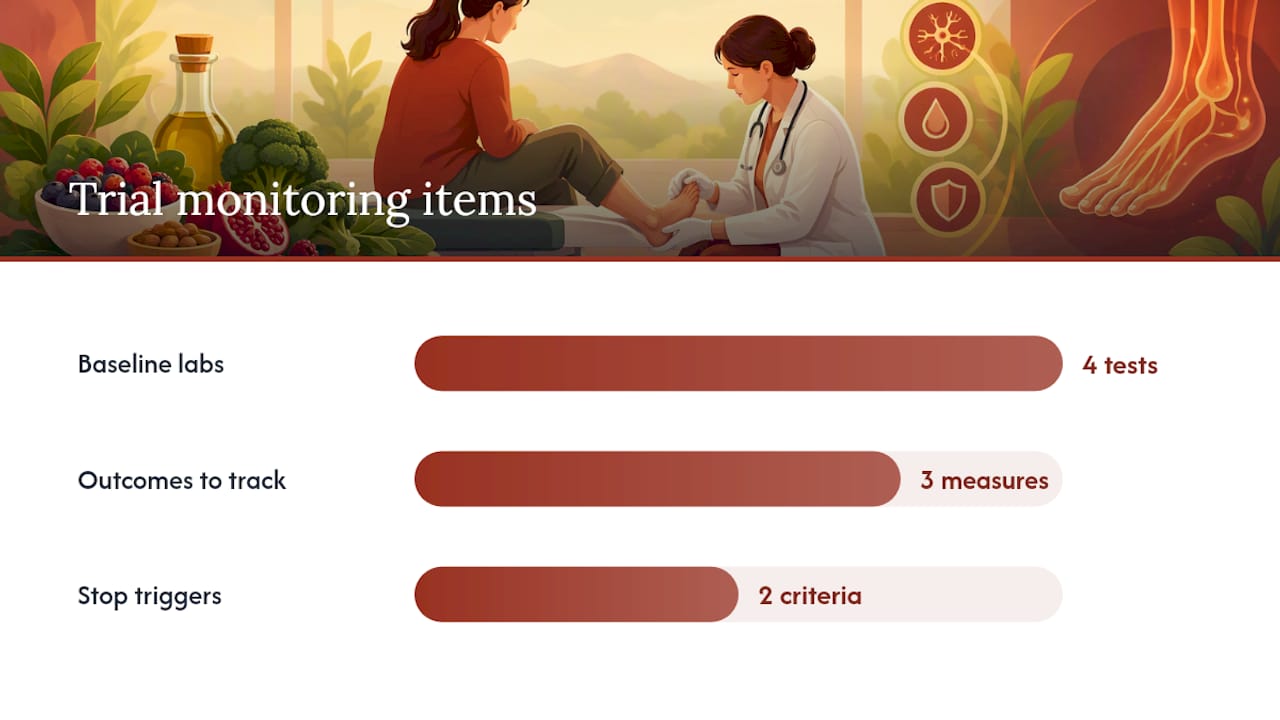
- Get baseline labs first. A1c, B12 levels, liver function tests, and INR (if you’re on an anticoagulant) give you and your clinician a real starting point instead of a hunch.
- Pick a defined trial window. Most published trials run 8 to 12 weeks at doses like ALA 600 mg per day, and that timeline is worth adopting as a discussion point with your clinician rather than a fixed prescription.
- Track outcomes that actually mean something. A simple pain scale, sleep quality notes, and any changes in numbness or tingling give you concrete data instead of a vague impression of “feeling better.”
- Watch for hypoglycemia symptoms if you’re on ALA and diabetes medication together. Lightheadedness, sweating, or shakiness during the trial period should prompt a glucose check.
- Know your stop criteria in advance. If nothing changes after 12 weeks, or if any concerning lab or symptom shows up sooner, that’s the signal to reassess rather than push through.
Pro Tip: Keep a simple weekly log rather than a daily one. Neuropathy symptoms fluctuate enough day to day that weekly averages give a clearer signal than trying to interpret noise.
Supplements work best layered onto, not swapped in for, whatever evidence-based medical treatment your clinician has already prescribed.
Food and Daily Habits That Support Nerve Health
Diet often does more heavy lifting than any single capsule. Whole foods bring antioxidants bundled with fiber, minerals, and other cofactors that isolated supplements can’t replicate.
- Berries, leafy greens, and colorful vegetables supply a broad spectrum of polyphenols rather than one isolated compound.
- Tomatoes and other lycopene-rich foods, along with fatty fish for EPA and DHA, add anti-inflammatory support that complements antioxidant intake.
- Nuts and seeds contribute vitamin E in its natural food matrix, which the body handles differently than an isolated supplement dose.
- Steady glycemic control, regular movement, quitting smoking, and consistent sleep all lower the baseline oxidative load your nerves are dealing with every day.
A stable blood sugar pattern often matters more for long-term nerve health than any single supplement choice, which is worth remembering before spending money on a stack of pills.
Where Revivify Fits Into the Antioxidant Conversation
At Tryrevivify, we built our formula around a different angle on cellular defense: superoxide dismutase (SOD), an enzyme your body already produces to neutralize free radicals, paired with prebiotic fiber to support the gut environment that influences inflammation throughout the body. Think of SOD as the first runner in a relay team, the enzyme that catches the most reactive free radicals before they can do damage further down the line.
We’re not claiming REVIVIFY® treats neuropathy, and no responsible supplement company should make that claim. What we can say is that oxidative stress patterns in diabetes and inflammatory cellular damage are well documented in the research, and supporting your body’s baseline antioxidant capacity is a reasonable piece of a broader strategy. Talk with your clinician before adding any new supplement, especially if you’re managing diabetes or nerve symptoms already.
Polyphenols and Natural Compounds Worth Watching
Curcumin, the active compound in turmeric, has some of the strongest mechanistic data among plant-based antioxidants studied for neuropathy. Preclinical research shows curcumin modulates the same Nrf2 and NF-κB pathways that ALA and tocotrienol vitamin E target, giving it a plausible route to reducing both oxidative damage and inflammatory signaling in nerve tissue. The catch is bioavailability: standard curcumin absorbs poorly, which is why most human trials use enhanced formulations with piperine or lipid carriers rather than plain turmeric powder.
Quercetin, found concentrated in onions, apples, and capers, shows similar preclinical promise for reducing nerve inflammation, though human trial data specific to neuropathy remains sparse compared to ALA.
Lycopene, the carotenoid that gives tomatoes their color, has demonstrated nerve-protective effects in animal models of diabetic neuropathy, working partly through mitochondrial protection. Astaxanthin, a marine carotenoid found in algae and salmon, shows some of the strongest antioxidant potency by laboratory measures of any compound on this list, though it shares the same limitation as curcumin and lycopene: promising mechanism, thin human evidence.
None of these compounds currently has a randomized trial in neuropathy patients as robust as the Tocovid study. They’re worth discussing with a clinician as a complementary layer, not a primary strategy.
The Case for Measured Optimism, Not Miracle Claims
The honest read on this evidence is that ALA and tocotrienol vitamin E deserve real consideration, correcting an actual B12 deficiency helps when one exists, and everything else remains a reasonable bet rather than a proven fix. Trial an agent with monitoring, track real outcomes, and keep glucose control at the center. Larger, longer trials would settle a lot of open questions this field still has.
— Larry
Try Revivify as Daily Antioxidant Support
If you’re weighing ALA, tocotrienol vitamin E, or a polyphenol stack against your daily routine, REVIVIFY® offers a different kind of daily foundation: a patented formula combining superoxide dismutase, prebiotic fiber, polyphenols, and lactobacillus, built to support your body’s baseline antioxidant defenses at the cellular level rather than target one narrow symptom.
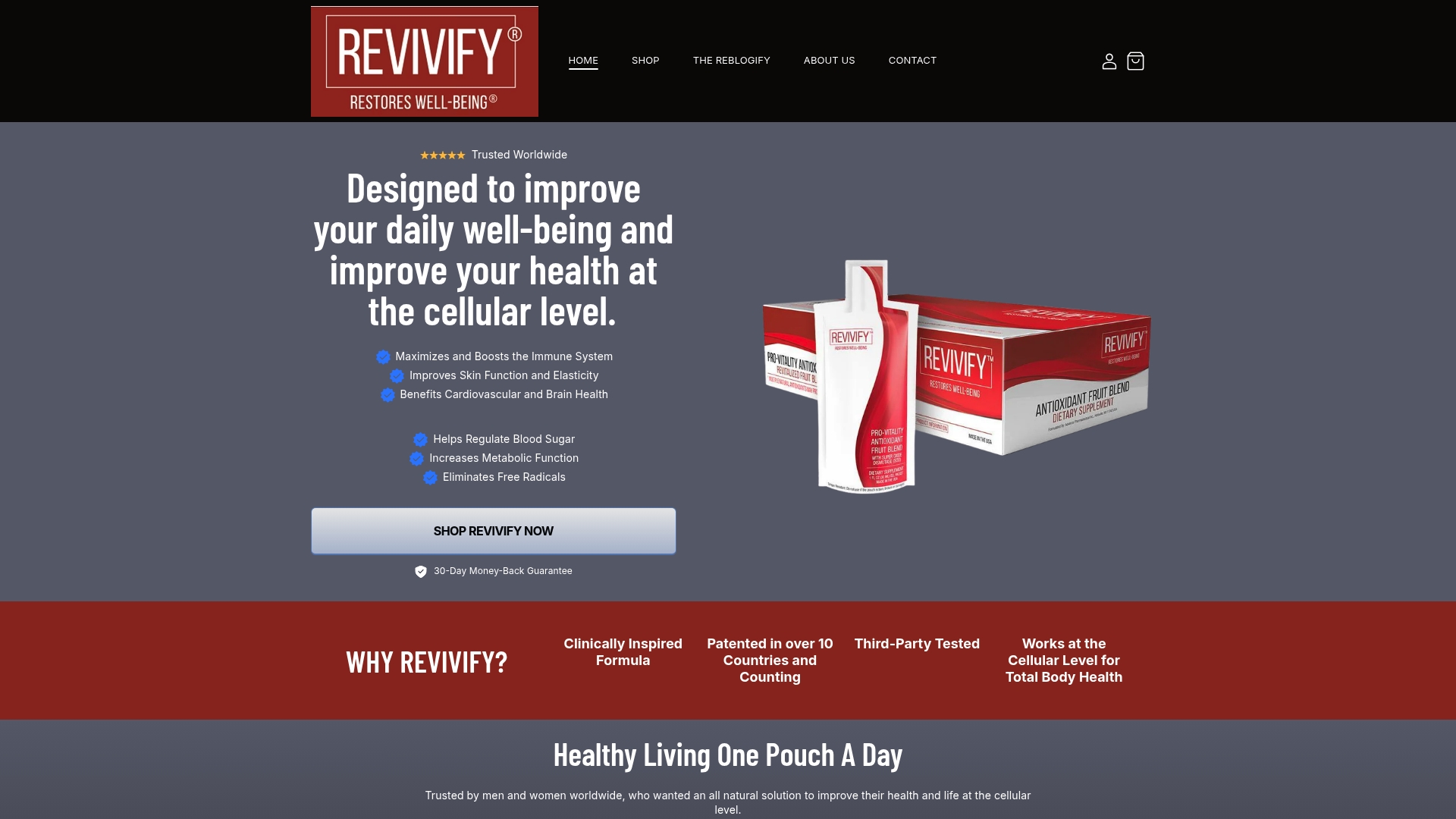
REVIVIFY® is positioned as adjunctive daily support, not a replacement for the neuropathy-specific agents covered above or for medical treatment your clinician has prescribed. It is described as third-party tested, plant-based, and available for purchase with additional purchase options and a satisfaction guarantee. If you want a daily antioxidant habit that supports overall cellular health while you and your clinician evaluate targeted options like ALA or vitamin E, check out the REVIVIFY® 30-Day Supply and read through the label details before your next appointment so you can ask informed questions.
FAQ
Can nerve damage from neuropathy actually heal?
Some nerve damage can improve, especially when the underlying cause, like poor blood sugar control or a vitamin deficiency, gets corrected early. Severe or long-standing nerve damage often only partially recovers, which is why addressing oxidative stress and glucose control early matters so much.
What do practitioners of Chinese medicine use for neuropathy?
Traditional Chinese medicine commonly uses acupuncture and herbal formulas for neuropathy symptoms, often aimed at improving circulation and reducing pain signals. Evidence for these approaches varies widely by study design, so anyone considering them should discuss it alongside, not instead of, standard medical care.
What makes peripheral neuropathy worse?
Uncontrolled blood sugar is the biggest driver of progression in diabetic neuropathy, since persistent hyperglycemia keeps generating oxidative stress and inflammation in nerve tissue. Smoking, excessive alcohol use, certain medications, and untreated vitamin deficiencies can also accelerate symptoms.
Is there a cure for neuropathy?
There’s no universal cure, but symptoms and progression can often be managed and sometimes improved. Alpha‑lipoic acid and tocotrienol vitamin E have shown measurable benefit in clinical trials, and correcting reversible causes like B12 deficiency can meaningfully improve outcomes even without a full cure.
How long should I trial an antioxidant before deciding if it’s working?
Most clinical trials use an 8 to 12 week window before measuring meaningful change in pain scores or nerve conduction. That timeline is a reasonable starting point to discuss with your clinician rather than expecting results within days.