

Antioxidants for Skin: What Actually Works, Backed by Science
Yes, antioxidants for skin work. They protect against oxidative damage, and when used correctly, meaning topical application for targeted repair and dietary or systemic support in the background, they can improve hydration, calm inflammation, and slow visible photoaging. The strongest approach pairs both: a topical routine that reaches the epidermis directly, and systemic support that addresses oxidative burden at the cellular level throughout the body.
Not every antioxidant deserves equal real estate on your shelf. These carry the most clinical weight right now:
- Vitamin C — brightens, supports collagen, boosts sunscreen’s photoprotection
- Niacinamide — strengthens the barrier, calms redness, tolerated by nearly everyone
- Vitamin E — stabilizes vitamin C, adds moisture, works best in combination
- Retinoids (vitamin A) — the closest thing to proven for wrinkle reduction, night use only
- Ferulic acid — a stabilizer that makes vitamin C actually work in the bottle
- Resveratrol — a polyphenol antioxidant with promising anti-inflammatory data
- Green tea (EGCG) — calming, useful for reactive or acne-prone skin
- CoQ10 — supports cellular energy production in aging skin
Most people notice hydration and texture changes within 8 to 16 weeks of consistent use, not days. Antioxidants also don’t replace sunscreen; they work alongside it.
Key Takeaways
Antioxidants protect skin from oxidative damage and improve hydration and barrier function most reliably when topical use and systemic support work together over a sustained period.
| Point | Details |
|---|---|
| Focus on proven actives first | Prioritize vitamin C, niacinamide, and retinoids before experimenting with less-studied antioxidants. |
| Pair vitamin C with stabilizers | Combine with vitamin E and ferulic acid to prevent degradation and boost photoprotection. |
| Respect the timeline | Expect measurable hydration and barrier changes after 8 to 16 weeks of consistent use, not days. |
| Antioxidants supplement sunscreen, not replace it | Layer antioxidant serums under SPF each morning for additive photoprotection. |
| Consider systemic support for chronic oxidative burden | Tryrevivify’s daily supplement pairs superoxide dismutase and polyphenols to address oxidative stress body-wide, complementing a topical routine. |
Table of Contents
- What Antioxidants Do for Skin Health
- Top Antioxidants to Look For and When to Use Each
- Topical vs. Oral Antioxidants: Which Should You Choose?
- How to Build an Antioxidant Skincare Routine
- Safety, Side Effects, and Who Should Be Cautious
- What the Evidence Actually Shows and How Long Results Take
- Why Systemic Support Deserves More Credit Than It Gets
- Consider Daily Systemic Support Alongside Your Routine
- Sources
What Antioxidants Do for Skin Health
Your skin takes a daily beating from ultraviolet light, pollution, and normal metabolic activity, all of which generate reactive oxygen species (ROS): unstable molecules that steal electrons from healthy cells and set off a cascade of damage. Think of ROS as sparks flying off a grinder. A few sparks are harmless. A constant shower of them, day after day, eventually scorches the surrounding material. That’s oxidative stress, and it’s the mechanism behind a huge share of what we call “aging skin.”
Antioxidants work by donating an electron to neutralize these unstable molecules before they damage collagen, DNA, or cell membranes. This isn’t a cosmetic trick. It’s basic chemistry applied to a biological problem, and it’s why a comprehensive review of oxidative mechanisms in dermatology treats antioxidant defense as central to how skin ages and heals.
The visible payoffs show up in a few specific places. Photoprotection is the clearest one: antioxidants help limit the damage ultraviolet exposure does to collagen fibers, which is a major driver of fine lines and sagging. Pigment irregularities respond too, since oxidative stress contributes to uneven melanin production. Hydration and barrier function improve when oxidative stress is reduced, because a stressed skin barrier leaks water faster than a calm one.
A meta-analysis of 94 preclinical and clinical studies found that antioxidant-rich whole foods or supplements increased skin hydration by a mean difference of 2.12 and decreased transepidermal water loss (TEWL) by a mean difference of 0.68, according to the systematic review published in Antioxidants. Those aren’t dramatic numbers on paper, but in skin physiology, consistent reductions in water loss translate to a barrier that’s measurably more resilient.
Here’s where the evidence gets nuanced. Vitamin C and niacinamide have solid clinical backing for specific outcomes like brightening and barrier support. Retinoids have some of the strongest data of any topical for wrinkle reduction. But claims like “detoxifies skin” or “reverses aging” outrun what the research supports. The same NIH-published review that documents antioxidant benefits also flags that evidence quality varies significantly by compound, and that excess antioxidant exposure, particularly at high supplement doses, can backfire rather than help. If your oxidative burden runs chronically high (something free radical exposure from pollution and stress can drive), skin symptoms are often just the visible tip of a larger internal issue.
Top Antioxidants to Look For and When to Use Each
Not all antioxidants behave the same way on skin, and knowing which one solves your specific problem saves you money and irritation. Here’s how the major players break down.
Vitamin C (L-ascorbic acid) is the most abundant antioxidant naturally found in human skin, which makes it a logical topical choice rather than an arbitrary trend. It brightens uneven tone, supports collagen synthesis, and adds a real photoprotective boost when layered under sunscreen. The catch: L-ascorbic acid is notoriously unstable and degrades quickly when exposed to light, air, or the wrong pH. It works best combined with vitamin E and ferulic acid, a trio Harvard Health has highlighted for both stability and photoprotective synergy. Sensitive skin sometimes reacts to lower pH formulas, so patch-test first.
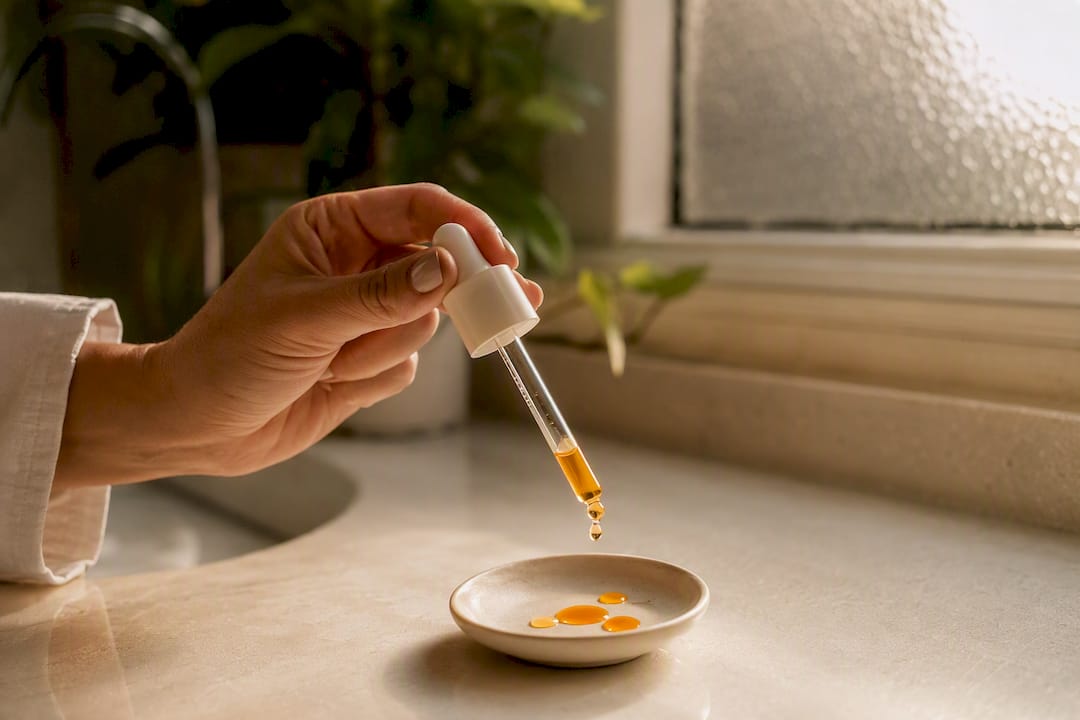
Vitamin E (tocopherol) rarely works alone. Its real value is stabilizing vitamin C and adding moisture through its lipid-soluble structure, which lets it sit within the skin’s natural oils rather than just on the surface. It suits dry or mature skin especially well and carries minimal irritation risk.
Ferulic acid doesn’t get much attention on its own, but it’s the reason a lot of vitamin C serums actually perform as advertised. It stabilizes vitamin C and vitamin E, extending shelf life and enhancing the antioxidant punch of the combination. If you’re buying a vitamin C serum, check the ingredient list for ferulic acid before you check the price.
Niacinamide (vitamin B3) has become a skincare staple for good reason. It strengthens the skin barrier, reduces redness and blotchiness, minimizes the look of pores, and, unlike many actives, plays well with almost everything else. It’s one of the few actives dermatologists recommend without much hesitation for reactive or acne-prone skin.
Retinoids (vitamin A derivatives) carry the strongest clinical track record of any topical antioxidant category for wrinkle reduction and cell turnover. Over-the-counter retinol works gradually; prescription tretinoin works faster but with more irritation. Retinoids are night-only, since sunlight degrades them and increases photosensitivity. They are not appropriate during pregnancy or lactation, a caution that applies regardless of which retinoid strength you’re using.
Resveratrol, a polyphenol found in grapes and red wine, shows promising anti-inflammatory and antioxidant activity in early research. It pairs reasonably well with vitamin C formulations and tends to suit reactive skin types, though the clinical evidence base is thinner than for vitamin C or niacinamide.
Green tea extract (EGCG) brings a calming, anti-inflammatory profile that makes it a smart pick for acne-prone or easily irritated skin. It’s gentler than many actives on this list, which is exactly why it’s often layered into sensitive-skin formulations rather than used as a standalone treatment.
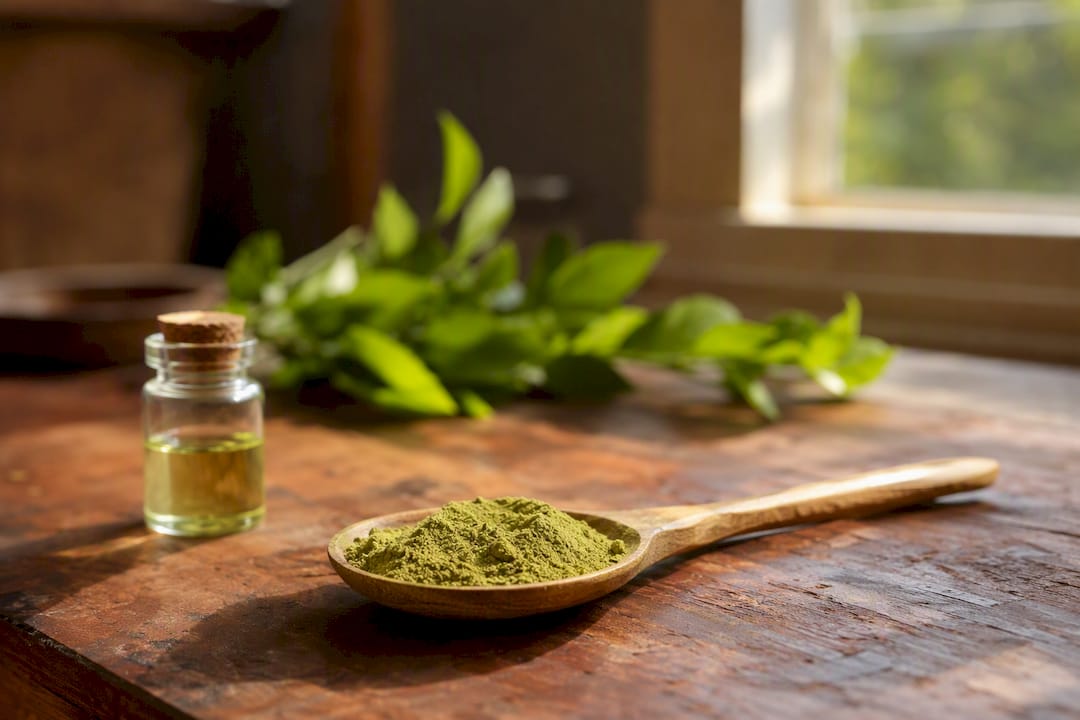
Coenzyme Q10 (CoQ10) supports the mitochondria, the energy-producing structures inside skin cells, and its levels naturally decline with age. Topical CoQ10 is aimed more at long-term cellular resilience than a fast cosmetic fix, so think of it as a maintenance ingredient rather than a spot treatment.
Bakuchiol has emerged as a plant-derived alternative to retinol for people who can’t tolerate retinoid irritation or who are pregnant and need to avoid retinoids entirely. It offers a milder side-effect profile with comparable, though not identical, benefits for texture and fine lines.
Topical vs. Oral Antioxidants: Which Should You Choose?
Topical antioxidants win on concentration where you need it most: the epidermis. Only a small fraction of what you eat or swallow as a supplement actually reaches skin tissue at a meaningful concentration, since the body routes most dietary antioxidants toward broader metabolic and organ functions first. That’s not a knock against oral intake. It’s just a different job.
Oral and dietary antioxidants support the body’s overall oxidative load, the cumulative stress your cells deal with from pollution, poor sleep, inflammation, and metabolic activity. That systemic burden shows up in skin eventually, but it starts elsewhere. This is where the meta-analysis of 94 studies becomes genuinely useful: it found that antioxidant-rich whole foods or supplements measurably improved skin hydration and reduced water loss, with the size of the benefit varying by antioxidant type, dose, and how long people stuck with it.
| Factor | Topical Application | Oral/Dietary Intake |
|---|---|---|
| Concentration at skin | High, localized | Lower, systemic |
| Best for | Targeted concerns (pigment, texture, fine lines) | Chronic oxidative burden, whole-body support |
| Evidence strength | Strong for vitamin C, retinoids | Growing, varies by antioxidant type |
| Typical timeline | Weeks to months | Weeks to months, cumulative |
Choose topical when you have a specific visible concern, like dullness or early fine lines, that you want to address directly. Choose oral or dietary support when your goal is reducing the overall oxidative load driving inflammation throughout the body, not just what shows up on your face. Most dermatology-aligned guidance treats these as complementary rather than competing, and the research backs that framing: skin health tracks both what you apply and what’s happening at the cellular level system-wide.
Pro Tip: If your skin issues seem tied to broader inflammation, fatigue, or digestive symptoms rather than isolated cosmetic complaints, that’s a signal to look at systemic oxidative stress, not just your skincare shelf. Topical serums can’t fix a whole-body issue.
How to Build an Antioxidant Skincare Routine
Order and timing matter almost as much as which products you pick. Get this wrong and you either waste money on ingredients that cancel each other out or irritate your skin trying to do too much at once.
- Morning: antioxidant serum, then moisturizer, then sunscreen. Vitamin C belongs in the AM routine because it enhances your sunscreen’s photoprotective effect rather than replacing it. Antioxidants are not a substitute for SPF; they work alongside it.
- Evening: retinoids and other night-only actives. Retinoids degrade in sunlight and increase photosensitivity, so they belong exclusively in your PM routine, applied after cleansing on dry skin.
- Introduce one new active at a time, waiting at least a week before adding another, and patch-test on your inner forearm for 48 hours before applying anything new to your face.
- Ramp up frequency gradually, especially with retinoids: two to three nights a week initially, increasing as tolerance builds.
Niacinamide is the exception to most layering anxieties. It’s broadly compatible with nearly every other active, including vitamin C, despite older myths claiming otherwise.
Brightening routine example: Vitamin C serum in the morning under moisturizer and sunscreen; niacinamide serum at night, followed by a basic moisturizer.
Anti-aging routine example: Vitamin C and ferulic acid combination serum in the morning under sunscreen; retinol at night, two to three times weekly, building to nightly use.
Pro Tip: If your skin turns pink or feels tight after introducing an antioxidant, don’t stack another new active on top to “fix” it. Strip back to a basic cleanser and moisturizer for a few days, then reintroduce one product at a time.
Safety, Side Effects, and Who Should Be Cautious
Most antioxidant skincare is low-risk, but “natural” and “antioxidant” don’t automatically mean risk-free.
- Irritation shows up most often with retinoids and high-concentration vitamin C, typically as redness, dryness, or peeling. Reduce frequency or switch to a lower concentration if this happens, and stop entirely if irritation persists beyond a week or two.
- Photosensitivity is a real concern with retinoids specifically. Strict sunscreen use isn’t optional during retinoid treatment.
- Pregnancy and lactation rule out retinoids entirely due to documented risks; bakuchiol is a commonly recommended alternative for people in this situation who still want retinol-like benefits.
- High-dose oral antioxidant supplements deserve more scrutiny than most people give them. A dermatology review notes that antioxidants can be a double-edged sword: helpful in normal ranges, potentially counterproductive at excessive doses, and the effect varies by compound and delivery method.
- Drug and treatment interactions matter most for people undergoing chemotherapy or immunotherapy, where certain antioxidant supplements can interfere with treatment efficacy. Anyone in active cancer treatment should review supplement use with their oncology team before starting anything new, and this patient guide on supplement interactions during immunotherapy is a useful starting point for that conversation.
When in doubt about a specific combination or a preexisting condition, a quick check with a dermatologist or physician costs far less than months of irritated skin or a treatment complication.
What the Evidence Actually Shows and How Long Results Take
Patience matters more than most skincare marketing admits. The meta-analysis of 94 clinical and preclinical studies found skin hydration improved and TEWL dropped with antioxidant-rich interventions, but those changes accumulated over trial periods, not overnight.
Most trials showing measurable hydration and barrier improvements ran somewhere in the 8 to 16 week range, with cosmetic outcomes like wrinkle reduction typically requiring even longer to become visible. That timeline lines up with how skin cell turnover actually works: you’re not seeing an instant chemical reaction, you’re seeing the cumulative result of consistent behavior over multiple skin cycles.
The heterogeneity across these studies is worth acknowledging honestly. Results varied by antioxidant type, dosage, formulation, and individual factors like age and baseline skin condition. That’s not a reason to dismiss the data. It’s a reason to set expectations correctly: consistent use for two to four months, not two to four days, is what the evidence actually supports.
Why Systemic Support Deserves More Credit Than It Gets
Most skincare conversations treat antioxidants as a topical-only problem, and that’s a mistake I think the industry keeps making. If your skin is dealing with a chronic oxidative burden driven by inflammation, poor sleep, or metabolic stress elsewhere in the body, a serum is treating a symptom while the underlying cause keeps generating new damage every day.
This is where systemic antioxidant support earns its place alongside a topical routine rather than as a replacement for one. Enzymatic defenses like superoxide dismutase work at the cellular level, addressing oxidative stress before it ever reaches the surface where a serum would need to intervene. Reading about how oxidative stress triggers inflammation at the cellular level makes the case better than any product claim could: skin is often the last place oxidative damage shows up, not the first.
Revivify’s approach to daily antioxidant enzyme support is worth exploring if you want to understand how that systemic layer works. Explore the science behind antioxidant enzyme support for a deeper look.
— Larry
Consider Daily Systemic Support Alongside Your Routine
A great serum can only do so much when the oxidative pressure driving your skin concerns starts well below the surface. Tryrevivify takes a different angle: instead of applying antioxidants topically where they act locally, its daily gel supplement combines superoxide dismutase, prebiotic fiber, polyphenols, and lactobacillus to reduce oxidative stress and inflammation throughout the body, the same systemic burden that eventually shows up as dull, reactive, or aging skin.
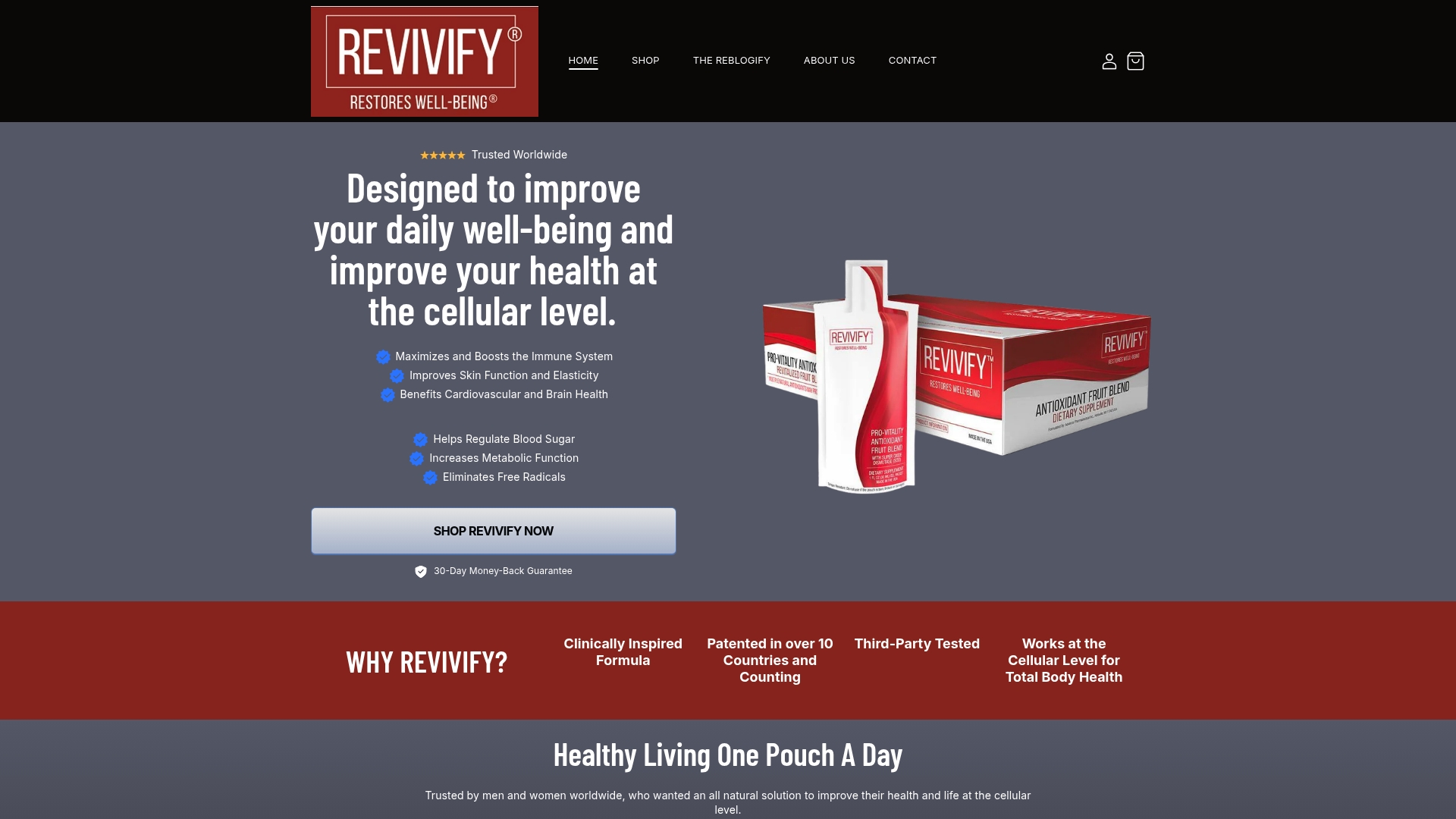
The formula is third-party tested, plant-based, and backed by a risk-free guarantee, with subscription options if you want ongoing systemic support without reordering manually each month. If your topical routine feels like it’s working against a bigger internal problem, pairing it with daily systemic antioxidant support is a logical next step. Check out Revivify’s supplement formula to see if it fits into your routine.
Sources
- Impact of Antioxidant-Rich Whole Foods or Supplements on Skin Health: A Systematic Review and Meta-Analysis of Preclinical and Clinical Studies
- Antioxidants in dermatology - PMC - NIH
- Why is topical vitamin C important for skin health? — Harvard Health Blog