

Antioxidants for Wrinkles: What Works in 8–12 Weeks
Antioxidants do help prevent wrinkles and can modestly reduce existing ones, but they work best as support, not the main event. Topical vitamin C and niacinamide have the strongest human evidence, while oral options like synbiotic blends, astaxanthin, and resveratrol show real but smaller effects in clinical trials. Sunscreen and retinoids remain your primary defense. Expect visible change over weeks to months, not days.
TL;DR:
- Topical vitamin C and niacinamide have the strongest evidence for supporting skin elasticity and reducing wrinkles, but results still take at least 8 to 12 weeks to appear.
- An oral antioxidant synbiotic supplement can modestly lower wrinkle severity by around 5% after 8 weeks, with improvements in cheek firmness and elasticity.
- Vitamin C formulations should be stored in opaque, airless packaging and applied in the morning before sunscreen for optimal effectiveness.
- Overwhelmed by sun exposure and environmental stress, skin relies heavily on antioxidants to neutralize UVA-induced reactive molecules that degrade collagen.
- Combining proven topical ingredients with consistent sun protection and dietary antioxidants offers the most reliable approach to wrinkle prevention and reduction.
Table of Contents
- What the Research Actually Shows About Antioxidants and Wrinkles
- How Oxidative Stress Actually Turns Into a Wrinkle
- Which Topical Antioxidants Are Worth Your Money
- What Oral Antioxidant Supplements Can Realistically Do
- Building a Daily Antioxidant Routine That Actually Works
- Where Antioxidants Fall Short and What to Watch For
- Where This Article’s Claims Come From
- The Gap Between What Gets Marketed and What’s Proven
- How Revivify Fits Into an Antioxidant-Focused Routine
- Sources
- FAQ
What the Research Actually Shows About Antioxidants and Wrinkles
Most of what you read about antioxidants and skin aging is extrapolated from cell studies or animal models. That’s not useless information, but it’s a different tier of evidence than a controlled trial on human skin. So let’s separate what’s been tested on actual faces from what’s still theoretical.
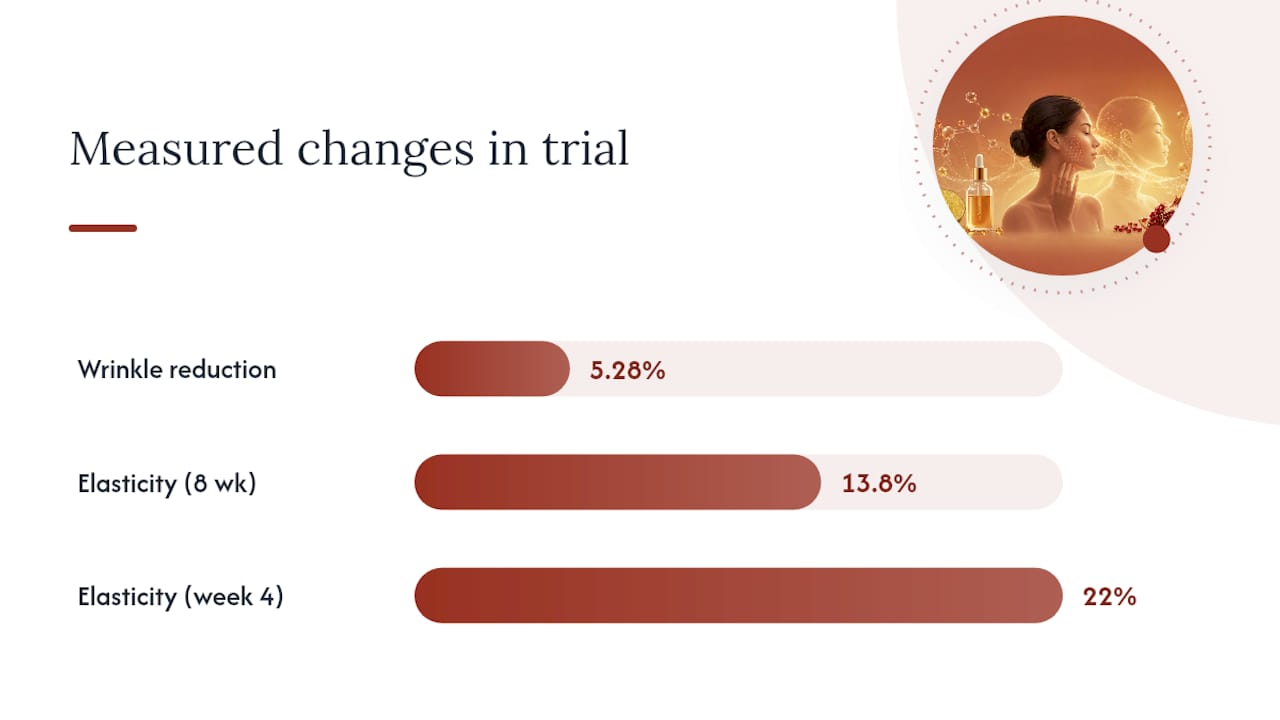
The most rigorous recent data point comes from a randomized, double-blind, placebo-controlled trial testing an oral antioxidant-rich synbiotic supplement. After 8 weeks, the treatment group showed a 5.28% reduction in wrinkle severity compared to placebo, alongside a 13.8% improvement in cheek elasticity at that same checkpoint (elasticity had jumped 22% by week 4, then settled). Those aren’t dramatic transformations, but they’re statistically real changes measured with instruments, not just participants’ self-reports.
On the topical side, the best-studied ingredient by far is L-ascorbic acid, the active form of vitamin C. Formulations built around roughly 10% concentration reduce UVB-induced erythema, the skin reddening that signals acute UV damage, and when paired with vitamin E and ferulic acid, the photoprotective effect gets measurably stronger. This combination shows up so often in dermatology literature that it has its own shorthand: the C+E+ferulic stack.
Where the evidence is strongest:
- Vitamin C (L-ascorbic acid) at clinical concentrations for photoprotection and collagen support
- Niacinamide for barrier function and pigmentation, with a solid human-trial track record
- Ferulic acid as a stabilizer that boosts vitamin C and E’s combined effect rather than acting alone
- The oral synbiotic formulation tested in the 2026 trial, for systemic elasticity and firmness gains
Beyond that core group, the data thins out fast. A small pilot study on resveratrol, grape seed extract, L-carnosine, and Curcuma longa found significant reductions in small and medium wrinkle measurements after 12 weeks, but the sample was small and the design was a pilot, not a large confirmatory trial. Carotenoids and certain polyphenol blends have positive signals too, but mostly from studies with modest enrollment.
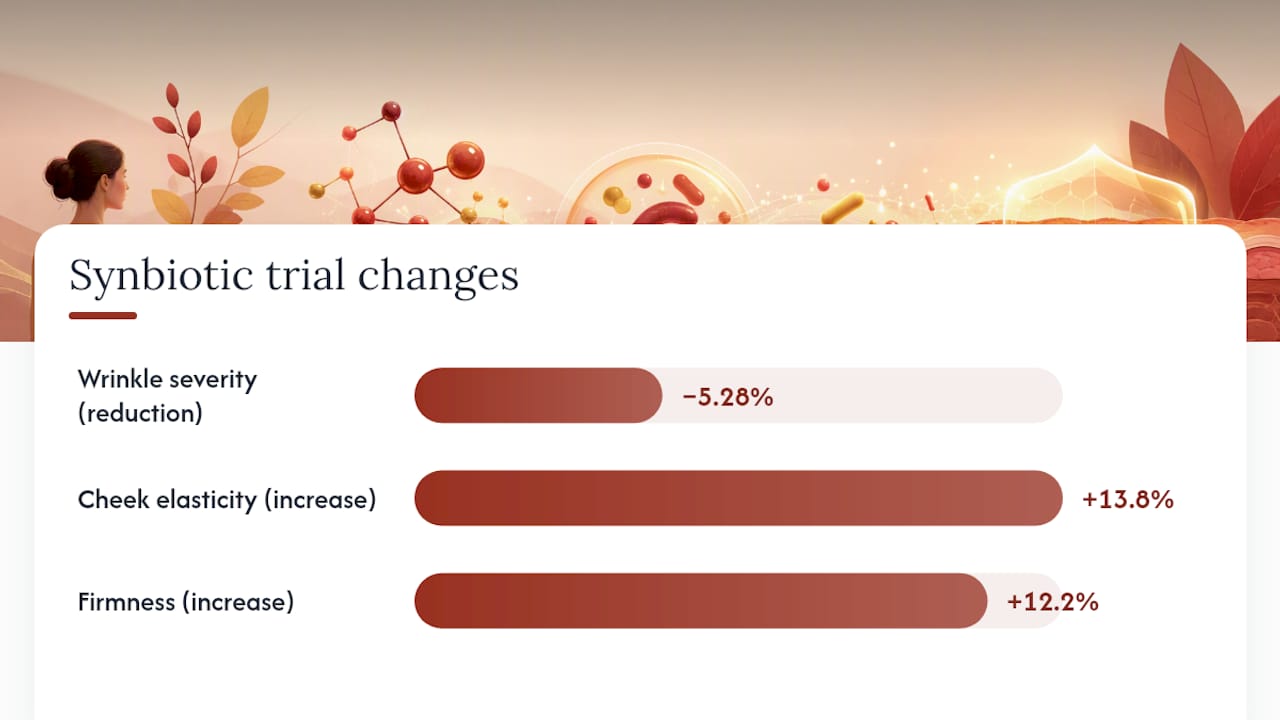
By the Numbers: A placebo-controlled trial found an oral antioxidant synbiotic reduced wrinkle severity by 5.28% and boosted cheek firmness by 12.2%, both after just 8 weeks.
Reviews synthesizing decades of skin-aging research consistently name the same short list of high-value antioxidants: vitamins C and E, coenzyme Q10, carotenoids, and polyphenols like those found in green tea. What’s notable is how consistently vitamin C and niacinamide outrank the trendier botanical extracts you’ll see marketed on serum labels. One evidence-grading summary of skincare actives puts vitamin C and niacinamide in its top tier, while ferulic acid and green tea extract land a notch below, still useful, just less independently proven.
The honest caveat here: most trials run 8 to 12 weeks with a few dozen to a couple of hundred participants. That’s enough to detect real effects, but it’s not the scale of a cardiovascular drug trial. Formulation differences between studies (concentration, delivery vehicle, participant skin type) also mean results don’t always generalize cleanly from one product to another.
How Oxidative Stress Actually Turns Into a Wrinkle
Skin aging isn’t one process. It’s intrinsic aging (the slow cellular clock that runs regardless of what you do) layered on top of extrinsic aging, which is almost entirely driven by sun exposure and environmental stress. The extrinsic piece is where antioxidants earn their keep, and understanding the mechanism helps explain why some products work and others are mostly marketing.
Ultraviolet light splits into two relevant bands. UVB is the shorter-wavelength ray that causes sunburn and direct DNA damage near the skin’s surface. UVA penetrates deeper, reaching the dermis where collagen and elastin live, and it does most of its damage by generating reactive oxygen species, unstable molecules commonly called free radicals. Pollution and normal cellular metabolism generate ROS too, but UVA is the biggest external contributor to what dermatologists call photoaging.
Here’s the chain reaction that matters: ROS accumulation triggers inflammatory signaling, which activates enzymes called matrix metalloproteinases, or MMPs. These enzymes break down collagen and elastin, the structural proteins that keep skin firm and smooth. Break them down faster than the body rebuilds them, and you get the visible result: fine lines, loss of elasticity, and eventually deeper wrinkles. A comprehensive mechanistic review lays out this ROS to MMP to collagen degradation pathway as the central driver of photoaging.
Your body isn’t defenseless against this. Skin cells produce their own enzymatic antioxidants, including superoxide dismutase (SOD), catalase, and glutathione. Think of SOD as the first runner in a relay team: it’s the enzyme that catches the most reactive, most damaging free radical (superoxide) first and converts it into a less dangerous molecule before it can do serious harm. Catalase and glutathione pick up the baton from there, neutralizing what’s left.
The antioxidant defense system breaks down into two categories:
- Endogenous (made by your body): SOD, catalase, glutathione peroxidase, all enzymatic and produced internally
- Exogenous (from diet or topical application): Vitamin C, vitamin E, coenzyme Q10, carotenoids, polyphenols
The problem is that both systems get overwhelmed with age and cumulative sun exposure. Endogenous enzyme production slows down, and this is exactly where exogenous antioxidants, whether from food, supplements, or serums, step in to help fill the gap. They work by intercepting ROS before those molecules reach the MMP-activating inflammatory cascade, effectively reducing the raw material that drives collagen breakdown. Our breakdown of how free radicals accelerate premature aging goes deeper into that damage pathway if you want the full picture.
Which Topical Antioxidants Are Worth Your Money
Not every antioxidant serum on the shelf deserves a place in your routine. The formulation details, concentration, stability, pH, packaging, matter as much as the active ingredient itself.
1. L-ascorbic acid (vitamin C). This is the gold standard, and clinical data around the 10% concentration range shows meaningful reduction in UVB-induced erythema. Higher concentrations (15 to 20%) exist but don’t necessarily deliver proportionally more benefit, and they raise irritation risk. L-ascorbic acid also needs a low pH (typically below 3.5) to penetrate skin effectively, which is part of why it can sting on sensitive skin.
2. Niacinamide. Graded alongside vitamin C as one of the two ingredients with the most robust human evidence behind it, niacinamide supports barrier function, evens tone, and is far gentler than L-ascorbic acid. It’s a smart substitute or complement if straight vitamin C irritates you.
3. The C+E+ferulic stack. Ferulic acid doesn’t do much alone, but its real value is stabilizing vitamin C and vitamin E so they stay active longer and work better together. Formulations combining all three show enhanced photoprotection compared to vitamin C alone.
Formulation quality is where a lot of vitamin C serums quietly fail. L-ascorbic acid oxidizes on contact with air and light, and once it oxidizes, it turns brown, loses potency, and can even become mildly irritating without doing much good. A human skin explant study comparing fresh versus aged antioxidant formulations found that formulation age affects protective capacity, especially under intense UV exposure. Practically, that means:
- Buy vitamin C in opaque, airless packaging (pump bottles, not clear jars with droppers).
- Check the color before each use. Clear or pale yellow is fresh; amber or brown means it has oxidized.
- Store it somewhere cool and dark, not on a sunlit bathroom shelf.
- If straight L-ascorbic acid irritates your skin, look for a stabilized derivative (like ascorbyl palmitate), which penetrates differently but tends to be gentler.
- Patch test any new antioxidant serum on your inner forearm for three days before applying it to your face.
Application order matters too. Antioxidant serums work best applied in the morning, before sunscreen, so they can neutralize free radicals generated by the UV exposure you’re about to walk into. One review on antioxidant application timing describes this as a complement to SPF rather than a replacement for it, the antioxidant mops up radicals sunscreen’s physical or chemical filters don’t fully block. Retinoids, if you use them, generally belong at night, since they increase sun sensitivity and work through a completely different mechanism (accelerating cell turnover rather than neutralizing ROS). Our guide on antioxidant timing covers the morning-versus-night question in more detail if your routine already includes acids or retinoids and you’re unsure how to layer everything.
Pro Tip: If your vitamin C serum starts smelling faintly metallic or sour, that’s often a sign of oxidation before the color even changes. Trust your nose as a second checkpoint, not just your eyes.
What Oral Antioxidant Supplements Can Realistically Do
Topical products treat the surface. Oral antioxidants work systemically, traveling through the bloodstream to support antioxidant activity throughout the body, including skin. The clinical evidence here is younger than the topical vitamin C literature, but it’s growing, and some of the recent numbers are genuinely encouraging.
The strongest data point comes from the 2026 randomized, double-blind, placebo-controlled trial on an oral antioxidant-rich synbiotic supplement, which combines antioxidant compounds with prebiotic and probiotic elements to support the gut-skin connection. After 8 weeks, participants showed wrinkle severity reduced by 5.28%, cheek elasticity up 13.8%, and firmness improved by 12.2%, all against a placebo control group that didn’t see comparable changes.
Other oral antioxidants with human trial data include:
- Resveratrol, grape seed extract, L-carnosine, and Curcuma longa combined, tested in a 12-week pilot study that found significant reductions in small and medium wrinkle parameters
- Oral lutein and zeaxanthin, carotenoids studied for improving photoprotective activity and epidermal lipid content
- Combined oral-plus-topical regimens, which in comparative studies outperformed either approach alone on several skin biomechanical measures
The mechanism behind oral antioxidants is plausible even where the clinical trial base is thin: circulating antioxidant compounds can reduce systemic oxidative stress and, by extension, dial down the inflammatory signaling that activates MMPs. That’s the same collagen-degradation pathway topical antioxidants interrupt, just approached from inside the body rather than on the skin’s surface. Dietary antioxidants specifically help replenish the skin’s own reservoir of protective compounds and limit lipid peroxidation, a form of cellular damage that contributes to aging skin.
What should you expect on a realistic timeline? Based on the trial data available, meaningful measurable change generally shows up between 8 and 12 weeks of consistent use, not days or even a couple of weeks. If a supplement promises visible wrinkle reduction inside two weeks, that claim isn’t supported by anything in the current clinical literature.
A word on supplement quality: the antioxidant supplement market is loosely regulated compared to pharmaceuticals, so third-party testing and transparent ingredient sourcing matter more than flashy marketing copy. Small sample sizes in pilot studies also mean individual results vary more than a single average percentage suggests, so treat these numbers as a signal of plausibility, not a guarantee.
Building a Daily Antioxidant Routine That Actually Works
Strategy beats scattered effort here. A coherent routine touching diet, topicals, sun protection, and, if relevant, supplementation, will outperform randomly buying whatever serum trended on social media last week.
- Eat antioxidant-dense foods daily, not occasionally. Aim for at least two to three servings of vitamin C-rich produce (citrus, bell peppers, strawberries), one serving of carotenoid-rich vegetables (carrots, sweet potatoes, leafy greens), and a polyphenol source (green tea, berries, dark chocolate in moderation) most days.
- Apply antioxidant serum every morning, before sunscreen. This is non-negotiable timing if you want the free-radical-neutralizing benefit to actually matter, since most UV exposure happens during daylight hours.
- Never skip sunscreen. Antioxidants are a support layer. Sunscreen blocks the majority of UV-driven damage before it starts, which is a bigger lever than any serum.
- Reserve retinoids and stronger acids for nighttime. Layering antioxidants in the morning and retinoids at night avoids interaction issues and matches how each ingredient actually works.
- Consider an oral supplement if your diet is genuinely inconsistent, or if you want systemic support beyond what topicals alone provide. Look for formulations with published human trial data rather than a long, unverified ingredient list. Our overview of antioxidants for skin from a dietary angle walks through food-based options in more depth.
- Take a baseline photo before you start, using consistent lighting and angle, then check again at week 8 and week 12. This is how the clinical trials measure change, and it’s the only reliable way to track your own progress instead of guessing.
- Set expectations at “modest and gradual,” not “dramatic.” A 5% reduction in wrinkle severity is real and measurable, but it’s not a filter-level transformation. That’s simply what the evidence supports.
If you’re also exploring device-based options, tools like LED masks for fine lines occupy a different category entirely, mechanical or light-based stimulation rather than antioxidant chemistry, and can sit alongside this routine rather than replace any part of it.
Where Antioxidants Fall Short and What to Watch For
Antioxidants aren’t risk-free, and they’re not a cure-all. Two things to keep in mind before you build a routine around them.
Topical risks: High-concentration L-ascorbic acid, especially formulations near 15 to 20%, combined with its naturally low pH, can cause redness, stinging, or peeling on sensitive skin. Reduce risk by patch testing, starting with lower concentrations or a gentler derivative, and introducing new products one at a time so you can identify the culprit if irritation shows up.
- Patch test for 72 hours before full-face application
- Start with niacinamide if you have reactive or easily irritated skin
- Watch for oxidized (brown, sour-smelling) serums, which can irritate without delivering benefit
Supplement risks: Oral antioxidants can interact with certain medications, particularly blood thinners in the case of high-dose vitamin E, or affect people managing chronic conditions. Anyone on prescription medication should talk to a physician before adding a new supplement, and product quality varies enormously across brands, so third-party testing matters.
The bigger-picture limitation: antioxidants are adjunctive. Sunscreen and retinoids have a longer, deeper evidence base for wrinkle prevention and correction specifically. Treat antioxidants as reinforcement for that foundation, not a replacement for it.
Where This Article’s Claims Come From
This piece draws on peer-reviewed clinical trials, mechanistic reviews, and formulation studies rather than marketing copy, including the 2026 randomized controlled trial on oral synbiotic supplementation and dermal research on topical vitamin C stability. We’ve cited every study inline where its specific finding is used, and we’ve been direct about where the evidence is thin: pilot studies with small sample sizes, botanical extracts with strong lab data but limited human trials, and areas where formulation differences make cross-study comparison difficult. None of this replaces a conversation with a dermatologist, especially if you have sensitive skin, are managing a skin condition, or take medications that could interact with a new supplement.
The Gap Between What Gets Marketed and What’s Proven
Here’s what the research keeps confirming, whether or not it’s convenient for a product page: vitamin C and niacinamide have earned their reputation, and the newer oral antioxidant trials are promising without being revolutionary.
Where I’d push back on conventional wisdom: too many antioxidant skincare claims lean on cell-culture or animal data and let readers assume that translates directly to human faces. It often doesn’t, or it does at a fraction of the effect size. My practical advice is boring but reliable. Sunscreen first, proven topicals like vitamin C and niacinamide second, and consider a supplement only if your diet genuinely falls short or you’ve found a formulation with actual human trial data behind it. Be skeptical of any exotic botanical extract marketed with test-tube studies and nothing else.
— Larry
How Revivify Fits Into an Antioxidant-Focused Routine
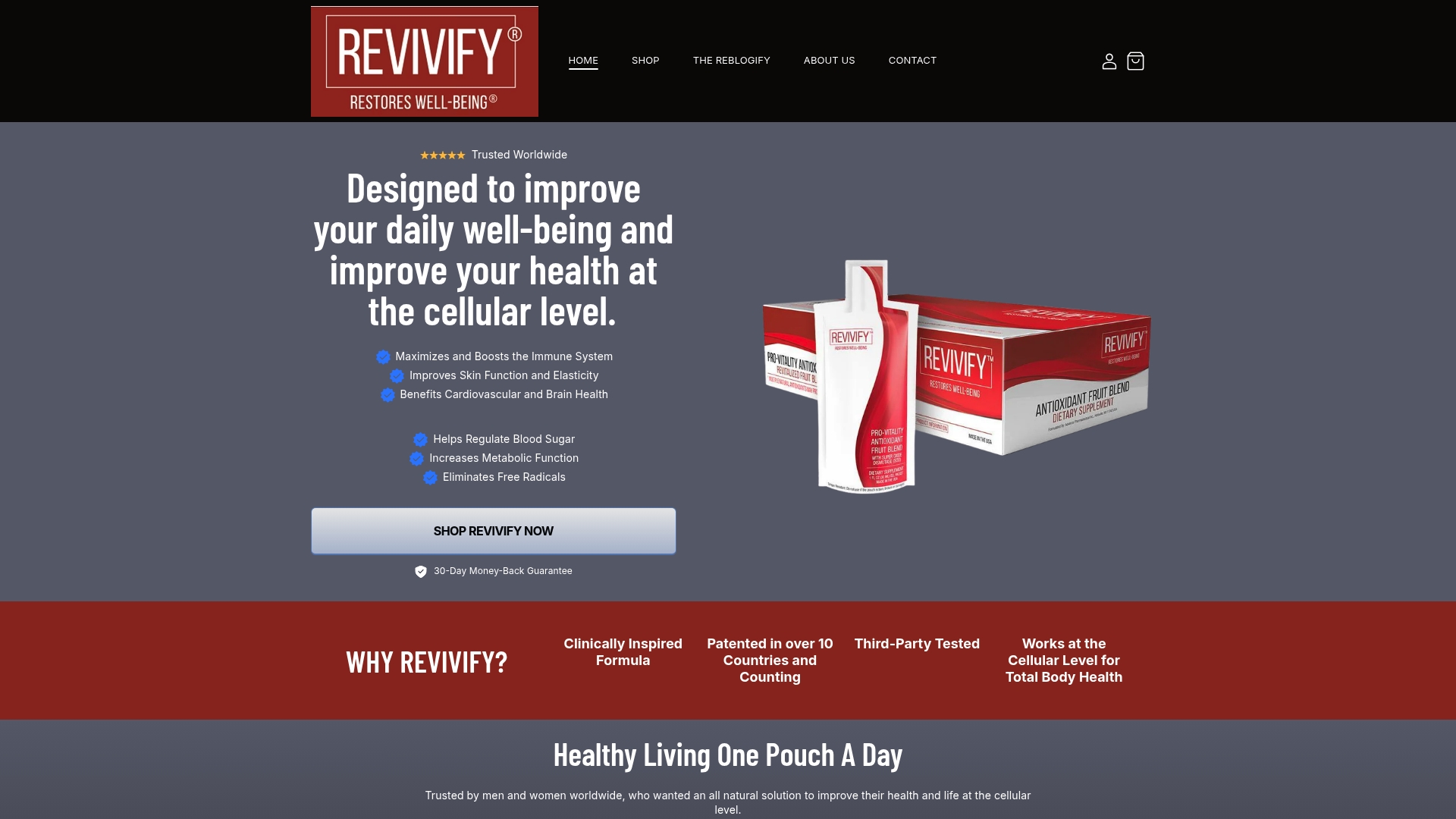
If your diet doesn’t reliably deliver enough antioxidant support, and you’d rather not track down a dozen individual compounds, that’s exactly the gap a daily systemic supplement is built to close. Tryrevivify’s approach centers on a patented formula combining superoxide dismutase and prebiotic fiber to reduce free radicals and oxidative stress at the cellular level, with polyphenols and lactobacillus added to support digestion, immune function, and overall cellular well-being.
Remember that SOD is the enzyme your body uses as its first line of defense against the most reactive free radicals, the same mechanism driving the oxidative-to-MMP-to-collagen-breakdown chain covered earlier in this article. A daily formula built around supporting that system is meant to work alongside your topical routine, not instead of it. You’ll still want vitamin C in the morning and sunscreen right after it. Revivify’s 30-Day Supply is third-party tested and plant-based, with a risk-free guarantee and subscription pricing if you decide to stick with it. If you’re on medication, talk to your physician before adding any new supplement, and give it the same 8 to 12 week window the clinical trials use before judging results. Browse the full product lineup to see current options and subscription details.
This article is general information, not a substitute for advice from a qualified doctor. Consult a qualified healthcare professional about your own circumstances before acting on anything here.
Sources
- Prospective, Randomized, Double‐Blind, Placebo‐Controlled Study of an Oral Antioxidant‐Rich Synbiotic Supplement on Skin Health and Photoaging - Journal of Cosmetic Dermatology (2026)
- Evaluating the Effect of Fresh and Aged Antioxidant Formulations in Skin Protection Against UV Damage - MDPI Cosmetics (2025)
- Role of antioxidants in skin aging and the molecular mechanism of ROS: A comprehensive review - PMC (2022)
FAQ
What reduces wrinkles the fastest?
No topical or oral antioxidant works overnight. Sunscreen prevents new UV-driven damage immediately, while retinoids and antioxidants like vitamin C at around 10% concentration typically need 8 to 12 weeks of consistent use before measurable improvement shows up.
What three foods fight wrinkles most effectively?
Citrus fruits and bell peppers for vitamin C, carrots and sweet potatoes for carotenoids, and green tea or berries for polyphenols cover the three antioxidant categories with the strongest evidence for supporting skin health. Eating a variety across all three matters more than relying on any single food.
What ingredients do Korean and Chinese skincare traditions use against wrinkles?
Korean skincare has long emphasized vitamin C serums, green tea extracts, and ginseng, all antioxidant-rich ingredients that align with current clinical evidence on photoprotection. Traditional Chinese skincare historically used ingredients like pearl powder and ginseng, valued for antioxidant and anti-inflammatory properties, though modern human trial data on these specific botanicals remains limited compared to vitamin C and niacinamide.
Can an oral antioxidant supplement actually reduce existing wrinkles?
Clinical data suggests modest, measurable improvement is possible. A placebo-controlled trial on an oral synbiotic supplement found a 5.28% reduction in wrinkle severity after 8 weeks, alongside improved elasticity and firmness. Results build gradually and work best paired with sunscreen and a solid topical routine rather than as a standalone fix.
How much does Revivify cost?
Current pricing and subscription options for Revivify’s 30-Day Supply are listed on the product page. Subscription discounts are available alongside one-time purchase options.