

Best Prebiotic Supplements for Gut Health and Cellular Support
For adults who want both a healthier gut and real cellular antioxidant protection, the single best approach is a supplement delivering clinically supported fermentable fiber per serving — psyllium husk, inulin, or acacia — combined with antioxidant actives like superoxide dismutase (SOD) and polyphenols. Revivify is the recommended product for this audience. Its patented gel formula pairs prebiotic fiber with SOD, polyphenols, and lactobacillus in one daily serving, addressing gut microbiome support and oxidative stress at the same time.
Quick look at Revivify:
- Form: Gel (superior absorption and GI tolerance compared to many powders and capsules)
- Primary prebiotic substrates: Psyllium husk, acacia, resistant starch
- Key actives: Superoxide dismutase, polyphenols, lactobacillus
- Third-party tested: Yes, plant-based, risk-free guarantee
- Next step: Try Revivify risk-free or subscribe for a discount at tryrevivify.com
Fiber gap fact: Most U.S. adults fall well below the recommended daily fiber intake. A targeted prebiotic supplement is one of the practical ways to help close that gap without overhauling your entire diet.
Table of Contents
- Why do prebiotics matter for your gut and overall cellular health?
- Which prebiotic ingredients and supplement forms should you prioritize?
- What are safe doses, and when should you consult a clinician?
- How do you choose the right prebiotic supplement for gut and cellular goals?
- What does the clinical evidence actually show?
- How does Revivify meet the selection criteria?
- Key Takeaways
- Why the “just take fiber” advice misses the point
- Revivify: one daily gel for gut health and cellular protection
- Useful sources and further reading
Why do prebiotics matter for your gut and overall cellular health?
Prebiotics are nondigestible fibers that feed the beneficial bacteria already living in your gut. Probiotics, by contrast, are live organisms that add new bacterial strains. Think of your gut like a garden: probiotics are the seeds, and prebiotics are the fertilizer that lets those seeds grow and do their metabolic work.
When your gut bacteria ferment prebiotic fiber, they produce short-chain fatty acids (SCFAs) — primarily butyrate, propionate, and acetate. Butyrate is the gut lining’s preferred fuel source, and adequate prebiotic fiber is required to sustain its production. Beyond the gut wall, SCFAs reduce systemic inflammation, improve insulin sensitivity, and support cellular antioxidant pathways, which is why a quality prebiotic supplement can influence your health well past the digestive tract.
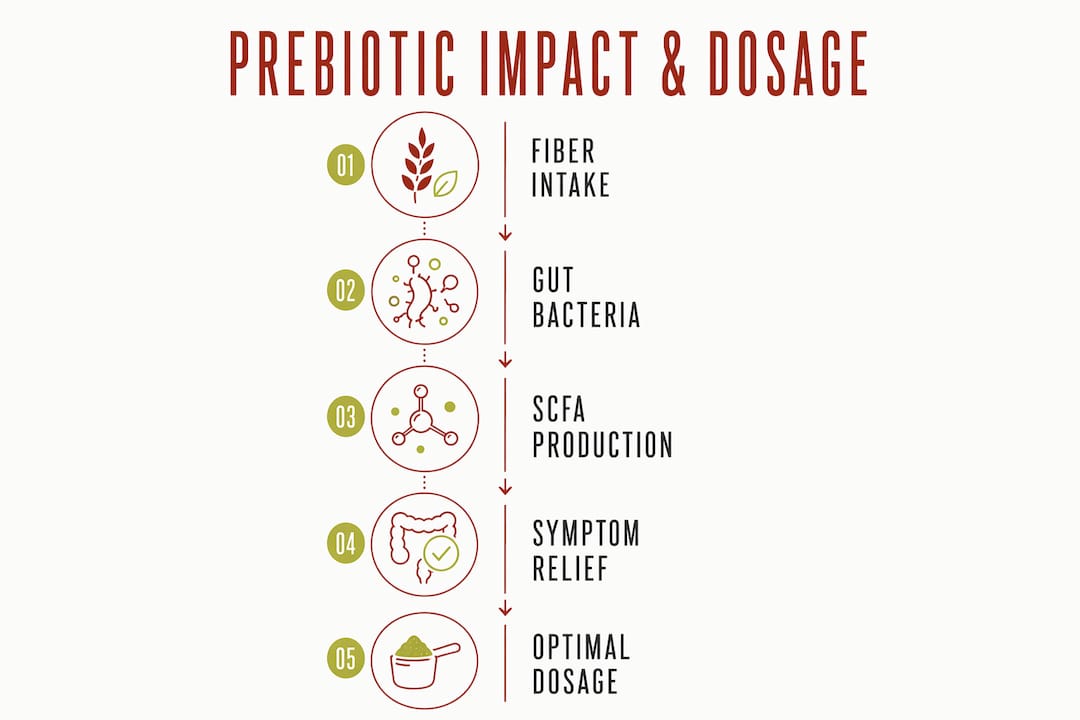
Early bowel changes often appear within 1–4 weeks of consistent use. Meaningful microbiome shifts are typically measured at 8–12 weeks in clinical trials, so patience and consistency matter.
Which prebiotic ingredients and supplement forms should you prioritize?
Not all prebiotic fibers behave the same way in your body, and the form of the supplement affects how well it works.
Priority prebiotic substrates
- Psyllium husk: Soluble and insoluble fiber combined; strong evidence for glycemic control and bowel regularity; one of the most clinically studied options for blood sugar support
- Inulin (long-chain FOS): The most extensively studied prebiotic, reliably increasing Bifidobacterium at a target clinical dose; can cause gas if introduced too quickly
- Acacia (gum arabic): Gentle fermentation rate, good tolerability, and solid evidence for microbiome diversity
- GOS (galactooligosaccharides): Increases Bifidobacterium with better GI tolerability than inulin at similar doses; a good starting point for sensitive guts
- PHGG (partially hydrolyzed guar gum): Ferments slowly, produces less gas, and shows benefits for IBS and microbiome markers at a target clinical dose
- Resistant starch: Feeds a broad range of beneficial species and supports butyrate production
Form considerations
Powders offer flexible dosing and easy titration. Capsules are convenient but often underdosed — many capsule products deliver less than 1 g of active fiber per serving, which is unlikely to shift your microbiome. Gel is the form Revivify uses, and it offers a practical advantage: the gel matrix supports absorption and tends to be gentler on the GI tract than dry fiber powders taken without adequate water.
| Best for | Form | Primary prebiotic type | Dose per serving | Evidence | Added actives | Third-party tested |
|---|---|---|---|---|---|---|
| Blood sugar support | Powder / gel | Psyllium husk | a clinically supported dose | Strong (glycemic, cholesterol) | Varies | Check label |
| General gut health | Powder / capsule | Inulin or GOS | 5–10 g | Strong (Bifidobacterium) | Varies | Check label |
| Cellular antioxidant support | Gel | Psyllium, acacia, resistant starch | a clinically supported dose | Clinical + antioxidant actives | SOD, polyphenols, lactobacillus | Yes (Revivify) |
What are safe doses, and when should you consult a clinician?
Clinical trials for most fermentable prebiotics use 5–10 g/day for inulin, GOS, PHGG, psyllium, and acacia, with many microbiome benefits appearing in this target clinical dose range. Most products delivering less than 1 g of active fiber per serving are unlikely to produce measurable microbiome changes.
| Fiber type | Starting dose | Target clinical dose |
|---|---|---|
| Inulin / FOS | 2–3 g/day | 5–10 g/day |
| GOS | 2–3 g/day | 5–10 g/day |
| PHGG | 2–3 g/day | 5–10 g/day |
| Psyllium husk | 2–3 g/day | 5–10 g/day |
| Acacia | 2–3 g/day | 5–10 g/day |
Common side effects are dose-dependent: gas, bloating, and cramping are most common when you increase fiber too quickly. The fix is straightforward — start at the lower end, increase gradually over 1–2 weeks, take your supplement with a meal, and drink more water throughout the day.
Prebiotic supplements are safe for most healthy adults. Consult a clinician before starting if you have SIBO, an active IBD flare, severe immunocompromise, or a history of major GI surgery. Prebiotics may also interact with medications that slow gastric emptying, so check with your provider if you take those. This article is general information, not medical advice — confirm dosing and suitability with a qualified clinician for your specific situation.
Pro Tip: If you’re gas-prone or have IBS, start with GOS or PHGG rather than inulin. Both increase Bifidobacterium with a more forgiving tolerability profile.
How do you choose the right prebiotic supplement for gut and cellular goals?
Use this checklist when comparing labels:
- Named active substrate(s): The label should specify the fiber type (psyllium, inulin, acacia, GOS, PHGG, resistant starch), not just “dietary fiber.”
- Dose per serving: Look for at least 3 g of active prebiotic fiber per serving; 5–6 g is stronger for microbiome outcomes.
- Third-party testing: An independent certificate of analysis confirms label accuracy and purity.
- Simple ingredient list: Minimal fillers, no unnecessary additives, and a clear breakdown of actives.
- Antioxidant actives: If cellular protection is a goal, look for SOD, polyphenols, or other named antioxidant compounds with sourced amounts.
- Clinical citations: A product page that links to research or references specific trials is a transparency signal worth noting.
Matching your tolerance profile to fiber choice:
- Gas-prone or IBS: start with GOS or PHGG, then introduce inulin slowly
- Blood sugar priority: include psyllium; soluble fibers slow carbohydrate absorption and moderate postprandial glucose
- Broad microbiome diversity: combine psyllium, acacia, and resistant starch
Pairing a prebiotic supplement with a probiotic (a “synbiotic” approach) amplifies results. Prebiotics feed the beneficial strains that probiotics introduce, and fiber supplementation works best alongside a fiber-rich whole-food diet and consistent hydration. For a deeper look at gut health supplement types, Kudu Nutrition’s explainer is a useful non-commercial reference.
What does the clinical evidence actually show?
The strongest signals in prebiotic research cluster around two outcomes: glycemic control and microbiome composition.
Soluble fibers — psyllium, acacia, and inulin — are consistently noted in clinical literature for improving glycemic control and insulin sensitivity. Psyllium specifically has shown effects on fasting glucose and hemoglobin A1c in people with type 2 diabetes, and beta-glucan, psyllium, and guar gum are among the soluble fibers with the clearest evidence for moderating postprandial glucose and cholesterol. For more on the fiber-diabetes connection, Tryrevivify’s research summary goes deeper.
| Fiber type | Key clinical endpoints | Typical trial dose | Tolerability |
|---|---|---|---|
| Psyllium husk | Glycemic control, LDL cholesterol, bowel regularity | 5–10 g/day | Good |
| Inulin / FOS | Bifidobacterium increase, gut barrier support | 5–10 g/day | Moderate (titrate) |
| GOS | Bifidobacterium increase, IBS symptom relief | 5–10 g/day | Good |
| Acacia | Microbiome diversity, glycemic support | 5–10 g/day | Very good |
| PHGG | IBS markers, microbiome shifts | 5–10 g/day | Very good |
Individual responses vary, and the evidence base for some newer fiber types is still growing. That variability is exactly why dose transparency and a trial period of 8–12 weeks matter.
How does Revivify meet the selection criteria?
Revivify’s gel formula was built around the criteria above. The prebiotic substrates — psyllium husk, acacia, and resistant starch — cover both glycemic support and broad microbiome diversity. The gel form delivers these fibers in a format that is easier on the GI tract than dry capsules, and the per-serving dose falls within a clinically supported dose range.
What sets Revivify apart from a standard fiber supplement is the addition of superoxide dismutase, polyphenols, and lactobacillus. SOD is the body’s primary enzymatic defense against superoxide free radicals — essentially the first responder in your cellular antioxidant system. Polyphenols extend that protection by scavenging additional reactive oxygen species. Together, they address oxidative stress at the cellular level while the prebiotic fiber supports the gut microbiome that drives metabolic and immune function. For context on why gut health affects nutrient absorption and cellular health more broadly, that connection is worth understanding.
Revivify is third-party tested, plant-based, and available with a risk-free guarantee. The full ingredient panel is listed transparently on the product page.
Key Takeaways
The most effective prebiotic supplement for gut and cellular health delivers at least 5–10 g of named fermentable fiber per serving alongside antioxidant actives, is third-party tested, and is used consistently for at least 8–12 weeks.
| Point | Details |
|---|---|
| Dose matters most | Products with less than 5 g of active prebiotic fiber per serving are unlikely to shift your microbiome. |
| Fiber type determines tolerability | Gas-prone adults should start with GOS or PHGG before introducing inulin or short-chain FOS. |
| Pair with hydration and whole foods | Fiber supplements work best alongside a fiber-rich diet and increased daily water intake. |
| Allow 8–12 weeks for microbiome shifts | Bowel regularity may improve in 1–4 weeks; meaningful microbiome changes take longer. |
| Revivify covers gut and cellular goals | Its gel formula combines psyllium, acacia, resistant starch, SOD, and polyphenols in one third-party tested daily serving. |
Why the “just take fiber” advice misses the point
Most prebiotic supplement guides stop at fiber dose and tolerability. That is useful, but it misses something the research makes clear: the gut microbiome is not an isolated system. The SCFAs your bacteria produce from prebiotic fermentation directly influence systemic inflammation and cellular oxidative stress. A supplement that delivers fiber without addressing that downstream effect is solving half the problem.
The other thing guides underestimate is form. A capsule with 0.8 g of inulin is not a prebiotic supplement in any clinically meaningful sense. Yet those products dominate retail shelves and carry the same marketing language as products delivering 5–6 g of active fiber. Reading the label for grams of active substrate, not just “contains prebiotics,” is the single most important habit you can build when shopping in this category.
Revivify’s gel format and combined formula reflect a deliberate design choice: close the fiber gap, support the microbiome, and address oxidative stress in one daily serving rather than three separate products.
Revivify: one daily gel for gut health and cellular protection
Revivify delivers prebiotic fiber, superoxide dismutase, polyphenols, and lactobacillus in a single patented gel formula — third-party tested, plant-based, and backed by a risk-free guarantee. It is the practical choice for adults who want gut microbiome support and cellular antioxidant protection without managing multiple supplements.
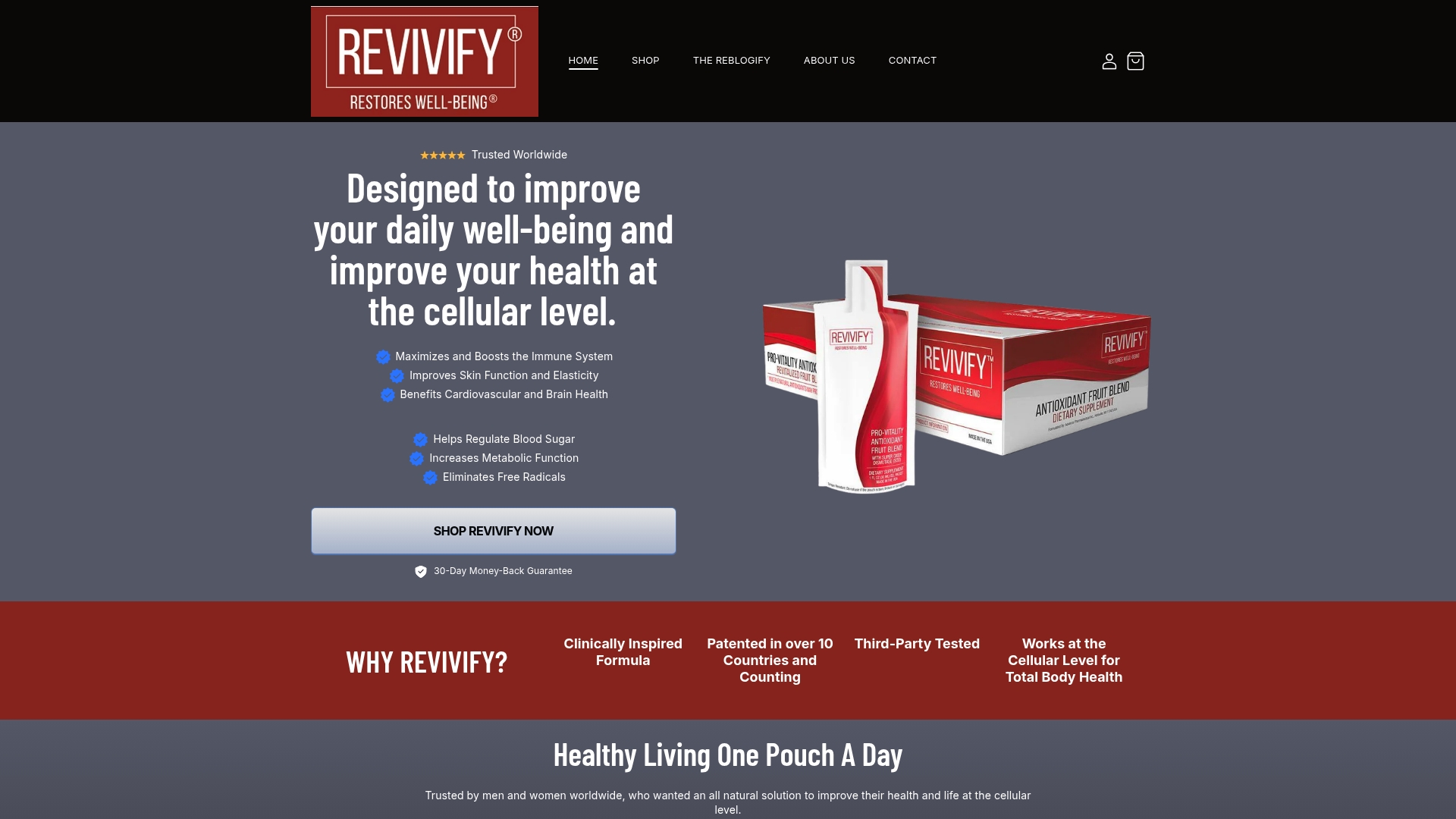
Choose a one-time purchase or subscribe for a discount. The full ingredient panel and third-party testing information are available on the product page. Start your trial at tryrevivify.com and give it the 8–12 weeks the clinical evidence recommends.
Useful sources and further reading
Use these sources to verify dosing guidance, review clinical evidence, and consult a clinician about your specific situation.
- Prebiotics vs. Probiotics: What’s the Difference? | University of Rochester Medicine — authoritative overview of prebiotic and probiotic roles
- Probiotics and Prebiotics: What You Should Know | Mayo Clinic — safety context and clinical guidance
- Fiber Supplements and Blood Sugar | Verywell Health — soluble fiber evidence for glycemic control
- Probiotics and Prebiotics | Healthline — mechanisms, food sources, and supplement guidance
- Prebiotic Fiber, Gut Health, and Diabetes Management | Tryrevivify — Revivify’s research summary on fiber and glycemic outcomes
- How to Improve Your Gut Microbiome with Prebiotics | Tryrevivify — practical microbiome support guide
- Improving Gut Health Naturally | Kudu Nutrition — step-by-step lifestyle approach to gut health