

Your Complete Cellular Health Gut Healing Guide
Gut-directed healing accelerates cellular repair by restoring short-chain fatty acid (SCFA) production, improving nutrient absorption, lowering oxidative stress, and rebalancing immune signaling at the tissue level. The three highest-impact actions you can take in the next 48–72 hours: add a diverse fiber source and a simple prebiotic to your next meal, cut ultra-processed foods and alcohol entirely, and commit to 7–9 hours of sleep tonight. These actions initiate the Remove and Replace phases of the 5R gut healing protocol, with effectiveness dependent on sequencing and phase-specific interventions as outlined below.
Here is a quick-action sequence to orient the weeks ahead, aligning with the 5R gut healing protocol:
- Remove (Days 1–3, Weeks 1–2): Eliminate ultra-processed foods, alcohol, and unnecessary antibiotics, and any identified food triggers. Begin dietary changes with diverse plant fiber (aim for at least 5 different plant foods daily), increase water intake to at least 64 oz per day, and prioritize sleep. Clinician oversight may be needed for those with chronic GI or autoimmune conditions.
- Replace (Weeks 1–4, overlapping): Restore what the gut needs to function, including digestive enzymes if indicated, and replace depleted micronutrients (e.g., zinc, magnesium, B12). Introduce fermented foods (plain yogurt, kefir, kimchi), resistant starches (cooked and cooled rice or potatoes), and a quality prebiotic fiber supplement. Begin stress management practices.
- Reinoculate (Weeks 2–6): Add beneficial microbes through fermented foods and multi-strain probiotic supplements, feeding them with prebiotic fibers (inulin, FOS, beta-glucan).
- Repair (Weeks 4–12): Add targeted repair nutrients (L-glutamine, zinc, polyphenol-rich foods) to support tight junction integrity and mucosal healing.
- Rebalance (Months 3–6 and beyond): Maintain long-term dietary diversity and lifestyle practices for microbiome resilience.
Track symptoms and energy throughout these phases. Expect measurable improvements in digestion, energy, and skin clarity within the Repair and Rebalance phases.
The biology behind this sequence runs through SCFAs like butyrate, which fuel colonocyte repair and trigger mitophagy (the cellular process that clears damaged mitochondria). A supplement like Tryrevivify, which combines superoxide dismutase (SOD) with prebiotic fiber, fits into this protocol by supporting antioxidant capacity while simultaneously feeding SCFA-producing microbes. The mechanisms, the evidence, and the full protocol follow.
Key Takeaways
Gut healing accelerates cellular repair by restoring SCFA production, lowering oxidative stress, improving nutrient absorption, and rebalancing immune signaling through sustained dietary diversity and targeted lifestyle changes.
| Point | Details |
|---|---|
| Start with fiber and fermented foods | Add at least 5 different plant foods daily and one fermented food to shift the gut environment within days. |
| Follow the 5R sequence in order | Remove triggers before reinoculating; repairing the epithelium before the gut environment is stable wastes resources. |
| Expect a multi-month timeline | Early digestive improvements appear within weeks; systemic cellular benefits (energy, skin, immunity) take several months of consistency. |
| Sleep and stress are non-negotiable | Chronic sleep deprivation and unmanaged stress increase gut permeability and block cellular repair regardless of diet. |
| Tryrevivify supports the Repair phase | A daily SOD and prebiotic fiber gel addresses two cellular bottlenecks simultaneously, best used from week 4 onward alongside diet. |
Table of Contents
- How does gut health affect cellular function?
- What does current research say about microbiome recovery and cellular repair?
- What is the step-by-step gut-healing protocol for cellular health?
- What should you eat to support gut-driven cellular recovery?
- Which supplements support gut repair and cellular health?
- Which lifestyle habits accelerate cellular repair alongside gut healing?
- When should you get tested, and what are the red flags?
- How do antioxidants and prebiotic fiber work together for cellular recovery?
- What realistic expectations and common pitfalls should you know about?
- Tryrevivify fits naturally into this protocol
- Sources
How does gut health affect cellular function?
The gut does not operate in isolation from your cells. Every metabolic output the microbiome produces, from SCFAs to bile acid metabolites to neurotransmitter precursors, reaches systemic circulation and alters the cellular environment throughout your body.
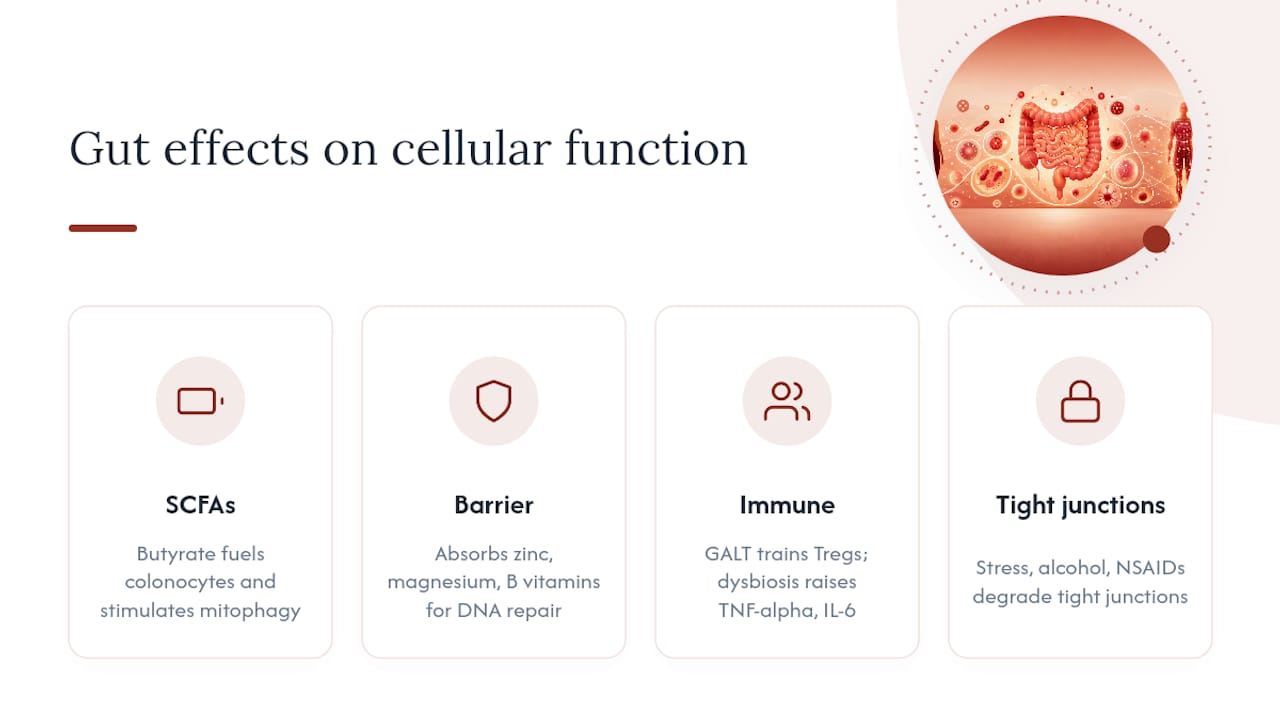
SCFA production and mitochondrial health. When gut bacteria ferment dietary fiber, they produce butyrate, propionate, and acetate. Butyrate is the primary fuel source for colonocytes (the cells lining your colon), and it also crosses into systemic circulation where it acts as a histone deacetylase inhibitor, influencing gene expression in immune and metabolic cells. Critically, butyrate stimulates mitophagy, the selective removal of damaged mitochondria, which is one of the core mechanisms of cellular repair. Without adequate fiber, butyrate production drops, and that cellular housekeeping process slows.
Nutrient absorption and cellular building blocks. A healthy gut epithelium controls which nutrients pass into circulation. When the barrier is compromised, a condition often called increased intestinal permeability. Lipopolysaccharide (LPS) fragments from gram-negative bacteria translocate into the bloodstream. LPS triggers a low-grade inflammatory cascade that elevates systemic oxidative stress, damages cell membranes, and impairs mitochondrial function. Conversely, a well-functioning barrier maximizes absorption of zinc, magnesium, B vitamins, and fat-soluble antioxidants, all of which are required for DNA repair, energy metabolism, and immune cell function.
Immune modulation and oxidative stress. Research indicates that a large proportion of immune tissue resides in the gut-associated lymphoid tissue (GALT). The microbiome trains regulatory T-cells and modulates cytokine production. A dysbiotic gut (one with reduced microbial diversity and overgrowth of pro-inflammatory species) may chronically elevate TNF-alpha and IL-6, two cytokines thought to increase reactive oxygen species (ROS) production at the cellular level. Elevated ROS damages lipids, proteins, and DNA, accelerating cellular aging and impairing repair. Restoring gut microbiome balance directly reduces this oxidative burden.
Tight junctions and systemic cellular signaling. Tight junction proteins, including claudin, occludin, and zonulin, regulate paracellular permeability. Chronic stress, alcohol, NSAIDs, and low-fiber diets all degrade tight junction integrity. When those junctions loosen, the systemic inflammatory signal intensifies, and cells throughout the body shift energy away from repair and toward defense. Restoring tight junction function is therefore not just a gut-health goal; it is a cellular-health intervention.
What does current research say about microbiome recovery and cellular repair?
Recovery of the gut microbiome after disruption behaves as a staged ecological process, similar to how a forest regrows after a fire, requiring the right inputs at the right time rather than a single dramatic intervention. A comprehensive review of microbiome perturbation and recovery frames this clearly: multimodal, personalized strategies that account for the nature of the disruption, the taxa present, and host physiology produce more durable outcomes than any single supplement or dietary change.
A 2025 Nature review on microbiome recovery after perturbation identified dietary availability of complex carbohydrates and fiber as the primary driver shaping which bacterial taxa reestablish after disturbances like antibiotic use. This is not a minor finding. It means the food you eat in the days and weeks following a disruption actively determines which microbes return and in what order, with direct downstream consequences for SCFA production and cellular repair capacity.
The concept of prehabilitation adds another layer. Animal and select human studies on dietary prehabilitation show that conditioning the microbiota with high-fiber, diverse diets before a planned perturbation (surgery, antibiotic course, chemotherapy) can improve tissue-healing outcomes and reduce post-intervention complications. Think of it as loading the gut ecosystem with the right species and metabolic capacity before the disruption hits, so recovery starts from a stronger baseline.
| Study Type | Intervention | Main Outcome | Timeframe |
|---|---|---|---|
| Human RCT / observational | High-fiber, diverse plant diet post-antibiotics | Faster restoration of Bifidobacterium and Lactobacillus taxa | within weeks |
| Animal model (murine) | Prehabilitation with prebiotic fiber before surgery | Reduced intestinal permeability, improved wound healing markers | Perioperative window |
| Human cohort | Long-term dietary diversity (Mediterranean-style) | Greater microbiome resilience and SCFA output over sustained months | sustained period |
| Translational model | Antioxidant adjuncts + barrier-support compounds | Improved epithelial repair markers in inflamed tissue | Experimental (weeks) |
Statistic callout: Recovery timelines after antibiotics vary considerably. Short, narrow-spectrum courses often allow key species to recover relatively quickly, while long or broad-spectrum courses can cause lasting losses of specific taxa that may take considerable time to partially restore, and some species may not return without targeted dietary or probiotic support.
One pattern runs through all of this research: single, short interventions produce transient changes. The Linus Pauling Institute at Oregon State University notes that durable microbiome changes track with long-term habitual dietary consistency, not isolated supplement trials. That finding should recalibrate how you think about this protocol. The goal is not a 30-day reset. It is building an ecosystem that sustains itself.
What is the step-by-step gut-healing protocol for cellular health?
The 5R framework (Remove, Replace, Reinoculate, Repair, Rebalance) is the most clinically coherent sequence for gut restoration, and it maps directly onto cellular-health endpoints when you apply it with that lens. The order matters: trying to reinoculate before removing triggers is like planting seeds in contaminated soil.
-
Remove (Weeks 1–2). Eliminate the inputs that degrade the gut environment: ultra-processed foods, refined sugars, excess alcohol, unnecessary NSAIDs, and any identified food triggers. If you have a known sensitivity (gluten, dairy), this is when to eliminate it. For those with suspected bacterial overgrowth or parasitic infection, this phase may include clinician-guided antimicrobials or herbal antimicrobials (berberine, oregano oil) — but only with professional oversight.
-
Replace (Weeks 1–4, overlapping). Restore what the gut needs to function: digestive enzymes (especially if you have low stomach acid or pancreatic insufficiency), bile salts if fat malabsorption is present, and adequate hydrochloric acid support. This phase also means replacing depleted micronutrients (zinc, magnesium, B12) that are required for epithelial cell turnover and DNA repair.
-
Reinoculate (Weeks 2–6). Introduce beneficial microbes through fermented foods (kefir, kimchi, sauerkraut, plain yogurt) and, where appropriate, multi-strain probiotic supplements. Feed those incoming microbes with prebiotic fibers (inulin, fructooligosaccharides, beta-glucan). For more on which beneficial gut bacteria to target, strain specificity matters: Lactobacillus rhamnosus GG and Bifidobacterium longum have the strongest evidence for barrier support.
-
Repair (Weeks 4–12). Target the gut epithelium directly with nutrients that support tight junction integrity and mucosal healing: L-glutamine (the primary fuel for enterocytes), zinc carnosine (shown in clinical studies to support mucosal integrity), vitamin A (critical for epithelial cell differentiation), and collagen-supporting nutrients. This is also the phase where antioxidant support becomes most relevant, as oxidative stress peaks during active repair. Translational research on epithelial repair supports adjunct antioxidant strategies here, though clinical translation is still evolving.
-
Rebalance (Months 3–6 and beyond). Shift from active repair to sustainable maintenance. This means building the long-term dietary habits (diverse fiber, fermented foods, polyphenol-rich plants) that keep the ecosystem resilient. Monitoring checkpoints: at 4–6 weeks, expect improved stool consistency and reduced bloating; at 8–12 weeks, look for better energy and reduced systemic inflammation markers; at 3–6 months, sustained improvements in skin, cognition, and immune response are realistic targets.
Pro Tip: If you are on a course of antibiotics, start prebiotic fiber and fermented foods on the same day you begin the prescription, not after you finish. Timing the fiber intake to coincide with the disruption gives surviving SCFA-producing taxa the substrate they need to hold their ecological niche.
Pro Tip: For people with autoimmune or chronic GI conditions (IBD, Crohn’s, SIBO), the Remove phase requires clinician guidance before proceeding. Aggressive elimination diets can worsen nutritional deficiencies in these populations. Start with the least restrictive version and escalate only with monitoring.
What should you eat to support gut-driven cellular recovery?
Prioritize diverse plant fibers, resistant starches, polyphenol-rich foods, and fermented options while cutting ultra-processed foods and excess alcohol. That single sentence covers the dietary architecture. Everything else is execution.

Polyphenols and probiotics found in fruits, vegetables, whole grains, legumes, nuts, and seeds promote the growth of beneficial bacteria and support measurable shifts in gut microbiome composition. Polyphenols are particularly interesting because they are poorly absorbed in the small intestine, which means they arrive largely intact in the colon where they act as selective fuel for beneficial species like Akkermansia muciniphila and Bifidobacterium.
Top food targets by function:
- Prebiotic fibers: Jerusalem artichoke, garlic, onion, leeks, asparagus, green banana, chicory root. These feed Bifidobacterium and Lactobacillus species that produce butyrate. For more on how to feed beneficial gut bacteria daily, rotating these sources weekly prevents adaptation and maintains diversity.
- Resistant starch: Cooked and cooled potatoes, cooked and cooled rice, green bananas, cooked lentils. Resistant starch bypasses small intestine digestion and ferments in the colon, producing butyrate. Reheating cooked starches increases resistant starch content.
- Polyphenol-rich foods: Blueberries, pomegranate, dark chocolate (85%+), green tea, extra-virgin olive oil, red cabbage, turmeric. These selectively feed beneficial taxa and reduce gut-derived oxidative stress.
- Fermented foods: Plain kefir, unsweetened yogurt with live cultures, kimchi, sauerkraut, miso, tempeh. These introduce live microorganisms and organic acids that support barrier function.
FODMAP note: If you have IBS or known FODMAP sensitivity, some prebiotic-rich foods (garlic, onion, Jerusalem artichoke) will trigger symptoms. Use a low-FODMAP elimination approach for several weeks, then reintroduce one food at a time to identify your personal tolerance threshold. The goal is to expand your tolerance over time, not to stay restricted permanently.
Sample 7-day dietary framework:
| Day | Breakfast | Lunch | Dinner | Key Goal |
|---|---|---|---|---|
| 1 | Kefir + blueberries + oats | Lentil soup + mixed greens | Salmon + roasted asparagus + cooled rice | Prebiotic fiber + omega-3s |
| 2 | Plain yogurt + pomegranate + walnuts | Chickpea salad + olive oil dressing | Stir-fry with tempeh + broccoli + garlic | Polyphenols + fermented protein |
| 3 | Green smoothie (spinach, banana, flaxseed) | Quinoa bowl + roasted beets + tahini | Chicken + roasted sweet potato + kimchi | Resistant starch + live cultures |
| 4 | Overnight oats + chia + kiwi | Black bean tacos + cabbage slaw | Miso soup + tofu + bok choy | Diverse fiber types |
| 5 | Scrambled eggs + sauerkraut + rye toast | Lentil and vegetable curry | Grass-fed beef + roasted leeks + cooled potato | Prebiotic + resistant starch |
| 6 | Smoothie bowl + mixed berries + hemp seeds | Roasted vegetable wrap + hummus | Shrimp + garlic + zucchini noodles | Polyphenols + prebiotic |
| 7 | Yogurt parfait + granola + mixed fruit | Grain bowl + roasted chickpeas + turmeric dressing | Baked cod + steamed broccoli + brown rice | Full spectrum diversity |
Rotate the plant families across weeks rather than repeating the same seven foods. That rotation is what builds taxonomic diversity in the microbiome, and taxonomic diversity is what produces the widest range of SCFAs and metabolites your cells need.
Which supplements support gut repair and cellular health?
Supplements work best as bridges, filling gaps when dietary measures alone are insufficient or when targeted repair is needed during active healing phases. The safety caveat applies universally: if you are on medications, pregnant, immunosuppressed, or managing a chronic condition, consult a clinician before adding any of the following.
-
Multi-strain probiotics. Look for formulas containing Lactobacillus rhamnosus GG, Bifidobacterium longum, and Lactobacillus acidophilus. Strain specificity matters more than colony-forming unit (CFU) count. Evidence is strongest for barrier support and post-antibiotic recovery. Start during or immediately after antibiotic courses.
-
Prebiotic fibers. Inulin, fructooligosaccharides (FOS), and beta-glucan are the best-studied options. They selectively feed SCFA-producing taxa. Start low (2–3g/day) and increase gradually to avoid gas and bloating. For a deeper look at improving your gut microbiome with prebiotics, the dose-response relationship is real: more fiber feeds more microbes, up to a point.
-
L-glutamine. The primary fuel for enterocytes. Doses of 5–10g/day are commonly used in functional medicine protocols for mucosal repair. Evidence is strongest in post-surgical and critically ill populations; evidence in otherwise healthy adults with gut permeability is suggestive but not definitive.
-
Zinc carnosine. A chelated form of zinc with specific evidence for mucosal integrity. Typical doses range from 75–150mg/day. Zinc also supports over 300 enzymatic reactions involved in DNA repair and immune function. Avoid long-term high-dose zinc without monitoring, as it can deplete copper.
-
Colostrum. Contains immunoglobulins, lactoferrin, and growth factors that support epithelial repair. Evidence for gut permeability is emerging. Quality varies significantly between products; third-party testing is non-negotiable here.
-
Antioxidants (polyphenols, SOD). Superoxide dismutase is the body’s primary intracellular antioxidant enzyme, acting as the first line of defense against superoxide radicals. Dietary polyphenols (quercetin, resveratrol, curcumin) support antioxidant pathways and reduce gut-derived oxidative stress. Translational work on antioxidants in healing supports their role in tissue repair, though most human data comes from dietary sources rather than isolated supplements.
-
Mitophagy-supporting compounds. Urolithin A (produced from pomegranate polyphenols by gut bacteria) and spermidine (found in wheat germ, aged cheese, mushrooms) both support mitophagy. Evidence is early-stage but mechanistically compelling. Urolithin A supplements are available, though dietary sources are preferable when gut conversion capacity is intact.
Safety callout: Supplement quality in the U.S. is not uniformly regulated by the FDA. Choose products with third-party testing verification (NSF International, USP, or Informed Sport certification). Reassess your supplement stack at 8–12 weeks. If you are not seeing measurable improvement, adding more supplements is rarely the answer — revisiting diet and sleep usually is.
For a broader overview of supplements used for gut repair, including safety caveats and what the evidence actually supports, the research landscape is more nuanced than most product labels suggest.
Which lifestyle habits accelerate cellular repair alongside gut healing?
Sleep, stress management, movement, hydration, and circadian-consistent eating all influence both microbiome resilience and cellular repair in measurable ways. None of them are optional add-ons to the protocol. They are the protocol’s foundation.
Sleep and autophagy. During deep sleep, the brain and body upregulate autophagy, the cellular cleanup process that removes damaged proteins and organelles. Sleep deprivation of even one night measurably reduces autophagy markers and shifts the gut microbiome toward pro-inflammatory species within 48 hours. Seven to nine hours of consistent, dark-room sleep is not a lifestyle preference; it is a cellular repair requirement.
Stress and immune signaling. Chronic psychological stress elevates cortisol, which directly increases intestinal permeability by degrading tight junction proteins. It also suppresses secretory IgA, the gut’s primary mucosal antibody. Practices that reliably lower cortisol, including diaphragmatic breathing (5 minutes, twice daily), progressive muscle relaxation, and consistent social connection, produce measurable reductions in gut permeability markers within weeks.
Exercise and microbiome diversity. Moderate aerobic exercise (150 minutes per week of brisk walking, cycling, or swimming) is consistently associated with greater microbiome diversity and higher butyrate-producing taxa counts. The mechanism likely involves increased intestinal transit time and reduced systemic inflammation. High-intensity exercise without adequate recovery can temporarily increase gut permeability, so balance matters.
Hydration and mucosal health. The gut mucus layer, which is the first physical barrier between microbes and the epithelium, is roughly 95% water. Chronic mild dehydration thickens mucus, slows transit, and reduces the mucosal environment’s ability to support beneficial bacteria. Aim for at least 64–80 oz of water daily, more during exercise or in hot climates.
Pro Tip: Compress your eating window to 10–12 hours (for example, 8 AM to 6 PM or 9 AM to 7 PM) and avoid eating within 2–3 hours of sleep. This single habit aligns your feeding schedule with circadian microbiome rhythms, supports overnight autophagy, and reduces the metabolic stress that impairs cellular repair during sleep.
When should you get tested, and what are the red flags?
Most people can start the dietary and lifestyle steps in this guide without any lab testing. Clinician-facing guidance supports a stepwise trial-first approach, reserving formal testing for non-responders, those with alarm symptoms, or people with pre-existing GI or autoimmune conditions.
When testing changes management:
- Stool PCR and inflammation markers (fecal calprotectin): Useful when symptoms suggest active infection, inflammatory bowel disease, or significant dysbiosis. Fecal calprotectin above 50 µg/g suggests intestinal inflammation and warrants clinician evaluation.
- Breath testing for SIBO: Indicated when bloating, gas, and altered motility persist despite dietary changes. Lactulose or glucose breath tests detect hydrogen and methane produced by bacteria in the small intestine.
- Basic malabsorption labs: Serum B12, folate, ferritin, 25-OH vitamin D, and a complete metabolic panel can identify nutritional deficiencies that impair cellular repair and won’t resolve with diet alone.
- Comprehensive stool analysis: Provides taxonomic data on microbiome composition, but clinical utility is still debated. Useful for motivated patients with complex presentations; less useful as a first-line test.
Red flags that require prompt medical evaluation:
- Unintentional weight loss of more than 5% body weight over 1–2 months
- Blood in stool (bright red or dark/tarry)
- Severe or worsening abdominal pain
- Fever above 101°F accompanying GI symptoms
- Persistent vomiting preventing adequate nutrition or hydration
- New onset of symptoms after age 50 without prior GI history
Common testing questions:
Do you need stool tests before starting this protocol? No. Most people with functional gut symptoms can begin dietary and lifestyle changes immediately and reassess at 6–8 weeks. Testing is most valuable when symptoms are severe, persistent, or accompanied by alarm signs.
When should you re-test? If you complete 8–12 weeks of the full protocol without meaningful improvement, targeted testing (breath test, fecal calprotectin, basic labs) helps identify what the dietary approach missed.
For guidance on gut lining health practices and longitudinal monitoring, the most important metric is symptom trajectory over time, not a single lab value.
How do antioxidants and prebiotic fiber work together for cellular recovery?
Reducing oxidative stress through antioxidant support while simultaneously feeding SCFA-producing microbes with prebiotic fiber creates a gut environment that is measurably more conducive to cellular repair than either approach alone. The logic is straightforward: antioxidants protect the epithelium from ROS-mediated damage during the repair window, while prebiotic fiber fuels the microbial production of butyrate that drives the repair process itself.
Superoxide dismutase is the body’s primary intracellular defense against superoxide radicals, the most abundant and damaging ROS produced during cellular stress. It functions like the first runner in a relay team, converting superoxide into hydrogen peroxide before downstream enzymes (catalase, glutathione peroxidase) neutralize it further. When SOD activity is insufficient, superoxide accumulates, damages mitochondrial membranes, and impairs the very cellular machinery needed for repair.
Translational research on epithelial repair and antioxidant approaches supports the use of antioxidant adjuncts alongside barrier-protective strategies in inflamed tissue models, with the caveat that clinical translation is still evolving. The mechanistic case is strong; the large-scale human trial data is still catching up.
The role of diet in maintaining gut health confirms that polyphenols, which are the dietary precursors to many antioxidant pathways, also directly support the growth of beneficial bacteria. That dual function, antioxidant and prebiotic, is what makes polyphenol-rich foods so valuable in this protocol and why a supplement that combines SOD with prebiotic fiber addresses two cellular bottlenecks simultaneously.
For a detailed look at oxidative stress and gut lining repair, the evidence base for antioxidant-supported epithelial healing continues to grow, particularly in the context of chronic low-grade inflammation.
What realistic expectations and common pitfalls should you know about?
The most common mistake people make with gut healing is treating it like a sprint. You will see real changes in digestion and energy within 2–4 weeks of consistent dietary changes. Systemic improvements in inflammation, skin, cognition, and immune resilience take 3–6 months of sustained effort. That gap between early wins and full cellular recovery is where most people abandon the protocol, usually by adding more supplements or switching to a more restrictive diet when the initial momentum slows.
Common pitfalls and how to avoid them:
- Over-restriction: Elimination diets have a role in the Remove phase, but staying on a highly restricted diet for months depletes the very dietary diversity the microbiome needs. Reintroduce foods systematically after 4–6 weeks of elimination.
- Supplement stacking: Adding five new supplements simultaneously makes it impossible to know what is working. Introduce one at a time, at 2-week intervals, and track symptoms.
- Ignoring sleep and stress: No supplement or diet change compensates for chronic sleep deprivation or unmanaged psychological stress. Both directly increase gut permeability and impair cellular repair. Address them first.
- Expecting linear progress: Gut healing is not linear. Symptom flares during the Reinoculate and Repair phases are common and do not mean the protocol is failing. They often signal microbial shifts that resolve within days.
Meaningful improvement looks like: more consistent stool form and frequency, reduced bloating after meals, better energy in the morning, clearer skin, and fewer infections over a 3–6 month window. Normal variability looks like: occasional bad days, mild symptom fluctuations with dietary changes, and slower progress during periods of high stress or illness. The distinction matters because chasing perfect symptom control leads to over-treatment.
Tryrevivify fits naturally into this protocol
A daily antioxidant and prebiotic gel can bridge dietary gaps and support the protocol’s cellular goals when used alongside consistent diet and lifestyle changes. Tryrevivify’s Revivify supplement is built around exactly this dual mechanism: superoxide dismutase to reduce oxidative stress at the cellular level, combined with prebiotic fiber and polyphenols to feed SCFA-producing microbes and support gut-driven repair.
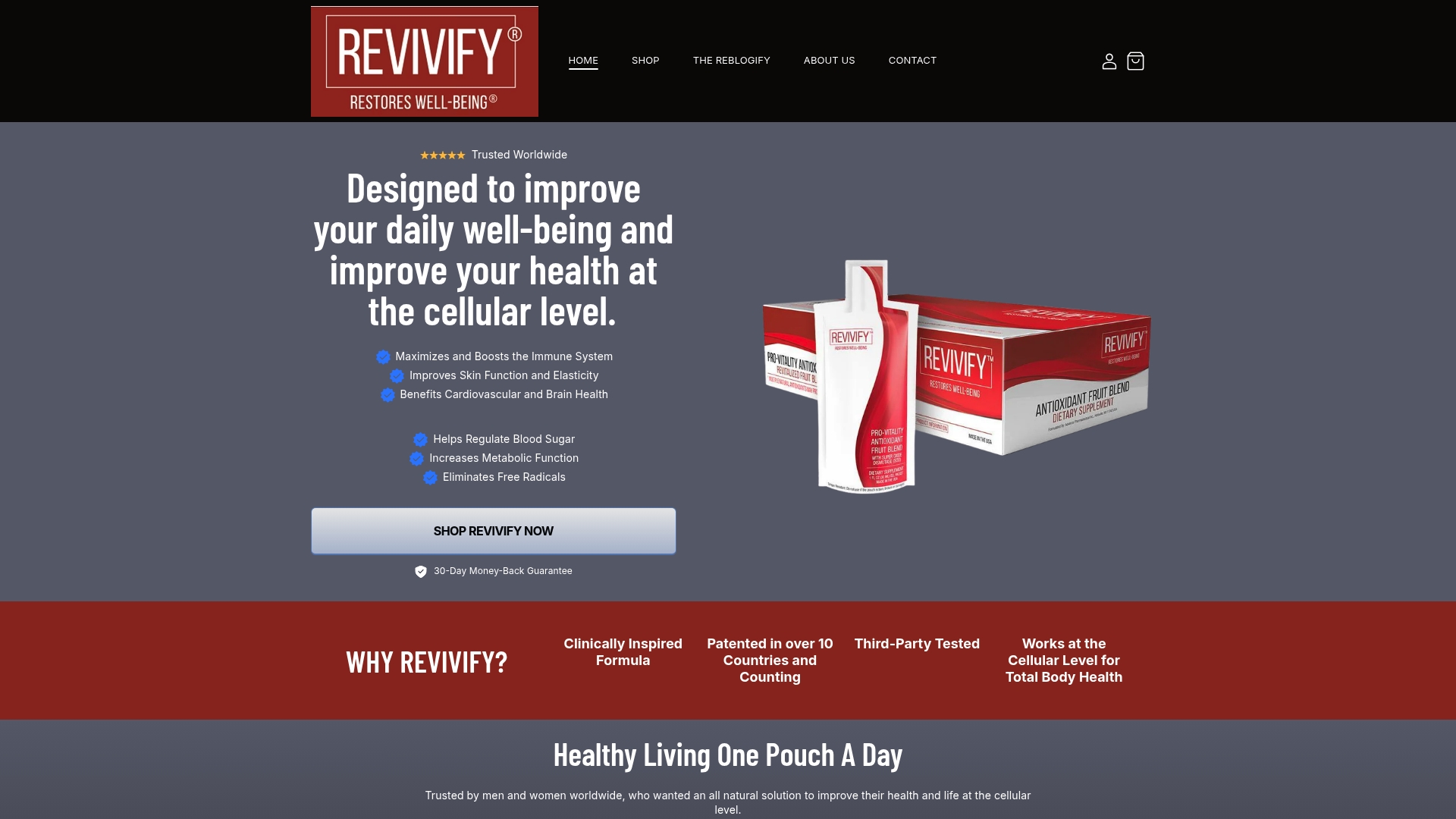
The formula is plant-based, third-party tested, and available with a subscription option for the long-term consistency this protocol requires. It is not a replacement for the dietary and lifestyle steps in this guide. It is a targeted addition for people who want to close the gap between what their diet provides and what their cells need during active repair phases. Revivify is particularly well-suited to the Repair and Rebalance phases (weeks 4 onward), when antioxidant demand is highest and prebiotic fiber intake needs to be consistent and reliable.
If you are managing a complex medical condition, consult your clinician before adding any supplement. For everyone else, visit Tryrevivify to review the full product details and start with a single-purchase option before committing to a subscription.
Sources
- Nature review on microbiome recovery after perturbation
- Review: ecology of microbiome perturbation and recovery
- The Gut Healing Protocol: The 5R Framework Explained
- Linus Pauling Institute / Oregon State: Gut health overview
- Which? — How to restore gut health after antibiotics
- How to heal your gut without lab tests — Dr. Michael Ruscio
This article is for general informational purposes only and is not a substitute for professional medical advice. Consult a qualified clinician before making significant dietary changes or starting new supplements, particularly if you have a chronic condition or are on medications.