

Common Digestive Oxidative Stress Causes Explained
Oxidative stress in the gut is defined as an imbalance where reactive oxygen species (ROS) and reactive nitrogen species (RNS) overwhelm the body’s antioxidant defenses, causing direct damage to the intestinal lining and triggering persistent inflammation. The common digestive oxidative stress causes range from processed food consumption and gut microbiota dysbiosis to ischemia-reperfusion injury and mitochondrial dysfunction. Enzymes like superoxide dismutase (SOD), catalase, and glutathione peroxidase are your frontline defenders. When these systems are outpaced, the result is bowel barrier injury and inflammation that underlies conditions like inflammatory bowel disease (IBD), leaky gut, and chronic digestive disorders. Understanding where the imbalance starts is the first step toward addressing it.
1. Common digestive oxidative stress causes: luminal triggers
The intestinal lumen, the hollow space inside your gut where digestion happens, is the first battleground for oxidative stress. What you eat, what lives in your microbiome, and what pathogens pass through all determine how much ROS accumulates here.
Several luminal factors drive oxidative stress in digestion:
- Processed and ultra-processed foods contain pro-oxidant compounds, including oxidized lipids, advanced glycation end products (AGEs), and artificial additives that directly generate ROS during digestion.
- Gut microbiota dysbiosis disrupts the balance between beneficial and harmful bacteria. Harmful bacteria produce hydrogen peroxide and other oxidants as metabolic byproducts, flooding the lumen with free radicals.
- Small intestinal bacterial overgrowth (SIBO) concentrates bacterial populations in a region where they do not belong, amplifying local ROS production and damaging epithelial cells before nutrients are even absorbed.
- Bacterial toxins and lipopolysaccharides (LPS) from gram-negative bacteria activate immune cells in the gut wall, which then release additional ROS as part of the inflammatory response.
- Alcohol and NSAIDs like ibuprofen deplete glutathione, one of the gut’s most important non-enzymatic antioxidants, leaving the lumen poorly defended.
The bidirectional interaction between ROS and microbiota metabolites means that dysbiosis does not just cause oxidative stress. Oxidative stress also worsens dysbiosis, creating a self-reinforcing cycle that is difficult to break without addressing both sides.
Pro Tip: Reducing ultra-processed food intake is one of the fastest ways to lower luminal ROS load. Replacing refined carbohydrates and seed oils with whole foods cuts off a primary fuel source for gut oxidative damage.

2. Mucosal epithelial injury and how oxidative stress breaks the gut barrier
The intestinal epithelium is a single-cell-thick layer separating your gut contents from your bloodstream. Oxidative stress attacks this layer through several distinct mechanisms, each compounding the last.
-
Ischemia-reperfusion injury is one of the most acute causes. When blood flow to the gut is temporarily cut off and then restored, a burst of ROS floods the tissue on reperfusion. Research shows that structural damage during ischemia is dramatically worsened by this ROS surge, leading to mucosal injury and systemic inflammation.
-
Tight junction protein disruption follows ROS accumulation. Tight junctions are the molecular “seals” between epithelial cells. When ROS oxidize these proteins, the seals loosen, and the gut becomes permeable. This is what clinicians call “leaky gut,” and it allows bacterial fragments and undigested food particles to enter the bloodstream.
-
Immune cell infiltration creates a feedback loop. Neutrophils and macrophages recruited to the damaged site release additional ROS and RNS as weapons against pathogens. In doing so, they damage lipids, proteins, and nucleic acids in surrounding epithelial cells, perpetuating the very injury they were sent to repair.
-
Arachidonic acid (AA) signaling disruption is a less-discussed but clinically significant mechanism. Oxidative stress impairs intestinal epithelial cell differentiation through AA pathways, and blocking AA signaling reduces inflammation and improves cell viability in experimental models. This explains why two people with similar oxidative stress levels can experience very different digestive symptoms.
“Oxidative stress does not just damage cells uniformly. It shifts the entire signaling environment of the gut epithelium, altering how cells differentiate, absorb nutrients, and respond to threats.”
The practical implication is that symptoms of digestive oxidative stress, including bloating, irregular bowel movements, and food sensitivities, often reflect epithelial signaling disruption rather than simple cell death. You can read more about how these oxidative stress inflammation symptoms manifest across the body.
3. Mitochondrial dysfunction as a driver of gut oxidative damage
Mitochondria are the energy factories inside every gut cell, and they are also a major internal source of ROS. Under normal conditions, mitochondria produce small amounts of superoxide as a byproduct of energy generation. Antioxidant enzymes neutralize this superoxide before it causes harm. Under stress, that balance collapses.
When gut cells experience oxygen-glucose deprivation followed by reperfusion (a model that mirrors ischemia-reperfusion injury), mitochondrial membrane potential drops sharply. This loss of membrane integrity causes a surge in mitochondrial ROS production. Research using OGD/R Caco-2 cell models, which simulate intestinal epithelial cells under oxidative stress, shows that mitochondrial DNA (mtDNA) is released into the cytoplasm and extracellular space. Once released, mtDNA acts as a danger signal that activates inflammatory pathways, amplifying gut inflammation well beyond the original injury site.
Tranexamic acid (TXA) has been studied in this context. In the same Caco-2 model, TXA improved tight epithelial resistance (TEER), reduced gut permeability measured by FITC-dextran leakage, suppressed mtDNA release, and restored mitochondrial membrane potential. This is not a recommendation to take TXA. It is evidence that targeting mitochondrial pathways specifically, rather than flooding the system with general antioxidants, produces measurable improvements in gut barrier function.
Pro Tip: Coenzyme Q10 (CoQ10) and magnesium are two nutrients that support mitochondrial membrane integrity. Both are commonly depleted in individuals with chronic digestive disorders, making dietary repletion a practical starting point.
| Mitochondrial marker | Effect of oxidative stress | Observed outcome |
|---|---|---|
| Membrane potential | Decreased | Reduced ATP production, increased ROS |
| mtDNA release | Increased | Activates inflammatory signaling pathways |
| Tight junction resistance (TEER) | Decreased | Greater intestinal permeability |
| FITC-dextran permeability | Increased | Confirms barrier breakdown |
4. The oxidative stress and gut microbiota feedback loop
The relationship between oxidative stress and your gut microbiome is not one-directional. Each drives the other, and this bidirectional loop is one of the primary reasons chronic digestive issues are so persistent.
Here is how the cycle operates:
- Oxidative stress alters microbiota composition. ROS and RNS create a hostile environment that selectively kills off beneficial bacteria like Lactobacillus and Bifidobacterium species while favoring oxidant-tolerant pathogenic strains.
- Dysbiotic bacteria generate more oxidants. The surviving pathogenic bacteria produce hydrogen peroxide, short-chain fatty acid imbalances, and LPS, all of which add to the oxidative burden in the lumen.
- Microbiome metabolites influence redox balance. Beneficial bacteria produce short-chain fatty acids (SCFAs) like butyrate, which support epithelial cell energy and antioxidant gene expression. When these bacteria are depleted, SCFA production drops, and the epithelium loses a key source of redox support.
- Barrier dysfunction allows more bacterial translocation. As tight junctions loosen, more bacterial fragments cross into the gut wall, triggering immune activation and more ROS production.
Research confirms that probiotics enhance antioxidant enzymes including SOD and catalase while reducing oxidative damage markers in the gut. This suggests that restoring microbiome balance is not just a digestive health strategy. It is a direct antioxidant intervention. Learning how to improve your gut microbiome with prebiotics is one of the most evidence-supported steps you can take.
| Approach | Mechanism | Evidence level |
|---|---|---|
| Probiotic supplementation | Increases SOD and catalase activity | Clinical and animal studies |
| Prebiotic fiber intake | Feeds SCFA-producing bacteria, supports redox balance | Strong observational and intervention data |
| Polyphenol-rich diet | Reduces luminal ROS, supports microbiome diversity | Multiple human trials |
| Systemic antioxidant supplements | Broad ROS reduction, may disrupt redox signaling | Mixed, context-dependent results |
The comparison above matters because gut-localized antioxidant strategies show more promise than systemic approaches for preventing intestinal oxidative damage. Flooding your system with high-dose vitamin C or E does not necessarily fix what is happening inside the gut lumen or at the epithelial surface.
Key takeaways
Digestive oxidative stress is driven by three interconnected compartments: the gut lumen, the mucosal epithelium, and mitochondria inside gut cells, and addressing all three is required for lasting improvement.
| Point | Details |
|---|---|
| Luminal ROS sources | Processed foods, dysbiosis, SIBO, and bacterial toxins are the primary lumen-level triggers. |
| Epithelial barrier damage | ROS disrupts tight junction proteins and arachidonic acid signaling, causing permeability and varied symptoms. |
| Mitochondrial role | mtDNA release from stressed mitochondria activates inflammatory pathways beyond the original injury site. |
| Microbiome feedback loop | Oxidative stress and dysbiosis reinforce each other; restoring microbiome balance is a direct antioxidant strategy. |
| Targeted over systemic | Gut-localized antioxidant approaches outperform broad systemic supplementation for intestinal redox balance. |
Why I think most people are approaching gut oxidative stress backwards
When someone comes to me with chronic bloating, irregular digestion, or persistent gut inflammation, the first question they usually ask is: “What antioxidant should I take?” That instinct is understandable, but it misses the point.
The science is clear that non-selective systemic antioxidants can actually interfere with physiological redox signaling when used indiscriminately. Your body uses controlled amounts of ROS as signaling molecules. Wiping them out systemically is not the same as fixing the source of the imbalance.
What I have found more useful is thinking in compartments. Is the problem primarily luminal? Then diet and microbiome restoration come first. Is it epithelial? Then tight junction support and reducing inflammatory triggers matter most. Is it mitochondrial? Then cellular energy support and targeted antioxidant enzymes like SOD are the more logical tools. The connection between oxidative stress and inflammation in the body is real, but the solution is rarely a single supplement taken in isolation.
The people I see make the most progress are those who combine dietary changes, microbiome support, and stress reduction with targeted supplementation. Not one or the other. All three, working together, addressed at the right level.
— Larry
Support your gut health at the cellular level with Tryrevivify
If you have identified oxidative stress as a factor in your digestive issues, the next step is supporting your body’s antioxidant defenses where it counts most: at the cellular level.
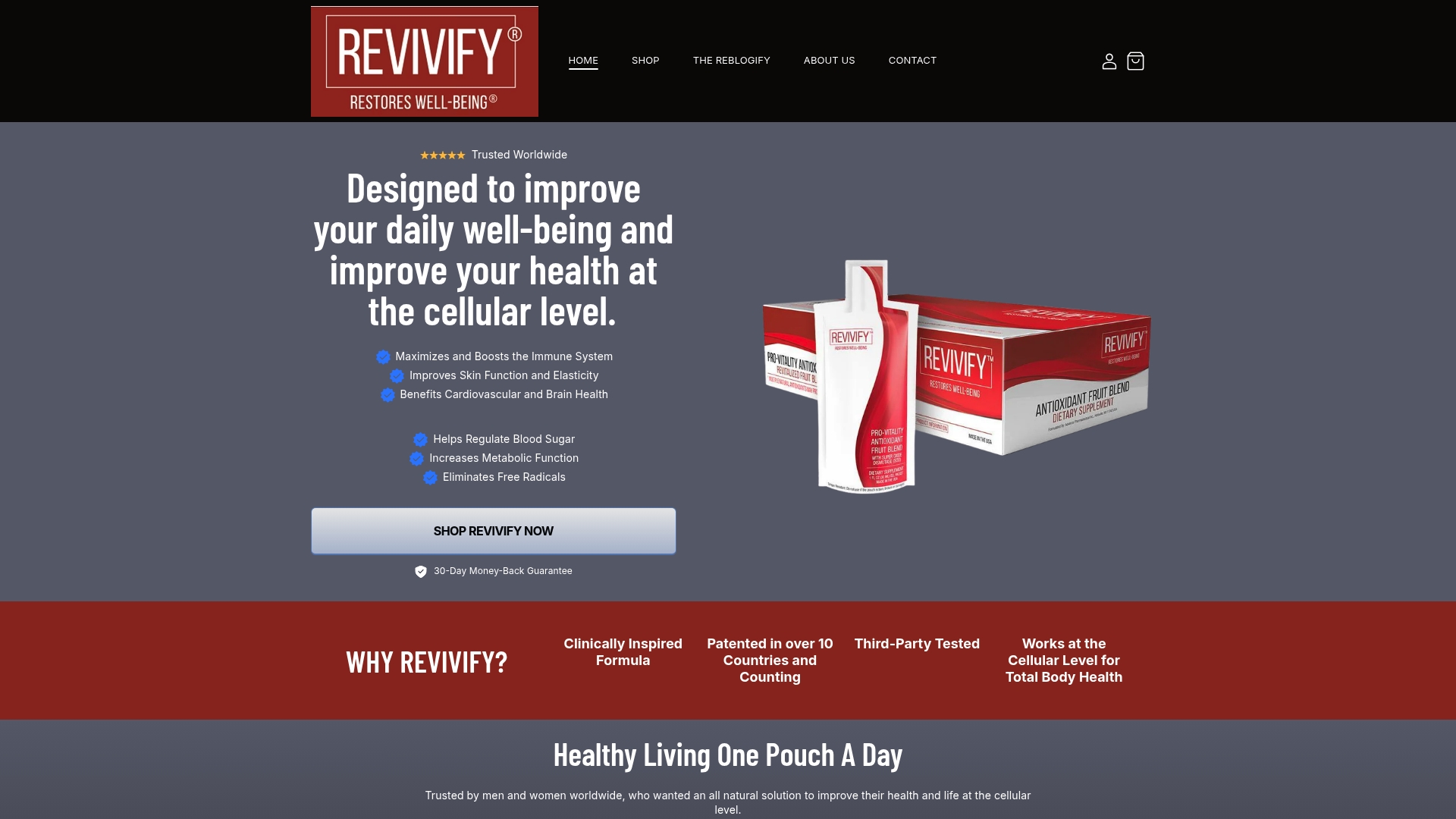
Tryrevivify combines superoxide dismutase (SOD), the enzyme that neutralizes superoxide radicals before they cascade into broader oxidative damage, with prebiotic fiber that feeds the beneficial bacteria your gut needs to maintain redox balance. This patented formula works at the intersection of two of the most critical factors in digestive oxidative stress: antioxidant enzyme activity and microbiome health. It is not a generic antioxidant supplement. It is designed to support the specific biological systems this article has described. Explore the 30-day supply and see how Tryrevivify fits into your gut health strategy.
FAQ
What are the main causes of oxidative stress in digestion?
The primary causes include processed food consumption, gut microbiota dysbiosis, SIBO, ischemia-reperfusion injury, and mitochondrial dysfunction inside gut cells. Each raises ROS levels in the gut lumen or epithelium, overwhelming antioxidant defenses like SOD, catalase, and glutathione.
What are the symptoms of digestive oxidative stress?
Common symptoms include bloating, irregular bowel movements, food sensitivities, and gut permeability (leaky gut). These reflect tight junction disruption and altered epithelial signaling driven by ROS accumulation, not just general inflammation.
How does gut microbiota affect oxidative stress?
Dysbiotic bacteria generate oxidants while depleting beneficial bacteria that produce butyrate and support antioxidant enzyme activity. Research shows probiotics restore SOD and catalase levels, confirming that microbiome balance directly influences gut redox status.
Can diet reduce oxidative stress in the gut?
Yes. Reducing ultra-processed foods lowers luminal ROS load, while polyphenol-rich foods and prebiotic fiber support microbiome diversity and SCFA production. Diet is the most accessible lever for managing the impact of diet on oxidative stress in the digestive tract.
Are antioxidant supplements effective for digestive oxidative stress?
Systemic antioxidant supplements show mixed results because they can disrupt physiological redox signaling. Gut-localized strategies, including SOD-based supplements and prebiotic fiber, are better matched to the specific mechanisms driving intestinal oxidative damage.