

Enzyme Therapy for Inflammation Naturally: Evidence & How to Use
Systemic enzyme therapy can meaningfully reduce inflammation for certain conditions, and the clinical evidence is stronger than most people realize. Multiple randomized controlled trials and narrative reviews support oral enzyme combinations, particularly bromelain, trypsin, and rutin, for conditions like knee osteoarthritis and postoperative inflammation. A randomized, double-blind trial of the EnMax protease-rutin formulation reported CRP reductions of 57% and ESR reductions of 61.32% over seven days compared to placebo. A Springer 2022 narrative review found oral enzyme combinations (OECs) can match NSAID efficacy for osteoarthritis pain with a better side-effect profile. For daily antioxidant and oxidative-stress support, Tryrevivify’s Revivify supplement combines superoxide dismutase (SOD) and prebiotic fiber in a patented formula aligned with this evidence-first approach.
Safety callout: If you take anticoagulants (warfarin, DOACs), are pregnant, breastfeeding, or have known pineapple or papaya allergies, consult a clinician before starting any enzyme supplement.
Realistic benefits seen in trials:
- Reduced joint pain and stiffness (osteoarthritis, postoperative)
- Lower CRP and ESR inflammatory biomarkers
- Decreased swelling and edema after orthopedic procedures
- Reduced analgesic consumption in some postoperative trials
- Attenuation of low-grade systemic inflammation markers (IL-6)
Statistic callout: The EnMax RCT reported an 89.77% relative reduction in inflammation scores and a 93.10% reduction in pain scores by the final visit in the enzyme group, compared to placebo.
Pro Tip: Enzyme therapy for inflammation naturally works best as part of a broader plan. Supplements alone rarely replicate the combined effect of targeted enzymes plus an anti-inflammatory diet and consistent movement.
Key Takeaways
Systemic enzyme therapy, particularly oral enzyme combinations containing bromelain, trypsin, and rutin, has RCT and review-level support for reducing inflammation and pain in osteoarthritis and postoperative settings, with a better tolerability profile than NSAIDs.
| Point | Details |
|---|---|
| Strongest evidence base | OECs (bromelain + trypsin + rutin) show NSAID-comparable pain relief for knee OA with fewer GI side effects. |
| Key biomarker data | The EnMax RCT reported CRP reduced 57% and ESR reduced 61.32% over seven days in the enzyme group. |
| Critical safety check | Anyone on anticoagulants, pregnant, or pre-surgery must consult a clinician before starting enzyme supplements. |
| How to take them | Use enteric-coated formulas in a fasted state (30–60 min before eating) to achieve systemic rather than digestive effect. |
| Tryrevivify’s Revivify | A daily SOD and prebiotic fiber supplement for antioxidant and oxidative-stress support, third-party tested and plant-based. |
An editorial perspective on enzyme therapy in practice
Enzyme therapy sits in an interesting position in the natural health space: it has more rigorous clinical backing than most people assume, yet it is consistently oversold by supplement marketers who ignore the formulation details that actually drive results. The trials that show real biomarker changes used specific, enteric-coated combinations with standardized activity units and rutin co-factors. A generic “digestive enzyme” capsule taken with lunch is not the same intervention.
What I find most compelling about the evidence is not the headline biomarker numbers but the analgesic-sparing effect. When people in postoperative trials need less pain medication because their enzyme supplement is doing part of the work, that is a clinically meaningful outcome, not just a statistical one. For someone managing chronic joint pain who wants to reduce their NSAID burden, that signal is worth taking seriously.
The realistic timeline matters too. Trials showing symptom changes ran for days to weeks for acute inflammation and up to 90 days for OA. If you try an OEC for two weeks and feel nothing, that is not necessarily a failure. Chronic inflammation took time to develop; it takes time to shift. Monitor your symptoms and, if possible, track a simple biomarker like CRP with your clinician to get an objective read on whether the intervention is working.
The honest recommendation: start with a well-formulated OEC that matches the trial evidence, pair it with the dietary and lifestyle changes described above, and give it a full trial period before drawing conclusions. Revivify’s SOD-based formula fits alongside that plan as a daily oxidative-stress support tool, not a replacement for the proteolytic combinations studied in OA trials, but a meaningful complement for people managing the antioxidant dimension of chronic inflammation.
This article is general information, not a substitute for advice from a qualified doctor. Consult a qualified healthcare professional about your own circumstances before acting on anything here.
Table of Contents
- How natural enzymes reduce inflammation in your body
- Which enzymes have human evidence for anti-inflammatory effects?
- What does the clinical evidence actually show?
- How to take enzyme supplements for systemic, not just digestive, effect
- Safety, side effects, and drug interactions you need to know
- How to choose a safe, evidence-backed enzyme supplement
- How enzyme therapy fits into an overall anti-inflammatory plan
- Why you can trust this guidance: evidence selection and limitations
- Revivify: a daily antioxidant option worth considering
- Sources
How natural enzymes reduce inflammation in your body
Proteolytic and antioxidant enzymes act systemically to modulate cytokines, break down inflammatory mediators, and scavenge reactive oxygen species (ROS). That dual action is what separates them from single-pathway anti-inflammatory drugs and helps explain the analgesic-sparing effects observed in trials.
Here is how the process works when you take an oral systemic enzyme supplement correctly:
- Oral delivery in a fasted state allows enteric-coated enzymes to pass through the stomach without being degraded by gastric acid.
- Absorption in the small intestine enables intact enzyme molecules to enter systemic circulation.
- Systemic proteolysis breaks down circulating inflammatory proteins, fibrin deposits, and cytokines like TNF-α and IL-6 that drive chronic inflammation.
- Antioxidant activity neutralizes ROS before they can damage cell membranes and amplify the inflammatory cascade.
- NF-κB modulation reduces the transcription of pro-inflammatory genes, dampening the body’s inflammatory signaling at the source.
- Clinical outcomes include reduced pain, lower edema, and measurable drops in biomarkers like CRP and ESR.
The PMC mechanistic review confirms that natural enzymes including SOD, catalase, bromelain, and papain reduce inflammation through ROS scavenging, cytokine degradation, and blocking cytokine release by targeting exocytosis-related receptors. Think of SOD as the first runner in a relay: it converts the most damaging free radical (superoxide) into hydrogen peroxide, which catalase then neutralizes. Proteolytic enzymes like bromelain and trypsin handle the downstream work, clearing fibrin and cytokine debris from inflamed tissue.
Two enzyme classes, two complementary jobs:
- Proteolytic enzymes (bromelain, trypsin, chymotrypsin, papain, serratiopeptidase): break down proteins involved in inflammation, reduce fibrin buildup, and clear cellular debris from injured tissue.
- Antioxidant enzymes (SOD, catalase, glutathione peroxidase): neutralize ROS directly, protecting cells from oxidative damage that sustains chronic inflammation.
Statistic callout: The PMC review identifies at least three distinct mechanistic pathways through which enzyme-based therapeutics reduce inflammation, including ROS neutralization, degradation of circulating inflammatory cytokines, and blocking cytokine release via exocytosis-related receptor targeting.
Pro Tip: Fasted-state dosing is not optional for systemic effect. Taking proteolytic enzymes with a protein-heavy meal redirects them to digestion rather than systemic circulation, which is why most clinical trials dose them 30–60 minutes before eating or 2 hours after.
For a deeper look at how antioxidant enzymes support immune function, the Revivify blog covers the cellular mechanics in plain language.
Which enzymes have human evidence for anti-inflammatory effects?
The strongest candidates are proteolytic enzyme combinations (bromelain + trypsin, often with rutin or rutoside), papain, serratiopeptidase, and antioxidant enzymes like SOD and catalase. Single-enzyme supplements have weaker evidence than multi-enzyme plus flavonoid combinations, and formulation quality matters as much as the enzyme itself.
Bromelain + trypsin + rutin (OECs) This combination has the most robust human evidence. Multiple RCTs tested it against NSAIDs for knee osteoarthritis and found comparable pain and function outcomes with fewer GI adverse events. The rutin (a flavonoid) appears to act synergistically, enhancing the anti-inflammatory effect beyond what either enzyme achieves alone. For anyone who has struggled with NSAID-related stomach issues, this combination is the most clinically grounded natural alternative.

Bromelain (standalone) Derived from pineapple stem, bromelain has RCT support for postoperative swelling and some evidence in sports injuries. Memorial Sloan Kettering’s integrative medicine resource notes its historical use for musculoskeletal inflammation while flagging that evidence quality varies. It works best as part of a combination rather than solo.
Papain Papain, derived from papaya, shares proteolytic mechanisms with bromelain and appears in several multi-enzyme formulations studied in orthopedic and postoperative settings. Evidence is primarily from combination trials rather than standalone papain studies.
Serratiopeptidase Discussed in narrative reviews for postoperative swelling and sinusitis, serratiopeptidase has a following in European and Asian clinical practice. Evidence from large, well-controlled U.S. trials is limited, so it is best considered a supporting enzyme in a combination rather than a primary therapeutic agent.
SOD and catalase (antioxidant enzymes) These are investigational and adjunct approaches for systemic oxidative-stress reduction. SOD in particular is the subject of growing clinical interest for metabolic and low-grade inflammatory conditions. Oral bioavailability of native SOD is low, which is why encapsulated or gel-based delivery formats (like the one Tryrevivify uses in Revivify) are designed to improve absorption.
Pro Tip: When comparing products, look for a supplement that lists enzyme activity in standardized units (FIP, USP, or DU) rather than just milligrams. Milligrams alone tell you nothing about potency.
What does the clinical evidence actually show?
Multiple small-to-moderate RCTs and narrative reviews suggest enzyme combinations produce benefits similar to NSAIDs for certain conditions, with a better tolerability profile, though larger long-term trials remain limited. The evidence is strongest for osteoarthritis and postoperative orthopedic inflammation.
| Trial / Review | Population | Intervention | Primary Outcomes | Takeaway |
|---|---|---|---|---|
| EnMax RCT, Scientific Reports 2025 | Postoperative orthopedic surgery patients | Protease + rutin formulation vs. placebo and comparator enzyme | CRP reduced 57%, ESR reduced 61.32%, pain reduced 93.10%, inflammation reduced 89.77% by final visit | Strongest single-trial biomarker data; 7-day duration |
| Springer narrative review 2022 | Knee osteoarthritis patients | Bromelain + trypsin + rutin OECs vs. NSAIDs | Comparable pain and function; fewer GI adverse events in enzyme groups | Best evidence for OA; supports long-term use case |
| Wobenzym crossover RCT, ScienceDirect | Healthy adults with low-grade inflammation | Wobenzym systemic enzyme supplement | Reduced IL-6 overall; CRP reduction significant in men, not women | Sex-dependent response; supports short-term anti-inflammatory effect |
| PMC sports/injury review | Athletes and injury patients | Various proteolytic enzyme combinations | Faster swelling reduction, lower analgesic use after injury or fracture | Useful for sports recovery context; smaller trials |
Evidence quality notes:
- Most trials are small-to-moderate in sample size and short in duration (days to weeks).
- Formulations vary across studies, making direct comparisons difficult.
- The EnMax trial is the most rigorous recent RCT with biomarker endpoints.
- The Wobenzym crossover trial highlights that responses can differ by sex, a variable most enzyme studies have not examined systematically.
Statistic callout: The Wobenzym crossover RCT found IL-6 reductions across participants and CRP reductions that were statistically significant in men but not women over a 4-week period, suggesting individual response variability is real and worth monitoring.
For context on what chronic systemic inflammation means and how biomarkers like CRP and IL-6 are measured, the Revivify blog has a dedicated explainer.
How to take enzyme supplements for systemic, not just digestive, effect
Systemic effect requires taking enteric-coated or otherwise protected oral enzymes in a fasted state. This is the single most important practical point most supplement labels underemphasize.
Key formulation types:
- Enteric-coated multi-enzyme tablets (e.g., OECs with bromelain + trypsin + rutin): the format used in most clinical trials; coating protects enzymes through the stomach.
- Enteric-coated single-enzyme capsules: used in some bromelain and serratiopeptidase trials; less evidence than combinations.
- Gel-based or encapsulated delivery: designed to improve bioavailability of enzymes like SOD that degrade easily in the GI tract.
- Food sources (pineapple, papaya, fermented foods): provide some proteolytic enzyme activity but at doses far below those used in clinical trials; useful as dietary complements, not therapeutic replacements.
Practical dosing guidance from trials:
- Take enteric-coated enzyme supplements 30–60 minutes before a meal or at least 2 hours after eating.
- Use a full glass of water (8 oz minimum) to support transit through the stomach.
- Avoid co-administering with protein-heavy meals or high-acid beverages when seeking systemic action.
- Check that the label lists enzyme activity in standardized units (FIP for proteases, USP or DU for amylases) rather than weight alone.
- Most OA and postoperative trials ran for 7–90 days; expect measurable symptom changes within days to a few weeks for acute inflammation, longer for chronic conditions.
Pro Tip: Enteric coating is not a marketing feature. It is the mechanism that allows proteolytic enzymes to survive gastric acid and reach systemic circulation intact. A non-enteric-coated bromelain capsule taken with food is primarily a digestive aid, not a systemic anti-inflammatory.
For a broader look at natural anti-inflammatory supplement types and how they compare, the Revivify blog covers the full spectrum of evidence-backed options.
Safety, side effects, and drug interactions you need to know
Systemic enzyme supplements are generally well tolerated in clinical trials, but meaningful interactions and contraindications exist that make a clinician check non-negotiable for certain people.
Common side effects reported in trials and post-market experience:
- Mild GI upset (nausea, bloating, loose stools), especially at higher doses
- Allergic reactions in people with pineapple or papaya allergies (bromelain and papain are derived from these fruits)
- Rare skin reactions or urticaria
Drug interactions to take seriously:
- Anticoagulants and antiplatelets (warfarin, DOACs like apixaban or rivaroxaban, aspirin): proteolytic enzymes can enhance anticoagulant effects and increase bleeding risk. This is the most clinically significant interaction.
- Other blood-thinning supplements (fish oil at high doses, vitamin E, garlic extract): additive effects with enzyme supplements may increase bleeding risk.
- Antibiotics: some evidence suggests bromelain may increase absorption of certain antibiotics; discuss with a pharmacist.
Who should consult a clinician before starting:
- Anyone on anticoagulant or antiplatelet therapy
- Pregnant or breastfeeding women
- People with known allergies to pineapple, papaya, or latex (cross-reactivity possible)
- Anyone scheduled for surgery (stop enzyme supplements at least 2 weeks before, unless cleared by a clinician)
- People with chronic conditions requiring regular lab monitoring (kidney disease, liver disease)
Pro Tip: Before your next scheduled procedure, tell your surgeon about every supplement you take, including enzyme products. Proteolytic enzymes affect clotting and wound healing in ways that matter in a surgical context.
How to choose a safe, evidence-backed enzyme supplement
Not all enzyme supplements are created equal, and the gap between a well-formulated product and a poorly standardized one is large enough to explain why some people see no benefit.
Product quality checklist:
- Standardized enzyme activity units: look for FIP (Fédération Internationale Pharmaceutique) units for proteases, USP units for pancreatic enzymes, or DU (dextrinizing units) for amylases. Milligrams alone are insufficient.
- Third-party testing: a certificate of analysis (COA) from an independent lab confirms potency and purity. NSF International, USP Verified, and Informed Sport are recognized U.S. testing programs.
- Full ingredient transparency: the label should list each enzyme by name, its activity unit, and the dose of any co-factors like rutin. Proprietary blends that hide individual amounts are a red flag.
- Enteric coating: confirmed on the label for any proteolytic enzyme intended for systemic use.
- Absence of unnecessary fillers: avoid products with artificial dyes, high-dose magnesium stearate, or undisclosed “other ingredients.”
- Rutin or rutoside content: if you are targeting OA or postoperative inflammation, the clinical evidence favors combinations that include rutin alongside bromelain and trypsin.
Questions to ask your clinician or pharmacist:
- Does this enzyme supplement interact with any of my current medications?
- Should I monitor any labs (INR, CRP) while taking it?
- Is there a specific formulation or activity unit level that matches what was used in the trials relevant to my condition?
Reading the label:
Enzyme activity is listed per serving, not per capsule in some products. Confirm the serving size, then calculate activity per dose. A product listing “500 mg bromelain” with no GDU (gelatin digesting units) or FIP activity listed cannot be compared to a trial-tested formulation.
Pro Tip: Search the FDA’s Dietary Supplement Label Database or the NSF Certified for Sport database to verify third-party testing status before purchasing any enzyme supplement.
How enzyme therapy fits into an overall anti-inflammatory plan
Enzyme therapy is an adjunct, not a replacement. It works best when layered on top of an anti-inflammatory diet and regular physical activity, not substituted for them.
Complementary strategies that amplify enzyme therapy:
- Mediterranean-style eating: emphasizes olive oil, fatty fish, legumes, vegetables, and whole grains. Harvard Health research confirms that overall dietary patterns, not individual foods, drive anti-inflammatory benefits.
- Omega-3 fatty acids: from fatty fish (salmon, sardines, mackerel) or algae-based supplements; EPA and DHA directly modulate prostaglandin and leukotriene pathways.
- Prebiotic fiber: feeds beneficial gut bacteria that produce short-chain fatty acids, which reduce intestinal inflammation and support systemic immune regulation.
- Regular aerobic and resistance exercise: lowers baseline CRP and IL-6 over time; even 30 minutes of moderate activity most days produces measurable anti-inflammatory effects.
- Weight management: adipose tissue is metabolically active and secretes pro-inflammatory cytokines; reducing excess body fat lowers baseline inflammatory load.
- Sleep quality: poor sleep elevates IL-6 and CRP; 7–9 hours of consistent sleep is one of the most underused anti-inflammatory interventions.
- Stress reduction: chronic psychological stress activates the HPA axis and sustains cortisol-driven inflammation; mindfulness, breathing practices, and social connection all reduce this load.
Two practical meal ideas that complement enzyme therapy:
A breakfast of Greek yogurt with walnuts, blueberries, and a drizzle of olive oil delivers polyphenols, omega-3s, and prebiotic fiber in one bowl. A lunch of wild salmon over arugula with lemon-olive oil dressing and a side of lentils hits omega-3s, polyphenols, and fiber simultaneously.

Timing tip: Take your enzyme supplement 30–60 minutes before either of these meals, not with them, to preserve systemic absorption.
Pro Tip: Fiber and polyphenols from food work synergistically with enzyme supplements at the gut level. Prebiotic fiber feeds the microbiome that helps regulate systemic inflammation, while polyphenols like rutin (also found in buckwheat and citrus peel) may enhance enzyme activity directly.
For practical steps on reducing chronic inflammation naturally through diet, sleep, and movement, the Revivify blog offers an eight-step framework grounded in the same evidence base.
Why you can trust this guidance: evidence selection and limitations
The guidance in this article draws from RCTs, randomized crossover trials, and peer-reviewed narrative and systematic reviews published in journals including Scientific Reports, Rheumatology and Therapy (Springer), and sources indexed on PubMed/NCBI.
Major sources used:
- EnMax postoperative RCT (Scientific Reports, 2025): the most recent and rigorously designed trial with biomarker endpoints.
- Springer narrative review (Rheumatology and Therapy, 2022): the most comprehensive review of OEC evidence for osteoarthritis.
- Wobenzym crossover RCT (Food & Chemical Toxicology, 2015): the primary source for low-grade systemic inflammation and sex-dependent response data.
- PMC mechanistic review (2024): the primary source for enzyme mechanism-of-action claims.
- Memorial Sloan Kettering integrative medicine resource: authoritative clinical-consumer perspective on safety and evidence limitations.
Honest limitations of the evidence:
- Most trials are small (fewer than 200 participants) and short (7–90 days).
- Formulations vary widely across studies, making head-to-head comparisons difficult.
- Enzyme activity units are inconsistently reported, complicating dose translation to commercial products.
- Long-term safety data beyond 90 days is limited for most OECs.
- The Wobenzym trial’s sex-dependent CRP finding has not been replicated in larger studies.
Tryrevivify’s Revivify supplement is positioned as a daily antioxidant option combining SOD activity and prebiotic fiber, aligned with the antioxidant-enzyme mechanisms described in the PMC review. It is not a replacement for the OEC combinations studied in OA trials, but a complementary daily support tool for people managing oxidative stress and low-grade inflammation.
Consult a clinician before starting any enzyme supplement, particularly if you have a diagnosed inflammatory condition, take prescription medications, or are managing a chronic health concern. This article is general information, not medical advice.
Revivify: a daily antioxidant option worth considering
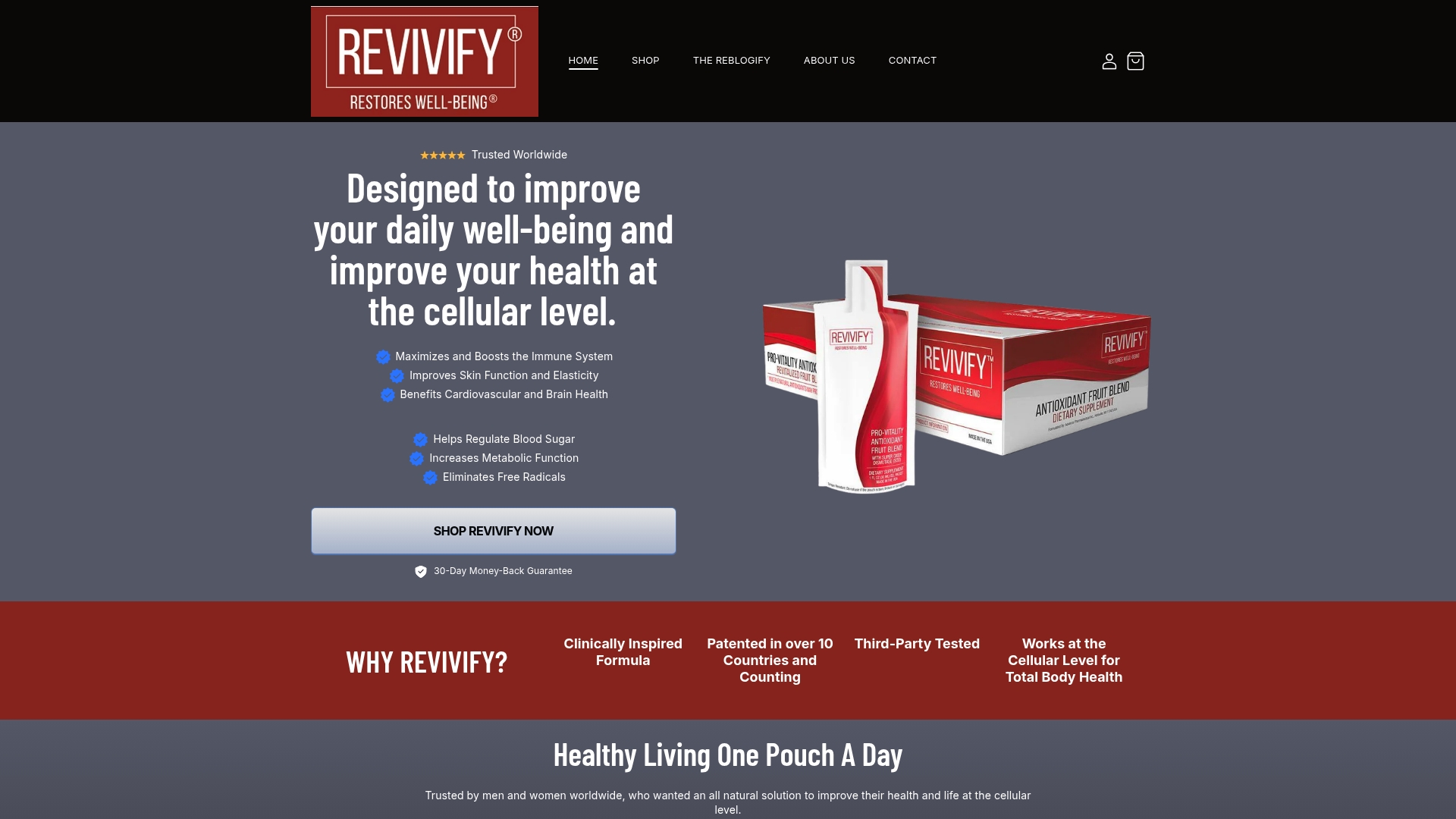
If you have read this far, you are looking for a natural approach to inflammation that is grounded in evidence, not marketing language. Tryrevivify’s Revivify supplement is built around exactly that premise. It combines superoxide dismutase (SOD), prebiotic fiber, polyphenols, and lactobacillus in a patented gel formula designed to reduce free radicals, support cellular health, and address the oxidative-stress component of chronic inflammation at the source.
SOD is the antioxidant enzyme the PMC mechanistic review identifies as a primary ROS scavenger. Revivify delivers it alongside prebiotic fiber that supports the gut microbiome’s own anti-inflammatory role, and polyphenols that work synergistically with enzyme activity. The formula is third-party tested, plant-based, and available with a risk-free guarantee and subscription options.
Revivify suits adults who want daily oxidative-stress and antioxidant support alongside diet and lifestyle changes, particularly those managing low-grade systemic inflammation, metabolic health, or digestive concerns. For a full ingredient breakdown and to check current supplement options, visit the Tryrevivify website and confirm the third-party testing documentation before ordering.
Sources
These are the highest-priority sources used in this article, each worth reading directly if you want to evaluate the evidence yourself.
- Combination of Enzymes and Rutin to Manage Osteoarthritis Symptoms: Lessons from a Narrative Review of the Literature | Rheumatology and Therapy | Springer Nature Link
- Enzyme-Based Anti-Inflammatory Therapeutics for Inflammatory Diseases - PMC
- Systemic enzyme therapy for postoperative inflammation and wound healing after orthopedic surgery: a randomized, placebo and active controlled clinical study | Scientific Reports
- Proteolytic enzymes | Memorial Sloan Kettering Cancer Center
- Anti-inflammatory diet: Foods that help reduce chronic inflammation | Harvard Health
A note on study design: When reading any enzyme trial, check sample size, duration, and whether the formulation used is commercially available. A trial of 40 patients over 7 days is useful signal, not definitive proof. Larger, longer trials are the next step the field needs.