

Gut Health Clear Skin Connection: Your 2026 Guide
The gut health clear skin connection is defined as the bidirectional relationship between your gut microbiome and your skin’s inflammatory state, mediated through immune signaling, microbial metabolites, and barrier function. Scientists call this the gut-skin axis, and 2026 research confirms it is not a peripheral theory. It is a central mechanism behind chronic skin conditions including acne, atopic dermatitis, and psoriasis. When your gut microbiota falls out of balance, a state called dysbiosis, the downstream effects show up on your face, your back, and your arms. Understanding this system is the first step toward doing something about it.
1. How the gut health clear skin connection actually works
The gut-skin axis is a bidirectional communication system between gut microbiota and skin tissue, operating through immune modulation, metabolite production, and neuroendocrine signaling. When gut bacteria are diverse and balanced, they produce compounds that suppress systemic inflammation and reinforce both intestinal and skin barrier integrity. When that balance breaks down, the consequences are systemic.
Gut dysbiosis reduces populations of beneficial bacteria like Bifidobacterium and Lactobacillus, which lowers production of short-chain fatty acids (SCFAs). SCFAs are small molecules produced when gut bacteria ferment dietary fiber, and they are among the most powerful anti-inflammatory signals your body generates. Without adequate SCFAs, intestinal permeability increases, a condition commonly called “leaky gut,” allowing bacterial endotoxins to enter the bloodstream and trigger immune responses that manifest visibly on skin.
- Reduced Bifidobacterium and Lactobacillus populations correlate with lower SCFA output
- Increased intestinal permeability allows lipopolysaccharides (endotoxins) to enter circulation
- Systemic immune activation drives inflammatory cytokine release affecting skin tissue
- Patients with acne, eczema, and psoriasis consistently show reduced microbiome diversity compared to healthy controls
This pattern is not coincidental. It reflects a systemic mechanism where gut imbalance functions as a chronic, low-grade inflammatory driver that skin conditions amplify and express.
2. The metabolites your gut makes that directly affect your skin

Short-chain fatty acids, particularly butyrate, are the most studied gut-derived compounds with direct skin benefits. Butyrate reduces inflammatory cytokine production by epigenetically promoting regulatory T cells, which are the immune cells responsible for keeping inflammation in check. This is not a minor effect. It is a fundamental immune calibration signal.
Here is how the key metabolites work:
- Butyrate increases mitochondrial metabolism in keratinocytes (the cells that form your outer skin layer), boosts barrier proteins, and decreases transepidermal water loss. The result is a more resilient, less reactive skin surface.
- Propionate and acetate (other SCFAs) support intestinal barrier integrity, reducing the endotoxin load that reaches systemic circulation and eventually triggers skin inflammation.
- Tryptophan metabolites produced by gut bacteria modulate immune responses through aryl hydrocarbon receptor pathways, influencing how skin responds to environmental stressors.
- Secondary bile acids regulate innate immune signaling and have been linked to inflammatory control in both gut and skin tissue.
These metabolites collectively support keratinocyte differentiation and skin repair. When your gut produces them in sufficient quantities, your skin’s barrier function improves measurably. When production drops due to dysbiosis, skin becomes more permeable, more reactive, and more prone to breakouts and flares.
Pro Tip: Fermented foods like plain kefir, kimchi, and unsweetened yogurt introduce live bacteria that support SCFA production. Pair them with high-fiber foods like oats, lentils, and flaxseed to give those bacteria the substrate they need to produce butyrate.
3. Natural foods and diet strategies for gut and skin health
Dietary fiber and polyphenol-rich foods feed beneficial bacteria and boost metabolite production, making them the most reliable long-term strategy for skin improvement through gut health. This is not about short-term probiotic fixes. It is about building a microbial environment that consistently produces the compounds your skin depends on.
The most effective dietary approach focuses on feeding your existing microbiota rather than simply adding new bacteria. Research supports this “feed first” model because microbial diversity responds more durably to substrate availability than to transient supplementation.
- Prebiotic fibers: Garlic, onions, leeks, asparagus, and Jerusalem artichokes feed Bifidobacterium and Lactobacillus strains directly. These foods increase SCFA output within days of consistent consumption.
- Polyphenol-rich foods: Blueberries, green tea, dark chocolate (above 70% cacao), and extra-virgin olive oil contain compounds that selectively promote beneficial bacterial growth while suppressing pathogenic strains.
- Probiotic foods: Plain yogurt with live cultures, kefir, sauerkraut, and miso introduce Lactobacillus and Bifidobacterium strains with documented skin benefits of gut health support.
- Omega-3 fatty acids: Fatty fish like salmon and sardines, as well as walnuts and chia seeds, reduce systemic inflammation and support skin lipid barrier integrity.
- Minimize ultra-processed foods: High-sugar, low-fiber diets reduce microbial diversity rapidly, increase intestinal permeability, and have been directly linked to acne severity through mTORC1 and IGF-1 signaling pathways.
Pro Tip: You do not need to overhaul your diet overnight. Add one prebiotic food and one polyphenol source per day for two weeks before making further changes. Gradual shifts produce more durable microbiome changes than aggressive dietary overhauls.
4. Probiotics for skin health: what the evidence actually shows
Probiotics, prebiotics, synbiotics, and postbiotics each represent a distinct category of microbiome-targeted therapy, and their clinical evidence for skin conditions varies considerably by condition and formulation.
| Therapy type | Definition | Evidence strength for skin | Best-supported condition |
|---|---|---|---|
| Probiotics | Live beneficial bacteria | Moderate to strong | Atopic dermatitis |
| Prebiotics | Non-digestible fibers feeding gut bacteria | Moderate | Acne, general skin health |
| Synbiotics | Combined probiotics and prebiotics | Moderate | Atopic dermatitis, eczema |
| Postbiotics | Bioactive compounds from bacterial metabolism | Emerging | Skin barrier repair |
Clinical evidence is strongest for atopic dermatitis, where probiotic supplementation with Lactobacillus rhamnosus GG and Bifidobacterium lactis strains has shown consistent reductions in symptom severity scores. Evidence for acne and psoriasis is moderate and more heterogeneous, meaning results depend heavily on the specific strain, dosage, and duration used.
Oral probiotics outperform topical microbiome therapies for systemic inflammatory conditions because they address the root cause rather than the surface expression. Topical applications of postbiotics and probiotic-derived compounds show promise for barrier repair but work best as adjuncts to oral and dietary strategies. The most consistent finding across studies is that microbiome-based interventions require sustained use over months, not days, to produce measurable skin improvements.
5. The brain-gut-skin axis and how stress wrecks your complexion
The brain-gut-skin axis is a three-way communication network where psychological stress directly alters gut microbiota composition, which then drives systemic inflammation that surfaces on skin. This is not metaphorical. It is a documented neuroendocrine pathway.
When you experience chronic stress, your hypothalamic-pituitary-adrenal (HPA) axis releases cortisol and other stress hormones that alter gut motility, reduce microbial diversity, and increase intestinal permeability. The brain-gut-skin axis links these changes directly to skin inflammation through immune and microbial pathways.
- Stress reduces Lactobacillus populations in the gut within days of onset
- Elevated cortisol increases intestinal permeability, allowing more endotoxins into circulation
- Neuroendocrine signals activate mast cells in skin, triggering histamine release and inflammation
- Chronic stress perpetuates a cycle where skin flares increase psychological distress, which worsens gut dysbiosis further
Therapies that address stress directly, including mindfulness-based stress reduction (MBSR), regular aerobic exercise, and adequate sleep (7 to 9 hours per night), support clearer skin by stabilizing the gut-brain communication loop. These are not soft lifestyle suggestions. They are mechanistically validated interventions that reduce cortisol, restore microbial diversity, and lower the inflammatory load your skin has to manage. You can learn more about how these pathways connect in this overview of gut health and immunity.
6. How oxidative stress compounds the gut-skin problem
Oxidative stress is a parallel mechanism that amplifies gut-driven skin inflammation. When free radicals accumulate faster than your body’s antioxidant defenses can neutralize them, they damage cell membranes, disrupt barrier proteins, and accelerate inflammatory signaling in both gut and skin tissue. The connection between oxidative stress and breakouts is well-documented and directly relevant to anyone working on skin clarity through gut health.
Gut dysbiosis itself generates oxidative stress. Endotoxins entering circulation trigger reactive oxygen species (ROS) production in immune cells, creating a feedback loop where gut imbalance worsens oxidative damage, which worsens skin inflammation. Superoxide dismutase (SOD), the body’s primary antioxidant enzyme, acts like the first runner in a relay team, neutralizing the most reactive free radicals before they cascade into broader cellular damage. Supporting SOD activity through diet and supplementation is a direct strategy for reducing this oxidative amplification of gut-driven skin problems.
Foods rich in antioxidants, including colorful vegetables, berries, and green tea, support endogenous antioxidant defenses. Prebiotic fiber, by improving gut barrier integrity, reduces the endotoxin load that triggers ROS production in the first place, making it a dual-action strategy for both gut health and oxidative control.
Key takeaways
The gut-skin axis is a clinically validated system where gut microbiome balance directly controls skin inflammation, barrier function, and the severity of conditions like acne, eczema, and psoriasis.
| Point | Details |
|---|---|
| Gut dysbiosis drives skin inflammation | Reduced beneficial bacteria lower SCFA production and increase intestinal permeability, triggering systemic immune responses. |
| SCFAs are the key mechanism | Butyrate and other short-chain fatty acids regulate keratinocyte function and reduce inflammatory cytokines that cause skin flares. |
| Diet outperforms short-term supplementation | Fiber-rich and polyphenol-rich foods build lasting microbiome diversity with more durable skin benefits than transient probiotic use alone. |
| Stress is a direct gut-skin disruptor | The brain-gut-skin axis means chronic stress alters microbiota composition and amplifies skin inflammation through neuroendocrine pathways. |
| Consistency is non-negotiable | Gut health improvements affecting skin require months of sustained intervention, not weeks, due to the systemic nature of metabolic change. |
What I’ve learned after years of watching people chase topical fixes
Most people trying to improve their skin are solving the wrong problem. They are applying creams, serums, and spot treatments to a surface that is expressing a systemic imbalance. That is like turning down the smoke alarm instead of addressing the fire.
What the research makes clear, and what I find consistently underappreciated, is that skin acts as a visible marker of internal systemic health. Persistent acne, recurring eczema flares, and stubborn psoriasis patches are not primarily skin problems. They are gut problems with skin symptoms.
The honest reality is that there is no magic bullet here. Gut microbiome interventions require patience. You are not going to see dramatic skin changes in two weeks. You are building a metabolic environment that takes months to stabilize. That is frustrating for people who want fast results, but it is also genuinely good news. It means the improvements, when they come, tend to be durable rather than temporary.
My strongest recommendation is to combine dermatologic care with gut health optimization rather than treating them as competing approaches. A dermatologist can manage acute flares while you build the systemic foundation that reduces their frequency. Neither approach alone is as effective as both together. Start with diet, manage stress seriously, and give your microbiome the time it needs to shift.
— Larry
Support your gut and skin from the inside out with Tryrevivify
If you are working to improve your skin through gut health, the internal environment you build matters as much as any topical routine.
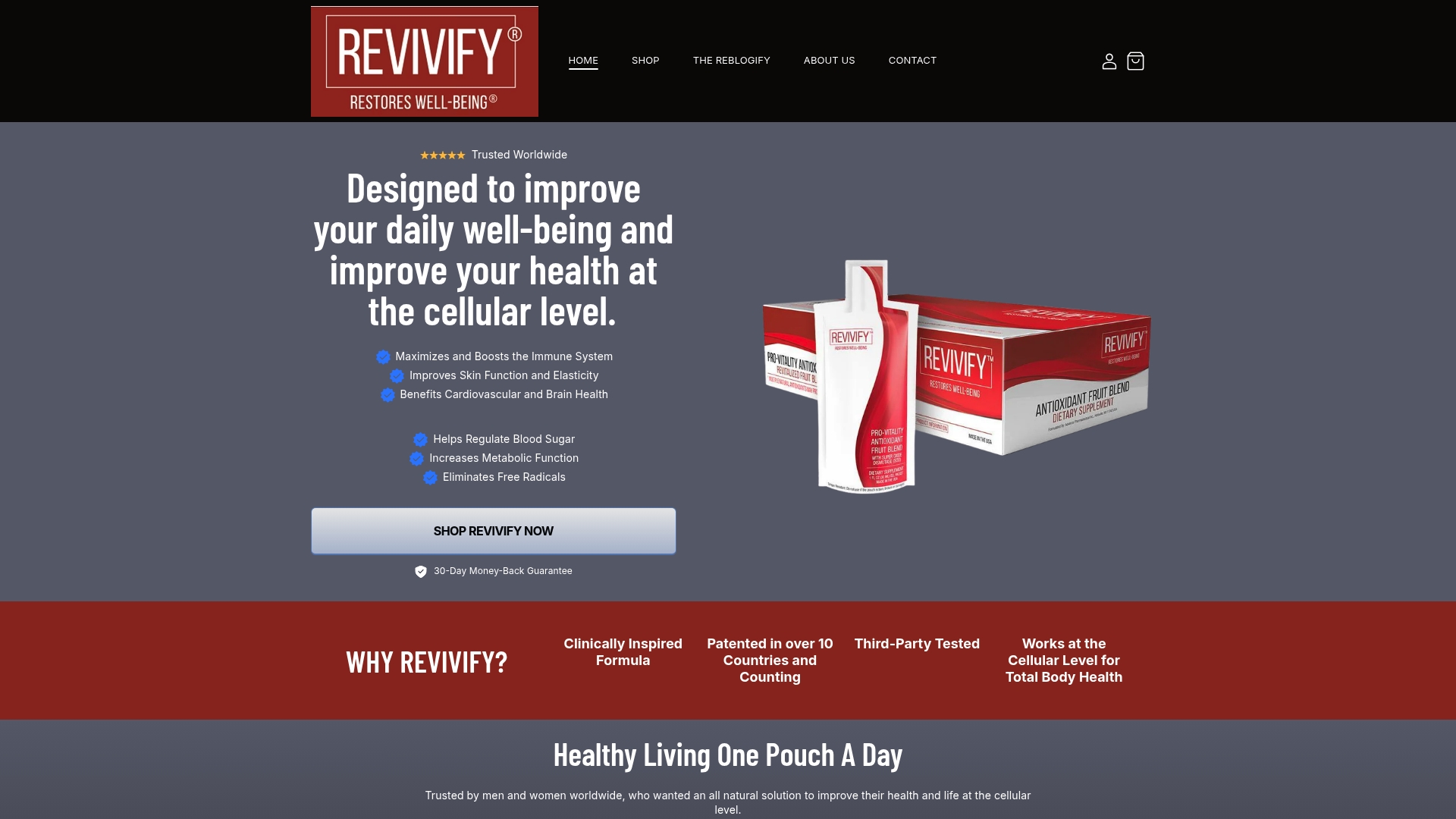
Tryrevivify combines superoxide dismutase (SOD) and prebiotic fiber in a patented daily formula designed to support your body at the cellular level. SOD neutralizes the free radicals that amplify gut-driven skin inflammation, while the prebiotic fiber feeds beneficial gut bacteria to support SCFA production and barrier integrity. It is designed as a complement to the dietary and lifestyle strategies covered in this article, not a replacement for them. If you are ready to support your gut and skin health from the inside, explore the 30-day supply and see how Tryrevivify fits into your routine.
FAQ
What is the gut-skin axis?
The gut-skin axis is the bidirectional communication network between gut microbiota and skin tissue, operating through immune signaling, microbial metabolites like SCFAs, and neuroendocrine pathways. Imbalances in gut bacteria directly influence skin inflammation and barrier function.
How long does it take for gut health changes to improve skin?
Gut health improvements affecting skin conditions typically require months of consistent intervention, not weeks, because the changes are systemic and metabolic rather than surface-level. Clinical studies show more consistent results when microbiome-targeted therapies are sustained over extended periods.
Which probiotic strains are best for skin health?
Lactobacillus rhamnosus GG and Bifidobacterium lactis have the strongest clinical evidence for skin benefits, particularly in atopic dermatitis. Strain-specific and dosage-specific factors determine efficacy, so consistent use of a clinically studied formulation matters more than high-dose supplementation.
Can diet alone improve skin through gut health?
Dietary fiber and polyphenol-rich foods are the most reliable long-term strategy because they build microbial diversity and boost SCFA production durably. Diet works best when combined with stress management and, where appropriate, targeted probiotic supplementation as an adjunct.
Does stress really affect skin through the gut?
Yes. The brain-gut-skin axis links psychological stress to reduced Lactobacillus populations, increased intestinal permeability, and elevated systemic inflammation that manifests on skin. Stress reduction through exercise, sleep, and mindfulness is a mechanistically validated strategy for improving skin clarity.