

Gut Health Improvements for Diabetics: 2026 Guide
Gut health improvements for diabetics directly enhance blood sugar regulation and reduce insulin resistance through targeted dietary and lifestyle changes. The gut microbiome, the community of trillions of bacteria living in your digestive tract, plays a measurable role in how your body processes glucose and manages inflammation. Research confirms that microbiota interventions improve HbA1c in over 81% of studies reviewed, and fasting blood glucose in nearly 60% of cases. That is not a minor effect. It means the bacteria in your gut are active participants in your metabolic health, not passive bystanders.
What gut microbiome changes are common in diabetics?
The diabetes gut microbiome looks measurably different from a healthy one. Scientists have identified specific bacterial imbalances, a condition called gut dysbiosis, that appear consistently in people with type 2 diabetes. Understanding these patterns is the first step toward correcting them.
Research using multi-cohort metagenome analysis found that Clostridium bolteae is enriched in type 2 diabetes patients, while Streptococcus thermophilus is significantly depleted. These bacterial signatures distinguish diabetics from healthy controls with an AUC above 0.8, which is a strong predictive accuracy. That means your gut bacteria are not just a symptom of diabetes. They are a marker of it.

The consequences of this imbalance go beyond digestion. Gut dysbiosis contributes to chronic low-grade inflammation that drives insulin resistance directly. When the gut barrier becomes permeable, a molecule called lipopolysaccharide (LPS) leaks into the bloodstream and triggers an immune response. That immune response worsens glycemic control in a cycle that feeds itself.
Key bacterial changes seen in type 2 diabetes include:
- Depleted SCFA producers: Bacteria that make short-chain fatty acids (SCFAs) like butyrate are reduced. SCFAs feed the gut lining and regulate blood sugar.
- Reduced microbial diversity: Lower overall diversity correlates with worse metabolic markers and higher inflammation.
- Enriched pro-inflammatory species: Certain bacteria associated with gut permeability and LPS production increase in diabetics.
- Loss of Streptococcus thermophilus: This beneficial species, commonly found in yogurt, is consistently lower in people with type 2 diabetes.
Understanding how gut bacteria affects blood sugar gives you a clearer picture of why restoring this balance matters so much for metabolic control.
How can diet and fiber improve gut health in diabetics?
Diet is the most direct tool you have for reshaping your gut microbiome. Dietary fiber and prebiotics are not the same thing, and that distinction matters for diabetics. General fiber adds bulk and slows digestion. Prebiotic fiber specifically feeds beneficial bacteria, triggering SCFA production and strengthening the gut barrier.
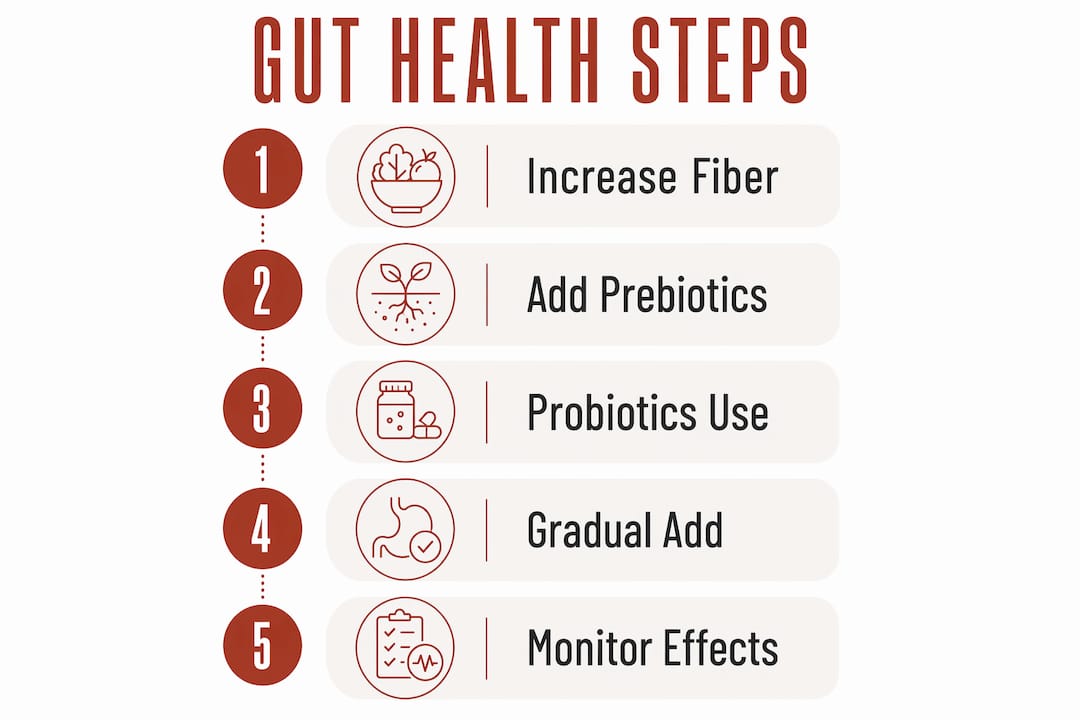
Prebiotic fibers restore SCFA-producing bacteria that are depleted in type 2 diabetes, directly addressing metabolic endotoxemia. Metabolic endotoxemia is the condition where LPS from gut bacteria enters the bloodstream and drives inflammation. Fixing the gut barrier reduces this leak. That reduction in LPS lowers inflammatory markers and improves insulin sensitivity.
Here is how to build a fiber-forward diet for diabetic gut health:
- Start with prebiotic-rich foods. Garlic, onions, leeks, asparagus, and Jerusalem artichokes contain inulin and fructooligosaccharides (FOS), two of the most studied prebiotic fibers. These selectively feed Bifidobacterium and Lactobacillus species.
- Add resistant starch. Cooked and cooled potatoes, green bananas, and legumes contain resistant starch that bypasses digestion and ferments in the colon, producing butyrate.
- Include fermented foods. Plain yogurt with live cultures, kefir, kimchi, and sauerkraut introduce beneficial bacteria and support microbial diversity. Streptococcus thermophilus, the species depleted in T2D, is found in many yogurt cultures.
- Increase soluble fiber from oats and legumes. Soluble fiber slows glucose absorption, which directly supports blood sugar control alongside its gut benefits.
- Reduce ultra-processed foods. Emulsifiers and artificial sweeteners in processed foods disrupt microbial balance and reduce diversity.
For a deeper look at how fiber and prebiotics support diabetes management, the connection between gut flora and metabolic outcomes becomes even clearer.
Pro Tip: Introduce high-fiber foods gradually over two to four weeks. Rapid increases cause bloating and gas because your gut bacteria need time to adapt. Slow fiber introduction yields better adherence and fewer side effects.
What roles do probiotics and metformin play in gut health?
Probiotics and diabetes medications both interact with your gut microbiome, sometimes in ways that work together and sometimes in ways that complicate each other. Knowing how they interact helps you make better decisions with your doctor.
Probiotic supplementation shows consistent benefits for glycemic control in diabetics. Strains from the Lactobacillus and Bifidobacterium families are the most studied. They reduce gut permeability, lower LPS levels, and support SCFA production. The effect is not dramatic on its own, but as an adjunct to diet and medication, the cumulative benefit is real.
Metformin, the most commonly prescribed diabetes medication, alters gut microbiota composition in ways that partly explain its metabolic effects. Metformin increases certain beneficial bacteria while reducing others. This means two people on the same diet may respond differently to dietary interventions depending on whether they take metformin. GLP-1 receptor agonists like semaglutide also shift microbial composition, adding another layer of individual variability.
Key points for integrating probiotics with your medical regimen:
- Timing matters. Take probiotics at least two hours away from metformin to reduce potential interaction with gut transit time.
- Choose multi-strain formulas. Single-strain probiotics show weaker effects than combinations of Lactobacillus acidophilus, Bifidobacterium longum, and related species.
- Consistency is required. Probiotic benefits disappear within weeks of stopping supplementation. Daily use is the only way to maintain the effect.
- Discuss with your doctor. Medication-microbe interactions affect how your body responds to dietary changes. Your prescriber needs to know what supplements you are taking.
Pro Tip: If you take metformin and experience digestive side effects, a probiotic may help. Medication and microbiome interactions explain why some people tolerate metformin better than others.
Fecal microbiota transplantation (FMT) is an emerging option worth knowing about. FMT studies show decreases in HbA1c and fasting glucose alongside improved microbial diversity. The evidence is early-stage, and FMT is not a standard treatment for diabetes. Still, it signals that microbiome restoration at scale can produce meaningful metabolic results.
What lifestyle factors help maintain gut health for diabetes management?
Diet is not the only lever. Physical activity, sleep quality, and stress management each shape your gut microbiome in measurable ways. Neglecting these factors limits how much dietary changes can accomplish.
Exercise increases beneficial gut taxa and reduces systemic inflammation. This is not just a cardiovascular benefit. Aerobic exercise specifically increases Akkermansia muciniphila, a bacterium associated with improved gut barrier integrity and better insulin sensitivity. Even moderate walking five days a week produces measurable shifts in microbial diversity within weeks.
Follow these steps to build a lifestyle that supports your gut microbiome:
- Move daily. Aim for 30 minutes of moderate aerobic activity most days. Resistance training two to three times per week adds additional metabolic benefit.
- Prioritize sleep. Poor sleep disrupts the gut-brain axis and reduces microbial diversity. Seven to nine hours per night is the target for most adults.
- Manage stress actively. Chronic stress elevates cortisol, which alters gut motility and reduces beneficial bacteria. Practices like diaphragmatic breathing, meditation, or even regular outdoor walks lower cortisol measurably.
- Avoid unnecessary antibiotics. Antibiotics wipe out beneficial bacteria indiscriminately. Use them only when prescribed and follow up with probiotics and prebiotic-rich foods to rebuild diversity.
- Track your symptoms. Keep a simple log of energy, digestion, and blood sugar readings. Patterns in this data reveal which dietary or lifestyle changes are working for your specific microbiome.
Precision-guided microbiome therapeutics are emerging as a clinical field. Individualized gut profiles will eventually guide personalized interventions. For now, tracking your own response to dietary and lifestyle changes is the practical equivalent of that personalization.
Gut health also connects directly to nutrient absorption, which matters for diabetics managing both blood sugar and nutritional status. A compromised gut lining reduces uptake of magnesium, B vitamins, and other nutrients that support insulin function.
Key Takeaways
Gut microbiome modification is a proven adjunct therapy that supports, not replaces, established diabetes treatments by improving HbA1c, reducing inflammation, and strengthening the gut barrier through diet, probiotics, and lifestyle changes.
| Point | Details |
|---|---|
| Microbiome imbalance drives inflammation | Gut dysbiosis raises LPS levels, worsening insulin resistance and glycemic control. |
| Prebiotic fiber is the top dietary tool | Foods like garlic, leeks, and resistant starch restore SCFA-producing bacteria depleted in T2D. |
| Probiotics work best as an adjunct | Multi-strain Lactobacillus and Bifidobacterium formulas support gut barrier repair alongside medication. |
| Metformin changes your microbiome | Medication-microbe interactions explain why dietary responses vary between diabetics. |
| Lifestyle amplifies dietary gains | Exercise, sleep, and stress management increase microbial diversity and reduce systemic inflammation. |
What I have learned after years of watching people manage diabetes through gut health
The most common mistake I see is treating gut health as a shortcut. People read about microbiome research, load up on probiotics and fiber overnight, and then feel worse for two weeks because they moved too fast. The gut does not respond well to sudden changes. Long-term microbiota modulation is a gradual process, and patient expectations need to match that reality.
The second mistake is expecting gut health strategies to replace medication. They do not. Gut microbiome modification is an adjunct therapy that works alongside metformin, GLP-1 agonists, and insulin, not instead of them. The people who see the best results are the ones who treat gut health as one layer of a larger plan, not the whole plan.
What actually works, in my experience, is the combination of consistent prebiotic fiber intake, a probiotic taken daily, regular exercise, and honest communication with your prescriber about what you are adding to your regimen. None of these steps is complicated. The difficulty is doing all of them consistently for months, not days. The gut microbiome shifts slowly. Blood sugar improvements follow the same timeline.
The research on gut health and immunity reinforces something I find underappreciated: fixing the gut does not just help blood sugar. It reduces the chronic low-grade inflammation that accelerates nearly every diabetes complication. That systemic benefit is worth the patience it takes to get there.
— Larry
How Tryrevivify supports gut and cellular health for diabetics
Dietary changes and probiotics build the foundation. A well-chosen supplement can reinforce that foundation at the cellular level.
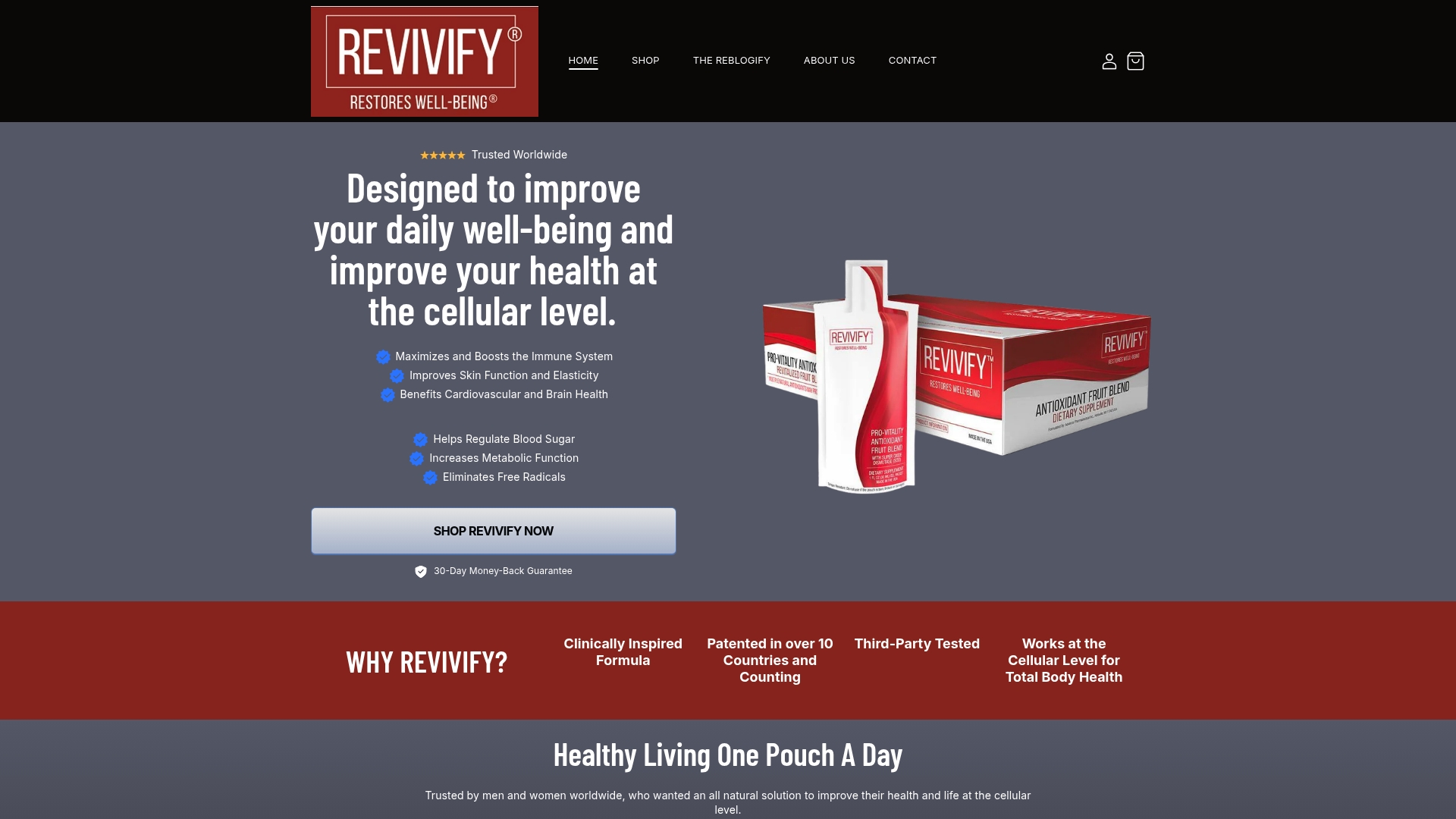
Tryrevivify combines superoxide dismutase (SOD) with prebiotic fiber in a patented daily formula. SOD is the body’s primary enzyme defense against free radicals, the oxidative molecules that worsen inflammation and cellular damage in diabetics. Prebiotic fiber in the formula directly feeds beneficial gut bacteria, supporting the same SCFA production and gut barrier repair that the research above describes. At Tryrevivify, we built this formula to address both oxidative stress and gut health in one daily supplement. If you are already working on diet and lifestyle, adding a 30-day supply of Tryrevivify gives your cells and your gut an additional layer of support.
FAQ
What gut bacteria are most affected by type 2 diabetes?
Clostridium bolteae is enriched and Streptococcus thermophilus is depleted in type 2 diabetes patients. SCFA-producing bacteria like Bifidobacterium species are also significantly reduced.
How long does it take to see gut health improvements in diabetics?
Measurable shifts in gut microbiome composition typically appear within four to eight weeks of consistent dietary changes. Blood sugar improvements may take longer, depending on the degree of dysbiosis and medication use.
Are probiotics safe to take with metformin?
Probiotics are generally safe alongside metformin. Take them at least two hours apart to avoid any interaction with gut transit, and inform your doctor before adding any new supplement.
What foods most directly improve gut flora for diabetics?
Garlic, onions, leeks, plain yogurt with live cultures, kefir, and cooked-and-cooled legumes are the most effective foods for restoring beneficial bacteria in diabetics. These provide both prebiotic fiber and live cultures.
Can improving gut health reduce inflammation in diabetics?
Yes. Restoring gut barrier integrity reduces LPS leakage into the bloodstream, which lowers inflammatory markers like C-reactive protein. This reduction in gut permeability and inflammation directly supports better insulin sensitivity.