

Gut Lining Health Best Practices: 2026 Guide
Gut lining health best practices are defined as the diet and lifestyle strategies that protect and repair the intestinal barrier, the single-cell layer separating your digestive tract from your bloodstream. Clinically, this barrier is called the intestinal epithelium, and when it breaks down, toxins and bacteria can pass through unchecked. The good news is that the most powerful tools for restoring it are largely within your control: what you eat, how you move, how you sleep, and what you avoid. This guide covers the evidence-backed strategies that actually move the needle on gut lining repair and long-term digestive wellness.
1. Gut lining health best practices: start with dietary fiber
Fiber is the single most important dietary factor for gut lining integrity. The Canadian Digestive Health Foundation recommends 25–28 grams daily for women and 30–38 grams daily for men. Most people eat less than half that amount, which means their gut bacteria are running low on fuel.
Plant-based fiber feeds beneficial gut bacteria, which then produce short-chain fatty acids (SCFAs) like butyrate. Butyrate is the primary energy source for the cells lining your colon. Without it, those cells weaken and the barrier becomes more permeable.
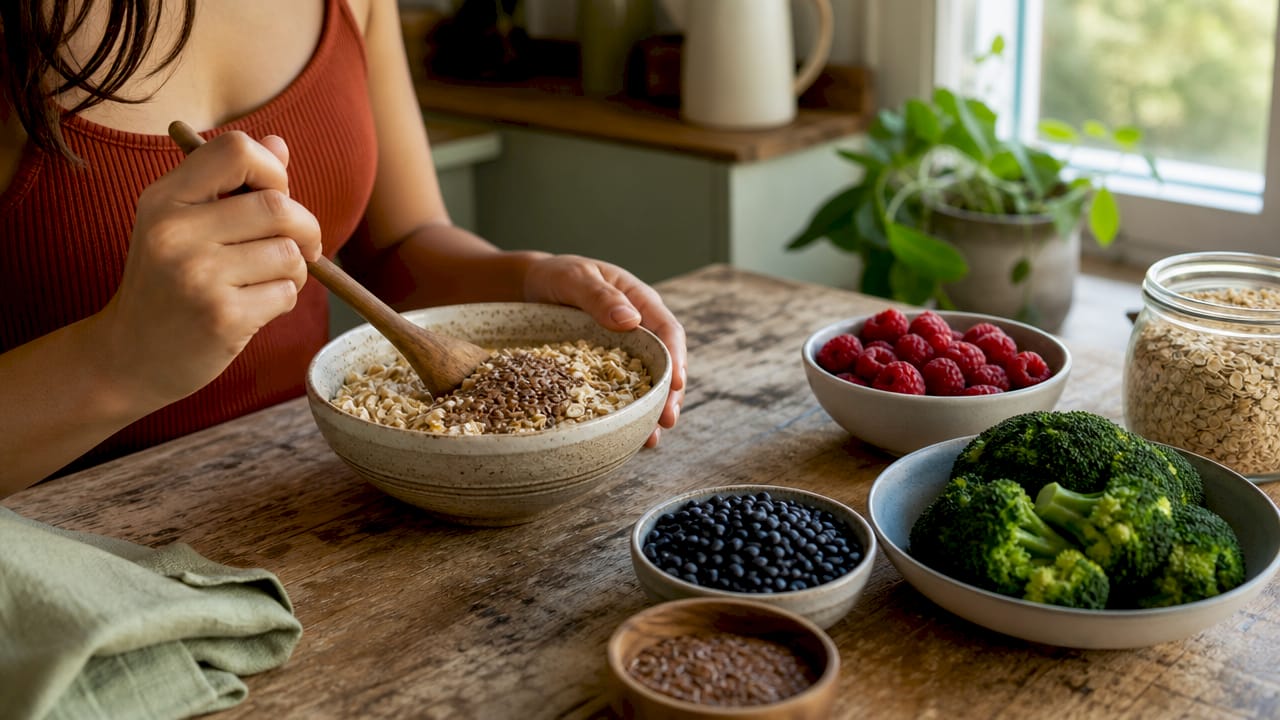
Practical fiber sources include lentils, black beans, oats, flaxseeds, broccoli, and raspberries. Resistant starch from cooked and cooled potatoes or rice is another underused option. Polyphenol-rich foods like blueberries, green tea, and dark chocolate also feed beneficial bacteria and reduce gut inflammation.
Pro Tip: Increase fiber gradually over 4–6 weeks, adding one new high-fiber food at a time. Jumping from low to high fiber in a week causes gas, bloating, and cramping that discourages people from continuing.
2. Eat diverse, plant-based foods to nourish your microbiome
Dietary diversity is the second pillar of gut health improvement strategies. A gut microbiome fed on 30 or more different plant foods per week produces a wider range of SCFAs and protective compounds than one fed on a narrow diet.
The goal is variety, not volume. Rotating between different vegetables, legumes, whole grains, nuts, and seeds each week builds a more resilient microbial community. That community, in turn, produces the compounds that maintain gut lining integrity and support nutrient absorption.
Polyphenols deserve special attention here. These plant compounds act as prebiotics, selectively feeding beneficial bacteria like Bifidobacterium and Lactobacillus. Foods rich in polyphenols include pomegranates, walnuts, extra-virgin olive oil, and green tea.
3. Prioritize protein at every meal for gut cell repair
Protein provides the amino acids your intestinal lining uses to repair itself. Adequate protein at three meals daily gives your gut the raw materials it needs before you consider any specialized supplements.
Amino acids like glutamine, glycine, and proline are particularly important for gut cell turnover. Whole food sources such as eggs, chicken, fish, Greek yogurt, and legumes deliver these reliably. Bone broth is a popular option because it concentrates glycine and proline, though it works best as a complement to a solid protein baseline, not a replacement.
Supplements like L-glutamine (typically 5–15 grams per day) are sometimes used for gut lining repair, but they are most effective when foundational protein intake is already consistent. Build the base first.
4. Add fermented foods with live cultures
Fermented foods introduce beneficial bacteria directly into your digestive tract. Yogurt, kefir, kimchi, sauerkraut, miso, and tempeh all qualify, provided they contain live and active cultures.
The catch is quality control. Commercial fermented foods often carry high sodium levels and may not contain enough live cultures to make a meaningful difference. Reading labels matters. Look for “live and active cultures” on the packaging, and aim for 1–3 small daily servings rather than one large portion.
Kefir is one of the most studied options, with a broader range of bacterial strains than most yogurts. Kimchi and sauerkraut add fiber alongside their probiotic benefit, making them a two-for-one for gut health.
Pro Tip: If you are new to fermented foods, start with two tablespoons of sauerkraut or a small serving of kefir daily. Your gut adjusts to new bacterial populations gradually, and starting small prevents digestive upset.
5. Choose probiotic supplements carefully
Probiotic supplements vary widely in quality, and not all of them deliver what the label promises. Probiotic benefits are strain-specific, meaning a product containing Lactobacillus rhamnosus GG behaves very differently from one containing a generic Lactobacillus blend.
When selecting a probiotic, look for the full strain name (genus, species, and strain designation), a stated CFU count at the time of expiration rather than at manufacture, and third-party quality testing. Products that list only “Lactobacillus” without a strain designation give you no reliable information about what you are actually taking.
Consulting a healthcare provider before starting a probiotic supplement is the right move, especially if you have an underlying condition or take medications. The prebiotic fiber you eat feeds the bacteria already in your gut, which is often more impactful than adding new strains through supplements.
6. Get 7–9 hours of quality sleep
Sleep is when your gut repairs itself. The Cleveland Clinic recommends 7–9 hours of quality sleep per night as a core gut health strategy. During deep sleep, the body ramps up cellular repair processes throughout the intestinal lining.
Chronic sleep deprivation disrupts the gut microbiome within days. It reduces populations of beneficial bacteria and increases intestinal permeability. The relationship runs both ways: a damaged gut lining also disrupts sleep quality, creating a cycle that is hard to break without addressing both sides.
Practical sleep hygiene for gut health includes keeping a consistent sleep schedule, avoiding large meals within two hours of bedtime, and limiting alcohol, which fragments sleep architecture and damages the gut lining directly.
7. Exercise regularly at moderate intensity
Regular moderate exercise is one of the most underrated gut health improvement strategies. The Cleveland Clinic recommends at least 150 minutes of moderate exercise per week as a baseline for gut lining protection.
Exercise increases microbial diversity, speeds gut transit time, and reduces systemic inflammation, all of which benefit the intestinal barrier. Studies comparing active and sedentary individuals consistently show higher populations of butyrate-producing bacteria in those who exercise regularly.
Walking, cycling, swimming, and yoga all qualify as moderate intensity. High-intensity exercise in excess can temporarily increase intestinal permeability, so balance matters. Consistency at moderate intensity beats occasional extreme effort.
8. Manage stress daily to protect the gut barrier
Stress hormones directly damage the gut lining. Cortisol and other stress-related hormones disrupt tight junction proteins, the molecular “locks” that keep the intestinal barrier sealed. When those locks loosen, toxins and bacteria can pass into the bloodstream.
The Cleveland Clinic recommends 10–15 minutes of daily stress reduction as a minimum. Meditation, diaphragmatic breathing, yoga, and even a short walk in nature all lower cortisol measurably. The key word is daily. Occasional stress management does not offset chronic stress exposure.
Apps like Calm and Headspace provide guided breathing and meditation sessions that fit into a lunch break. Even five minutes of slow, deliberate breathing activates the parasympathetic nervous system and reduces gut inflammation.
9. Minimize NSAID use
NSAIDs like ibuprofen and naproxen are among the most common causes of gut lining damage. Regular NSAID use doubles the risk of gastrointestinal bleeding and significantly increases intestinal permeability.
NSAIDs work by blocking prostaglandins, which are compounds that protect the stomach and intestinal lining from acid and mechanical damage. Without that protection, the lining erodes. Occasional use carries lower risk, but daily or near-daily use is a serious gut health concern.
Non-pharmacologic alternatives for pain management include heat therapy, physical therapy, acupuncture, and topical analgesics. When NSAIDs are medically necessary, taking them with food and using the lowest effective dose for the shortest time reduces gut damage.
10. Consider a 30-day gut reset to establish new habits
A structured 30-day reset is one of the most effective gut lining repair methods for people starting from scratch. Dr. Trisha Pasricha’s MD-approved approach removes gut irritants like NSAIDs, alcohol, and ultra-processed foods while systematically adding whole, nutrient-dense foods.
The reset works because it eliminates multiple sources of gut damage simultaneously, giving the intestinal lining time to repair. Most people notice reduced bloating, more regular digestion, and improved energy within the first two weeks. The second two weeks consolidate those gains and build new habits.
A basic 30-day reset removes alcohol, NSAIDs, refined sugar, and ultra-processed foods. It adds fiber-rich vegetables, quality protein at every meal, fermented foods, and adequate hydration. The gut health and immunity benefits of this approach extend well beyond digestion.
11. Personalize your approach based on your health status
No single gut health protocol works for everyone. People with irritable bowel syndrome (IBS), inflammatory bowel disease (IBD), or food intolerances need to adjust standard recommendations to fit their specific situation.
Here is a comparison of common approaches based on individual needs:
| Situation | Recommended adjustment |
|---|---|
| IBS or bloating | Follow a low-FODMAP diet initially; reintroduce high-fiber foods slowly |
| On antibiotics | Add a probiotic supplement during and after the course; focus on fermented foods |
| Managing weight | Prioritize fiber and protein at each meal to support satiety and gut repair simultaneously |
| Skin concerns | Address gut oxidative stress; digestive oxidative stress directly affects skin barrier function |
| Taking NSAIDs regularly | Consult your doctor about alternatives; protect the gut with food before doses |
Consulting a gastroenterologist or registered dietitian before making major changes is the right call if you have a diagnosed condition. Patience matters too. Meaningful gut lining repair takes weeks to months, not days.
Key takeaways
The most effective gut lining health strategy combines a high-fiber, diverse diet with consistent lifestyle habits that reduce inflammation, support sleep, and minimize gut irritants like NSAIDs.
| Point | Details |
|---|---|
| Fiber is foundational | Aim for 25–38g daily depending on sex; increase gradually over 4–6 weeks. |
| Fermented foods require label scrutiny | Choose products with live and active cultures; limit sodium-heavy commercial options. |
| NSAIDs damage the gut lining | Regular use doubles GI bleeding risk; use non-pharmacologic alternatives when possible. |
| Sleep and exercise protect the barrier | Target 7–9 hours of sleep and 150+ minutes of moderate exercise weekly. |
| Personalization beats perfection | Adjust strategies based on health status; consult a provider before adding supplements. |
What I have learned about sustainable gut health
The most common mistake I see is people treating gut health like a sprint. They overhaul their entire diet in a week, buy five supplements, and then quit when the bloating gets worse instead of better. The bloating is almost always from adding too much fiber too fast. It is not a sign that the approach is wrong.
What actually works is boring by internet standards: add one new food at a time, sleep consistently, move your body most days, and cut the obvious gut irritants like alcohol and daily NSAIDs. Those four things alone produce real, measurable improvement over 60–90 days.
Supplements have a place, but they belong after the foundation is solid. L-glutamine and quality probiotics can accelerate repair, but they cannot compensate for a diet built on ultra-processed food and chronic sleep deprivation. The gut lining renews itself roughly every five days. Give it the right inputs consistently, and it will do most of the work for you.
The readers who get the best results are the ones who stop chasing the perfect protocol and start executing a good one. Consistency with a solid plan beats perfection with an unsustainable one every time.
— Larry
How Tryrevivify supports your gut lining health
Tryrevivify combines superoxide dismutase (SOD) and prebiotic fiber in a patented daily formula designed to fight free radicals and reduce oxidation at the cellular level. SOD is your body’s primary antioxidant enzyme, and pairing it with prebiotic fiber means you are supporting both cellular defense and the beneficial bacteria that maintain your intestinal barrier.
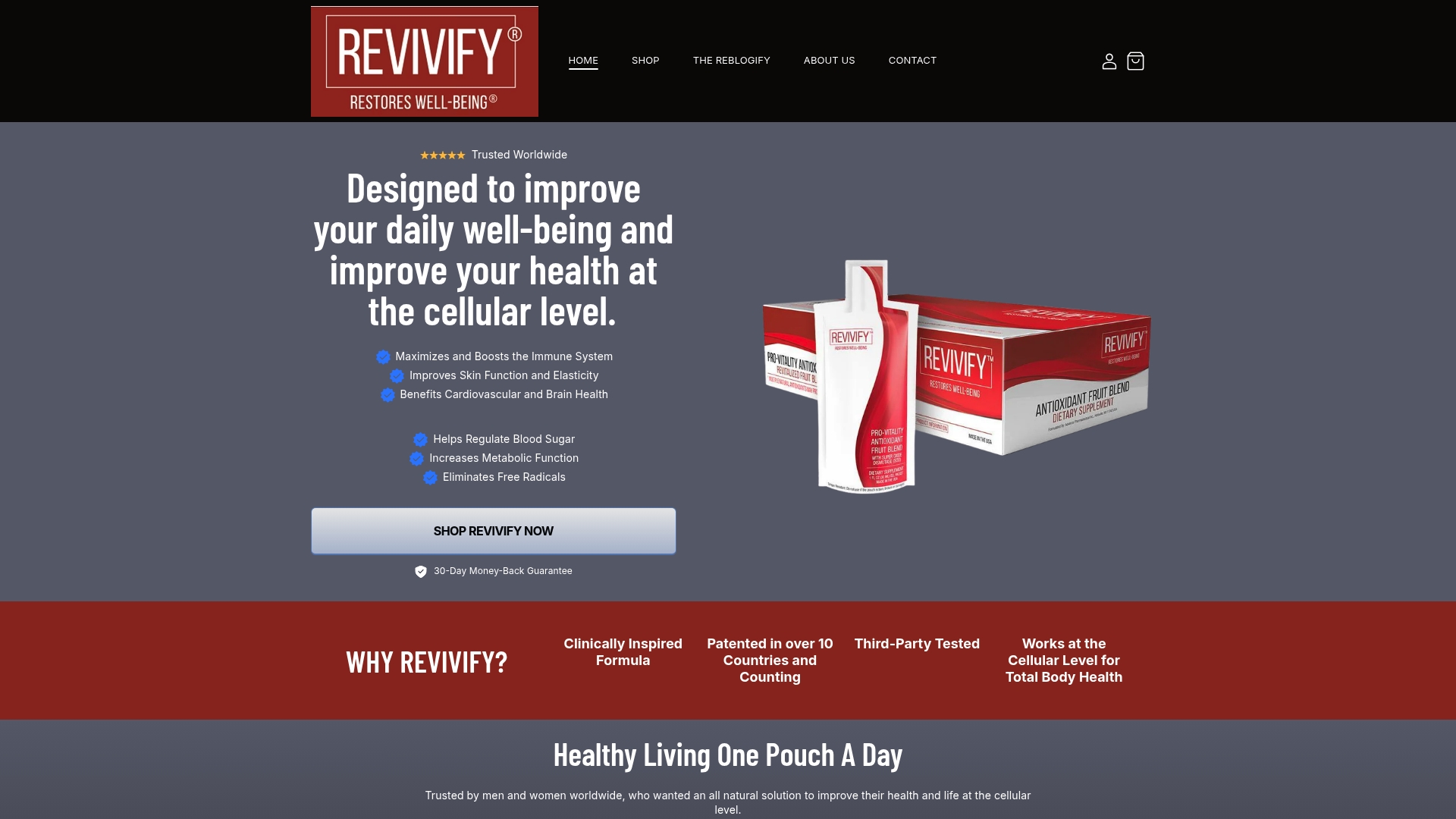
The prebiotic fiber in Tryrevivify feeds the gut bacteria that produce butyrate, the same SCFA that nourishes your intestinal lining cells. This makes it a natural complement to the dietary strategies covered in this guide. If you are ready to add targeted cellular support to your gut health routine, the REVIVIFY® 30-Day Supply is a practical starting point alongside the food and lifestyle changes that form your foundation.
FAQ
What are the best foods for gut lining repair?
The best foods for gut lining repair include high-fiber vegetables, legumes, fermented foods with live cultures, and quality protein sources like eggs, fish, and Greek yogurt. Plant-based fiber produces butyrate, which directly nourishes intestinal lining cells.
How long does it take to repair the gut lining?
The intestinal lining renews itself approximately every five days, but meaningful restoration of barrier integrity typically takes 4–12 weeks of consistent dietary and lifestyle changes. Removing gut irritants like NSAIDs and alcohol accelerates the process.
Do NSAIDs really damage the gut lining?
Regular NSAID use doubles the risk of gastrointestinal bleeding and increases intestinal permeability by blocking the prostaglandins that protect the gut lining. Occasional use carries lower risk, but daily use requires medical supervision and gut-protective strategies.
Should I take a probiotic supplement for gut health?
Probiotic supplements can help, but efficacy depends on strain specificity and CFU count. Look for full strain names like Lactobacillus rhamnosus GG and consult a healthcare provider before starting, especially if you have a diagnosed gut condition.
How does stress affect the gut lining?
Stress hormones like cortisol loosen the tight junction proteins that seal the intestinal barrier, allowing toxins and bacteria to enter the bloodstream. Daily stress reduction practices of 10–15 minutes, such as meditation or diaphragmatic breathing, measurably reduce this damage.