

Heart Health Supplement Best Practices: 2026 Guide
Heart health supplement best practices are defined as evidence-based protocols for selecting, dosing, and monitoring cardiovascular supplements in combination with prescribed therapies and lifestyle changes. Clinically validated options like prescription EPA (icosapent ethyl) and CoQ10 lead the field, while supplements as adjuncts to diet and medication remain the gold standard. Personalized, biomarker-informed use separates effective cardiovascular supplementation from guesswork. This guide gives you the framework to make smarter choices, avoid common dosing errors, and build a supplement routine grounded in real science.
1. heart health supplement best practices start with clinical evidence
Not every supplement on the shelf deserves a place in your routine. The strongest cardiovascular supplements are those with clinical trial data behind them, not just marketing claims. Starting with evidence-based options protects you from wasted money and potential harm.
Prescription EPA (icosapent ethyl) is the most clinically supported option available. Prescription-grade EPA reduces major cardiovascular events in high-risk patients at doses from 1,000 to 4,000 mg daily. That distinction matters because OTC omega-3 fish oil shows variable efficacy in trials, making prescription EPA the preferred choice for high-risk individuals.

CoQ10 supports myocardial bioenergetics, meaning it helps your heart cells produce energy more efficiently. It is especially relevant for people on statin medications, which are known to deplete CoQ10 levels in the body. Typical studied doses range from 100 to 300 mg daily.
Soluble fiber (psyllium husk) reduces LDL cholesterol and improves glycemic control. Psyllium fiber supplements should start at 3 grams daily and gradually increase up to 10 grams to minimize digestive side effects like bloating. That gradual escalation is not optional. It is the difference between a supplement you stick with and one you abandon after a week.
Plant sterols, magnesium, and garlic each carry supporting evidence for cholesterol management and blood pressure regulation. Their effects are modest compared to prescription EPA, but they contribute meaningfully when combined with a heart-healthy diet.
Pro Tip: Always look for third-party testing seals like USP or NSF International on any supplement you buy. These seals confirm the product contains what the label claims and nothing harmful.
2. how to choose heart supplements safely
Choosing a quality supplement is not just about the ingredient. The manufacturing standards behind the product matter just as much. Third-party certification seals like USP and NSF ensure potency and purity, reducing the risk of contamination or underdosing. A supplement without independent verification is a supplement you cannot fully trust.
Here is what to prioritize when evaluating any heart health product:
- Third-party certification: Look for USP, NSF International, or ConsumerLab verification on the label.
- Standardized active ingredients: The product should specify the exact amount of the active compound, not just the total extract weight.
- Transparent labeling: Avoid proprietary blends that hide individual ingredient doses.
- Manufacturer transparency: Reputable brands publish their testing results or Certificate of Analysis (COA) on request.
- Dosage alignment: Confirm the dose matches what clinical studies actually used, not a fraction of it.
Interactions with cardiac medications represent a serious and underappreciated risk. Supplements can interact with warfarin, apixaban, and statins in ways that mirror drug-drug interactions. Garlic, fish oil, and vitamin E all affect platelet function and can amplify bleeding risk when combined with blood thinners.
Disclose every supplement you take to your cardiologist or primary care provider at every visit. Do not assume supplements are automatically safe because they are sold without a prescription.
Pro Tip: Keep a supplement log that records the product name, brand, dose, purchase date, and any side effects you notice. Bring it to every medical appointment. This one habit prevents the most common and dangerous supplement-drug interactions.
3. heart health supplement dosage: the caps that protect you
Dosing is where most people make their biggest mistakes. More is not better with cardiovascular supplements. Total omega-3 intake should be capped at 3 grams daily, with no more than 2 grams coming from supplements, to avoid increased bleeding risk. This cap applies even if you feel fine at higher doses, because the harm often shows up only when combined with other medications.
High doses of certain supplements create paradoxical harm. High-dose DHA and selenium can increase LDL cholesterol or disrupt heart rhythm at excessive levels. That finding runs counter to the intuition that more antioxidant protection equals more benefit. It does not.
Gradual dose escalation applies beyond fiber. CoQ10 is generally well tolerated, but starting at a lower dose and titrating up over two to four weeks reduces the chance of gastrointestinal discomfort. Magnesium supplements taken in large single doses commonly cause loose stools. Splitting the dose across two meals solves that problem.
Full disclosure to your healthcare provider is non-negotiable. Supplements carry pharmacological interactions analogous to medications, and your cardiologist cannot protect you from interactions they do not know about.
4. biomarker monitoring: the missing step in most supplement routines
Most people pick a supplement, take it daily, and never check whether it is actually working. That approach misses the entire point of personalized cardiovascular support. Biomarker monitoring every 8–12 weeks improves both the safety and effectiveness of cardiovascular supplement regimens. Without lab data, you are supplementing blind.
Here is a practical monitoring framework:
- Lipid panel (LDL, HDL, triglycerides): Tracks the direct impact of fiber, plant sterols, and omega-3s on cholesterol and triglyceride levels.
- Omega-3 index: Measures the percentage of EPA and DHA in red blood cell membranes. A target of 8% or above is associated with lower cardiovascular risk.
- Vitamin D (25-OH): Deficiency is linked to increased cardiovascular risk. Supplementing without knowing your baseline can lead to over-correction.
- Magnesium (RBC magnesium): Standard serum magnesium misses intracellular deficiency. RBC magnesium testing gives a more accurate picture.
- Fasting glucose and HbA1c: Relevant for fiber supplementation, which supports glycemic control alongside cholesterol management.
Selenium is a clear example of why baseline testing matters. Selenium supplementation benefits only those who are deficient. In people with adequate selenium levels, additional supplementation offers no cardiovascular benefit and may increase risk. The same logic applies to vitamin D, iron, and several B vitamins.
Precision-based supplementation based on biomarker stratification is increasingly recommended over one-size-fits-all protocols. This approach shifts supplementation from habit to clinical practice, which is exactly where it belongs for heart health.
5. supplement comparison: benefits, risks, and who should use them
Not every supplement suits every person. Understanding the evidence level, known risks, and ideal candidates for each option helps you build a smarter, safer routine.
| Supplement | Evidence Level | Key Benefit | Main Risk | Best Candidates |
|---|---|---|---|---|
| Prescription EPA (icosapent ethyl) | Strong (RCT data) | Reduces major CV events | Bleeding risk at high doses | High-risk patients with elevated triglycerides |
| OTC Omega-3 fish oil | Moderate, variable | Triglyceride reduction | Bleeding, fishy aftertaste | General population, lower-risk individuals |
| CoQ10 | Moderate | Myocardial energy support | Mild GI upset | Statin users, heart failure patients |
| Psyllium fiber | Strong | LDL and glucose reduction | Bloating if escalated too fast | Anyone with elevated LDL or blood sugar |
| Plant sterols | Moderate | LDL reduction | Reduced fat-soluble vitamin absorption | Adults with borderline-high LDL |
| Magnesium | Moderate | Blood pressure support | Loose stools at high doses | Those with confirmed deficiency |
| Garlic extract | Moderate | Mild BP and cholesterol reduction | Bleeding risk with anticoagulants | Adults with mild hypertension |
| Vitamin D | Conditional | Supports CV risk reduction if deficient | Toxicity at very high doses | Those with confirmed deficiency only |
| Niacin (high-dose) | Weak for CV outcomes | Raises HDL | Flushing, liver stress, CV events in some trials | Not recommended for most people |
| Beta-carotene | Negative evidence | None proven for CVD | Increased CVD risk in smokers | Avoid for cardiovascular prevention |
High-dose vitamin E and beta-carotene are specifically advised against for cardiovascular disease prevention by authoritative clinical guidelines. That recommendation is not a minor caution. It is a firm directive backed by trial data showing potential harm in certain populations.
Cardiovascular dietitians prioritize a food-first approach, using supplements only to address identified nutrient gaps confirmed by lab results. That principle should anchor your entire supplement strategy.
Key takeaways
Effective cardiovascular supplementation requires clinically validated choices, precise dosing, and regular biomarker monitoring rather than generic daily pill routines.
| Point | Details |
|---|---|
| Lead with clinical evidence | Prioritize prescription EPA, CoQ10, and psyllium fiber, which have the strongest cardiovascular trial data. |
| Respect dosing caps | Cap total omega-3 intake at 3 grams daily, with no more than 2 grams from supplements, to avoid bleeding risk. |
| Monitor biomarkers regularly | Test lipids, omega-3 index, vitamin D, and magnesium every 8–12 weeks to confirm your supplements are working. |
| Disclose everything to your doctor | Supplements interact with warfarin, apixaban, and statins in ways that can cause serious harm without provider awareness. |
| Avoid unsupported supplements | Beta-carotene and high-dose niacin carry documented risks and no proven cardiovascular benefit for most people. |
What 15 years of watching people supplement has taught me
The most consistent mistake I see is treating supplements like a parallel treatment plan. People add CoQ10, fish oil, magnesium, and garlic extract to their routine without telling their cardiologist, without checking their labs, and without adjusting their diet. Then they wonder why nothing changes.
Supplements are adjuncts. They work best when they fill a specific, confirmed gap in your nutrition or biology. The cellular mechanisms behind heart health are complex, and no supplement addresses all of them at once. Trying to cover every base with a handful of pills is not a strategy. It is wishful thinking.
The “more is better” assumption is genuinely dangerous with cardiovascular supplements. I have seen people double their fish oil dose because they read it was good for the heart, not realizing they were on warfarin. The interaction was caught before harm occurred, but only because their physician happened to ask the right question at the right time.
The science on oxidative stress and cardiovascular risk is compelling, but it does not translate into “take every antioxidant supplement available.” Targeted, monitored, biomarker-driven supplementation is the only approach I trust. Everything else is noise.
— Larry
Support your heart at the cellular level with Tryrevivify
If you are building a supplement routine grounded in the principles above, cellular-level support deserves a place in that conversation. Tryrevivify combines superoxide dismutase (SOD), the body’s primary enzymatic antioxidant defense, with prebiotic fiber in a patented formula designed to fight free radicals and reduce oxidation throughout the body.
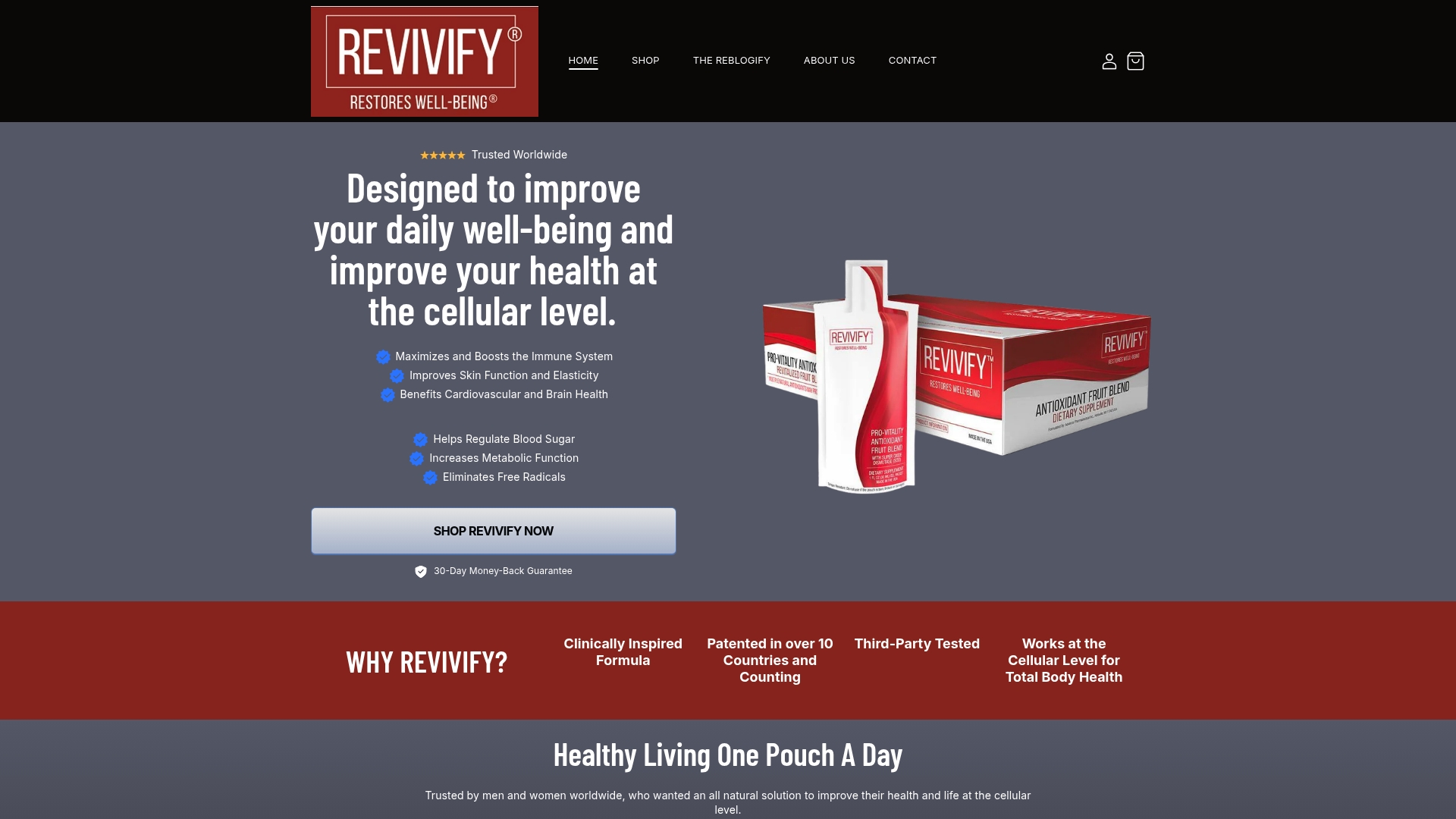
SOD acts like the first responder in your body’s antioxidant system, neutralizing the most reactive free radicals before they damage cardiovascular tissue. Pairing that with prebiotic fiber connects two of the most evidence-supported pathways in heart health: oxidative stress reduction and gut-heart axis support. Explore the Tryrevivify 30-Day Supply and see how a patented, science-driven formula fits into your personalized heart health routine.
FAQ
What are the best heart health vitamins and supplements?
Prescription EPA (icosapent ethyl), CoQ10, and psyllium fiber have the strongest clinical evidence for cardiovascular benefit. Plant sterols and magnesium offer additional support when used to address confirmed deficiencies or elevated cholesterol.
How much omega-3 is safe to take daily for heart health?
Total daily omega-3 intake should not exceed 3 grams, with no more than 2 grams coming from supplements, to avoid increased bleeding risk. Higher doses require direct supervision from a healthcare provider, especially for anyone on blood thinners.
How do i choose a quality heart health supplement?
Look for third-party certification seals from USP or NSF International, which verify potency and purity. Confirm the dose on the label matches the amounts used in clinical studies for the specific condition you are addressing.
How often should i test my biomarkers when taking heart supplements?
Testing every 8–12 weeks is recommended when starting or adjusting a cardiovascular supplement regimen. Key markers include a lipid panel, omega-3 index, vitamin D, and RBC magnesium to confirm biological response and guide dose adjustments.
Are there heart supplements i should avoid?
High-dose beta-carotene and high-dose vitamin E are advised against for cardiovascular disease prevention based on clinical trial data showing potential harm. High-dose niacin also shows weak evidence for cardiovascular outcomes and carries meaningful side effect risks for most people.