

How Gut Microbiome Affects Heart Disease: 2026 Guide
The gut microbiome directly shapes heart disease risk by controlling inflammation, metabolism, and vascular function throughout your body. Cardiovascular disease remains the world’s leading killer, responsible for 19.8 million deaths globally in 2022, or 32% of all deaths worldwide. That number demands attention. What makes recent science so compelling is that the gut microbiome, the trillions of bacteria living in your digestive tract, acts as a control system for many of the biological processes that drive heart disease. Understanding how gut microbiome affects heart disease is no longer a fringe topic. It sits at the center of cardiovascular research in 2026.
How do gut bacteria influence cardiovascular disease risk?
The gut-heart axis is the biological communication network connecting your digestive microbiota to your cardiovascular system. It operates through two primary channels: metabolic pathways and immune pathways. Think of it as a relay system where gut bacteria produce chemical signals that travel through the bloodstream and land directly on your heart and blood vessels.
The most studied harmful signal is trimethylamine N-oxide, or TMAO. Gut bacteria produce TMAO when they metabolize nutrients like choline and carnitine, found in red meat and eggs. Elevated TMAO levels are linked to a 74% increased risk of major adverse cardiac events. That is not a marginal association. TMAO actively promotes vascular inflammation and accelerates plaque formation inside artery walls.

A second harmful metabolite is phenylacetylglutamine, or PAGln. PAGln is produced by gut bacteria from dietary phenylalanine. Research shows PAGln negatively correlates with lymphocyte counts and is strongly associated with immune cell alterations in coronary heart disease patients. This means your gut bacteria can suppress the immune cells that normally protect your arteries.
On the protective side, fiber-fermenting bacteria produce short-chain fatty acids, or SCFAs. SCFAs like butyrate and propionate inhibit pro-inflammatory pathways and support mitochondrial function in heart cells. They act as a natural brake on the inflammation that drives atherosclerosis. The gut microbiome also influences blood pressure regulation and lipid metabolism, though research confirms it modulates vascular inflammation beyond traditional lipid pathways through lipid-independent mechanisms involving vascular aging.
Key mechanisms connecting gut bacteria to cardiovascular risk include:
- TMAO production: Harmful bacteria convert dietary choline and carnitine into TMAO, promoting arterial plaque.
- PAGln signaling: Elevated PAGln suppresses immune defense and correlates with coronary disease severity.
- SCFA protection: Beneficial bacteria ferment dietary fiber into SCFAs that reduce inflammation and support heart cell energy.
- Gut barrier function: A leaky gut allows bacterial toxins to enter the bloodstream, triggering systemic inflammation.
- Blood pressure modulation: Microbial metabolites interact with receptors that regulate arterial tone and cardiac output.
Pro Tip: Eating 25–30 grams of dietary fiber daily feeds SCFA-producing bacteria like Faecalibacterium prausnitzii and Roseburia intestinalis, two of the most studied protective species in cardiovascular research.
What does recent research reveal about specific gut microbes and heart outcomes?
The science has moved well past general associations. Specific bacterial species now carry predictive weight for cardiovascular events, and 2026 cohort data makes that case clearly.
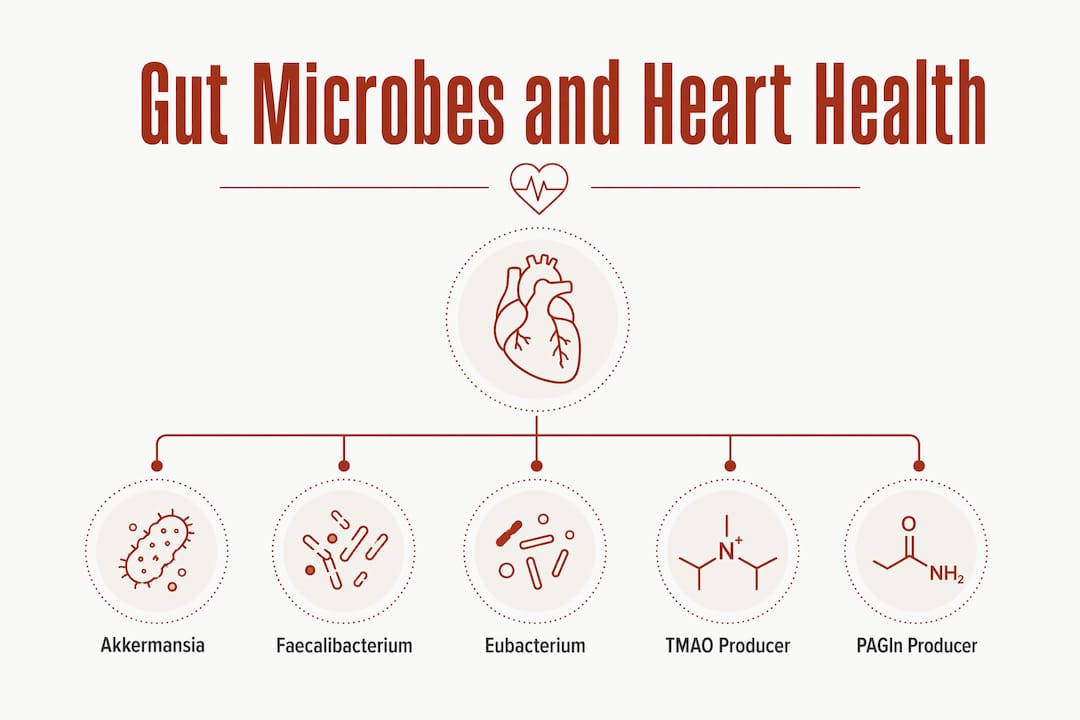
The HELIUS cohort study followed 4,792 participants and found that higher baseline levels of Akkermansia muciniphila and Eubacterium xylanophilum predicted a lower risk of major adverse cardiovascular events, or MACE. Only 2.7% of participants experienced MACE during the study period, and microbial profiles distinguished those who did from those who did not. Akkermansia muciniphila is particularly notable because it strengthens the gut lining, reducing the bacterial toxin leakage that drives systemic inflammation.
Coronary heart disease patients show a distinct microbial signature. They have reduced gut microbial richness compared to healthy controls, and their PAGln levels are significantly elevated, with a correlation to disease severity scores reaching a Spearman r of 0.243 (p < 0.001). Less microbial diversity means fewer protective species and more room for harmful bacteria to dominate.
| Microbial marker | Direction of effect | Cardiovascular outcome |
|---|---|---|
| Akkermansia muciniphila | Higher levels protective | Lower MACE risk |
| Eubacterium xylanophilum | Higher levels protective | Lower MACE risk |
| PAGln (metabolite) | Higher levels harmful | Greater coronary disease severity |
| SCFA-producing bacteria | Higher levels protective | Reduced vascular inflammation |
| Microbial richness (diversity) | Lower richness harmful | Associated with coronary heart disease |
Longitudinal evidence reinforces these findings. Microbial markers like Eubacterium xylanophilum influence cardiovascular risk over time, not through a single measurement. This means gut microbiome profiling has real potential as a predictive biomarker, one that could identify heart disease risk years before symptoms appear. You can read more about how gut microbiome balance connects to long-term health outcomes.
How does gut dysbiosis drive heart failure and vascular inflammation?
Heart failure and gut dysbiosis exist in a destructive feedback loop. Heart failure reduces blood flow to the gut, which damages the intestinal lining and alters microbial composition. That altered microbiome then worsens cardiac function. Gut microbiota remodeling in heart failure includes reduced diversity and enrichment of pathogenic bacteria linked directly to myocardial damage.
The gut functions as an endocrine-like organ in heart failure, releasing metabolites and immune signals that reach the heart through the bloodstream. When the gut barrier breaks down, bacterial toxins called lipopolysaccharides enter circulation and trigger systemic inflammation. That inflammation accelerates cardiac remodeling, the process by which the heart muscle thickens and stiffens in response to stress.
Breaking this cycle requires targeting the gut directly. Research shows that interventions targeting Akkermansia muciniphila and improving SCFA levels improve heart failure outcomes in clinical studies. Restoring gut barrier integrity reduces the inflammatory load on the heart and slows disease progression.
Steps that support gut barrier integrity and reduce cardiac inflammation:
- Increase prebiotic fiber intake. Prebiotic fibers like inulin and fructooligosaccharides feed Akkermansia muciniphila and SCFA-producing species.
- Reduce ultra-processed foods. These foods deplete microbial diversity and increase gut permeability within days of regular consumption.
- Prioritize sleep quality. Poor sleep disrupts circadian rhythms that regulate gut barrier function and microbial composition.
- Manage systemic inflammation. Bidirectional gut-heart interactions mean that reducing inflammation from any source, including stress and poor diet, benefits both organs simultaneously.
Pro Tip: Fermented foods like kefir, kimchi, and plain yogurt introduce live bacteria that compete with pathogenic species for space in the gut. Even small daily servings show measurable effects on microbial diversity within four weeks.
What practical strategies protect heart health through the gut?
Gut-targeted strategies for cardiovascular protection work best when they are consistent and layered. No single food or supplement rewires your microbiome overnight. The research points to sustained dietary patterns as the most reliable lever.
Dietary fiber is the foundation. Fiber feeds the bacteria that produce SCFAs, and SCFAs protect the heart through multiple pathways simultaneously. Aim for a variety of fiber sources: legumes, oats, vegetables, and whole grains each feed different bacterial species, increasing overall diversity. Diversity itself is protective. Reduced microbial richness is a consistent finding in coronary heart disease patients, making diversity a direct target.
Spicy foods also show cardiovascular benefit. Research on capsaicin-rich foods links regular consumption to reduced cardiovascular risk, partly through anti-inflammatory effects that interact with gut microbial pathways. This is one of the more surprising findings in recent nutrition science.
Lifestyle factors matter as much as diet. Regular aerobic exercise increases microbial diversity and boosts populations of SCFA-producing bacteria. Chronic stress, by contrast, elevates cortisol, which damages the gut lining and shifts microbial balance toward pro-inflammatory species. Smoking depletes beneficial bacteria and raises TMAO-producing bacterial populations.
Practical strategies for supporting gut and heart health:
- Eat 30+ different plant foods weekly. Variety drives microbial diversity more effectively than any single “superfood.”
- Limit red meat and processed foods. Both increase TMAO production and deplete protective bacterial species.
- Exercise consistently. Even 30 minutes of moderate aerobic activity five days per week measurably improves microbial composition.
- Consider prebiotic supplementation. Prebiotic fiber supplements support SCFA-producing bacteria when dietary intake falls short.
- Monitor and manage weight. Excess body fat promotes gut dysbiosis and amplifies the inflammatory signals that damage the cardiovascular system. Evidence-based weight management strategies also reduce the metabolic burden on your gut microbiome.
For a deeper look at how these approaches connect to clinical practice, the heart health supplement guide from Tryrevivify covers integrative therapeutic approaches in detail.
Key Takeaways
The gut microbiome shapes cardiovascular disease risk through TMAO, PAGln, and SCFA pathways, making microbial balance a direct target for heart disease prevention.
| Point | Details |
|---|---|
| TMAO drives cardiac risk | Elevated TMAO, produced by gut bacteria, raises major cardiac event risk by 74%. |
| Microbial diversity is protective | Reduced gut microbial richness is a consistent marker in coronary heart disease patients. |
| Specific bacteria predict outcomes | Higher Akkermansia muciniphila and Eubacterium xylanophilum levels predict lower MACE risk. |
| Heart failure creates a feedback loop | Gut dysbiosis worsens cardiac dysfunction, which further damages the gut lining. |
| Diet is the primary lever | Fiber-rich, plant-diverse diets increase SCFA-producing bacteria and reduce vascular inflammation. |
What the gut-heart research gets right, and where it still falls short
The science connecting gut microbiota to cardiovascular disease has matured significantly. The HELIUS cohort data and the PAGln findings from coronary heart disease research represent a genuine shift in how we understand heart disease. For years, cardiovascular risk was framed almost entirely around cholesterol and blood pressure. The microbiome data complicates that picture in a productive way.
What strikes me most is the sex-dependent dimension of this research. Men tend to carry more pro-inflammatory taxa like Prevotella, while women tend to have more barrier-supporting taxa like Bifidobacterium. This means a one-size-fits-all gut health protocol almost certainly underserves half the population. Clinicians and individuals alike need to account for biological sex when interpreting microbiome data or designing interventions.
The honest limitation is translation. We can identify microbial markers that correlate with cardiovascular risk, but moving from correlation to targeted therapy is still a work in progress. Microbiome-based diagnostics are not yet standard clinical tools. The practical implication for you right now is that the most evidence-backed interventions remain dietary: fiber, plant diversity, reduced ultra-processed food intake, and consistent exercise. These are not exciting answers, but they are the ones the data actually supports.
The future of this field likely involves personalized microbiome profiling as a routine part of cardiovascular risk assessment. Until that becomes accessible, the gut-heart connection is best understood as a reason to take your diet and lifestyle seriously, not as a reason to wait for a specialized test.
— Larry
Tryrevivify and the gut-heart connection
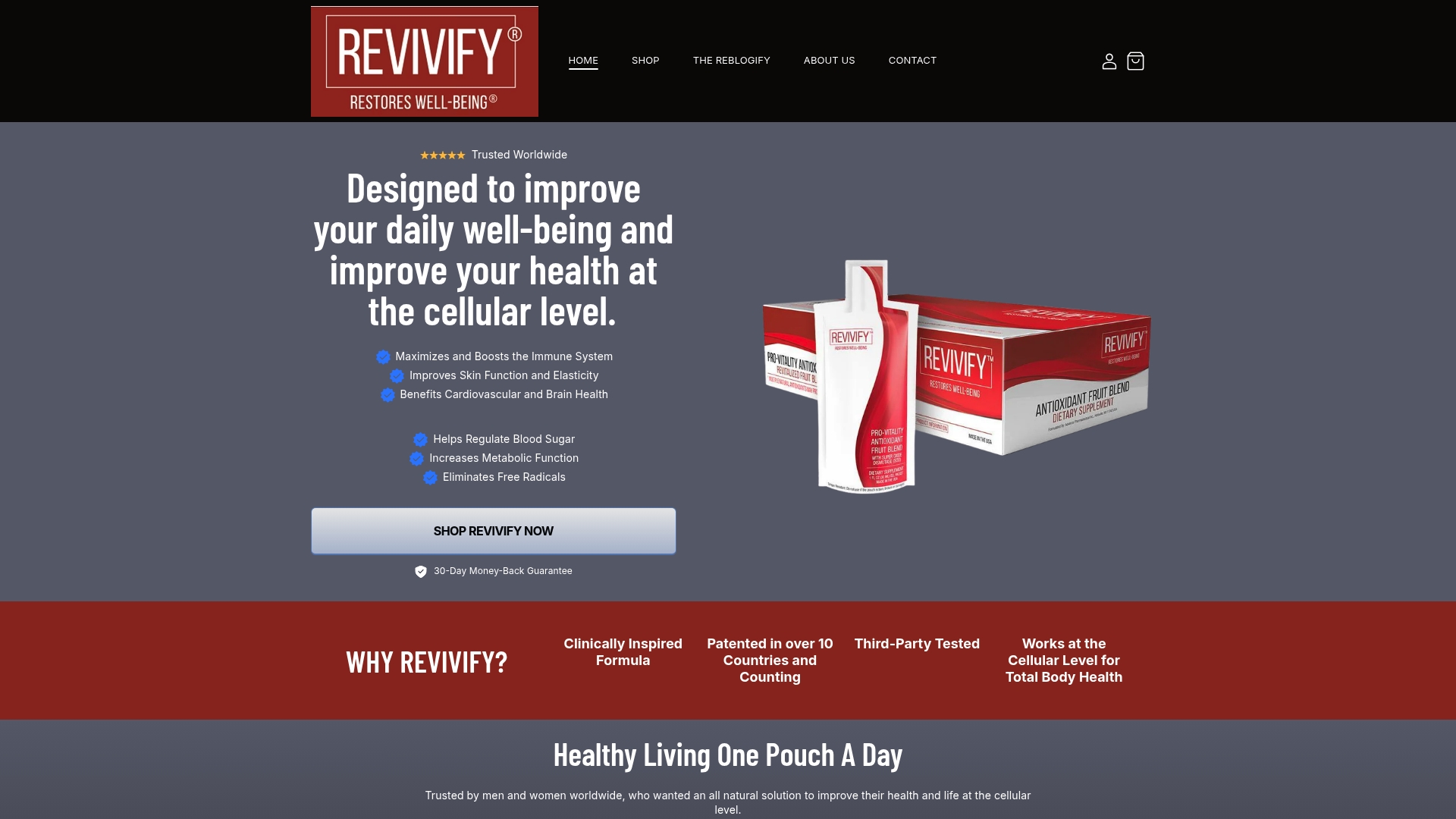
Tryrevivify was built around the gut-heart connection before it became a mainstream conversation. The patented Tryrevivify formula combines superoxide dismutase (SOD) with prebiotic fiber, targeting two of the most critical factors in cardiovascular health: oxidative stress and microbial balance. SOD neutralizes free radicals at the cellular level, while the prebiotic fiber feeds the SCFA-producing bacteria that protect your arteries and gut lining. If you are serious about supporting your cardiovascular system from the inside out, the Tryrevivify 30-day supply gives you a clinically grounded starting point. Pair it with a fiber-rich diet and consistent movement for the best outcomes.
FAQ
How does the gut microbiome affect heart disease risk?
The gut microbiome affects heart disease risk by producing metabolites like TMAO and PAGln that promote vascular inflammation and plaque formation, while beneficial bacteria produce SCFAs that protect artery walls and reduce inflammation.
What is TMAO and why does it matter for heart health?
TMAO is a metabolite produced by gut bacteria from dietary choline and carnitine. Elevated TMAO levels are linked to a 74% increased risk of major adverse cardiac events, making it one of the most studied gut-derived cardiovascular risk factors.
Which gut bacteria are most protective for the heart?
Akkermansia muciniphila and Eubacterium xylanophilum are associated with lower risk of major adverse cardiovascular events. SCFA-producing species like Faecalibacterium prausnitzii also reduce vascular inflammation through anti-inflammatory metabolite production.
Can improving gut health reduce heart disease risk?
Yes. Dietary interventions that increase microbial diversity and SCFA-producing bacteria, including high-fiber diets and fermented foods, reduce the inflammatory metabolites linked to atherosclerosis and coronary heart disease progression.
Does heart failure affect the gut microbiome?
Heart failure directly alters gut microbiota by reducing blood flow to the intestines, damaging the gut lining, and promoting pathogenic bacterial growth. This creates a bidirectional feedback loop where gut dysbiosis then worsens cardiac dysfunction.