

How to Combat Oxidative Stress and Inflammation
Oxidative stress is defined as a cellular imbalance where free radicals outnumber the body’s antioxidant defenses, triggering a chain reaction of damage that drives chronic inflammation. The good news: you can combat oxidative stress and inflammation through a combination of dietary choices, consistent exercise, quality sleep, and targeted supplementation. Tools like the CRP biomarker let you measure your progress objectively. Evidence points to the Mediterranean diet, curcumin-piperine supplementation, and structured exercise as the most effective levers. Measurable CRP reductions appear within 2–4 weeks of significant dietary changes, with full systemic benefits typically showing at 8–12 weeks.
What is oxidative stress and how does it drive inflammation?
Oxidative stress occurs when unstable molecules called free radicals accumulate faster than your body can neutralize them. Free radicals are oxygen-containing molecules missing an electron. They steal electrons from healthy cells, damaging DNA, proteins, and cell membranes in the process. Your body counters them with antioxidants, molecules that donate electrons without becoming unstable themselves. When this balance tips toward damage, oxidative stress sets in.
The connection between oxidative stress and inflammation is direct. Damaged cells release chemical signals that activate your immune system. Your immune system responds by sending inflammatory molecules to the site of damage. This response is protective in the short term. When oxidative stress is chronic, however, the inflammatory response never fully switches off. The result is low-grade systemic inflammation linked to cardiovascular disease, type 2 diabetes, and neurodegenerative conditions.
Common contributors to oxidative stress include:
- Pollution and environmental toxins, including cigarette smoke and industrial chemicals
- Poor diet, particularly ultra-processed foods high in refined carbohydrates and trans fats
- Chronic psychological stress, which elevates cortisol and promotes pro-inflammatory signaling
- Sedentary behavior, which reduces the body’s natural antioxidant enzyme production
- Disrupted sleep, which impairs cellular repair and spikes inflammatory markers
- Infections and illness, which generate free radicals as a byproduct of immune activity
Understanding oxidative stress symptoms early gives you a head start on reversing the damage before it becomes chronic.
How can diet combat oxidative stress and inflammation?
The Mediterranean-style diet is the most evidence-backed dietary pattern for reducing systemic inflammation. It centers on fruits, vegetables, whole grains, legumes, nuts, fatty fish, and olive oil. These foods deliver polyphenols, omega-3 fatty acids, vitamins A, C, and E, and dietary fiber. Each of these compounds works through a different mechanism to lower inflammatory markers like CRP and interleukin-6. A Mediterranean-style diet consistently outperforms individual antioxidant supplements in clinical comparisons. That finding matters because it tells you the synergy between nutrients is more powerful than any single pill.
Dr. Frank Hu at Harvard Health emphasizes that removing pro-inflammatory foods is just as critical as adding antioxidant-rich ones. Refined carbohydrates, processed meats, and sugary beverages actively accelerate inflammatory disease processes. Cutting these foods creates space for anti-inflammatory nutrients to work more effectively.
Curcumin, the active compound in turmeric, has strong clinical backing. Daily curcumin at 500–1,500 mg combined with piperine at 5–15 mg significantly decreases CRP, hs-CRP, IL-6, and oxidative stress markers across multiple randomized controlled trials. Piperine, derived from black pepper, increases curcumin’s bioavailability by up to a meaningful degree. Without it, most curcumin passes through your gut unabsorbed.
| Food or Supplement | Key Benefit | Recommended Intake |
|---|---|---|
| Fatty fish (salmon, sardines) | Omega-3s lower CRP and IL-6 | 2+ servings per week |
| Blueberries and cherries | Polyphenols neutralize free radicals | 1 cup daily |
| Extra virgin olive oil | Oleocanthal acts as a natural anti-inflammatory | 2–4 tablespoons daily |
| Leafy greens (spinach, kale) | Vitamins A, C, K reduce oxidative damage | 2+ cups daily |
| Curcumin + piperine | Modulates CRP, SOD, and MDA | 500–1,500 mg curcumin + 5–15 mg piperine |
| Walnuts and almonds | Vitamin E and healthy fats reduce inflammation | Small handful daily |
Pro Tip: Rotate your fruit and vegetable colors throughout the week. Each color group delivers a different class of polyphenols. Eating only spinach and blueberries misses the unique compounds in orange sweet potatoes, red bell peppers, and purple cabbage.
What exercise routines effectively reduce inflammation and oxidative stress?
Regular moderate exercise is one of the most reliable natural anti-inflammatory remedies available. The research-backed target is 150 or more minutes weekly of moderate-intensity aerobic activity, plus at least two resistance training sessions. That translates to about 30 minutes of brisk walking, cycling, or swimming five days a week, combined with two strength sessions. This combination reduces inflammatory markers independently of diet, and the two work synergistically when combined.
Here is how to structure an effective weekly routine:
- Monday and Thursday: 30–45 minutes of moderate aerobic activity. Brisk walking, cycling, or swimming all qualify. Keep your effort level conversational but slightly breathless.
- Tuesday and Friday: Resistance training targeting major muscle groups. Bodyweight exercises, free weights, or resistance bands all work. Two sets of 8–12 repetitions per exercise is a solid starting point.
- Wednesday: Active recovery. Light yoga, stretching, or a 20-minute walk keeps blood moving without adding stress to the system.
- Saturday: Longer aerobic session, 45–60 minutes at a comfortable pace. This builds aerobic base without spiking stress hormones.
- Sunday: Full rest or gentle movement only. Recovery is when adaptation happens.
Transient inflammation after intense exercise is normal and necessary. It signals the body to repair and strengthen. Suppressing it with anti-inflammatory drugs immediately after training can actually blunt your fitness gains. The mistake most people make is treating post-workout soreness as a problem to eliminate rather than a signal to respect.
Over-exercising without adequate recovery raises cortisol chronically and increases oxidative damage. More is not always better. Gradual progression protects you from this trap.

Pro Tip: Do not take high-dose ibuprofen or naproxen immediately after strength training. Post-exercise inflammation drives muscle adaptation. Let the process work before reaching for pain relief.
How does quality sleep and stress management impact oxidative stress?
Sleep is the body’s primary cellular repair window, and cutting it short has immediate inflammatory consequences. Reducing sleep from 8 to 6 hours spikes CRP and IL-6 within days. That is faster than most people expect. Sleep apnea compounds this problem by fragmenting sleep architecture and chronically elevating inflammatory markers. The target for most adults is 7–9 hours of uninterrupted, quality sleep per night.
Psychological stress activates the hypothalamic-pituitary-adrenal axis, flooding the body with cortisol. Cortisol is useful in short bursts. Chronically elevated cortisol promotes pro-inflammatory gene expression and drives behaviors like poor eating, reduced exercise, and alcohol use, each of which adds to the oxidative burden. Mindfulness-based stress reduction, yoga, and progressive muscle relaxation all show measurable reductions in inflammatory markers in clinical studies.
Practical habits that protect sleep and reduce stress include:
- Set a consistent sleep and wake time, even on weekends. Irregular schedules disrupt circadian rhythms and raise inflammation.
- Limit blue light exposure from screens for 60 minutes before bed. Blue light suppresses melatonin production.
- Keep your bedroom cool and dark. Core body temperature must drop for deep sleep to occur.
- Practice 10 minutes of diaphragmatic breathing before sleep. This activates the parasympathetic nervous system and lowers cortisol.
- Limit caffeine after 2 p.m. Caffeine has a half-life of roughly 5–6 hours and delays sleep onset even when you feel tired.
- Address sleep apnea. If you snore loudly or wake unrefreshed, a sleep study is worth pursuing. Untreated apnea is a significant driver of chronic inflammation triggers.
What mistakes should you avoid with antioxidant supplementation?
Free radicals are not purely destructive. They play essential roles in immune defense, cell signaling, and gene regulation. Excessive antioxidant supplementation can disrupt these functions, acting as a pro-oxidant rather than a protective agent. Medical experts are clear: more supplementation is not always better. Balance is the goal, not elimination.
The most common mistake is relying on a single high-dose supplement while ignoring diet, sleep, and exercise. No supplement compensates for a diet built on processed food and four hours of sleep. Nutrition experts confirm that no single nutrient matches the benefits of consistent integrated lifestyle habits. Supplements work best as additions to a solid foundation, not replacements for one.
One underappreciated factor is oral health. Gum disease introduces pro-inflammatory bacteria directly into the bloodstream. Regular flossing and using an electric toothbrush reduce this bacterial load and lower systemic inflammatory markers. It is a small habit with a disproportionate impact.
| Approach | Benefit | Risk if Overused |
|---|---|---|
| Vitamin C supplementation | Supports immune function, collagen synthesis | High doses may cause kidney stones |
| Vitamin E supplementation | Fat-soluble antioxidant, protects cell membranes | Excess may increase bleeding risk |
| Curcumin + piperine | Reduces CRP, IL-6, and oxidative markers | Generally safe; consult provider if on blood thinners |
| Mediterranean diet | Synergistic nutrient delivery, proven CRP reduction | No meaningful risk |
| Regular moderate exercise | Lowers inflammatory markers, builds antioxidant enzymes | Over-training raises cortisol and oxidative stress |
Always consult a healthcare provider before starting high-dose antioxidant supplementation, particularly if you take prescription medications. Supplements interact with drugs in ways that are not always obvious.
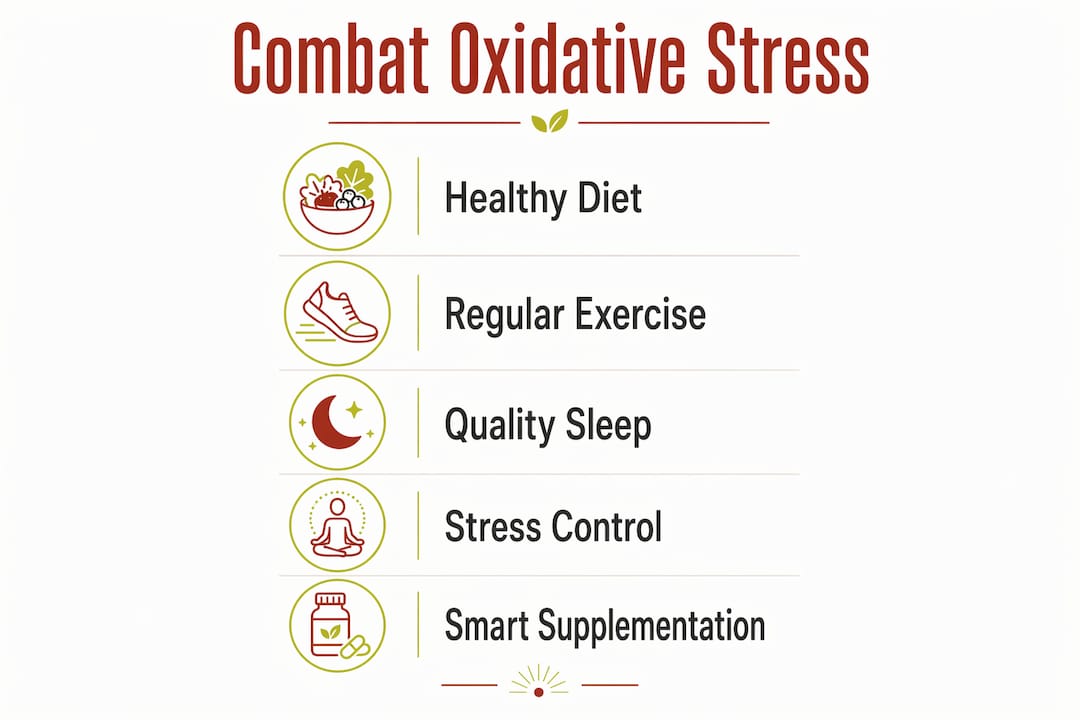
Key Takeaways
Combating oxidative stress and inflammation requires integrating diet, exercise, sleep, and targeted supplementation because no single intervention delivers lasting results on its own.
| Point | Details |
|---|---|
| Diet is your foundation | A Mediterranean-style diet reduces CRP more effectively than any single supplement. |
| Curcumin needs piperine | Pair 500–1,500 mg curcumin with 5–15 mg piperine daily for measurable inflammatory marker reduction. |
| Exercise dosage matters | Aim for 150+ minutes of moderate aerobic activity plus two resistance sessions weekly. |
| Sleep is non-negotiable | Dropping below 8 hours raises CRP and IL-6 within days; prioritize 7–9 hours nightly. |
| Supplements support, not replace | High-dose antioxidants without lifestyle changes can disrupt normal physiology. |
What I’ve learned from years of watching people fight inflammation
Most people come to this topic looking for the one thing that will fix it. They want the supplement, the superfood, or the protocol. I understand the appeal. The science, however, is unambiguous: the people who see lasting results are the ones who treat inflammation as a systems problem, not a deficiency problem.
The CRP biomarker is underused as a feedback tool. Getting a baseline reading, making changes for 8–12 weeks, and then retesting gives you real data on what is working for your body. That feedback loop changes behavior more reliably than motivation alone.
The insight that surprises people most is the sleep finding. Cutting two hours of sleep for a few nights raises inflammatory markers faster than eating poorly for a week. Sleep is not a lifestyle luxury. For many people, fixing sleep is the single highest-return change they can make. I have seen people spend hundreds of dollars on supplements while sleeping six hours a night and wondering why nothing works.
The mindset shift that matters most is moving from “eliminate all oxidative agents” to “maintain the right balance.” Free radicals serve a purpose. Your immune system needs them. The goal is not zero oxidative activity. The goal is a body resilient enough to manage it.
— Larry
Tryrevivify: supporting your antioxidant defenses daily
Lifestyle changes create the foundation. Tryrevivify is built to reinforce it at the cellular level.
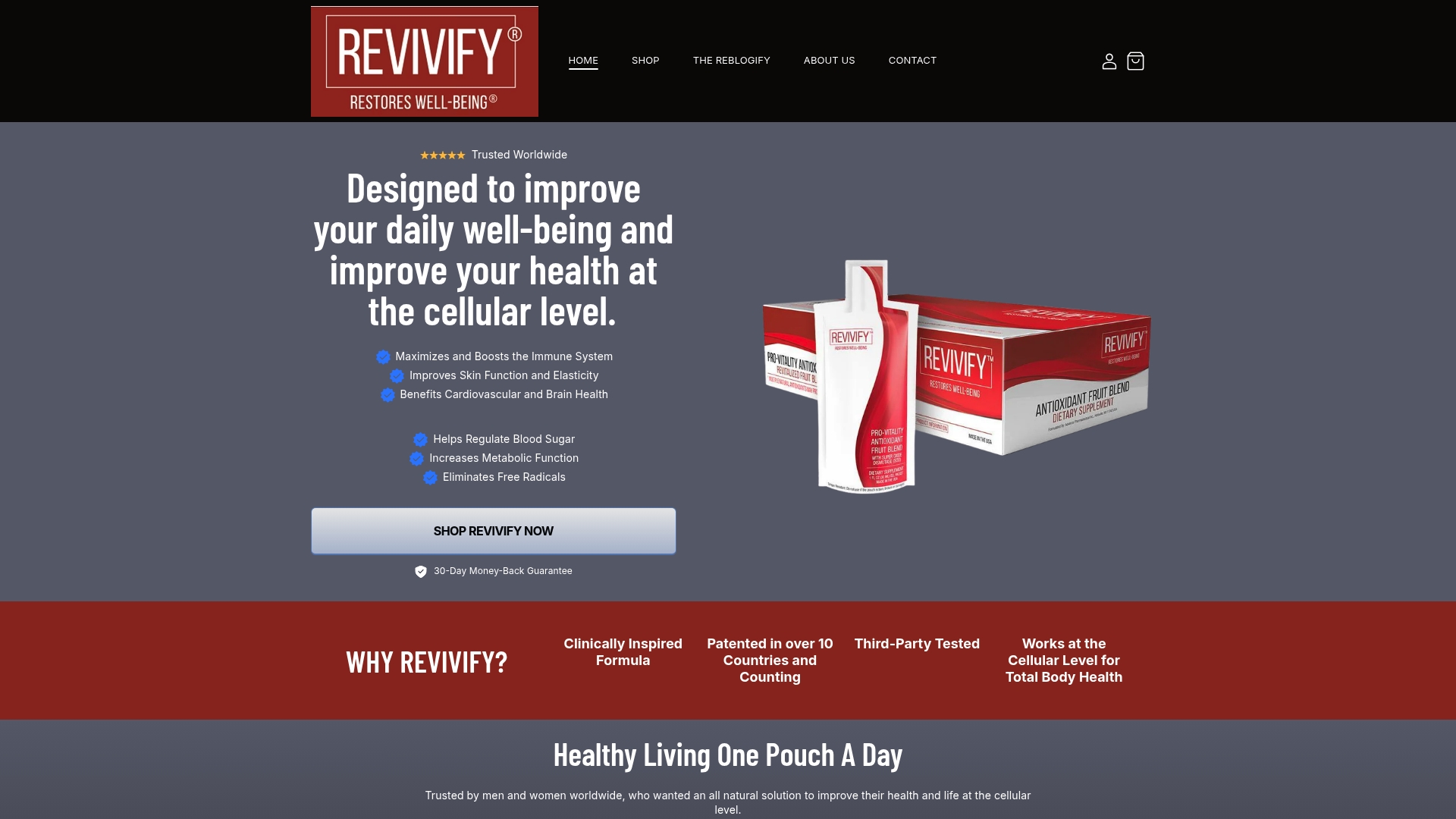
REVIVIFY® combines superoxide dismutase (SOD), the body’s primary free radical neutralizing enzyme, with prebiotic fiber in a patented formula. SOD acts as the first responder in your antioxidant defense system, converting the most damaging free radicals into less harmful compounds before they trigger inflammatory cascades. The prebiotic fiber supports gut health, which is directly tied to systemic inflammation control. If you are already eating well, exercising, and sleeping consistently, adding REVIVIFY® to your daily routine gives your cells a measurable advantage. Visit the product page to see the full formula and start your 30-day supply.
FAQ
What is the fastest way to reduce oxidative stress?
Significant dietary changes, particularly adopting a Mediterranean-style diet, can produce measurable CRP reductions within 2–4 weeks. Combining diet with improved sleep and moderate exercise accelerates results further.
Does curcumin actually reduce inflammation?
Yes. Daily curcumin at 500–1,500 mg paired with piperine at 5–15 mg significantly reduces CRP and IL-6 across multiple randomized controlled trials over 1–12 weeks.
Can too many antioxidants be harmful?
Yes. Excess antioxidant supplementation can act as a pro-oxidant and interfere with immune signaling and cell function. Balance matters more than maximum dosage.
How does sleep affect inflammation?
Reducing sleep from 8 to 6 hours raises systemic inflammatory markers including CRP and IL-6 within days. Consistent 7–9 hours of quality sleep is one of the most effective inflammation relief strategies available.
What foods should I avoid to lower inflammation?
Refined carbohydrates, processed meats, and sugary beverages actively worsen inflammatory processes and should be minimized alongside adding antioxidant-rich foods.