

Low Histamine Probiotics: 3 Strain Checks for Histamine Sensitivity
Yes, you can often use probiotics if you have histamine intolerance, but only when you choose strains verified as non-histamine-producing and introduce them with a cautious trial protocol. Evidence remains mixed, and strain-level verification matters more than the label’s front-of-box claims. Before buying anything, check for three signals: a named strain code, published enzymatic assay data, and a CFU count that holds through the product’s shelf life.
TL;DR:
- Strain verification with a specific coded strain, published assay data, and shelf-life CFU counts are crucial for safely choosing probiotics for histamine intolerance.
- Lactobacillus species like Lactobacillus hilgardii carry strains that can produce histamine, while some strains of Lactiplantibacillus plantarum show promise in reducing histamine in laboratory studies.
- Clinical evidence remains limited and mixed, so a cautious trial involving low doses of well-documented strains and symptom tracking is essential before long-term use.
- Manufacturer transparency, including strain code, assay results, and shelf stability, is a key safety factor, and products should include third-party testing and clear storage instructions.
- Oral DAO supplements may be more directly supported by research for managing histamine levels than probiotics, which require careful strain-specific selection and monitoring.
Table of Contents
- How to evaluate a probiotic product when you have histamine intolerance
- Which strains are risky and which have evidence as low-histamine or histamine-degrading
- What the research and clinical guidance say about probiotics for histamine intolerance
- How to try a probiotic safely if you suspect histamine intolerance
- Potential interactions with common medications and health conditions
- Dietary and lifestyle habits that support a low histamine probiotic strategy
- Symptoms and conditions that may respond to low histamine probiotics
- Why manufacturer transparency is the real safety signal
- If you want a tested supplement: how Revivify fits the safety checklist
- FAQ
- Sources
How to evaluate a probiotic product when you have histamine intolerance
Shopping for a probiotic with histamine intolerance means reading past the marketing copy and into the fine print. A genus and species name alone, like “Lactobacillus plantarum,” tells you almost nothing about whether that particular strain behaves safely in your gut. Histamine production is a strain-level trait, not a species-wide one, so the strain code (something like LP115 or DSM 12345) is the detail that actually matters.
Here is what to look for before you add a probiotic to your cart:
- Strain-level identification: the label should list genus, species, and a specific strain code, not just a genus and species.
- Published assay data: look for manufacturers who share results from enzymatic testing that measures histamine output directly, as described in in vitro histamine and D-lactate assays.
- CFU declared at end of shelf life: a count at the time of manufacture means little if potency has dropped by the time you take the capsule, a concern addressed in FDA guidance on quantitative labeling.
- Per-strain amounts in blends: a multi-strain product should break down how much of each strain you are getting, not bury everything under one combined total.
- Storage and packaging: refrigeration requirements, moisture protection, and expiration dates all affect whether the live organisms you are paying for survive to the point you swallow them.
Opaque blends are a particular risk. When five or six strains are lumped into a single CFU figure with no individual breakdown, you have no way to know whether a histamine-producing strain is hiding in the mix. A single-strain or few-strain product with transparent, published testing gives you a much clearer picture, a point covered in more detail in this breakdown of probiotic side effects and label reading. Also note whether the product pairs a strain with a prebiotic fiber, since the fermentation substrate can influence how the bacteria behave once inside you.
Pro Tip: Call or email the manufacturer and ask directly for their strain’s histamine-production assay results; a company with nothing to hide will usually have an answer ready.
Which strains are risky and which have evidence as low-histamine or histamine-degrading
The species on the label is only half the story. Histamine production depends on whether a specific strain carries the genes for histidine decarboxylase, the enzyme that converts histidine into histamine, and research on Lactobacillus hilgardii IOEB 0006 found that this trait can sit on an unstable plasmid, meaning closely related strains of the same species can behave completely differently. That instability is exactly why a species-level label cannot guarantee safety one way or the other.
With that caveat in place, here is how the current picture breaks down:
- Species flagged for histamine-producing strains: certain Lactobacillus species, including some strains within Lactobacillus hilgardii and related species common in fermented foods, have been documented carrying the hdc gene responsible for histamine production.
- Species with promising, early-stage evidence: a strain of Lactiplantibacillus plantarum, designated LP115, stimulated DAO secretion in an intestinal cell model and reduced histamine levels in the surrounding culture medium, according to research on L. plantarum and histamine metabolism.
- Experimental histamine-degrading candidates: isolates of Brevibacterium have shown the ability to break down histamine in animal feeding trials with poultry, but this work has not moved into human consumer products.
The L. plantarum findings are worth sitting with for a moment, because they are genuinely encouraging, and also genuinely preliminary. The study measured effects in cultured intestinal cells, not in people eating a capsule every morning. A strain performing well in a petri dish does not guarantee the same result when it meets your actual digestive tract, your medications, and your microbiome. Treat this as a reason for cautious optimism about certain well-documented strains, not a green light to assume any product containing “L. plantarum” on the label will behave the same way. The strain code is still the detail that decides the outcome, a distinction explored further in this comparison of Lactobacillus and Bifidobacterium.
What the research and clinical guidance say about probiotics for histamine intolerance
Before trusting any probiotic claim, it helps to know how shaky the ground under histamine intolerance diagnosis actually is. The American Academy of Allergy, Asthma, and Immunology notes that many suspected cases of histamine intolerance are not confirmed once placebo-controlled histamine challenges are applied, which means a meaningful share of people who suspect they have the condition may be reacting to something else entirely. That matters for probiotics because a symptom improvement after starting a supplement could reflect a real strain-specific effect, a placebo response, or an unrelated dietary change happening at the same time.
Histamine intolerance is proposed as an increased sensitivity to dietary histamine, often linked to reduced DAO activity, but many suspected cases are excluded once tested under controlled conditions.
Clinical trial evidence specific to probiotics and histamine intolerance is still thin. A registered trial testing a multi-species probiotic combination of Bifidobacterium and Lactobacillus strains on adult symptoms is currently underway, using a randomized, placebo-controlled design over several weeks, but results are not yet available to draw conclusions from. Until more controlled trials report outcomes, the honest answer is that clinical evidence for probiotics improving histamine intolerance symptoms is limited and mixed, built mostly on laboratory work rather than confirmed patient outcomes.
One concrete safety signal does exist at the product-testing level. In vitro assays on a 24-strain synbiotic found no significant histamine production compared to controls, demonstrating that manufacturers can and should run these tests before a product reaches shelves. This kind of enzymatic assay, which cultures strains in histidine-rich media and measures histamine output directly, is a trust signal you can ask any manufacturer to provide.

On the labeling side, FDA guidance on quantitative labeling allows companies to declare CFU counts on Supplement Facts panels when the declaration is accurate and not misleading, and it stresses that shelf-stability data should support whatever number appears on the bottle. A product that lists a high CFU count at manufacture but offers no end-of-shelf-life data is giving you half the picture, a gap covered in more detail in this explainer on probiotic shelf stability.
How to try a probiotic safely if you suspect histamine intolerance
Introducing a probiotic when you suspect histamine intolerance works best as a slow, documented experiment rather than a leap of faith. A stepwise approach lowers your risk and gives you (and your clinician) real data to work from if something goes wrong.
- Establish a baseline. Spend one to two weeks logging symptoms, meals, and any medications or conditions you already manage, then review that log with your clinician before adding anything new.
- Choose one well-documented strain. Pick a single-strain or few-strain product with published assay data rather than a sprawling blend, and start at the lowest suggested dose.
- Track for two to four weeks. Note digestive symptoms, skin reactions, headaches, or any other pattern you associate with histamine intolerance, comparing against your baseline log.
- Stop if symptoms worsen. If things trend the wrong direction, discontinue the probiotic and discuss DAO enzyme supplementation or a supervised elimination diet with your clinician instead.
- Escalate to testing when needed. A clinician may order DAO activity testing or a monitored histamine challenge, and persistent or severe symptoms warrant a referral to an allergist or gastroenterologist.
Pregnancy, immunocompromise, recent antibiotic use, and certain prescription medications all change the risk calculus here, so flag these to your clinician before starting any new strain. If a probiotic alone does not move the needle, oral DAO supplementation is a more direct and better-studied route for managing dietary histamine load, and products like HistDAO from Healthspan Holistic illustrate what that category looks like.
Pro Tip: Keep your symptom log in the same app or notebook you already use for meals, so patterns between food, probiotic timing, and symptoms are easier to spot later.
Potential interactions with common medications and health conditions
Probiotics are not inert, and combining them with certain medications or health conditions deserves a second look. Antibiotics are the most obvious interaction: they can kill off the very strain you just started taking, so spacing doses several hours apart is standard practice, though your clinician is the right person to confirm timing for your specific prescription.
Immunosuppressive medications and conditions that weaken immune defenses raise a different concern, since live microbial supplements carry a small but real risk of unwanted colonization in someone whose immune system cannot keep bacterial populations in check. Anyone on immunosuppressants, undergoing chemotherapy, or managing a condition like advanced HIV should treat probiotic use as a conversation with their care team, not a solo decision.
MAO inhibitors and certain other psychiatric medications interact with dietary histamine and tyramine more broadly, which means anyone on these drugs should be especially careful about introducing anything that touches histamine metabolism, probiotic or otherwise. People with existing gastrointestinal conditions, including inflammatory bowel disease, should also loop in a gastroenterologist before adding a new strain, since gut inflammation can change how bacteria behave locally.
Dietary and lifestyle habits that support a low histamine probiotic strategy
A probiotic strain working in isolation will only get you so far if the rest of your plate is working against it. Fresh, properly stored food is the foundation: histamine levels climb the longer food sits, so leftovers, aged cheeses, cured meats, and fermented products like sauerkraut or kombucha tend to carry higher histamine loads than freshly prepared meals.
Cooking and freezing matter too. Freezing fresh meat and fish shortly after purchase slows the bacterial activity that generates histamine over time, while reheating leftovers repeatedly tends to push histamine content upward rather than down. Alcohol is worth flagging on its own, since it inhibits the DAO enzyme your body relies on to break down dietary histamine, which can undercut whatever benefit a probiotic strain is offering.

Stress and sleep deprivation do not produce histamine directly, but both can aggravate gut permeability and symptom flares, so treating sleep and stress management as part of the same plan as diet and supplementation tends to pay off. Pairing a verified low histamine probiotic with a genuinely low histamine diet, rather than expecting the supplement to compensate for a histamine-heavy plate, gives the strain the best chance of making a measurable difference.
Symptoms and conditions that may respond to low histamine probiotics
Histamine intolerance symptoms overlap heavily with several other conditions, which is part of why diagnosis is so often uncertain. Common complaints include headaches, hives or flushing, digestive upset, nasal congestion, and a racing heart rate, usually appearing within a couple of hours of eating histamine-rich foods.
People managing irritable bowel syndrome, small intestinal bacterial overgrowth, or general digestive sensitivity sometimes report overlapping symptoms with histamine intolerance, which is one reason a careful workup with a clinician matters before assuming histamine is the culprit. Skin conditions like chronic hives and certain migraine patterns have also been linked anecdotally to histamine sensitivity, though the AAAAI’s own review stresses that confirmed cases are fewer than the number of people who suspect they have the condition.
Where a verified low-histamine probiotic strain may offer the most practical value is in supporting general gut balance alongside other interventions, rather than standing in as a standalone treatment for any of these conditions. Anyone with a formal mast cell disorder, confirmed DAO deficiency, or a diagnosed allergic condition should treat probiotic use as one small piece of a broader plan built with a specialist, not a substitute for it.
Why manufacturer transparency is the real safety signal
The pattern across the research is consistent: strain identity, not species label, decides whether a probiotic is safe for histamine intolerance. That puts the burden on manufacturers to publish strain codes, assay results, and end-of-shelf-life CFU data rather than asking customers to take their word for it. A quick trust checklist you can apply to any product: named strain code, published histamine assay, CFU at expiration, third-party testing, and clear storage instructions. None of that replaces a conversation with your clinician before starting anything new.
— Larry
If you want a tested supplement: how Revivify fits the safety checklist
If you have read this far, you already know what to look for: named strains, published testing, and honest shelf-stability data. A tested daily supplement built around a formula combining superoxide dismutase and prebiotic fiber, and undergoing third-party testing, fits the transparency standard this guide has been asking you to demand from any supplement.
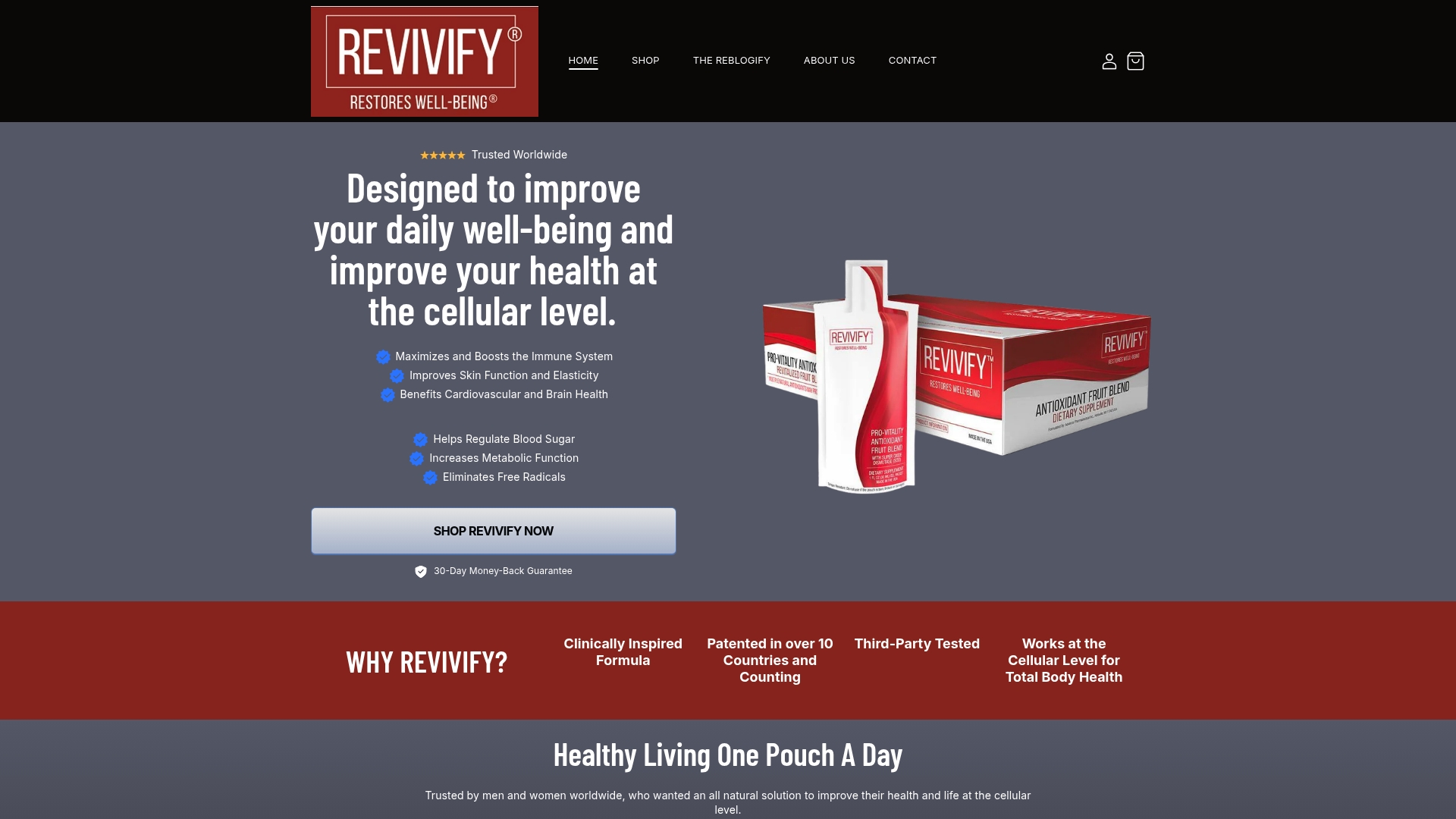
That approach lines up with the selection criteria covered above:
- Third-party testing gives you an outside check on what the label claims, rather than taking the manufacturer’s word alone.
- Prebiotic fiber included in the formula supports the fermentation environment.
- Formulation with consistent composition supports reliable product quality.
Talk with your clinician before adding any new supplement if you suspect histamine intolerance, and take a look at the Revivify product collection to see whether it fits into your plan.
FAQ
What foods are low in histamine?
Fresh, unprocessed foods generally carry the least histamine, including freshly cooked meat and fish, most fresh vegetables, rice, and fresh dairy. Aged, fermented, cured, and leftover foods tend to carry the most, since histamine accumulates the longer food sits or ferments.
Can probiotics help with histamine intolerance?
Some strains may help by supporting DAO activity or avoiding histamine production themselves, but clinical evidence in humans is still limited and mostly based on laboratory studies. Strain-specific selection and a cautious trial under clinician guidance matter more than any general claim about “probiotics” as a category.
What is the best supplement to lower histamine levels?
No single supplement is established as the best option, since both low-histamine probiotic strains and oral DAO supplements work through different mechanisms and have different evidence bases. Oral DAO supplementation is generally considered a more direct, better-studied approach for managing dietary histamine than probiotics alone.
Is Greek yogurt low in histamine?
Greek yogurt is fermented, which generally raises its histamine content compared to fresh dairy, so it is not considered a low histamine food by most standards. People with confirmed histamine intolerance are typically advised to limit fermented dairy and watch for individual tolerance, since sensitivity varies from person to person.
Sources
- Histamine intolerance: fact or fiction? — AAAAI
- In vitro assessment of histamine and lactate production by a multi-strain synbiotic — PMC
- Histamine-Producing Pathway Encoded on an Unstable Plasmid in Lactobacillus hilgardii IOEB 0006 — PMC
- Potential role of Lactiplantibacillus plantarum in control of histamine metabolism — PMC
- Draft guidance for industry—quantitative labeling of dietary supplements containing live microbials — FDA