

Oxidative Stress and Stroke Risk: What You Need to Know
Oxidative stress is defined as a cellular imbalance where reactive oxygen species (ROS) overwhelm the body’s antioxidant defenses, and this imbalance is a direct driver of stroke risk. The formal term in neurovascular medicine is redox dysregulation, and understanding it matters because stroke affects 1 in 4 adults globally over a lifetime. When ROS accumulate unchecked, they attack brain cells, degrade blood vessel walls, and set off inflammatory cascades that can trigger or worsen a stroke. This article breaks down the molecular mechanisms, the biomarkers that reveal your risk, the lifestyle factors you can control, and the emerging science of the gut-brain axis as it relates to oxidative stress and stroke.
What is oxidative stress stroke risk, and why does it matter?
Oxidative stress is the central mechanism through which cellular damage accumulates in the brain and vasculature before and during a stroke. Think of ROS as sparks from a fire. In small amounts, they are normal byproducts of metabolism. When the body’s antioxidant “fire extinguishers,” including enzymes like superoxide dismutase (SOD) and glutathione peroxidase, cannot keep pace, those sparks become a blaze.
Excessive ROS from mitochondrial electron leakage is the primary source of cellular injury during ischemic stroke, which accounts for roughly 87% of all strokes. This matters because it means the damage begins at the mitochondrial level, deep inside each neuron, long before a clot fully blocks blood flow. The brain is especially vulnerable because it consumes about 20% of the body’s oxygen despite representing only 2% of body weight, making it a high-output environment where ROS production is naturally elevated.

The relationship between oxidative stress and stroke is not a one-way street. Stroke itself generates more ROS, which then amplifies neuronal death and vascular breakdown. This feedback loop is why stroke outcomes can deteriorate rapidly even after initial treatment. Recognizing oxidative stress as a cause of stroke risk, not merely a consequence, is the conceptual shift that shapes modern neuroprotective research.
What molecular mechanisms connect oxidative stress to stroke damage?
The molecular story of how oxidative stress causes stroke damage centers on three interconnected processes: mitochondrial dysfunction, blood-brain barrier (BBB) breakdown, and inflammation amplification.
During ischemia, oxygen deprivation forces mitochondria into a dysfunctional state where electron transport chain leakage surges. ROS surge after reperfusion contributes directly to BBB breakdown and inflammation, a phenomenon called reperfusion injury. The paradox here is striking: restoring blood flow, the primary goal of stroke treatment, simultaneously triggers an oxidative burst that can worsen the very damage you are trying to reverse. This is one of the most clinically frustrating realities in stroke medicine.
The BBB is a tightly regulated membrane that separates circulating blood from brain tissue. ROS degrade the tight junction proteins that hold this barrier together, allowing inflammatory cells and toxic molecules to flood into brain tissue. Once the BBB is compromised, the cascade accelerates. ROS activate NF-κB inflammatory pathways, increasing neuronal damage and BBB permeability further. NF-κB is essentially the master switch for inflammation, and oxidative stress keeps it permanently flipped on.
Superoxide, the most abundant ROS during ischemia, reacts with nitric oxide to form peroxynitrite, a molecule that nitrates proteins and lipids, rendering them non-functional. This is where the oxidative stress and inflammation cycle becomes self-sustaining. Neurons that survive the initial ischemic event can still die hours or days later due to this ongoing oxidative and inflammatory assault, a process called delayed neuronal death.
Pro Tip: If you are managing hypertension or recovering from a cardiovascular event, ask your physician about measuring systemic antioxidant markers like glutathione and SOD activity. These give a clearer picture of your redox status than standard lipid panels alone.
How do oxidative stress biomarkers help predict stroke risk?
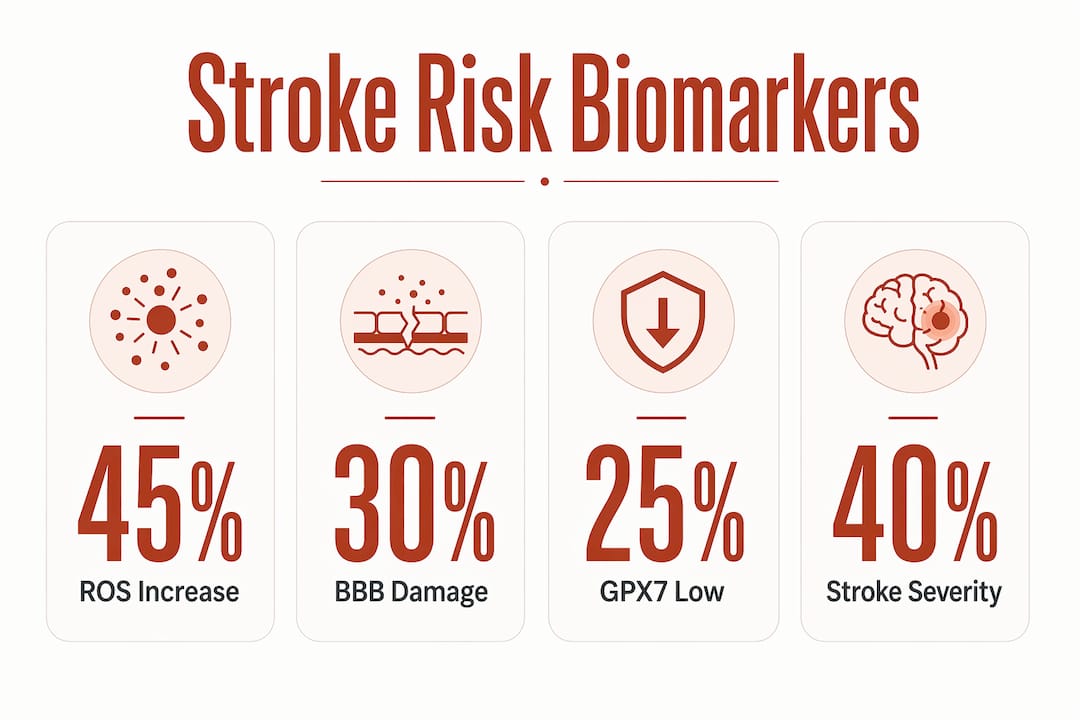
Biomarkers are measurable signals that tell clinicians how much oxidative damage is occurring in the body. Two of the most clinically significant are GPX7 and Gadd45α, both identified through multi-omics research as key indicators of stroke severity.
GPX7 and Gadd45α are oxidative stress biomarkers linked directly to stroke severity and neurological outcome. Gadd45α, when silenced in experimental models, reduces ROS production and neuronal apoptosis, suggesting it plays an active role in amplifying cell death rather than simply reflecting it. This distinction is critical: Gadd45α is not just a passive marker but a potential therapeutic target.
Lipid peroxidation products offer another window into oxidative damage. 4-HNE, a lipid peroxidation product, serves as a reliable oxidative stress biomarker and mediates mitochondrial dysfunction after ischemic events. 4-HNE (4-hydroxynonenal) forms when ROS attack the fatty acids in cell membranes. Elevated 4-HNE levels in blood samples correlate with blood vessel inflammation and ongoing neuronal apoptosis, making it a practical clinical signal.
| Biomarker | Type | Clinical significance |
|---|---|---|
| GPX7 | Enzyme/gene | Low expression linked to higher stroke severity and poor outcomes |
| Gadd45α | Stress-response protein | Elevated levels amplify ROS and neuronal apoptosis post-stroke |
| 4-HNE | Lipid peroxidation product | Reflects membrane damage; correlates with vascular inflammation |
| Glutathione (GSH) | Antioxidant molecule | Depleted levels indicate overwhelmed antioxidant defenses |
The practical implication of these biomarkers is significant. Rather than waiting for a stroke to occur, clinicians may eventually use panels of these markers to identify patients at elevated risk and intervene with targeted antioxidant therapies before irreversible damage occurs. Research into oxidative burden and tissue damage continues to refine which combinations of markers carry the most predictive weight.
What lifestyle and modifiable stroke risk factors influence oxidative stress?
Lifestyle choices are not just associated with stroke risk. They actively determine how well your body maintains redox balance. Lifestyle behaviors damage antioxidant defenses, increasing oxidative stress and vascular stiffness in measurable, documented ways.
The major modifiable contributors to oxidative stress and elevated stroke risk include:
- Hypertension: High blood pressure affects 1 in 2 American adults and is the leading modifiable stroke risk factor. Chronically elevated pressure generates shear stress on vessel walls, stimulating NADPH oxidase enzymes that produce superoxide directly.
- Smoking: Cigarette smoke delivers thousands of oxidants per puff, directly depleting glutathione and vitamin C in the bloodstream. Smoking doubles stroke risk, and the oxidative mechanism is a primary reason why.
- Physical inactivity: Regular aerobic exercise upregulates SOD and catalase expression. Without it, the body’s enzymatic antioxidant capacity declines, leaving cells more vulnerable to ROS accumulation.
- Poor diet: Diets low in polyphenols, carotenoids, and omega-3 fatty acids deprive the body of the raw materials needed to synthesize and recycle antioxidant enzymes.
- Chronic systemic inflammation: Conditions like obesity and metabolic syndrome maintain a low-grade inflammatory state that continuously generates ROS, wearing down antioxidant reserves over time.
Lifestyle factors not only increase stroke risk but actively impair the body’s ability to maintain redox balance. This is a meaningful distinction. You are not simply adding risk by smoking or being sedentary. You are actively dismantling the cellular machinery that protects you. Understanding the oxidative stress inflammation symptoms that emerge from these behaviors can help you recognize when your body’s defenses are under strain.
Pro Tip: Mediterranean-style eating patterns, rich in olive oil, leafy greens, nuts, and fatty fish, have the strongest evidence base for reducing systemic oxidative stress and vascular inflammation. Prioritize food-first antioxidant strategies before reaching for supplements.
How does the gut-brain axis affect oxidative stress and stroke outcomes?
The gut microbiome is not a passive bystander in stroke risk. Dysbiosis, an imbalance in gut microbial populations, aggravates systemic inflammation and oxidative stress in ways that directly affect neurovascular health.
Two metabolites illustrate this relationship clearly. Short-chain fatty acids (SCFAs), produced when beneficial gut bacteria ferment dietary fiber, exert neuroprotective effects by reducing intestinal permeability and dampening systemic inflammation. Elevated TMAO levels positively correlate with higher stroke risk via enhanced platelet reactivity. TMAO (trimethylamine N-oxide) is produced when gut bacteria metabolize choline and carnitine from red meat and eggs. It promotes thrombosis, the clot formation that causes most ischemic strokes.
| Metabolite | Source | Effect on stroke risk |
|---|---|---|
| SCFAs (butyrate, propionate) | Fiber fermentation by beneficial bacteria | Neuroprotective; reduces inflammation and oxidative stress |
| TMAO | Metabolism of red meat/egg choline by gut bacteria | Pro-thrombotic; increases platelet reactivity and stroke risk |
The gut-brain axis represents one of the most exciting frontiers in stroke prevention research. Microbiome-targeted therapies, including prebiotic fiber supplementation and specific probiotic strains, are being studied for their ability to shift the metabolite balance toward SCFAs and away from TMAO. This is precisely why Tryrevivify incorporates prebiotic fiber alongside superoxide dismutase in its formula. Supporting gut microbial balance is not separate from fighting oxidative stress. It is part of the same cellular defense system.
What practical measures reduce oxidative stress to lower stroke risk?
Reducing oxidative stress to lower stroke risk requires a layered approach. No single intervention works in isolation, and no single neuroprotective drug fully prevents stroke damage. Long-term lifestyle management remains the most evidence-supported strategy.
- Prioritize aerobic exercise. Thirty minutes of moderate-intensity exercise five days per week upregulates endogenous antioxidant enzymes, including SOD and catalase, reducing baseline ROS levels in vascular tissue.
- Adopt a polyphenol-rich diet. Foods like blueberries, dark leafy greens, and green tea supply flavonoids that directly scavenge ROS and support glutathione recycling.
- Control blood pressure aggressively. Keeping systolic pressure below 130 mmHg reduces NADPH oxidase activation in arterial walls, cutting superoxide production at the source.
- Quit smoking. Smoking cessation begins restoring glutathione levels within weeks, with measurable improvements in vascular oxidative markers within months.
- Consider targeted antioxidant support. Compounds like resveratrol show potential in targeting endothelial oxidative stress enzymes like NADPH oxidase, moving beyond broad antioxidant supplementation toward precise enzyme-level intervention.
- Support gut health. Increasing dietary fiber intake shifts the microbiome toward SCFA-producing bacteria, reducing TMAO production and systemic inflammation simultaneously.
The pharmacological frontier is moving toward precision. Rather than flooding the body with generic antioxidants, researchers are targeting specific ROS-generating enzymes. The challenge is that the immune-vascular system interaction drives neurological damage through pathways beyond oxidative stress alone, meaning no single-target therapy will be sufficient. Combining lifestyle modification with targeted supplementation and medical management offers the most complete protection currently available.
Key takeaways
Oxidative stress drives stroke risk by generating ROS that damage neurons, degrade the blood-brain barrier, and activate inflammatory pathways that no single drug can fully reverse.
| Point | Details |
|---|---|
| Oxidative stress defined | An imbalance between ROS and antioxidant defenses that directly damages brain cells and blood vessels. |
| Key molecular mechanisms | Mitochondrial ROS leakage, BBB breakdown, and NF-κB inflammation activation all amplify stroke damage. |
| Biomarkers to know | GPX7, Gadd45α, and 4-HNE reflect oxidative damage severity and may predict stroke outcomes. |
| Modifiable risk factors | Hypertension, smoking, and physical inactivity actively degrade antioxidant defenses, not just add risk. |
| Gut-brain axis role | TMAO from gut dysbiosis raises thrombosis risk; SCFAs from fiber fermentation are neuroprotective. |
Why the complexity of oxidative stress in stroke still humbles me
After spending years reading the literature on redox biology and stroke, the thing that strikes me most is not how much we know. It is how many promising antioxidant therapies have failed in clinical trials despite compelling preclinical data. Vitamin E, high-dose vitamin C, and various synthetic antioxidants all looked good in animal models and collapsed in human trials. The reason, I believe, is that we kept treating oxidative stress as a single variable rather than a systems-level problem.
The gut-brain axis research genuinely excites me because it reframes the question. Instead of asking “how do we neutralize ROS after they form,” it asks “how do we prevent the conditions that generate excess ROS in the first place.” That is a fundamentally different and more productive question. Dysbiosis, chronic inflammation, and poor redox balance are all downstream of the same upstream failures in diet, movement, and sleep.
What I tell people who are concerned about their stroke risk is this: the biomarker research on GPX7 and 4-HNE is promising, but you do not need to wait for precision medicine to catch up. The lifestyle interventions that reduce oxidative stress, consistent exercise, a fiber-rich diet, blood pressure control, and smoking cessation, are available right now and have decades of evidence behind them. Supplements that support endogenous antioxidant enzymes like SOD can complement these efforts, but they work best as part of a broader strategy, not as a substitute for one.
The science is telling us something clear: your cells are fighting oxidative damage every day, and the choices you make either reinforce that defense or undermine it.
— Larry
Support your cellular defenses with Tryrevivify
If the research above has you thinking about what you can do at the cellular level, Tryrevivify was built precisely for that question. Tryrevivify’s patented formula combines superoxide dismutase, the enzyme that neutralizes superoxide radicals at the mitochondrial level, with prebiotic fiber that supports the gut microbiome balance shown to reduce TMAO and systemic inflammation. This is not a generic antioxidant blend. It is a formula designed around the specific biochemical pathways that matter most for oxidative stress and long-term vascular health. Explore the REVIVIFY® 30-Day Supply and see how cellular-level support fits into your prevention strategy.
FAQ
What is oxidative stress and how does it increase stroke risk?
Oxidative stress is an imbalance between reactive oxygen species and antioxidant defenses that damages neurons and blood vessel walls. This damage disrupts the blood-brain barrier and activates inflammatory pathways that directly contribute to ischemic stroke.
What are the most common oxidative stress symptoms to watch for?
Oxidative stress does not always produce obvious symptoms, but chronic fatigue, frequent illness, and accelerating cardiovascular risk factors like rising blood pressure can all reflect underlying redox imbalance. Biomarkers like depleted glutathione and elevated 4-HNE provide more precise signals.
Is oxidative stress harmful enough to cause a stroke on its own?
Oxidative stress is a major contributing mechanism rather than a sole cause. It works alongside hypertension, inflammation, and thrombosis to create conditions where stroke becomes far more likely, particularly in people with multiple modifiable risk factors.
How does preventing oxidative damage lower stroke risk?
Reducing ROS production through exercise, diet, and targeted antioxidant support preserves blood vessel integrity, maintains BBB function, and prevents the NF-κB inflammatory cascade that amplifies neuronal death during and after a stroke.
Can gut health really affect oxidative stress and stroke outcomes?
Yes. Gut dysbiosis elevates TMAO, a metabolite that increases platelet reactivity and thrombosis risk, while reducing SCFA production that normally dampens systemic inflammation and oxidative stress. Supporting microbial balance through dietary fiber is a documented strategy for improving neurovascular health.