

Test These Plant Based Supplements First, and Check Form & Quality
Vitamin B12 is non-negotiable for anyone eating a fully plant-based diet. Beyond that, most people should evaluate vitamin D3 (lichen-sourced), algae-derived DHA/EPA, and get their iron, calcium, zinc, and iodine checked against their actual intake and lab work. Think of plant-based supplements as backup for what a plant-based diet structurally cannot deliver on its own, not a replacement for eating well. Test first, then dose deliberately, ideally with your clinician in the loop.
TL;DR:
- Supplementing with vitamin B12 is non-negotiable for vegans because plants do not produce it and deficiency can lead to significant health issues.
- The quality of supplements depends heavily on third-party testing, clear ingredient labeling, GMP certification, and reliable sourcing to ensure safety and efficacy.
- Bioavailability varies greatly with the chemical form of supplements, making forms like methylcobalamin, vitamin D3, algae oil EPA/DHA, and chelated minerals preferable for better absorption.
- While B12 and algae omega-3s are evidence-backed essentials, antioxidants and vitamin D3 are reasonable additions based on individual lab results, not universal needs.
- Sourcing from sustainable, plant-based, and eco-friendly methods—such as algae and lichen—adds an ethical edge to supplements, but sourcing transparency remains important.
Table of Contents
- Which Plant-Based Supplements Do Vegans Actually Need?
- How Do You Choose Quality Plant-Based Supplements?
- Why Does the Chemical Form of a Supplement Matter So Much?
- Are Plant-Based Supplements Safe, and What Should You Watch For?
- What Backs Revivify’s Approach to Plant-Based Antioxidant Support
- What Does the Evidence Actually Say About Plant-Based Supplement Benefits?
- What Myths About Plant-Based Supplements Should You Stop Believing?
- Do Plant-Based Supplements Have an Environmental or Ethical Edge?
- An Editorial Take on Vegan Supplementation
- Where Revivify Fits Into a Plant-Based Supplement Routine
- Sources
- FAQ
Which Plant-Based Supplements Do Vegans Actually Need?
Your body doesn’t care whether a nutrient came from a cow or a lab. It cares whether the molecule is bioavailable and present in adequate amounts. That distinction is the whole story behind why certain nutrients show up on every credible list of what vegans need to supplement.
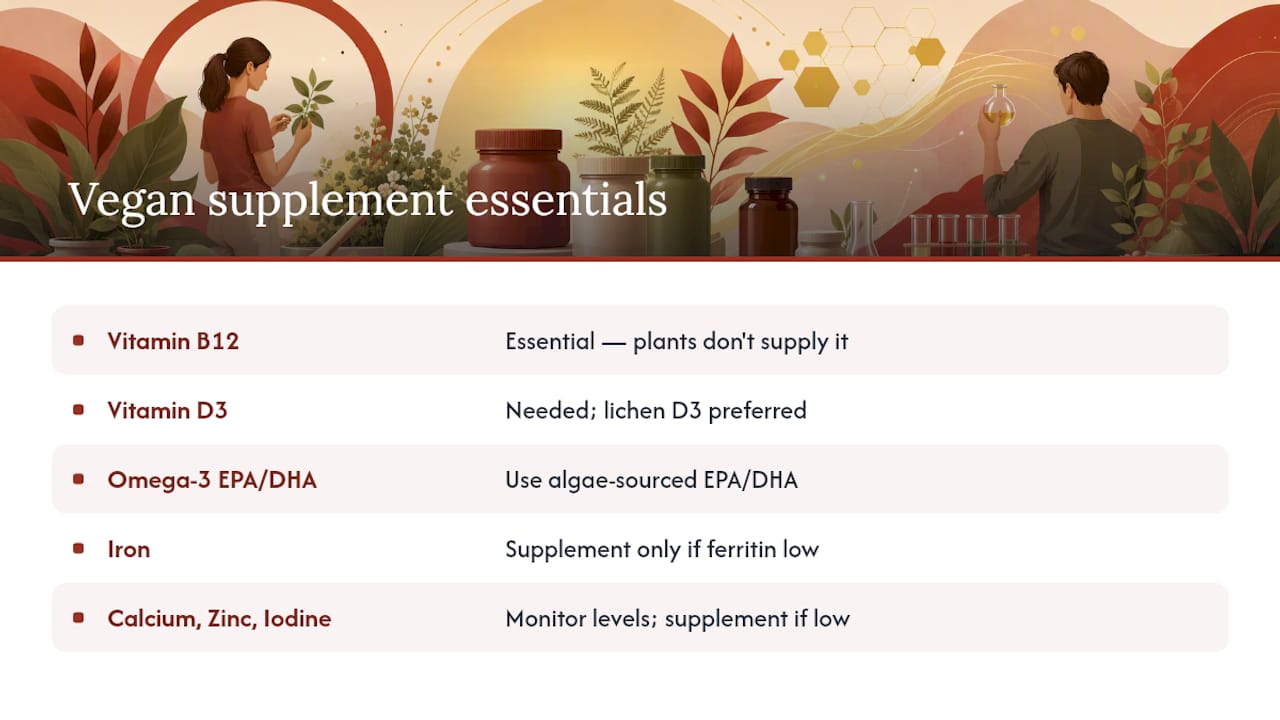
Vitamin B12 deserves top billing because plants simply don’t make it. B12 is synthesized by bacteria, and the animals that eat those bacteria (or graze in contaminated soil) accumulate it in their tissue. Without animal products, dietary B12 intake drops to nearly zero, which is why B12 is considered the single most critical supplement for anyone on a strict plant-based diet. You’ll see two forms on labels: methylcobalamin, the active coenzyme form your cells use directly, and cyanocobalamin, a more stable synthetic form your liver converts. Many people take a low daily dose (around 250 mcg) or a higher weekly dose (2,000 mcg or more) to compensate for how poorly B12 absorbs in high concentrations. If you haven’t checked serum B12 or methylmalonic acid in the last year, that’s a reasonable place to start.
Vitamin D3 matters because sun exposure and food rarely cover it, especially outside summer months. Lichen-derived D3 gives vegans a plant-sourced version of the same cholecalciferol form found in fish oil, which your body converts more efficiently than plant-based D2. Clinicians generally target a 25-hydroxyvitamin D blood level in a healthy range, adjusting dose based on that number rather than guessing.
Omega-3s split into two camps: ALA (from flax, chia, walnuts) and long-chain EPA/DHA, which your body converts from ALA at a notoriously low rate. Algae-derived DHA/EPA supplements sidestep that conversion problem entirely, typically delivered in capsules of varying amounts.
Iron, calcium, zinc, and iodine round out the list, with iron supplementation only warranted when ferritin comes back low, since non-heme iron already absorbs less efficiently and megadosing carries real GI risk. Antioxidant botanicals like curcumin and green tea extract show promising signals but suffer from inconsistent standardization, so treat them as optional, not essential.
How Do You Choose Quality Plant-Based Supplements?
Marketing claims are cheap. Third-party verification is not, which makes it the fastest way to separate a serious brand from a bottle of colored powder. Here’s how to vet what you’re buying:
- Check for third-party testing seals. USP, NSF, and ConsumerLab don’t manufacture supplements, they independently verify that what’s on the label matches what’s in the capsule and that contaminants stay below safety thresholds.
- Confirm GMP manufacturing. Good Manufacturing Practice certification means the facility follows consistent quality control. Legitimate brands post this on their site or provide it on request.
- Read the label like a skeptic. Look for exact ingredient names and milligram amounts, not vague “proprietary blends” that hide dosing. Watch for unnecessarily high single-nutrient doses and unlisted fillers or allergens.
- Buy from traceable sources. Purchase from brand websites or pharmacies rather than unverified marketplace resellers, and keep your receipt and lot number in case you need to report an adverse reaction later.
Pro Tip: If a brand won’t show you a certificate of analysis (COA) for the specific batch you’re buying, that’s a signal to keep looking; a downloadable COA is the closest thing to a paper trail for supplement quality.
Why Does the Chemical Form of a Supplement Matter So Much?
Two supplements can list the same nutrient and behave completely differently in your body. This is the part most shoppers skip, and it’s where the real value lives.
Methylcobalamin B12 is the coenzyme form your cells already use, while cyanocobalamin needs an extra conversion step in the liver. Both work for most healthy people, but methylcobalamin has an edge for those with absorption or methylation concerns. Vitamin D3 outperforms D2 at raising and sustaining blood levels over time, and it absorbs better when taken with a meal containing fat, since it’s fat-soluble by nature.
For omega-3s, algae oil in triglyceride form mirrors how DHA and EPA occur naturally and tends to absorb more readily than the ethyl ester form found in some fish-oil-style products. On the mineral side, iron bisglycinate and chelated zinc cause far less GI upset than cheaper inorganic salts, and calcium citrate absorbs consistently regardless of stomach acid levels, unlike calcium carbonate.
None of this is universal. Bioavailability depends heavily on individual gut health and existing nutrient status, which is exactly why blood testing, not label reading alone, confirms whether a supplement is actually doing its job.
Are Plant-Based Supplements Safe, and What Should You Watch For?
Here’s a fact that surprises a lot of people: the FDA does not pre-approve dietary supplements for safety or efficacy the way it does prescription drugs. Manufacturing consistency varies by brand, which means the label’s promise and the capsule’s contents don’t always match perfectly.
Interactions are real and worth flagging to your doctor:
- St. John’s wort can weaken the effect of numerous prescription medications, including birth control and antidepressants.
- High-dose vitamin K can interfere with blood thinners like warfarin.
- Iron supplements can block absorption of certain antibiotics and thyroid medication (levothyroxine) if taken too close together.
Test B12, ferritin, and 25-hydroxyvitamin D before starting a new regimen, and add TSH or iodine screening if you suspect thyroid involvement. Pregnancy and chronic kidney or liver conditions call for tighter dosing oversight, not more supplements. If something feels off after starting a new product, save the lot number and report it. That detail is often what lets investigators trace a bad batch.
What Backs Revivify’s Approach to Plant-Based Antioxidant Support
The formula pairs superoxide dismutase, a naturally occurring antioxidant enzyme, with prebiotic fiber in a patented, plant-based combination that is third-party tested. Superoxide dismutase acts like the first runner in a relay team, neutralizing free radicals before they can hand off damage to your cells.
For readers who want to go deeper on the mechanisms at play, these resources expand on the science:
- How oxidative stress causes inflammation in your body
- How to combat oxidative stress and inflammation
- How gut microbiome affects digestion
…
What Does the Evidence Actually Say About Plant-Based Supplement Benefits?
The research support varies sharply by nutrient, and that variation matters more than any blanket claim about supplements being “good for you.”
B12 supplementation has the strongest and most direct evidence: without it, plant-based eaters risk measurable deficiency, since there’s no meaningful dietary workaround. Algae-derived DHA/EPA is backed by solid biochemical reasoning. Algae oil delivers the same long-chain omega-3 fatty acids found in fish, without relying on the body’s inefficient ALA-to-DHA conversion pathway.
Plant-based antioxidants, meanwhile, occupy a more nuanced space. Polyphenols, flavonoids, and carotenoids contribute to the body’s antioxidant defenses, and diets rich in colorful produce correlate with lower markers of oxidative stress. But standardization and absorption remain genuine challenges. Not every curcumin capsule delivers the same active compound levels, and some extracts show low oral bioavailability without specialized delivery methods.
The practical takeaway: treat B12 and algae omega-3s as evidence-backed essentials, and treat antioxidant botanicals as reasonable additions with a wider range of quality and effect size. Vitamin D3 sits somewhere in between, well-supported for people with documented low levels, less urgent for those who already test in range.
What Myths About Plant-Based Supplements Should You Stop Believing?
The biggest myth is that “eating clean” makes supplementation unnecessary. A diet built entirely around vegetables, grains, and legumes is nutrient-dense in many respects, but it cannot manufacture B12, and it delivers omega-3s in a form your body converts poorly.
A second myth: more is automatically better. Megadosing fat-soluble vitamins like D, or iron without a documented deficiency, doesn’t accelerate benefits, it raises the risk of toxicity or GI distress. Testing before supplementing isn’t caution for caution’s sake, it’s how you avoid throwing money and health risk at a problem you might not actually have.
A third misconception treats all supplement brands as interchangeable, as though the nutrient on the label guarantees the same result regardless of source. Two zinc supplements at the same dose can behave very differently depending on whether the mineral is chelated or bound in a form your gut struggles to break down.
Finally, some assume herbal and botanical products are automatically gentler than pharmaceuticals because they’re “natural.” Certain herbal supplements carry documented interaction and liver injury risks, which is exactly why disclosing every supplement to your clinician matters as much as disclosing prescription medications.
Do Plant-Based Supplements Have an Environmental or Ethical Edge?
Sourcing is where plant-based supplements diverge most visibly from their animal-derived counterparts. Algae-derived DHA/EPA is cultivated in controlled systems rather than harvested from fish stocks, avoiding the overfishing pressure and bycatch associated with traditional fish oil production. That’s a meaningful shift for anyone weighing the ecological cost of long-chain omega-3s.
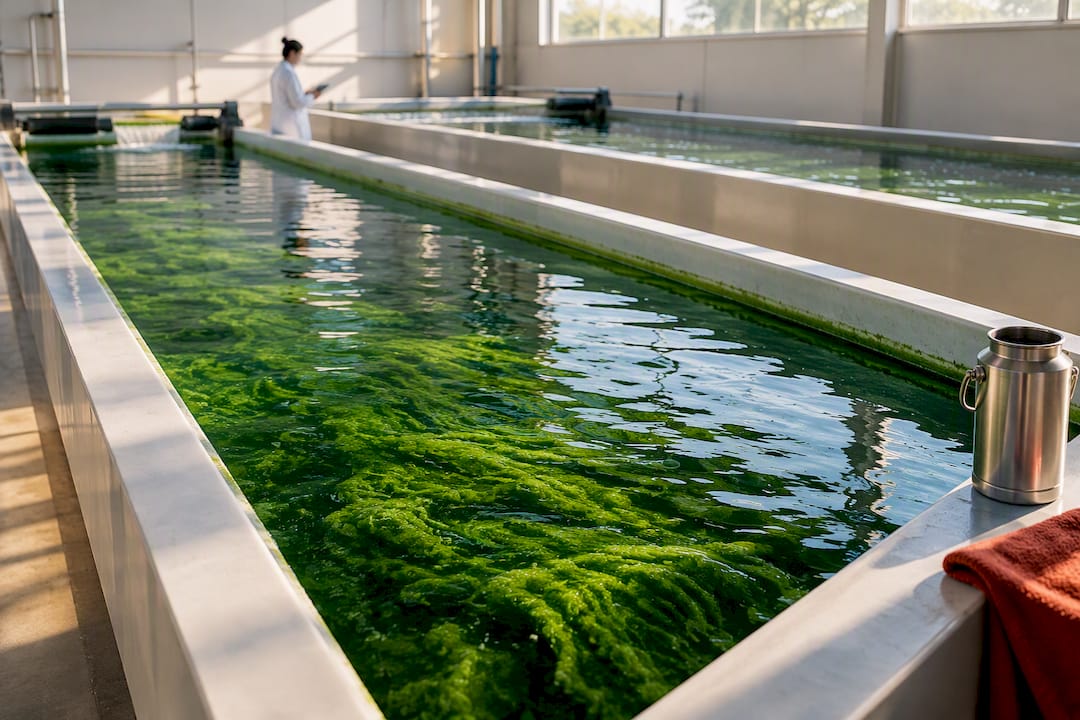
Lichen-sourced vitamin D3 offers a similar advantage over lanolin-derived D3, which is extracted from sheep’s wool grease and excluded by strict vegan standards even though it’s technically not animal flesh. Choosing lichen D3 closes that gap for anyone maintaining a fully plant-based ethic, not just a plant-based diet.
There’s a supply chain dimension too. Plant and algae cultivation generally requires less land and water than raising livestock for nutrient byproducts, though the picture isn’t uniformly clean. Extraction and processing for concentrated actives still carry an energy footprint, and not every “plant-based” label guarantees non-GMO sourcing or sustainable harvesting practices upstream. Reading a brand’s sourcing page is worth the two extra minutes it takes, especially for anyone whose plant-based choices are ethically motivated rather than purely nutritional. The ethical case for plant-based supplements is real, but it’s not automatic, it depends on which brand and which sourcing decisions sit behind the label.
An Editorial Take on Vegan Supplementation
The conventional wisdom treats supplements as an admission that a plant-based diet has failed you somehow. That’s backward. B12 supplementation isn’t a patch for a flawed diet, it’s a structural requirement, no different than wearing a seatbelt in a well-built car. Get your B12 locked down first, evaluate D3 and algae omega-3s next, and verify third-party testing before anything else. Test your labs, talk to your clinician about dosing, and treat the rest as optimization, not obligation…
— Larry
Where Revivify Fits Into a Plant-Based Supplement Routine
This supplement won’t replace your B12 or algae omega-3s, and it isn’t meant to. What it offers is daily cellular-level antioxidant support built around superoxide dismutase and prebiotic fiber in a single patented, plant-based, third-party tested formula. For adults who already have their core nutrient gaps covered and want a daily layer of support against oxidative stress and inflammation, that combination fills a different role than a single-nutrient supplement.
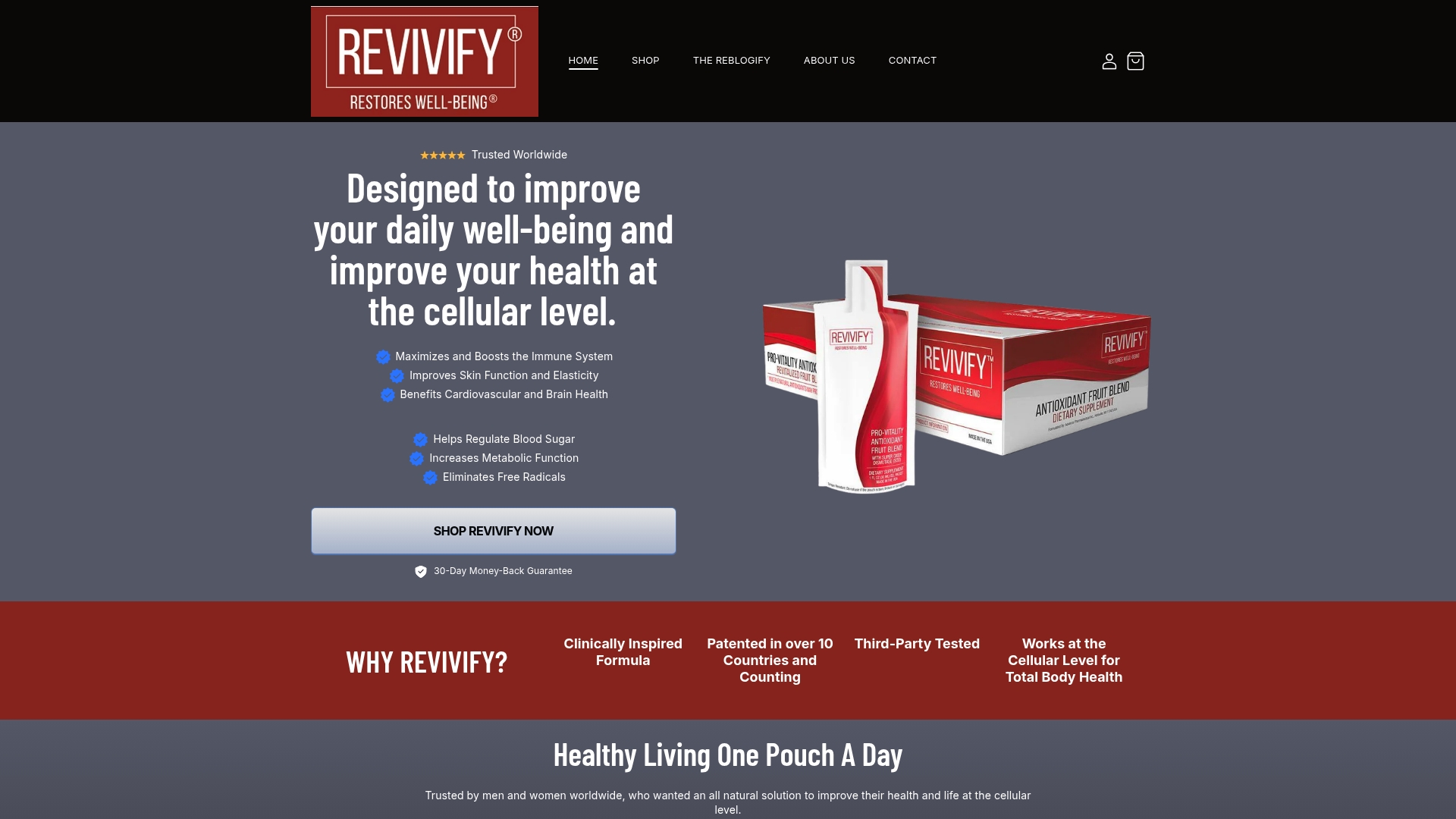
If you’re building out a plant-based supplement routine and want an antioxidant-focused addition alongside your B12 and D3, the REVIVIFY® 30-Day Supply is worth a look on the product collection page, where current details and guarantee terms are listed.
This article is general information, not a substitute for advice from a qualified doctor. Consult a qualified healthcare professional about your own circumstances before acting on anything here.
Sources
- Botanicals (National Toxicology Program)
- Supplement recommendations for plant-based diets (PubMed)
- Dietary supplements (MedlinePlus)
- Dietary and herbal supplements (NCCIH)
FAQ
What Are Plant-Based Supplements?
Plant-based supplements are dietary products derived from botanical sources like herbs, algae, and lichen, sold as capsules, powders, tablets, or liquids. They supply vitamins, minerals, or enzymes meant to complement, not replace, what you already get from food.
What Happens to Your Body When You Start Eating Plant-Based?
Digestion often shifts first, since fiber intake typically rises sharply, which can mean more gas or bloating for the first few weeks as your gut microbiome adjusts. Over time, several nutrient levels, especially B12, can decline if you’re not deliberately supplementing or eating fortified foods.
What Supplement Is Required on a 100% Plant-Based Diet?
Vitamin B12 is the one supplement considered essential on a fully plant-based diet, since no reliable plant food source provides it in adequate amounts. Most other nutrients, like D3, iron, and omega-3s, are commonly recommended but depend on your individual intake and lab results.
What Is the Downside of a Plant-Based Diet?
The main downside is the real risk of specific nutrient gaps, particularly B12, long-chain omega-3s, iron, and sometimes zinc or iodine, if the diet isn’t planned carefully. Supplements are meant to complement a balanced diet, addressing exactly these gaps rather than serving as a substitute for varied eating.
Does Revivify Replace the Need for B12 or Other Vegan Supplements?
No. Revivify is a plant-based daily supplement focused on cellular-level antioxidant support through superoxide dismutase and prebiotic fiber, not a B12 or multivitamin replacement. It’s designed to sit alongside your core nutrient supplements, not instead of them.