

Foods High in Polyphenols: A Complete List by Category
Cloves, wild lowbush blueberries, chestnuts, dark chocolate, coffee, black and green tea, blackcurrants, and extra-virgin olive oil are among the foods highest in polyphenols. So do walnuts, hazelnuts, apples, red grapes, turmeric, cinnamon, flaxseed, and artichokes. That’s the short answer. The longer, more useful answer is that ranking these foods depends entirely on whether you measure per gram or per actual serving, and that distinction changes the list dramatically.
A teaspoon of ground cloves packs more polyphenols by weight than almost anything else on earth, but nobody eats a full serving of cloves. Wild lowbush blueberries, by contrast, deliver serious polyphenol totals in a portion you’d actually finish at breakfast. That’s the gap this list is built to close, using serving-size data from the Phenol-Explorer database and serving-adjusted rankings from NutritionAdvance rather than raw per-100-gram numbers that flatter spices and mislead everyone else.
Here’s a quick-reference top 10, weighted toward foods you’ll realistically eat:
- Wild lowbush blueberries — 1 cup fresh or frozen, among the highest polyphenol totals of any commonly eaten fruit.
- Cloves — ground, used by the teaspoon in cooking; the single richest polyphenol source per gram of any food tested.
- Dark chocolate (70%+ cocoa) — a 1-ounce square delivers a meaningful flavonoid dose with minimal sugar.
- Coffee — one 8-ounce cup, a leading source of chlorogenic acid for most American adults.
- Black or green tea — one brewed cup, rich in catechins and theaflavins.
- Chestnuts — a 1-ounce handful, unusually high for a nut, thanks to ellagitannins.
- Blackcurrants — 1/2 cup fresh or frozen, dense in anthocyanins.
- Flaxseed — 1 tablespoon ground, the top dietary source of lignans.
- Extra-virgin olive oil — 1 tablespoon, rich in hydroxytyrosol and oleuropein.
- Artichokes — one medium globe artichoke, high in chlorogenic acid and cynarin.
We’ll get to walnuts, apples, red grapes, cinnamon, turmeric, and hazelnuts shortly, along with the mg-per-serving detail that makes this more than a list of names.
Key Takeaways
A handful of high-serving foods, berries, coffee, tea, dark chocolate, olive oil, and a few well-chosen nuts and spices, deliver the majority of practical daily polyphenol intake more reliably than chasing per-gram rankings.
| Point | Details |
|---|---|
| Serving size beats per-gram rankings | Choose foods like berries and chestnuts that you eat in real portions over spices that only look impressive per 100 grams. |
| Cover all four polyphenol classes | Rotate flavonoids, phenolic acids, stilbenes, and lignans through berries, coffee, grapes, and flaxseed. |
| Preparation affects content | Eat skins and seeds, freeze produce at peak ripeness, and favor steaming over prolonged boiling. |
| Consult a clinician before supplementing | Bioavailability and interaction risks vary widely, so professional guidance matters before adding any supplement. |
| Consider Revivify for targeted support | Revivify pairs superoxide dismutase, prebiotic fiber, polyphenols, and lactobacillus for readers wanting extra cellular-level support alongside a polyphenol-rich diet. |
Table of Contents
- What Is a Polyphenol, Foods List Aside: The Four Main Classes
- Polyphenols Health Benefits: What the Evidence Actually Supports
- The Complete Polyphenols Foods List by Category
- How Freshness and Cooking Change Your Polyphenol Intake
- Do Polyphenol Supplements Work, and Are They Safe?
- Simple Swaps to Add More Polyphenols to Your Day
- Why Serving Size Changes Everything About This List
- A Realistic Take on Food Versus Supplements
- Where Revivify Fits Alongside a Polyphenol-Rich Diet
- Frequently Asked Questions
- Sources
What Is a Polyphenol, Foods List Aside: The Four Main Classes
Polyphenols are plant compounds built around multiple phenolic rings that give plants their color, bitterness, and defense against UV damage and pests. In your body, they act largely as antioxidants and signaling molecules that influence inflammation pathways. Over 8,000 individual polyphenol compounds have been identified, according to a 2025 comprehensive review in Frontiers, and they fall into four major chemical families.
Flavonoids make up the largest and best-studied group. Anthocyanins (the pigment in blueberries and blackcurrants), catechins (tea), and quercetin (onions, apples) all live here. Phenolic acids, including chlorogenic acid, dominate coffee, whole grains, and artichokes. Stilbenes, the smallest class by food count, include resveratrol, found in grape skins and red wine. Lignans are plant estrogens concentrated most heavily in flaxseed and, to a lesser degree, whole grains and some seeds.
| Polyphenol class | Common food sources |
|---|---|
| Flavonoids | Blueberries, tea, apples, red onions, dark chocolate |
| Phenolic acids | Coffee, artichokes, whole grains, chestnuts |
| Stilbenes | Red grapes, red wine, peanuts |
| Lignans | Flaxseed, sesame seeds, whole grains |
You don’t need to memorize this table to eat well. But understanding that “polyphenols” isn’t one thing explains why variety matters more than fixating on a single superfood. A diet built entirely around berries covers flavonoids and leaves lignans and stilbenes on the table. Our primer on polyphenols and why you need them goes deeper into how these compounds interact with your cells if you want the mechanistic detail.
Polyphenols Health Benefits: What the Evidence Actually Supports
Diets rich in polyphenols correlate with better markers of oxidative stress, inflammation, cardiovascular risk, and cognitive function, but the strength of that evidence varies a lot by endpoint. Population studies are consistent. Interventional trials that isolate a single polyphenol and test it against a placebo are messier, and that distinction matters for how much weight you put on any given claim.
Antioxidant activity: strong evidence. Polyphenols neutralize free radicals directly and also appear to upregulate your body’s own antioxidant enzyme systems, a mechanism our piece on how oxidation disrupts cellular communication covers in more detail.
Anti-inflammatory effects: moderate to strong evidence. Multiple intervention studies link polyphenol intake to reduced inflammatory markers, though results differ by compound and dose, as several PubMed-indexed clinical and preclinical studies on inflammation and metabolic markers show.
Cardiovascular health: moderate evidence. Systematic reviews report generally positive but inconsistent effects on blood pressure and endothelial function, according to a meta-analysis evaluating these outcomes across polyphenol-rich diets. Related mechanisms are explored in our article on how antioxidants prevent arterial oxidation.
Cognitive function: moderate evidence. Flavonoid-rich diets associate with slower cognitive decline in observational research, though causal proof from long-term trials remains limited.
Gut health: limited but promising evidence. Certain polyphenols act as prebiotic-like substrates for beneficial gut bacteria, an area still being mapped in early research.
Blood sugar regulation: limited to moderate evidence. Some flavonoids appear to blunt post-meal glucose spikes, though results depend heavily on the specific compound and the food matrix it comes from.
The Cleveland Clinic notes that most of this research supports a food-first, varied-diet approach rather than isolating any single “miracle” polyphenol. That’s a useful corrective if you’ve seen headlines promising that one berry or one supplement solves inflammation on its own. If you’re managing a diagnosed condition, talk to a clinician before making major dietary changes based on any of these findings.
The Complete Polyphenols Foods List by Category
This is the core of what you came for: a categorized, serving-size-aware rundown of the foods that actually move the needle. Numbers below reflect typical servings, not raw per-gram concentrations, because that’s the number that matters when you’re deciding what to put on your plate.
Spices and dried herbs
Cloves sit at the top of every per-gram polyphenol ranking, with concentrations reported near 15,000 mg per 100 grams in the Phenol-Explorer analysis. You’ll never eat 100 grams of cloves, but a teaspoon in a curry or mulled cider still contributes meaningfully given how little else you need.
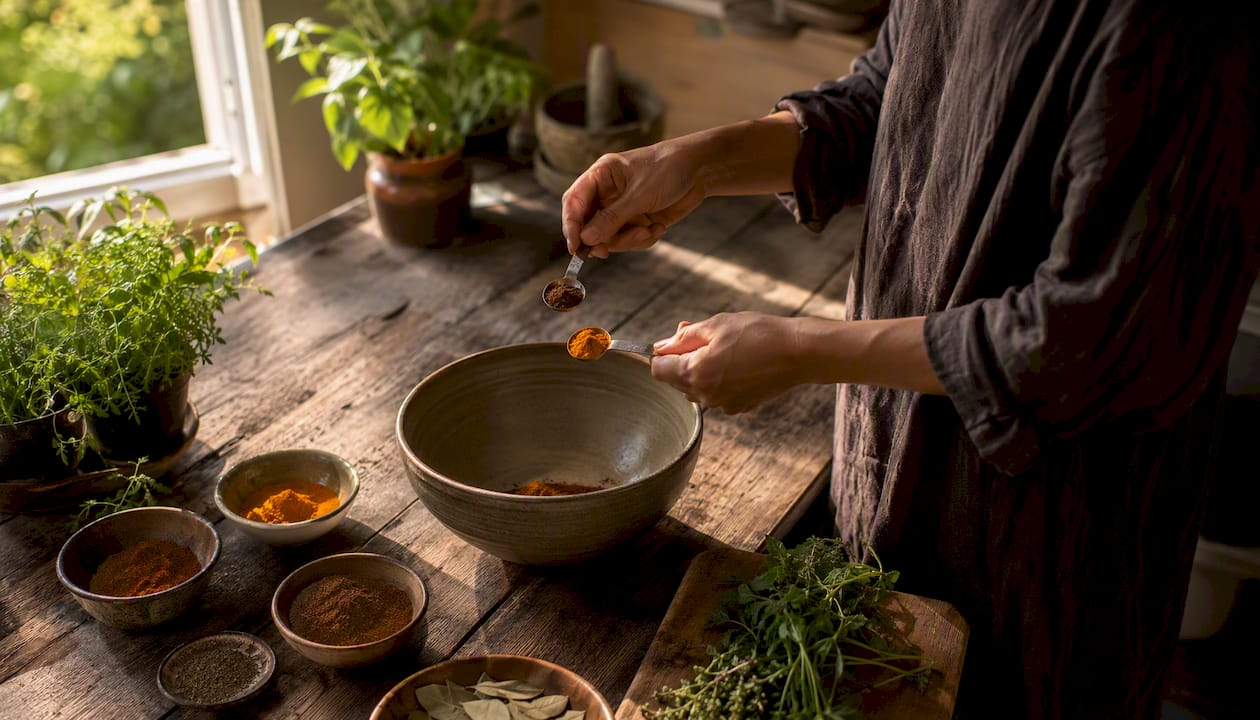
Turmeric delivers curcumin, a polyphenol studied extensively for its anti-inflammatory signaling, though curcumin alone absorbs poorly without fat or black pepper alongside it.
Cinnamon contributes proanthocyanidins and has a stronger evidence base for blood sugar support than most other spices on this list.
Berries and fruit
Wild lowbush blueberries rank among the very highest polyphenol sources when measured per realistic serving, according to NutritionAdvance’s serving-adjusted rankings, largely because people eat a full cup rather than a pinch.
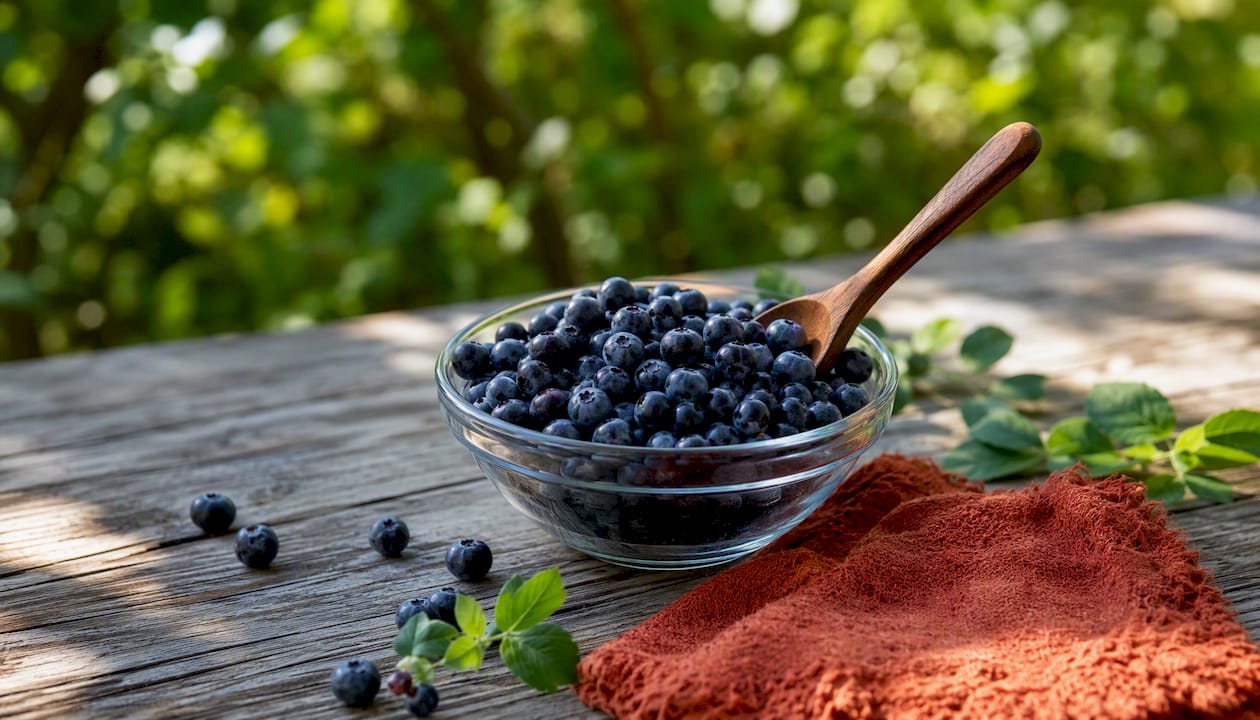
Blackcurrants pack a dense anthocyanin load in a half-cup serving, often outranking better-known “superfruits” gram for gram.
Apples, eaten with the skin on, deliver quercetin and catechins; peeling an apple removes a meaningful share of its polyphenol content.
Red grapes contribute resveratrol and other stilbenes concentrated in the skin, which is part of why red wine, made with prolonged skin contact, carries more of this class than white wine or table grapes alone.
Vegetables
Artichokes are one of the most polyphenol-dense vegetables available, driven by chlorogenic acid and cynarin, and a single medium globe artichoke holds more than most people expect from a vegetable.
Red onions outperform white and yellow varieties thanks to their anthocyanin content in the outer layers.
Nuts and seeds
Chestnuts are the standout here, with ellagitannin levels that put them well ahead of most tree nuts on a per-ounce basis.
Walnuts and hazelnuts both carry substantial polyphenol content in their skins, which is one more reason to buy them unpeeled when you can.
Flaxseed, ground rather than whole for better absorption, is the single richest dietary source of lignans by a wide margin.
Legumes and whole grains
Beans and lentils contribute modest but consistent phenolic acid content, and whole grains supply lignans alongside fiber, making them a quiet contributor to daily totals even though no single grain tops the rankings.
Oils
Extra-virgin olive oil stands apart from refined oils because cold pressing preserves hydroxytyrosol and oleuropein, compounds largely stripped out during refining. A tablespoon drizzled over vegetables adds polyphenols without adding a new food to shop for.
Cocoa and dark chocolate
Beverages
Coffee is the largest single source of polyphenols in the average American diet, driven almost entirely by chlorogenic acid, according to Healthline’s rundown of common consumer sources.
Green and black tea both deliver strong polyphenol totals per cup, with green tea leaning toward catechins and black tea toward theaflavins formed during oxidation.
Here’s a summary table pulling the highest-impact foods together:
| Food | Example serving | Polyphenol context |
|---|---|---|
| Cloves | 1 teaspoon, ground | Very high per gram; small contribution per typical use |
| Wild lowbush blueberries | 1 cup | Very high per serving |
| Chestnuts | 1 ounce | High per serving |
| Blackcurrants | 1/2 cup | High per serving |
| Dark chocolate (70%+) | 1 ounce | High per serving |
| Coffee | 8 fl oz brewed | High per serving |
| Black or green tea | 8 fl oz brewed | High per serving |
| Flaxseed, ground | 1 tablespoon | Moderate to high per serving |
| Extra-virgin olive oil | 1 tablespoon | Moderate per serving |
| Artichoke | 1 medium | Moderate to high per serving |
| Apples (with skin) | 1 medium | Moderate per serving |
| Red grapes | 1 cup | Moderate per serving |
| Walnuts | 1 ounce | Moderate per serving |
| Turmeric | 1 teaspoon | High per gram; small per typical use |
| Cinnamon | 1 teaspoon | High per gram; small per typical use |
| Red onions | 1/2 cup, chopped | Moderate per serving |
Pro Tip: Use spices like cloves, turmeric, and cinnamon liberally in cooking rather than as standalone servings. Their per-gram density means even a teaspoon stirred into oatmeal or a stew adds real polyphenol value without adding meaningful calories.
How Freshness and Cooking Change Your Polyphenol Intake
Storage and cooking method can significantly raise or lower the polyphenol content of a food, and the direction of that change depends on the compound and the technique. Heat, oxygen, and light all tend to degrade delicate flavonoids and anthocyanins over time, but some processing steps make certain compounds more available, not less.
A handful of practical rules go a long way here:
- Eat skins and seeds when they’re edible. Apple skins, grape skins, and berry seeds carry a disproportionate share of the plant’s polyphenol content.
- Freeze produce at peak ripeness rather than letting it sit. Frozen wild blueberries often test higher in polyphenols than fresh berries that traveled for days before reaching a store shelf.
- Favor steaming or a quick sauté over prolonged boiling. Boiling leaches water-soluble polyphenols directly into the cooking water, which usually gets poured down the drain.
- Store olive oil away from light and heat. Oxidation degrades hydroxytyrosol steadily once a bottle is opened.
- Brew tea for the full recommended time rather than a quick dunk. Catechin extraction increases with steeping time up to a point.
- Avoid excessive reheating of cooked vegetables, which compounds the degradation that already happened during initial cooking.
Not every rule points toward “less processing is always better.” Cooking tomatoes, for instance, increases the availability of lycopene, a related plant compound, even though it isn’t a polyphenol itself. The broader principle holds: minimal, thoughtful preparation preserves more of what you’re trying to get from these foods than convenience-driven shortcuts do.
Do Polyphenol Supplements Work, and Are They Safe?
Whole foods remain the better source of polyphenols for most people, but supplements can serve a targeted role when a specific health goal calls for a concentrated dose that’s hard to reach through diet alone. The catch is that bioavailability and safety both vary enormously across formulations, and not all supplements deliver what their label claims.
Many polyphenols are poorly absorbed in their natural form. A review of polyphenol delivery strategies notes that compounds like curcumin and resveratrol often pass through the digestive tract largely unabsorbed unless paired with a delivery mechanism, such as liposomal encapsulation, that protects them until they reach the bloodstream. This is one reason curcumin supplements are frequently formulated with piperine or fat carriers rather than sold as plain powder.
Safety considerations deserve real attention before you start any supplement regimen:
- High-dose polyphenol supplements can interfere with iron absorption, a concern for anyone managing anemia.
- Some polyphenols, particularly at concentrated doses, may interact with blood thinners and other prescription medications.
- Quality varies widely across brands, and third-party testing is one of the few reliable signals that a product contains what its label states.
- Anyone pregnant, nursing, or managing a chronic condition should talk to a clinician before adding a new supplement, especially at doses far beyond what food alone would provide.
If chronic inflammation or oxidative stress is your primary concern, our breakdown of supplements for chronic inflammation walks through what the evidence actually supports before you spend money on a bottle.
Simple Swaps to Add More Polyphenols to Your Day
Three moves cover most of the ground: add berries to breakfast, swap sugary drinks for coffee or tea, and finish meals with a small piece of dark chocolate or a spice-heavy dish. None of these require a recipe overhaul, and all three stack on top of habits you probably already have.
Start the day with a cup of coffee and a bowl of oatmeal topped with wild blueberries and a sprinkle of cinnamon. That single breakfast touches phenolic acids, flavonoids, and anthocyanins before 9 a.m. At lunch, a salad built around baby spinach, red onion, and an olive oil vinaigrette adds flavonoids and hydroxytyrosol without any extra effort. Snack on a handful of walnuts or chestnuts instead of processed crackers. For dinner, roast a side of artichokes or steam some vegetables seasoned with turmeric, and pour a glass of tea instead of soda.
That’s a full day covering all four polyphenol classes without a single unusual ingredient.
Pro Tip: Pair polyphenol-rich foods with a source of fat or fiber. Olive oil, nuts, and avocado all help slow digestion and may support better absorption of fat-soluble compounds, while fiber-rich foods blunt the blood sugar spike that would otherwise follow a high-sugar meal, even one built around fruit.
Related habits around managing oxidative load and inflammation are covered in more depth in our guide to combating oxidative stress and inflammation, which pairs well with the dietary approach above.
Why Serving Size Changes Everything About This List
Per-gram concentration and per-serving contribution tell two different stories, and confusing them is the most common mistake in polyphenol nutrition advice. The 2010 Phenol-Explorer analysis that identified the 100 richest dietary polyphenol sources found a staggering range, from roughly 15,000 mg per 100 grams in cloves down to about 10 mg per 100 milliliters in rosé wine. That’s a three-order-of-magnitude spread within a single food category.
Here’s where that matters practically: cloves outrank everything on a per-gram basis, but a typical serving of cloves is a fraction of a gram. Wild lowbush blueberries rank far lower per gram, but a realistic one-cup serving delivers far more total polyphenols to your body than the pinch of cloves you’d actually use in a recipe. Chestnuts follow the same logic. They’re not the densest nut per gram, but a one-ounce handful, a portion people genuinely eat, puts them near the top of realistic food rankings.
The practical takeaway: when you’re deciding what to prioritize on a grocery list, weight your choices toward foods you eat in meaningful volume rather than foods that only look impressive in a lab analysis measured per 100 grams. A cup of berries beats a teaspoon of any spice for total polyphenol delivery, every time, even when the spice wins the per-gram contest by a wide margin.
A Realistic Take on Food Versus Supplements
Food should do most of the work here, and no pill replaces the combination of fiber, water content, and compound diversity you get from an actual artichoke or a handful of blueberries. That said, pretending everyone can hit optimal polyphenol variety through diet alone ignores how most people actually eat. Busy schedules, limited grocery budgets, and regional produce availability all get in the way of consistently eating eight or ten different plant foods a day.
That’s where a targeted supplement earns a place, not as a replacement for real food, but as a backstop for the gaps a normal week leaves behind. If you’re already eating well and still want additional support for cellular-level oxidative stress or gut health, a formula built around complementary mechanisms, like combining antioxidant enzyme support with prebiotic fiber, addresses angles that polyphenols alone don’t fully cover. Revivify was built with exactly that gap in mind, as one option worth knowing about if food alone isn’t closing the distance for you.
Consistency matters more than any single ingredient. A person who eats berries twice a week and drinks coffee daily will likely see more benefit than someone who buys an expensive superfood powder once and lets it sit in the pantry.
Where Revivify Fits Alongside a Polyphenol-Rich Diet
If you’ve built your plate around berries, coffee, olive oil, and dark chocolate but still want targeted support at the cellular level, Revivify combines superoxide dismutase, prebiotic fiber, polyphenols, and lactobacillus in a single daily gel, addressing oxidative stress and gut health together rather than asking you to juggle separate products for each.

Whole foods remain the foundation, and nothing here changes that. But superoxide dismutase, the enzyme at the core of Revivify’s formula, works upstream of dietary antioxidants by helping your own cells neutralize free radicals before they cause damage, a mechanism food-based polyphenols complement rather than replace. Revivify is third-party tested and plant-based, and it’s offered with a risk-free guarantee and subscription savings for people who want to build it into a daily routine rather than a one-off purchase. As with any supplement, talk to a clinician before starting, particularly if you take medication or manage a chronic condition. If targeted daily support for oxidative stress and gut health sounds like the missing piece in your routine, you can check out Revivify’s daily formula and see whether the subscription option fits your goals.
Frequently Asked Questions
What foods are highest in polyphenols? Cloves, wild lowbush blueberries, chestnuts, dark chocolate, coffee, black and green tea, blackcurrants, extra-virgin olive oil, and flaxseed rank among the highest polyphenol sources, though ranking shifts depending on whether you measure by gram or by realistic serving size.
How much polyphenols should I eat per day? There’s no single established daily target for total polyphenol intake, but eating a variety of colorful fruits, vegetables, spices, tea, and coffee throughout the day, rather than relying on one food, tends to align with the patterns studied in the research supporting cardiovascular and cognitive benefits.
Are polyphenol supplements as good as food sources? Whole foods generally outperform supplements because they deliver polyphenols alongside fiber and other compounds that support absorption, but supplements formulated for better bioavailability can serve a targeted role for specific goals when combined with, not instead of, a polyphenol-rich diet.
Does cooking destroy polyphenols? Some cooking methods degrade polyphenols, especially prolonged boiling, while others have little effect or even improve availability of related plant compounds; steaming, quick sautéing, and minimal processing generally preserve more than extended high-heat cooking.
Is dark chocolate really a good polyphenol source? Yes, dark chocolate at 70% cocoa or higher delivers a meaningful dose of flavanols per one-ounce serving, but milk chocolate loses most of that benefit due to processing and dilution with sugar and dairy.
This article is general information, not a substitute for advice from a qualified doctor. Consult a qualified healthcare professional about your own circumstances before acting on anything here.
Sources
- Identification of the 100 richest dietary sources of polyphenols (Phenol-Explorer / AJCN paper)
- Polyphenol bioavailability and delivery strategies — review (PMC article)
- The Top 50 Foods High in Polyphenols: A Complete Guide - Nutrition Advance
- Dietary polyphenols and human health: sources, biological activities, nutritional and immunological aspects, and bioavailability– a comprehensive review (Frontiers)
- Polyphenols Food List: Seasonings, Berries, and More - Healthline