

Probiotics After Antibiotics: Which Strains Work and When
Probiotics after antibiotics are not a universal necessity, but they do reduce antibiotic-associated diarrhea in many trials, and two strains carry the strongest evidence: Saccharomyces boulardii and Lacticaseibacillus rhamnosus GG. Synbiotics show promising results for gut barrier recovery. If you’re immunocompromised, critically ill, or have a central line, talk to your clinician before starting any strain.
TL;DR:
- Probiotics like Saccharomyces boulardii and Lactobacillus rhamnosus GG are most effective when started within 48 hours of antibiotic initiation to reduce diarrhea risk.
- Microbiome restoration beyond symptom relief generally occurs within two to eight weeks, regardless of probiotic use, and most people’s gut bacteria return to baseline naturally.
- Taking probiotics two hours apart from antibiotics limits bacterial loss, with yeast strains like S. boulardii not requiring spacing since they are unaffected by antibiotics.
- Strain-specific evidence shows that probiotic CFU counts are less important than ensuring the product contains the tested and effective strains at appropriate doses.
- Food-based strategies, such as increasing prebiotic fiber, fermented foods, and combining both, can support gut recovery and are less strain-dependent than supplements.
Table of Contents
- When Probiotics Help (and When They Don’t)
- When to Start Taking Probiotics and How Long to Continue
- Which Strains Have Real Evidence Behind Them
- Safety, Side Effects, and Who Should Skip Probiotics
- Food-First Strategies That Support Recovery
- What the Strongest Trials Actually Show
- How We Read This Evidence for Everyday Decisions
- Where Revivify Fits Into Post-Antibiotic Recovery
- Sources
When Probiotics Help (and When They Don’t)
The clinical evidence on probiotics after antibiotics splits cleanly into two categories, and confusing them is where most advice goes wrong. Probiotics have their strongest, most consistent evidence for preventing or shortening antibiotic-associated diarrhea, often called AAD. That’s a symptom outcome, measurable in days, and it’s what most randomized trials actually tested.
Microbiome restoration is a different claim entirely, and the data there is far shakier. Taking a probiotic doesn’t reliably rebuild the diverse bacterial community you had before treatment. Clinical experts note that most people’s gut microbiota returns close to its pre-antibiotic state within two to eight weeks regardless of supplementation, though some subtle shifts can linger longer.
That distinction changes how you should think about the decision:
- Reducing AAD symptoms: well-supported, especially with specific strains
- Rebuilding long-term microbial diversity: inconsistent evidence, and many products don’t colonize past the supplementation window
- Speeding up recovery beyond the body’s own timeline: not clearly demonstrated in most trials
The two to eight week window is your baseline. Probiotics may make the ride smoother, but they’re not the reason your gut eventually settles down. Use them selectively, when you’re on an antibiotic known to cause GI upset or already experiencing loose stools, rather than as a blanket add-on to every prescription.
When to Start Taking Probiotics and How Long to Continue
Timing matters more than most people realize, and the research is specific about it.
- Start early. Trials showing the best protection against AAD began probiotic dosing at or within 48 hours of the first antibiotic dose, not after the prescription ended. Waiting until you finish the course misses most of the window where diarrhea risk is highest.
- Space bacterial strains from antibiotic doses. Antibiotics kill bacteria indiscriminately, including the beneficial ones in a capsule. Separating a bacterial probiotic from each antibiotic dose by about two hours limits how much of it gets wiped out before it reaches your gut.
- Take S. boulardii on your normal schedule. Because it’s a yeast, not a bacterium, this strain isn’t touched by antibacterial drugs. No two-hour spacing required.
- Continue for one to two weeks after finishing antibiotics. Most supportive trials ran the probiotic for 7 to 14 days past the last antibiotic dose. Extending beyond that should be a decision made with a clinician, not a default habit.
Pro Tip: Set a phone reminder for your probiotic dose exactly midway between antibiotic doses. If you take antibiotics at 8 AM and 8 PM, a 2 PM probiotic dose keeps the two-hour buffer on both sides without you having to do math while you’re sick.
Which Strains Have Real Evidence Behind Them
Not all probiotics are interchangeable, and this is where a lot of drugstore shelf advice falls apart. A capsule labeled simply “probiotic, 50 billion CFU” tells you almost nothing about whether it will do anything for antibiotic-associated diarrhea, because the effect is strain-specific, not dose-specific.
Systematic reviews point to two organisms with the most consistent trial support:
- Saccharomyces boulardii CNCM I-745, a yeast strain studied extensively for reducing AAD incidence in both adults and children
- Lacticaseibacillus rhamnosus GG, a bacterial strain with a comparable evidence base for the same outcome
Reviews covering both strains’ clinical performance against antibiotic-associated dysbiosis consistently rank them ahead of generic multi-strain blends for this specific use case. Separately, a randomized, placebo-controlled trial testing a multi-species synbiotic (a combination of probiotic strains and prebiotic fiber) found it increased gut barrier integrity and supported microbial diversity recovery compared to placebo, suggesting synbiotics may work through a different mechanism than single strains.
CFU count is the number most labels advertise loudest, and it’s the one that matters least. What actually predicts an effect is whether the exact strain in your bottle matches the strain used in a trial, at a comparable dose, for a matching goal.
Strain identity, not total bacterial count, is what separates a probiotic with trial evidence behind it from one that’s essentially a guess in capsule form.
Before buying, run through four questions: Is the strain named specifically (not just “Lactobacillus species”)? Was that strain’s dose studied in a published trial? Does your goal match what it was tested for, AAD prevention versus general digestive support? And does the product disclose a safety profile for your health situation?
Safety, Side Effects, and Who Should Skip Probiotics
Most people tolerate probiotics without incident. Mild gas and bloating are the most commonly reported issues, typically resolving within a few days as your gut adjusts.
Serious complications are rare but real, and they cluster in specific populations:
- Case reports describe fungemia, a bloodstream yeast infection, linked to S. boulardii in immunocompromised patients, particularly those with central venous catheters
- Critically ill patients in intensive care settings face elevated risk from any live microbial supplement
- People undergoing treatments that suppress immune function should discuss any probiotic with their care team first, a caution echoed in guidance on supplements to avoid during immunotherapy
If you fall into a high-risk category, a conversation with your clinician before starting isn’t optional caution. It’s the difference between a helpful supplement and a preventable hospital visit.
One more rule that overrides everything else here: never stop or delay a prescribed antibiotic course because you’re taking, or can’t find, a probiotic. Finishing the antibiotic as directed protects you far more than any supplement timing does.
Food-First Strategies That Support Recovery
Supplements aren’t the only lever, and for many people, they’re not even the most important one. Diet does measurable work in supporting the gut’s return to baseline.
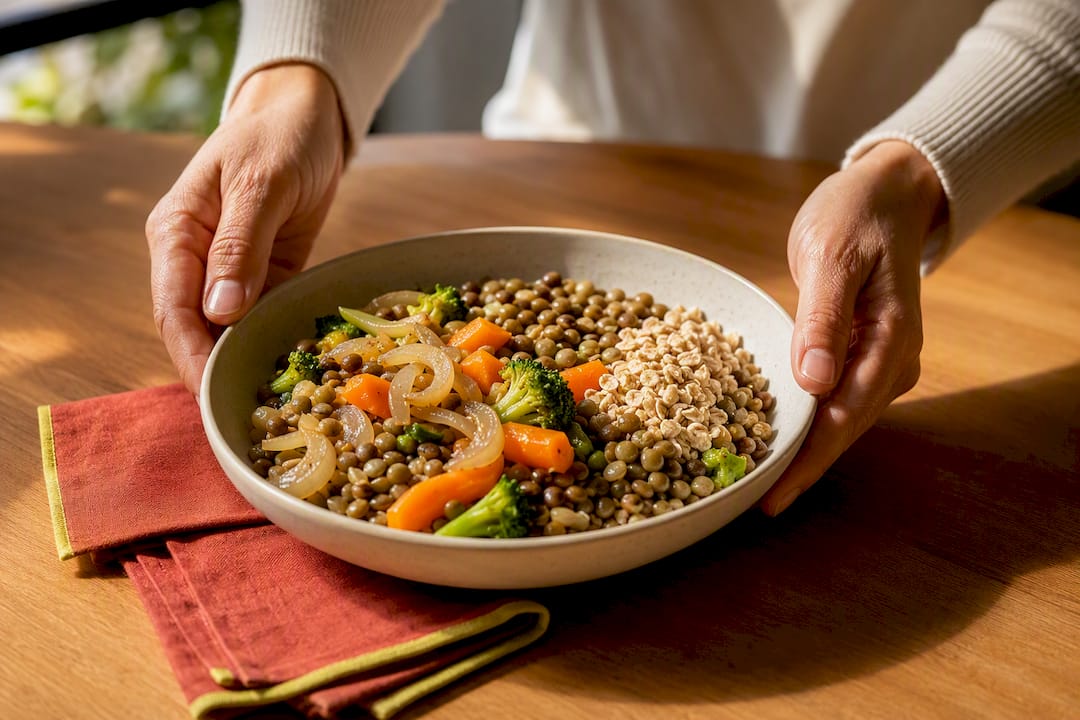
- Increase fiber intake. Prebiotic fiber, found in foods like oats, leeks, garlic, and bananas, feeds the short-chain-fatty-acid-producing bacteria that antibiotics tend to knock down.
- Add fermented foods. Yogurt with live cultures, kefir, sauerkraut, and kimchi introduce live organisms alongside real nutrition, not just isolated strains.
- Consider a synbiotic approach. Pairing prebiotic fiber with probiotic strains, whether through food combinations or a formulated product, supported barrier integrity and metabolite recovery in controlled trials more than either component alone.
- Ease into fiber increases. A sudden jump can cause bloating on a gut that’s already irritated; build up over several days.
Pro Tip: A simple post-antibiotic breakfast, oats with ground flaxseed and a side of plain kefir, delivers both a prebiotic fiber source and live cultures in one sitting, without needing a supplement aisle.
Food-first approaches also sidestep the strain-specificity problem that plagues supplement shopping. You’re feeding a broader ecosystem rather than betting on one organism doing all the work, which is closer to how your gut recovers on its own timeline anyway. More on how prebiotic fiber supports that process is worth a look if you want the mechanism behind it.
What the Strongest Trials Actually Show
The clearest data point is a reassuring one: microbial diversity typically returns close to its pre-antibiotic state within two to eight weeks for most people, even without intervention. That’s the backdrop against which every probiotic trial has to be judged.
| Study or source | Design | Key finding |
|---|---|---|
| Multi-species synbiotic RCT | Randomized, placebo-controlled | Improved gut barrier integrity and microbial diversity recovery vs. placebo |
| Strain-specific systematic review | Meta-analysis of trials | S. boulardii and L. rhamnosus GG show consistent AAD reduction |
The gap in this evidence base isn’t whether probiotics work. It’s that most trials measure symptom endpoints like diarrhea days, while far fewer track the mechanistic markers, gut permeability, SCFA production, species diversity, that would tell us why they work. The synbiotic trial is one of the few that tried to bridge that gap, and its results are promising rather than definitive.
How We Read This Evidence for Everyday Decisions
At Tryrevivify, we treat probiotics as a targeted tool, not a blanket fix. If you’re on an antibiotic prone to causing diarrhea, a documented strain like S. boulardii or L. rhamnosus GG makes sense. If you’re otherwise well and asymptomatic, your gut likely recovers fine on its own within weeks. High-risk patients should loop in a clinician first, always. For deeper reading on timing your probiotic routine, our resources go further than this overview can.
— Larry
Where Revivify Fits Into Post-Antibiotic Recovery
If you’re leaning toward a food-first, gut-support approach rather than chasing a single trial-matched strain, Revivify’s gel formula pairs prebiotic fiber with superoxide dismutase and polyphenols in one daily dose, built to support digestion and reduce oxidative stress at the cellular level rather than target one narrow symptom.
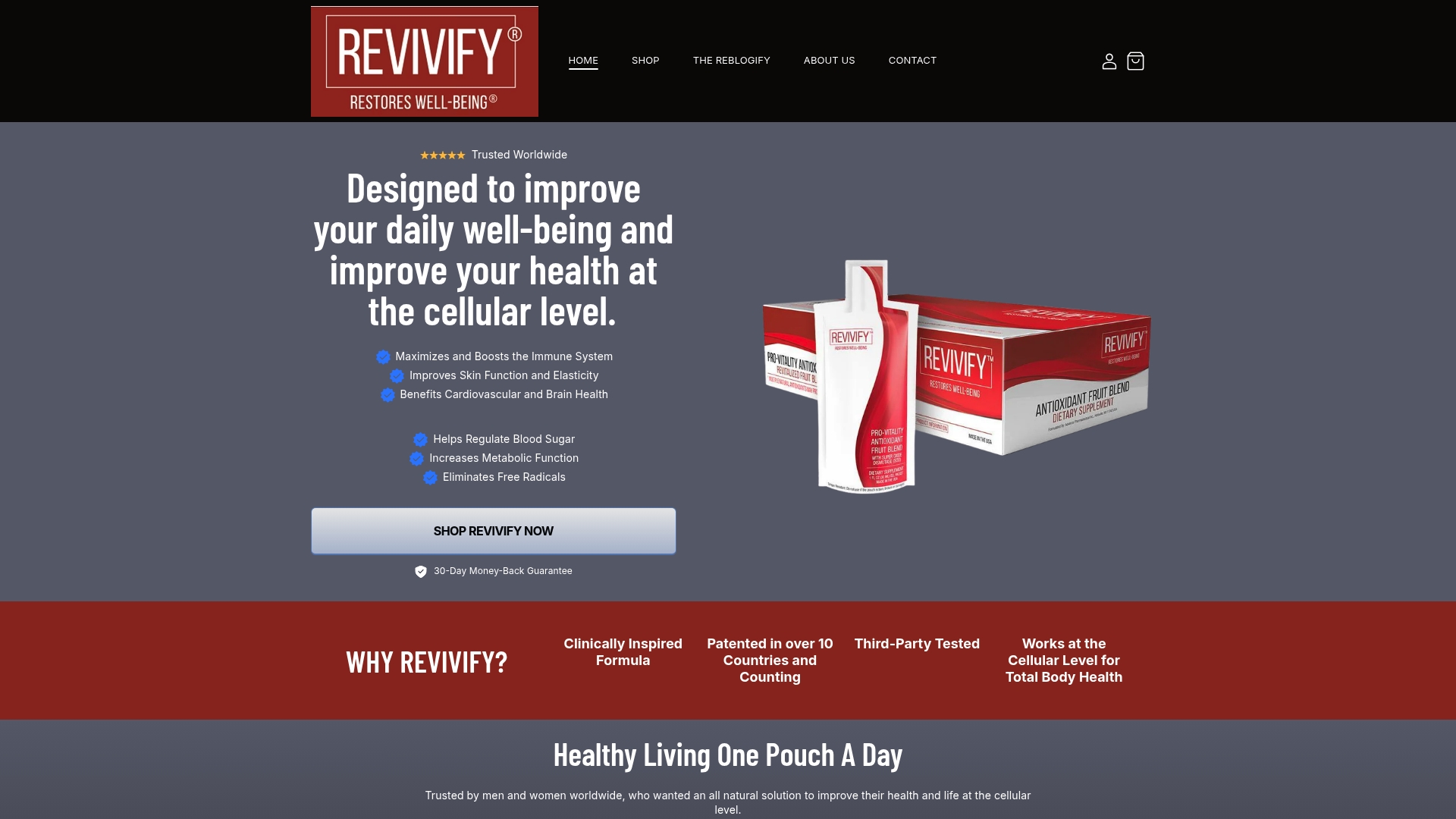
That combination makes it a reasonable complement to your recovery routine once antibiotics are finished, particularly if diarrhea isn’t the concern but general digestive resilience and cellular health are. It’s not a substitute for a clinician-guided strain if you’re managing active AAD symptoms, and if you’re immunocompromised or on other medications, check with your doctor before adding any new supplement. Revivify is plant-based, third-party tested, and backed by a risk-free guarantee, so trying it carries little downside. Visit the Revivify product page to see subscription options and start your next order.