

Reduce Free Radicals in Type 2 Diabetes: What Works
If you have type 2 diabetes and want to reduce free radicals, the evidence points to five moves in this order: shift toward a Mediterranean or plant-forward diet, add regular aerobic exercise, lose even modest amounts of weight if you carry excess, quit smoking, and optimize your glucose control with your care team before layering on supplements. Targeted options like alpha-lipoic acid, vitamin D, or curcumin show benefit in some trials, but they work best as an addition to those first four changes, not a replacement for them.
Your clinician will likely track two things as you make these changes: your HbA1c (glycated hemoglobin, a three-month blood sugar average) and, in research settings, malondialdehyde (MDA), one of the most common markers of oxidative damage to cell membranes. If you’re weighing a daily antioxidant supplement, a formulation like Tryrevivify combines superoxide dismutase with prebiotic fiber and polyphenols. It’s worth a conversation with your doctor about whether it fits your regimen, not a decision you make alone in the supplement aisle.
Here’s where to start this week:
- Swap at least one refined-carb meal a day for a plant-forward plate with olive oil, legumes, and vegetables.
- Walk briskly for 30 minutes, five days a week. That alone shifts antioxidant enzyme activity measurably.
- Ask your doctor to check your current HbA1c and discuss whether any supplement makes sense alongside your medications.
- If you smoke, treat cessation as your single highest-leverage move against oxidative damage.
The people who see the best results treat diet and exercise as the main event and treat any supplement as a supporting player, not the star.
Pro Tip: Don’t reach for the highest-dose antioxidant bottle you can find. Research increasingly suggests that megadosing disrupts the normal signaling role free radicals play in glucose metabolism, which can backfire.
Key Takeaways
Reducing free radicals in type 2 diabetes works best through a layered approach: Mediterranean-style diet and regular exercise first, targeted supplements second, always under clinical guidance.
| Point | Details |
|---|---|
| Diet and exercise lead | A Mediterranean or plant-forward diet combined with regular aerobic exercise produces the strongest, most consistent reductions in oxidative markers. |
| Postprandial spikes matter | Glucose spikes after meals hit β-cells especially hard due to their naturally low antioxidant enzyme reserves. |
| Track real biomarkers | Ask your clinician about HbA1c and, where available, oxidative markers like MDA rather than relying on vague “antioxidant level” claims. |
| Avoid high-dose megadosing | Indiscriminate high-dose antioxidant supplementation can disrupt normal insulin signaling instead of helping it. |
| Consider a layered supplement | Tryrevivify combines superoxide dismutase, prebiotic fiber, and polyphenols as an adjunct to discuss with your clinician alongside diet and exercise. |
Table of Contents
- What Free Radicals and Oxidative Stress Actually Mean for Diabetes
- How Oxidative Stress Drives Insulin Resistance and Diabetes Complications
- Your Body’s Built-In Antioxidant Defenses and How Doctors Track Them
- The Lifestyle Changes With the Strongest Evidence Behind Them
- Foods That Reduce Free Radicals and How Much They Actually Help
- Supplements and Drug Strategies Tested in People With Diabetes
- A Realistic Four-Week Plan to Bring to Your Next Appointment
- What the Clinical Trials and Reviews Actually Show
- The Bottom Line on Reducing Free Radicals With Type 2 Diabetes
- Why I’m Skeptical of the “More Antioxidants, Always Better” Message
- Where Tryrevivify Fits Into an Evidence-Based Plan
- Sources
What Free Radicals and Oxidative Stress Actually Mean for Diabetes
Free radicals are unstable molecules, technically called reactive oxygen species (ROS), that are missing an electron and go hunting for one to steal. Your body makes them constantly as a normal byproduct of turning food into energy inside your mitochondria. In small amounts, ROS actually help. They participate in immune defense and cell signaling, including some of the pathways that regulate insulin.
The problem starts when production outpaces cleanup. Oxidative stress is the name for that imbalance: more ROS being generated than your antioxidant defenses can neutralize. In type 2 diabetes, high blood sugar accelerates ROS production, especially right after meals. A large post-meal glucose spike floods your mitochondria with more fuel than they can process cleanly, and the excess leaks out as free radicals.
Think of it like a campfire. A contained flame gives you warmth and light. Let it get too big and it throws sparks that scorch everything nearby. Postprandial hyperglycemia is essentially throwing more logs on the fire than your body’s fire extinguishers (your antioxidant enzymes) can handle.
Those stray sparks do real chemical damage once they escape containment:
- They oxidize lipids in cell membranes, making cells stiffer and less functional.
- They damage proteins, including the enzymes your cells rely on for basic housekeeping.
- They can strike DNA directly, contributing to the cellular aging and dysfunction seen in long-standing diabetes.
Researchers measure this damage using specific biomarkers. Malondialdehyde (MDA) and TBARS both reflect lipid damage. Oxidized LDL (Ox-LDL) tracks damage to the cholesterol particles implicated in artery disease. Total antioxidant capacity (TAC) estimates how much defensive capacity your blood has left. A narrative review of randomized controlled trials comparing 17 studies found that fixed-dose antioxidant treatment lowered MDA and advanced oxidation protein products while raising total antioxidant capacity in people with type 2 diabetes.
No single blood test captures your total oxidative burden. Each biomarker tells you about a different kind of damage, which is why researchers usually report several at once rather than trusting one number alone.
That nuance matters when you’re reading about a supplement or diet study. A claim that “antioxidant levels improved” means little without knowing which marker moved and by how much.
How Oxidative Stress Drives Insulin Resistance and Diabetes Complications
Oxidative stress isn’t just a side effect of high blood sugar. It’s a direct contributor to the disease process itself, working through several overlapping mechanisms.
Mitochondrial dysfunction sits at the center. When mitochondria are overloaded with glucose and fatty acids, their electron transport chain leaks more ROS than usual, which further damages the mitochondria that are producing them. It’s a feedback loop: damaged mitochondria make more free radicals, and more free radicals damage more mitochondria.
High blood sugar also drives the formation of advanced glycation end products (AGEs), compounds created when sugar molecules bond irreversibly to proteins or fats. AGEs generate their own ROS and bind to receptors called RAGE, which trigger inflammatory signaling. Meanwhile, enzymes called NADPH oxidases (NOX), which normally produce controlled bursts of ROS for immune defense, become chronically overactive in hyperglycemic tissue. That combination overwhelms nitric oxide, the molecule responsible for relaxing blood vessels, which helps explain why oxidative stress tracks so closely with vascular complications.
Pancreatic β-cells, the insulin-producing cells in your pancreas, are unusually exposed to this damage. They have naturally low expression of key antioxidant enzymes like glutathione peroxidase (GPx) and catalase compared to other cell types, so a sharp postprandial glucose spike hits them with less built-in protection than it hits, say, your liver. Over years, repeated ROS exposure impairs their ability to sense glucose and release insulin efficiently, one of the mechanisms behind the progressive decline in insulin secretion that defines type 2 diabetes.
These same pathways drive downstream complications. Oxidized LDL particles contribute to arterial plaque formation, one of the earliest steps in atherosclerosis. Nerve tissue, which relies heavily on healthy mitochondrial function, is particularly vulnerable to oxidative injury, a major contributor to diabetic neuropathy. A concise review on diabetes and oxidative stress describes oxidative stress as central to the disease process from onset through complication development.
The β-cell’s low antioxidant enzyme reserve is one reason postprandial glucose control matters as much as long-term averages. It’s not just about your HbA1c; it’s about how hard each meal spike hits an already under-defended cell type.
Your Body’s Built-In Antioxidant Defenses and How Doctors Track Them
Before you reach for a supplement bottle, it helps to know what your body is already doing. You have an entire enzymatic defense system running in the background, and understanding it clarifies why some interventions work better than others.
Superoxide dismutase (SOD) is often the first responder. It converts superoxide, one of the most reactive and dangerous free radicals, into hydrogen peroxide, a less volatile molecule. Catalase and glutathione peroxidase then take over, breaking that hydrogen peroxide down into harmless water. Picture SOD as the first runner in a relay race: it can’t finish the job alone, but if it drops the baton, nothing downstream works either.
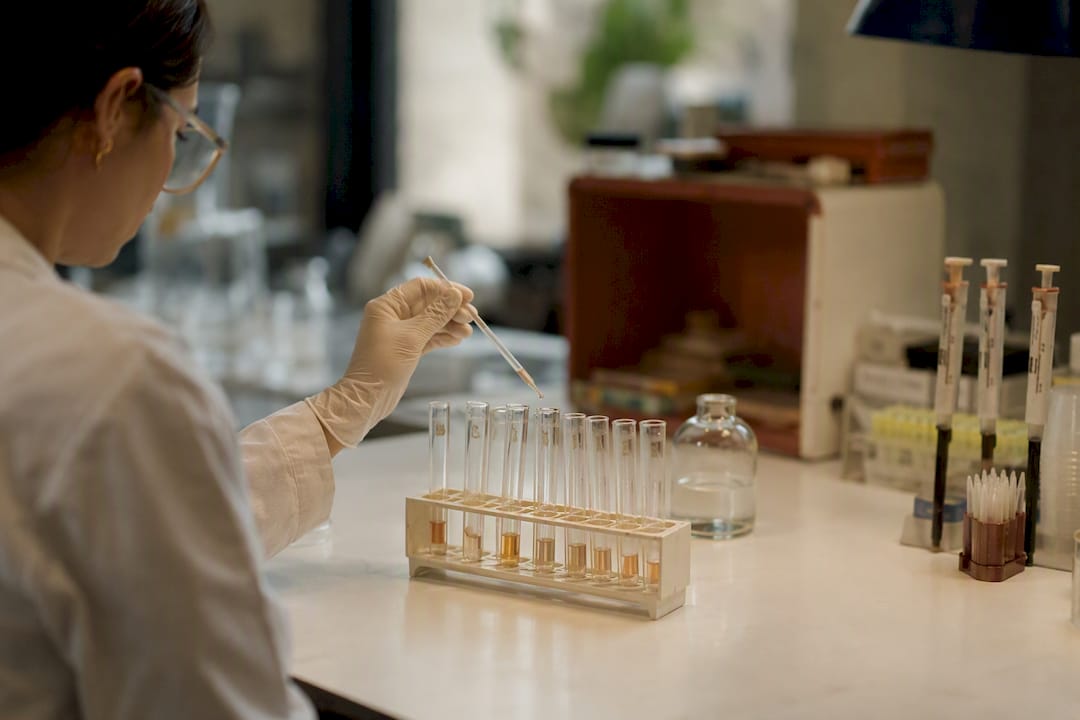
Beyond these enzymes, your body relies on non-enzymatic defenses that come partly from diet: glutathione (made internally but supported by protein and sulfur-rich foods), vitamins C and E, ubiquinol (the active form of coenzyme Q10), and dietary polyphenols from plants. These molecules act as backup, mopping up free radicals the enzymatic system doesn’t catch.
| Defense system | Primary role and clinical relevance |
|---|---|
| Superoxide dismutase (SOD) | Converts superoxide into hydrogen peroxide; often measured as an indirect marker of antioxidant capacity |
| Catalase | Breaks down hydrogen peroxide into water and oxygen; low activity is linked to poor glycemic control |
| Glutathione peroxidase/reductase | Neutralizes peroxides using glutathione; particularly important in β-cells due to naturally low baseline levels |
| Glutathione (non-enzymatic) | Master antioxidant made from amino acids; depleted faster under chronic oxidative stress |
Pro Tip: If a lab or supplement company offers to test your “oxidative stress level” with a single number, ask what specific biomarker they’re measuring. No single test, including MDA, TAC, or Ox-LDL, is considered a gold standard on its own, and each one only tells part of the story.
The Lifestyle Changes With the Strongest Evidence Behind Them
If you only make one change this year, make it your eating pattern. Here’s how the evidence ranks the interventions by impact, starting with the ones backed by the most consistent human data.
- Shift your diet toward a Mediterranean or plant-forward pattern. Diets rich in olive oil, fatty fish, legumes, nuts, and vegetables reduce systemic oxidative stress by increasing intake of omega-3s and polyphenols while lowering the fat buildup in tissue that drives mitochondrial dysfunction.
- Add regular aerobic exercise. Consistent moderate exercise raises the activity of your own antioxidant enzymes and improves the function of the blood vessel lining, working through the same nitric oxide pathway that oxidative stress damages.
- Lose weight if you’re carrying excess, even modestly. Fat tissue, especially visceral fat, is metabolically active and generates its own inflammatory and oxidative signals; shedding even 5 to 10 percent of body weight measurably eases that load.
- Quit smoking and moderate alcohol intake. Cigarette smoke is itself a massive external source of free radicals, adding to an already elevated internal load.
- Prioritize sleep and manage chronic stress. Poor sleep and sustained cortisol elevation both independently raise markers of oxidative stress, compounding whatever is happening at the metabolic level.
The strongest results come from combining these, not picking one. Diet paired with exercise produces effects on antioxidant enzyme activity and vascular health that are greater than either intervention alone, likely because they attack the problem from different mechanistic angles at once.
Here’s a realistic four-week starting point:
- Meals: Build most plates around olive oil, leafy greens, and legumes. Eat fatty fish (salmon, sardines, mackerel) twice a week. Snack on a handful of walnuts or a cup of berries instead of processed carbs. Swap one daily soda or juice for unsweetened green tea.
- Exercise: Aim for 150 minutes a week of moderate aerobic activity, brisk walking, cycling, or swimming, split across most days. Add two short resistance training sessions weekly using bodyweight moves or light weights.
- Tracking: Keep a simple log of meals, activity, and how you feel. Bring it to your next appointment.
You don’t need to overhaul everything simultaneously. Research on exercise interventions in type 2 diabetes shows that consistent moderate activity correlates with improved endothelial function and insulin sensitivity even without dramatic weight loss, so showing up regularly matters more than intensity in the early weeks.
Foods That Reduce Free Radicals and How Much They Actually Help
Food-first thinking beats supplement-first thinking, and the evidence explains why: whole foods deliver antioxidant compounds alongside fiber, healthy fats, and other nutrients that work together, something a pill can’t replicate.
- Berries and other polyphenol-rich fruit — moderate evidence. A daily cup of blueberries or strawberries provides anthocyanins linked to improved endothelial function in human trials.
- Green tea catechins — moderate evidence. Two to three cups a day is the range studied most often; the specific compound EGCG is the one researchers focus on.
- Curcumin (from turmeric) — moderate to strong evidence for oxidative markers specifically. Trials link it to reductions in MDA, but curcumin has notoriously poor bioavailability on its own; pairing it with black pepper (piperine) or a fat source improves absorption meaningfully.
- Fatty fish (omega-3s) — strong evidence. Salmon, sardines, and mackerel two to three times weekly support both lipid profile and inflammatory markers tied to oxidative pathways.
- Nuts, especially walnuts and almonds — moderate evidence. A daily small handful (about an ounce) is the amount used in most supporting studies.
- Extra-virgin olive oil — strong evidence, particularly from Mediterranean diet trials. Use it as your primary cooking fat rather than an occasional garnish.
- Legumes and soy isoflavones — moderate evidence, with added benefit from fiber’s effect on post-meal glucose spikes.
- Cruciferous vegetables like broccoli — moderate evidence for supporting the body’s own antioxidant enzyme activity, thanks to sulfur-containing compounds that stimulate detoxification pathways.
A systematic review and meta-analysis covering 109 randomized controlled trials found measurable effects of compounds like alpha-lipoic acid, vitamin D, and curcumin on both HbA1c and oxidative stress markers, reinforcing that food-derived and supplemental forms of these compounds share a real mechanistic basis.
Curcumin’s absorption problem is a good reminder that “contains an antioxidant” and “delivers that antioxidant into your bloodstream” are two different claims. Bioavailability, not just ingredient lists, decides whether a food or supplement does anything.
Supplements and Drug Strategies Tested in People With Diabetes
This is the part of the conversation that needs the most caution, because supplement marketing routinely outpaces the actual clinical evidence. Here’s what human trials, not animal studies, actually show.
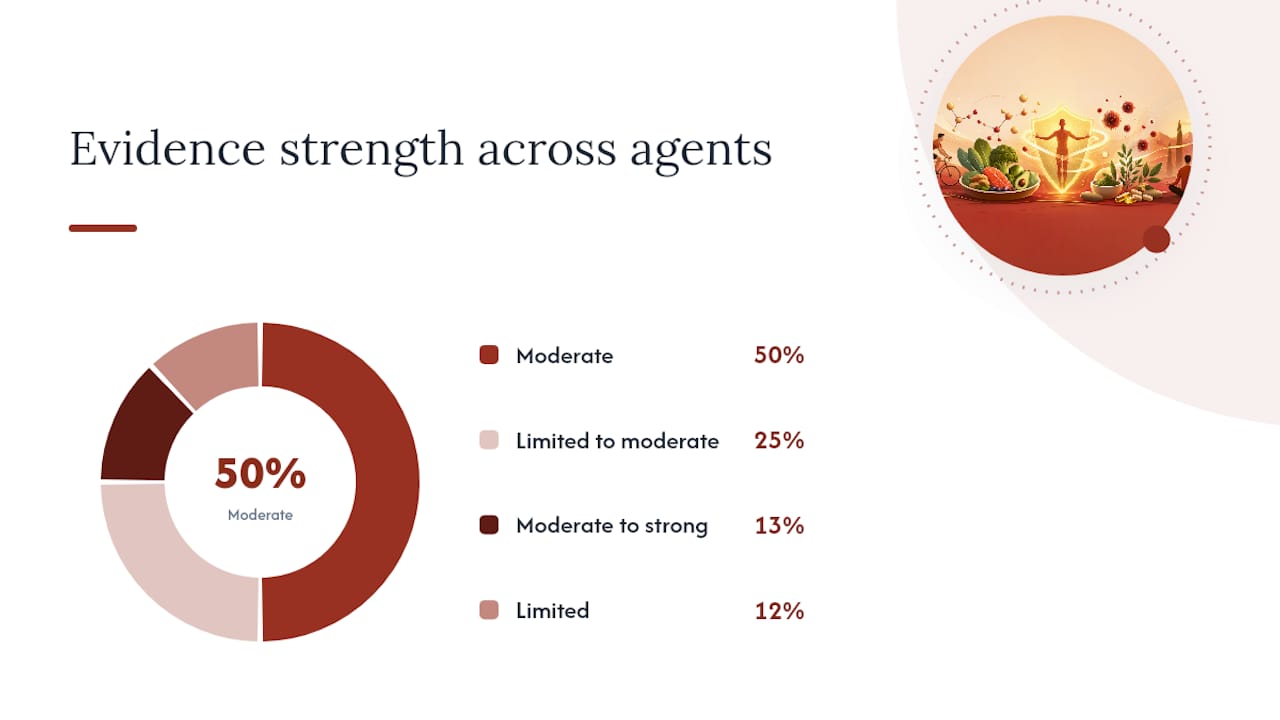
| Agent | Trial-level outcome reported | Evidence strength |
|---|---|---|
| Alpha-lipoic acid (ALA) | Reduced HbA1c and MDA in multiple trials | Moderate to strong |
| Vitamin D | Reduced HbA1c and MDA when baseline deficiency present | Moderate |
| N-acetylcysteine (NAC) | Improved oxidative biomarkers; some benefit on diabetic complications | Moderate |
| Curcumin | Reduced MDA; absorption-dependent results | Moderate |
| Vitamin C | Mixed results; benefit less consistent across trials | Limited to moderate |
| Coenzyme Q10 (ubiquinol) | Some improvement in antioxidant enzyme levels | Limited |
| Selenium and zinc | Associated with improved antioxidant status in trial populations | Limited to moderate |
| Omega-3 fatty acids | Supports lipid and inflammatory markers tied to oxidative pathways | Moderate |
Several agents, including NAC, vitamin C, and alpha-lipoic acid, have shown effectiveness in reducing diabetic complications across human studies, though results vary by trial design and dosing. Where trials report specific dose ranges, ALA studies commonly test 300 to 600 milligrams daily, and vitamin D trials often use doses calibrated to correct a documented deficiency rather than a flat amount for everyone. Those figures come from trial protocols, not universal recommendations, so don’t self-prescribe based on a study’s dosing arm.
Safety matters here. ALA can affect thyroid hormone levels and may interact with thyroid medications. NAC has interacted with nitroglycerin in some reports. Any antioxidant supplement has the theoretical potential to blunt the effectiveness of certain glucose-lowering medications if it lowers blood sugar independently, raising hypoglycemia risk when stacked on top of insulin or sulfonylureas. This is precisely why a supplement conversation belongs in your next appointment, not a solo decision.
Further out on the research horizon, scientists are studying Nrf2 activators (compounds that boost your body’s master antioxidant gene pathway) and GPx mimetics like ebselen, which attempt to replicate glutathione peroxidase’s protective function pharmacologically. These remain investigational. A major review on antioxidant translation found that many strategies effective in rodent models don’t replicate in humans, largely because human type 2 diabetes is a chronic, multisystem condition that a short-term animal study can’t fully mimic.
The direction the field is moving isn’t toward higher doses of a single vitamin. It’s toward personalized, multi-pronged strategies that address inflammation, mitochondrial support, and enzyme activity together, an approach with a stronger evidence base than any solo supplement.
A Realistic Four-Week Plan to Bring to Your Next Appointment
Turning research into action means breaking it into steps you can actually follow and items worth raising with your clinician.
Immediate steps you can start today:
- Replace one processed-carb meal daily with a Mediterranean-style plate.
- Add a 20 to 30 minute walk after your largest meal to blunt the post-meal glucose spike.
- Write down your current medications so you can review interactions before adding anything new.
Items to bring to your clinician:
- Ask for your current HbA1c and, if available, any oxidative stress marker your lab offers.
- Review your full medication list for interaction risk with any supplement you’re considering.
- Discuss whether your glucose control is stable enough to safely add exercise intensity.
- Ask specifically whether a supplement like alpha-lipoic acid or vitamin D makes sense given your labs.
Week-by-week structure:
- Week 1: Focus purely on diet swaps. Establish the Mediterranean plate pattern and cut one sugary drink daily. Start walking 15 minutes after dinner.
- Week 2: Extend walks to 30 minutes and add one resistance session using bodyweight exercises.
- Week 3: Add a second resistance session. Introduce green tea or a curcumin-containing meal a few times weekly.
- Week 4: Review your glucose log with your clinician and discuss whether a targeted supplement fits your situation.
Red flags that need attention right away: unexplained low blood sugar episodes, especially if you’ve added exercise or a new supplement; any new symptom after starting a supplement, particularly if you take thyroid medication or blood thinners; and glucose readings trending upward despite lifestyle changes, which may mean your medication needs adjustment rather than more diet tweaks.
Pro Tip: Print or screenshot two or three bullet points from a trial summary, like the HbA1c and MDA reductions reported in the antioxidant RCT review, and bring them to your appointment. It turns a vague “should I take a supplement?” question into a specific, answerable one.
What the Clinical Trials and Reviews Actually Show
The research base here is genuinely encouraging, but it comes with real limitations worth understanding before you put too much weight on any single study.
- A narrative review comparing 17 RCTs found that fixed-dose antioxidant treatment reduced fasting glucose, HbA1c, MDA, and advanced oxidation protein products while raising total antioxidant capacity.
- A systematic review and meta-analysis of 109 RCTs on food bioactive compounds identified measurable HbA1c and oxidative marker improvements tied to alpha-lipoic acid, vitamin D, and curcumin specifically.
- Reviews consistently note that lifestyle interventions, diet and exercise combined, produce oxidative biomarker improvements that hold up more consistently across studies than single-supplement trials.
The catch: many of these trials are small, run for a matter of weeks rather than years, and use different combinations of biomarkers, which makes cross-study comparison messy. Bioavailability differences (curcumin again being the classic example) mean two trials testing “the same” compound can produce different results based purely on formulation. Some promising early-phase agents that performed well in short trials failed to show benefit when tested in larger, longer studies, a pattern common enough in this field that researchers now treat single small trials with appropriate caution.
A single positive trial is a data point, not a verdict. The strongest confidence comes from patterns that repeat across multiple independent trials and hold up in meta-analysis, not from any one headline result.
The Bottom Line on Reducing Free Radicals With Type 2 Diabetes
Diet and exercise remain your biggest levers, full stop. They produce the most consistent, best-documented reductions in oxidative stress markers of anything covered here, and they carry essentially none of the interaction risk that comes with supplements. Targeted antioxidants can help as an addition once those foundations are in place, ideally chosen with your clinician’s input rather than picked off a shelf. What antioxidant supplements will not do is reverse diabetes or replace glucose-lowering medication.
Your next steps:
- Schedule a review with your clinician to check HbA1c and discuss your medication list.
- Start the four-week diet and exercise plan this week, not next month.
- If you’re considering a supplement, bring specific trial data to that conversation instead of a product name alone.
Reducing free radicals in type 2 diabetes works best as a layered strategy: lifestyle change first for the biggest and safest gains, targeted supplementation second under medical guidance, and realistic expectations throughout.
Why I’m Skeptical of the “More Antioxidants, Always Better” Message
The supplement industry has spent two decades selling the idea that antioxidants are uniformly good and more is always better. The research doesn’t support that, and I think it’s worth saying plainly. Free radicals aren’t pure villains. They participate in insulin signaling and immune defense, which means indiscriminate high-dose antioxidant loading can actually interfere with normal glucose metabolism rather than help it. The goal isn’t maximum antioxidant saturation. It’s restoring balance, what researchers increasingly call optimal redox status.
What gets underestimated is how much of the real benefit in the trial data comes from combination approaches, diet plus exercise plus, sometimes, a targeted supplement, rather than any single silver-bullet compound. That’s a less exciting story than “take this pill,” but it’s the one the evidence actually tells. If you’re evaluating a product like Tryrevivify, or any supplement, ask whether it fits into that layered approach or whether it’s being sold as a replacement for the boring, unglamorous stuff that actually moves the needle: walking, vegetables, and sleep.
Where Tryrevivify Fits Into an Evidence-Based Plan
Once your diet and exercise foundation is in place, a well-formulated supplement can serve as a reasonable addition, and this is where Tryrevivify was built with the mechanisms above specifically in mind.
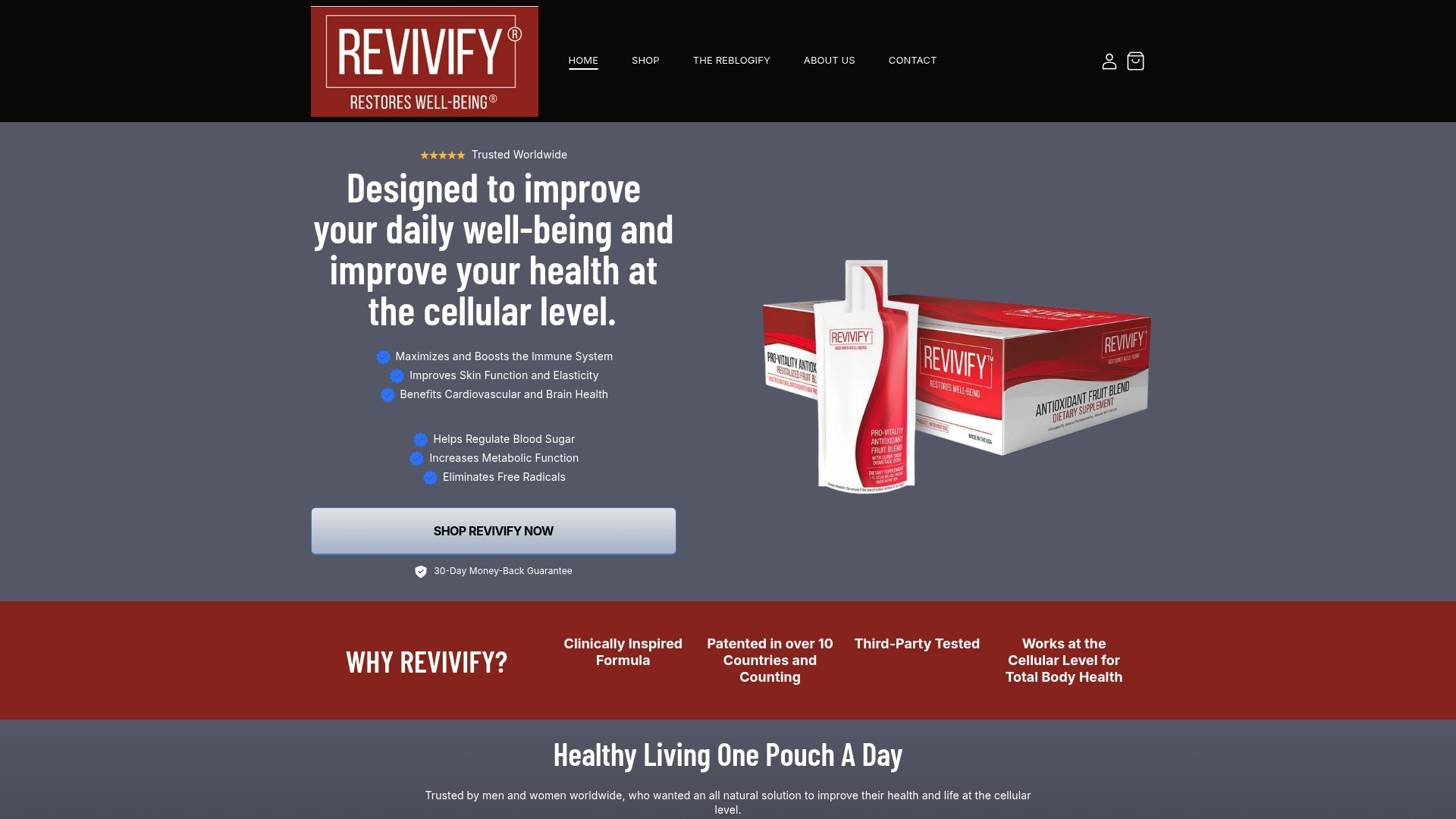
Tryrevivify is a daily gel supplement combining superoxide dismutase, prebiotic fiber, polyphenols, and lactobacillus, ingredients chosen to map onto the oxidative stress pathways covered throughout this article rather than a generic multivitamin blend.
- Superoxide dismutase supports the same first-line enzymatic defense described earlier, the one that neutralizes superoxide before it can do lipid and protein damage.
- Polyphenols contribute to the same ROS-scavenging activity found in berries and green tea, discussed in the dietary antioxidants section.
- Prebiotic fiber and lactobacillus support gut health, which research increasingly ties to systemic inflammation and metabolic regulation.
Tryrevivify is third-party tested and plant-based, and it’s offered with a risk-free guarantee, so trying it doesn’t mean committing blind. That said, if you’re on diabetes medication, especially insulin or a sulfonylurea, talk to your clinician before adding it to your routine, the same guidance that applies to any supplement discussed in this article. If you want to see the full ingredient breakdown and subscription options, visit the Tryrevivify product page to review whether it fits your plan.
Sources
These are the primary sources behind this article, worth bringing to your next clinician visit if you want to review the underlying research together.
- Oxidative Stress and Cardiovascular Complications in Type 2 Diabetes: From Pathophysiology to Lifestyle Modifications
- Insights on antioxidant therapeutic strategies in type 2 diabetes mellitus: A narrative review of randomized control trials
- Diabetes mellitus and oxidative stress—A concise review - PMC
- Antioxidants for Early Treatment of Type 2 Diabetes in Rodents and Humans: Lost in Translation?
This article is general information, not a substitute for advice from a qualified doctor. Consult a qualified healthcare professional about your own circumstances before acting on anything here.