

SOD Enzyme Foods Fail as Delivery: Eat Copper, Zinc, Manganese
Yes, some foods contain superoxide dismutase, cantaloupe, wheatgrass, broccoli, and spinach among them, but eating them isn’t the same as delivering active SOD protein to your cells. Digestion breaks the enzyme apart before it can do systemic work. The practical move is to eat the mineral cofactors and antioxidant-rich foods that keep your body’s own SOD production running, while treating supplement claims about “SOD activity” with a healthy dose of skepticism.
TL;DR:
- Consuming raw foods high in SOD, such as melon, wheatgrass, and broccoli, does not guarantee increased active enzyme levels due to digestion breakdown.
- The most effective way to support SOD activity is through dietary intake of minerals like copper, zinc, and manganese, which are essential cofactors for enzyme function.
- Oral bioavailability of SOD supplements remains low because stomach acid and enzymes dismantle the protein before it can reach the bloodstream in active form.
- Building meals around antioxidant-rich vegetables, whole grains, nuts, seeds, and seafood helps maintain your body’s own SOD systems more reliably than relying on supplements.
- Always consult a healthcare professional before adding mineral supplements, especially if you have dietary restrictions or health conditions, to avoid disrupting mineral balance.
Table of Contents
- Which Foods Contain SOD Enzyme Naturally
- Mineral Cofactors That Fuel Your Body’s Own SOD
- Why Eating SOD Doesn’t Mean Absorbing SOD
- Building a Plate That Supports SOD Activity
- Safety Notes Before You Change Your Diet or Try a Supplement
- A Straight Answer on Food-Derived SOD
- A Delivery-Focused Approach to Daily SOD Support
- Sources
- FAQ
Which Foods Contain SOD Enzyme Naturally
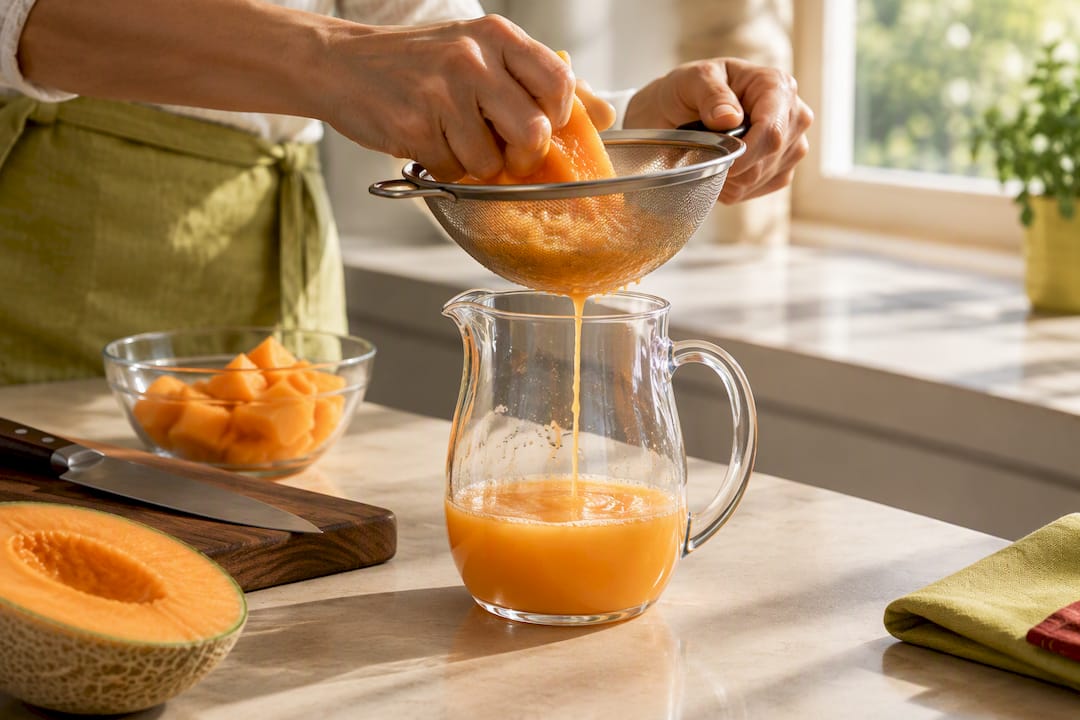
Cantaloupe and other Cucumis melo varieties top nearly every list of SOD-rich foods, and for good reason: melon extract is the raw material behind most commercial SOD supplements. That popularity comes from measurable enzyme content in the fruit itself, not from proof that eating melon raises your blood SOD levels.
Cereal grasses tell a similar story. Wheat, barley, and wheatgrass all report notable SOD activity, and wheat-derived gliadin shows up as a coating material in some supplement formulas, a detail worth remembering later when we get to gluten sensitivity. Leafy and cruciferous vegetables round out the list: broccoli, spinach, cabbage, and peas are commonly cited sources, largely because they’re metabolically active plant tissues where antioxidant enzymes concentrate.
Fermented foods add a wrinkle. Soy and legumes have a long history of SOD isolation in lab research, and fermentation can actually raise measurable enzyme activity in some products. This includes millet-based yogurt studied for its antioxidant profile.
- Cantaloupe (Cucumis melo): the primary source used in commercial extracts
- Wheat, barley, wheatgrass: cereal grasses with notable SOD content
- Broccoli, spinach, cabbage, peas: vegetables frequently cited in food-source lists
- Fermented soy and legumes: processing can increase measurable enzyme activity
Pro Tip: Heat, acidity, and enzymatic digestion all degrade SOD protein. A food’s raw SOD content tells you almost nothing about what survives your stomach, which is the real question.
Cooking and juicing both stress the enzyme, since SOD is a heat- and pH-sensitive protein. Minimally processed or fermented preparations sometimes retain more activity than heavily cooked ones, but the effect is food-specific and inconsistent enough that no one should build a health strategy around exact numbers.
Mineral Cofactors That Fuel Your Body’s Own SOD
Here’s the piece most food lists skip: SOD isn’t one molecule, it’s a family of enzymes, and each version depends on a specific mineral to function. Copper and zinc power the SOD1 form found in your cell’s cytoplasm. Manganese powers SOD2, the version working inside your mitochondria. Supplying these minerals through diet is a far more reliable lever than chasing intact enzyme from a plate of vegetables.
Copper-rich foods include shellfish, organ meats, nuts, seeds, whole grains, and dark chocolate, according to the NIH Office of Dietary Supplements.
Zinc-rich foods include oysters, beef, fortified cereals, beans, and seeds, though plant-based zinc is less bioavailable than animal sources because phytates in grains and legumes bind the mineral and limit absorption.
Manganese-rich foods include whole grains, nuts, tea, and leafy vegetables, common staples in most American diets, per the same NIH manganese fact sheet.
- Copper: shellfish, liver, cashews, sunflower seeds, whole wheat
- Zinc: oysters, lean beef, pumpkin seeds, chickpeas
- Manganese: brown rice, pecans, black tea, kale
Safety note: high-dose supplemental zinc can interfere with copper absorption and throw off the balance both minerals need to support SOD activity. The NIH sets an upper intake limit for zinc precisely because excess amounts, especially from supplements rather than food, carry that risk.
Why Eating SOD Doesn’t Mean Absorbing SOD
This is the gap almost nobody explains clearly, and it matters more than any food list. SOD is a protein, and your digestive system is built to dismantle proteins into amino acids long before they reach your bloodstream intact. Stomach acid, proteolytic enzymes, and the enzyme’s own molecular size all work against it ever reaching your cells in functional form.
A 2021 review of proposed human uses of superoxide dismutase lays this out plainly: melon-derived SOD is the best-studied food source used in supplements, yet free SOD shows consistently low oral bioavailability. Many of the supporting trials are small, preclinical, or limited to animal models rather than large human studies.
Manufacturers have tried to work around digestion using gliadin coatings and microencapsulation, techniques meant to shield the enzyme through the stomach. These methods can improve gastric survival in lab settings, but they introduce their own trade-offs, including gluten exposure from wheat-derived coatings, and neither guarantees a measurable health outcome once the enzyme reaches your gut.
Think of it like mailing a glass sculpture without packaging. The sculpture might be flawless, but if it shatters in transit, its quality never mattered. That’s roughly what happens to unprotected SOD protein moving through your digestive tract.
Pro Tip: A product listing “SOD activity” or IU content on its label is describing lab-measured enzyme presence, not a proven clinical outcome in the human body. Read that number as a manufacturing detail, not a health claim.
The honest takeaway: label numbers describe what’s in the bottle, not what your body actually uses. Anyone considering a concentrated SOD product should raise it with a clinician rather than assume the packaging tells the whole story.
Building a Plate That Supports SOD Activity
Since intact dietary SOD rarely survives digestion, the smarter play is building meals around the cofactors and antioxidant compounds that keep your own enzyme systems running. A few practical moves make this easier than it sounds.
- Anchor each meal with a crucifer or leafy green. Broccoli, spinach, or kale supply plant antioxidants alongside a modest manganese contribution.
- Add a whole grain or legume. Barley, brown rice, or chickpeas bring manganese and zinc into the same meal.
- Include a small portion of seafood or lean meat when your diet allows it. Oysters and shellfish deliver highly bioavailable zinc and copper that plant sources can’t match on their own.
- Work in nuts and seeds daily. A handful of cashews or pumpkin seeds covers meaningful ground on both copper and zinc.
- Rotate in fermented foods occasionally. Fermented soy, yogurt, or vegetables may offer a modest antioxidant boost, though the effect varies by product and process.
A simple version: melon and spinach salad with a lemon vinaigrette, or a bowl of barley with roasted vegetables and a scatter of sunflower seeds. If you’ve seen wheatgrass shots marketed as an SOD boost, know that the enzyme content is real but the same digestive barriers apply. It’s a vegetable juice, not a delivery system.
Pro Tip: Skip the urge to stack copper, zinc, and manganese supplements on top of an already varied diet. Whole foods rarely push you toward an unsafe mineral load, but concentrated supplements can, especially when doses overlap across multiple products.
Safety Notes Before You Change Your Diet or Try a Supplement
A few practical cautions matter more than most marketing copy admits. If you have celiac disease or a wheat allergy, check supplement labels carefully, since gliadin coatings appear in some SOD products and won’t always be obvious from the front label.
- High supplemental zinc intake can suppress copper absorption and disrupt SOD balance rather than support it.
- Dietary supplements are regulated differently than drugs; the FDA’s dietary supplement resources explain how to report adverse effects.
- Pregnancy, chronic disease, and polypharmacy are all situations where a clinician should weigh in before adding concentrated antioxidant or mineral supplements.
- Unexplained symptoms after starting a new supplement warrant a call to your doctor, not a wait-and-see approach.
For a deeper look at supplement-specific risks, our clinician-focused breakdown of SOD side effects covers interactions worth discussing before you start anything new.
A Straight Answer on Food-Derived SOD
Most coverage of this topic either oversells melon extract as a miracle antioxidant or buries the science so deep that readers give up before reaching the actual mechanism. Neither approach serves you well. The honest picture is that food-derived SOD faces a delivery problem no amount of marketing language solves: proteins get digested, and SOD is a protein.
What gets underestimated is how much leverage sits in the cofactor strategy. Copper, zinc, and manganese are widely available, well-studied, and directly tied to the enzyme systems your body already runs. That’s not a consolation prize, it’s arguably the more evidence-grounded path, since it works with digestion instead of trying to outrun it. For a broader look at supporting these pathways through diet and lifestyle, our guide on increasing antioxidant enzymes naturally expands on the practical side.
Readers who want the full technical picture on delivery challenges and formulation approaches can find it in our complete guide to SOD supplements, which digs into the same bioavailability questions raised here in more depth.
— Larry
A Delivery-Focused Approach to Daily SOD Support
If digestion is the real obstacle standing between food-derived SOD and your cells, the smarter question isn’t which vegetable has the highest enzyme count. It’s how a product is built to work with your body’s absorption limits rather than against them.
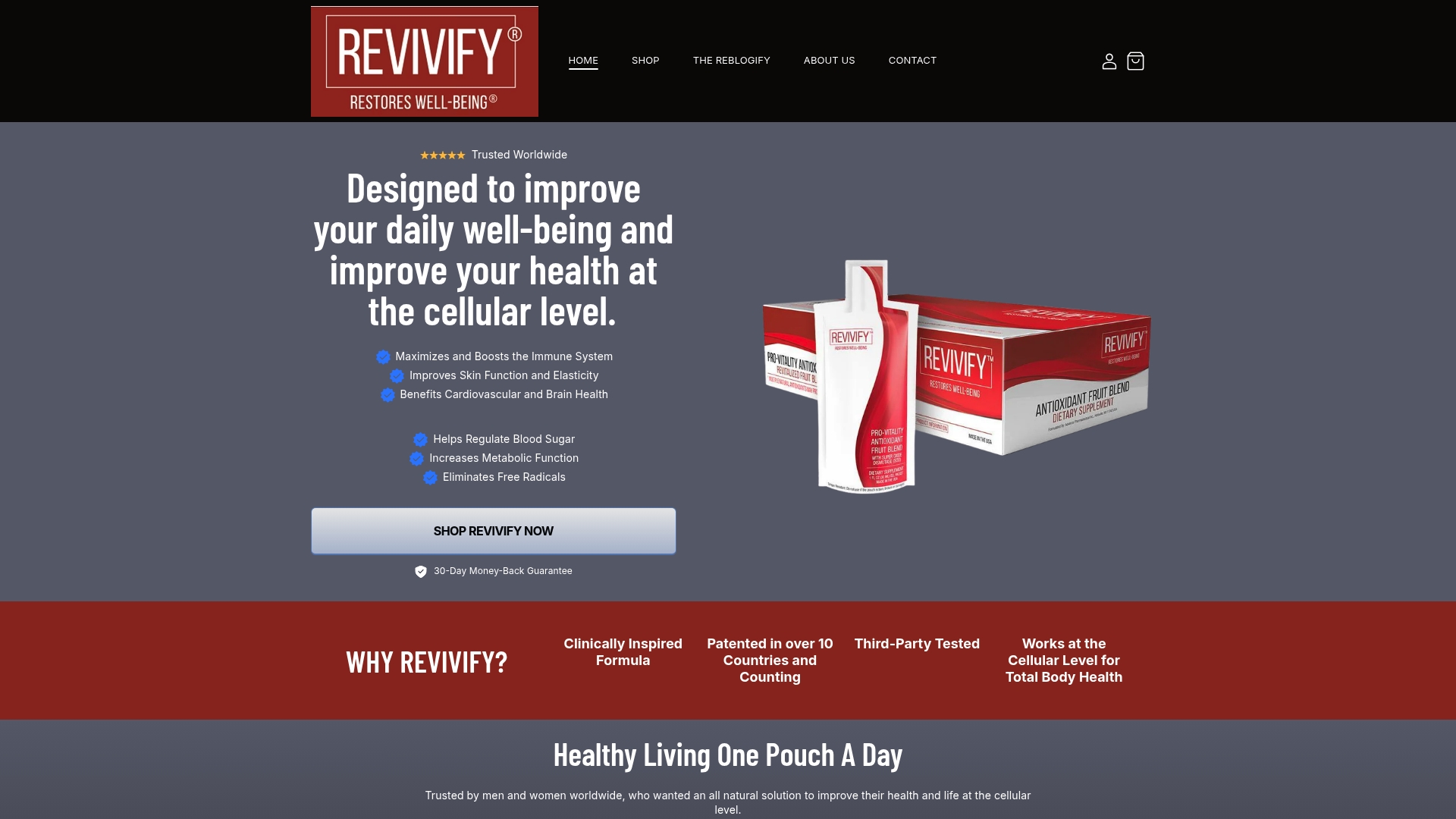
A certain daily health supplement claims to combine superoxide dismutase with prebiotic fiber, polyphenols, and lactobacillus in a patented formula designed around cellular-level support. It is described as third-party tested, plant-based, and offered with purchasing options including one-time orders and subscriptions. We’ll say it plainly: clinical evidence for oral SOD remains mixed across the research, so this is a piece of a bigger conversation you should have with your clinician, not a replacement for one. If you’re ready to see how the formula fits into your routine, check out the REVIVIFY® 30-Day Supply and explore the subscription options available there.
Sources
The claims in this article draw on the 2021 review of oral SOD administration, NIH nutrient fact sheets, and USDA FoodData Central, which treats nutrient values as sample-dependent rather than fixed.
This article is general information, not a substitute for advice from a qualified doctor. Consult a qualified healthcare professional about your own circumstances before acting on anything here.
- Superoxide Dismutase Administration: A Review of Proposed Human Uses
- Copper — Health Professional Fact Sheet (NIH ODS)
FAQ
How Do You Increase SOD Enzyme Activity Naturally?
The most reliable approach is supplying copper, zinc, and manganese through diet, since these minerals are direct cofactors your body needs to keep its own SOD enzymes running. Whole grains, shellfish, nuts, and leafy greens cover all three minerals without the absorption barriers that limit dietary SOD itself.
What Foods Contain the Most Superoxide Dismutase?
Cantaloupe and other melon varieties are the most commonly cited and commercially used source, followed by wheatgrass, barley, broccoli, and spinach. Enzyme content in these foods is real, but oral bioavailability of that SOD is low due to digestion.
What Health Problems Are Linked to Low SOD Activity?
Reduced SOD activity is associated with increased oxidative stress, which researchers connect to inflammation, cardiovascular strain, and cellular aging processes. The research on direct disease causation from SOD levels alone is still developing, so this connection should be understood as associative rather than proven.
What Should I Look for in an SOD Supplement?
Look for third-party testing, transparency about the delivery method used (such as coatings or microencapsulation), and realistic language about clinical evidence rather than sweeping health claims. Tryrevivify’s REVIVIFY® combines SOD with prebiotic fiber in a patented formula, and pricing details are available on the product page rather than quoted here, since supplement formulations and value vary by what you’re trying to address.