

How to Stabilize Blood Sugar with Antioxidants
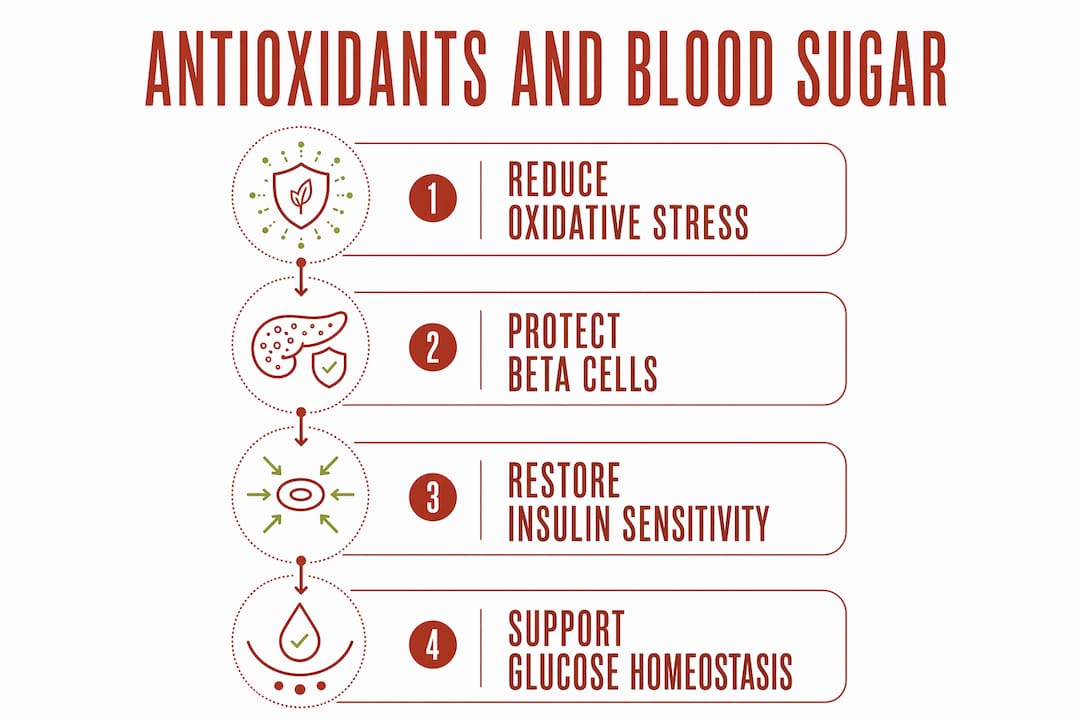
Antioxidants genuinely help stabilize blood sugar, and the science behind that claim is more specific than most people realize. When blood glucose rises, your body generates reactive oxygen species (ROS) that damage pancreatic beta cells, impair insulin signaling, and accelerate the cycle of glucose dysregulation. Antioxidants interrupt that cycle by neutralizing ROS, restoring insulin sensitivity, and protecting the cellular machinery that keeps glucose in check. Key players include enzymatic antioxidants like superoxide dismutase (SOD), polyphenol-rich plant compounds, and emerging blends like Totum-63, each working through distinct but complementary mechanisms.
Here is what the evidence shows antioxidants do for blood sugar regulation:
- Reduce oxidative stress markers such as malondialdehyde (MDA) and advanced oxidation protein products (AOPP), both of which rise sharply in diabetes
- Improve insulin sensitivity by restoring nitric oxide production and reducing endothelial dysfunction
- Protect beta cells in the pancreas from oxidative damage that would otherwise reduce insulin output
- Lower fasting plasma glucose and glycated hemoglobin (HbA1c) in clinical trials, particularly with fixed-dose antioxidant combinations
- Modulate enzymatic defense systems including SOD, catalase, and glutathione peroxidase to maintain redox balance at the cellular level
How antioxidants regulate blood sugar at the cellular level
Oxidative stress is not just a side effect of high blood sugar. It is an active driver of the problem.
Hyperglycemia creates a damaging feedback loop
When glucose spikes, mitochondria in your cells produce excess ROS as a byproduct of energy metabolism. Those free radicals then attack the beta cells of the pancreas, reducing their ability to secrete insulin. Less insulin means glucose stays elevated longer, which generates more ROS. The loop compounds itself, and over time, it contributes to the progression from prediabetes to full type 2 diabetes.
Oxidative damage also hits insulin receptors on muscle and fat cells directly. When those receptors are damaged, cells become less responsive to insulin, a condition called insulin resistance. Antioxidant supplementation addresses this by improving endothelial function, restoring nitric oxide availability, and reducing the oxidative burden on insulin-signaling pathways.
How the body’s own antioxidant defenses work
Your body runs its own antioxidant system, built around enzymes like SOD, catalase, and glutathione peroxidase. SOD acts like the first runner in a relay team: it converts the most reactive superoxide radical into hydrogen peroxide, which catalase then breaks down into harmless water and oxygen. In people with diabetes, this relay slows down. SOD activity correlates directly with glycemic status, meaning lower SOD activity tends to accompany poorer blood sugar control.
The goal of antioxidant therapy, whether dietary or supplemental, is not simply to flood the body with extra antioxidants. The real target is restoring and supporting these endogenous enzymatic systems so they can handle the metabolic oxidative load that diabetes creates. That distinction shapes how researchers now think about oxidative stress in diabetes and why whole-food or enzyme-based approaches often outperform isolated vitamin supplements.
Redox balance and glucose homeostasis
Redox balance refers to the equilibrium between oxidants and antioxidants inside your cells. Tipping that balance too far in either direction causes problems. Too many oxidants damage tissue; paradoxically, too many exogenous antioxidants can blunt the mild oxidative signals that cells use to regulate insulin secretion. This is why personalized antioxidant therapy, calibrated to an individual’s actual oxidative stress level, tends to produce better outcomes than blanket high-dose supplementation.
Which antioxidants are most relevant to blood sugar control?
Not all antioxidants work the same way, and their relevance to glucose metabolism varies considerably by type.
Enzymatic antioxidants
- Superoxide dismutase (SOD): The primary enzymatic defense against superoxide radicals. SOD activity improves glycemic status in diabetic patients and protects pancreatic beta cells from oxidative destruction. Three isoforms exist: SOD1 (cytoplasmic), SOD2 (mitochondrial), and SOD3 (extracellular), each guarding a different cellular compartment.
- Catalase: Works downstream of SOD to neutralize hydrogen peroxide before it can form the highly destructive hydroxyl radical.
- Glutathione peroxidase: Reduces lipid peroxides and hydrogen peroxide, protecting cell membranes from oxidative damage that would otherwise impair insulin receptor function.
Non-enzymatic antioxidants
| Antioxidant | Primary Sources | Mechanism in Glucose Regulation |
|---|---|---|
| Vitamin C | Citrus, bell peppers, broccoli | Lowers MDA and F2-isoprostanes; improves nitric oxide release |
| Vitamin E (alpha-tocopherol) | Nuts, seeds, vegetable oils | Reduces oxidized LDL; modulates endothelial function |
| Selenium | Brazil nuts, seafood, eggs | Cofactor for glutathione peroxidase; supports redox enzyme activity |
| Alpha-lipoic acid | Spinach, broccoli, organ meats | Regenerates other antioxidants; improves insulin sensitivity |
| Coenzyme Q10 (CoQ10) | Meat, fish, whole grains | Reduces HbA1c and fasting glucose; increases SOD activity |
| Polyphenols (quercetin, resveratrol) | Berries, red wine, onions | Inhibit glucose absorption enzymes; protect beta cells |
Totum-63: an emerging polyphenol blend
Totum-63 is a plant-based extract combining over 60 polyphenolic compounds. Unlike isolated vitamins, it works systemically to restore metabolic redox balance. A randomized controlled trial found that Totum-63 produced placebo-adjusted reductions in fasting plasma glucose over six months with a good safety profile, positioning it as a potential non-pharmaceutical strategy for type 2 diabetes prevention. Complex polyphenol-rich plant extracts like Totum-63 tend to outperform isolated antioxidant vitamins in clinical settings precisely because they address multiple oxidative pathways simultaneously.
Foods that help you stabilize blood sugar through antioxidants
Diet is the most accessible and sustainable way to raise your antioxidant intake. The foods below are not just high in antioxidants generally. They contain specific bioactive compounds with documented effects on glucose metabolism.
- Blueberries and other dark berries: Rich in anthocyanins, a class of flavonoids that improve insulin sensitivity and reduce postprandial glucose spikes. Anthocyanins also protect beta cells from oxidative damage.
- Okra: Contains polysaccharides and flavonoids that inhibit alpha-glucosidase and alpha-amylase, the enzymes responsible for breaking down dietary carbohydrates into glucose. Slowing that process reduces the rate of glucose absorption after meals.
- Broccoli and cruciferous vegetables: High in sulforaphane, a compound that activates the Nrf2 pathway, which upregulates the body’s own antioxidant enzyme production including SOD and glutathione peroxidase.
- Walnuts and almonds: Provide vitamin E, selenium, and polyphenols alongside healthy fats that slow glucose absorption and reduce postprandial oxidative stress.
- Flaxseed: Delivers lignans (a type of polyphenol) and soluble fiber. The fiber slows carbohydrate digestion; the lignans reduce oxidative stress markers associated with insulin resistance.
- Spinach and kale: Excellent sources of alpha-lipoic acid precursors, lutein, and vitamin C. Leafy greens also contribute magnesium, which is required for over 300 enzymatic reactions including those involved in insulin signaling.
- Green tea: Contains epigallocatechin gallate (EGCG), one of the most studied polyphenols for glucose regulation. EGCG inhibits glucose transporters in the intestine and improves insulin receptor sensitivity.
| Food | Key Antioxidant Compounds | Blood Sugar Benefit |
|---|---|---|
| Blueberries | Anthocyanins | Improve insulin sensitivity; reduce postprandial glucose |
| Okra | Polysaccharides, flavonoids | Inhibit carbohydrate-digesting enzymes |
| Broccoli | Sulforaphane | Activates Nrf2; boosts endogenous antioxidant enzymes |
| Walnuts | Vitamin E, polyphenols | Slow glucose absorption; reduce oxidative stress |
| Flaxseed | Lignans, soluble fiber | Lower oxidative stress markers; slow carb digestion |
| Green tea | EGCG | Inhibit intestinal glucose transporters |
| Spinach | Alpha-lipoic acid, vitamin C | Support insulin signaling; reduce lipid peroxidation |
Antioxidant-rich foods like berries, nuts, okra, and cruciferous vegetables enhance insulin sensitivity through flavonoids that inhibit the enzymes involved in glucose absorption, making them practical, food-first tools for managing blood sugar naturally.

Pro Tip: Eat antioxidant-rich foods during or immediately after your largest carbohydrate-containing meal. Timing your intake to coincide with postprandial periods counters the oxidative spike triggered by glucose absorption, which is when free radical production peaks.
What clinical studies say about antioxidants and blood sugar
The clinical picture is encouraging but nuanced. Results vary by antioxidant type, dose, duration, and patient population.
Key findings from randomized controlled trials
-
Fixed-dose antioxidant combinations significantly reduce fasting blood sugar and HbA1c while lowering MDA and AOPP and raising total antioxidant capacity, according to meta-analyses of randomized controlled trials in type 2 diabetes patients.
-
Vitamin C at 1,000 mg/day produced significant improvements in blood sugar control in RCTs, including reductions in fasting blood glucose and HbA1c in type 2 diabetes patients. Lower doses showed weaker effects, underscoring the dose-response relationship.
-
CoQ10 (ubiquinol, 100 mg/day for 12 weeks) reduced blood HbA1c and fasting glucose and increased SOD activity in diabetic patients, though MDA levels did not change significantly in the same trial.
-
Vitamin D supplementation (14,000 IU weekly for six months) improved HbA1c and reduced AOPP in type 2 diabetes patients with an established diagnosis, demonstrating that fat-soluble antioxidants can meaningfully shift oxidative stress biomarkers over longer timeframes.
-
Totum-63 produced fasting plasma glucose reductions of 3.8 to 5.5 mg/dL over six months in prediabetic or early-stage type 2 diabetes patients, depending on dosing frequency, with a favorable safety profile across the trial period.
What the evidence does not yet confirm
Vitamin E supplementation at 400 IU in type 2 diabetes patients did not significantly improve reactive hyperaemia index, pulse-wave velocity, carotid intima media thickness, or HbA1c in one well-controlled trial, though it did reduce oxidized LDL. That result illustrates a recurring theme: single-nutrient antioxidants often underperform compared to combination approaches or polyphenol-rich extracts. The distinction between fasting blood glucose and HbA1c responses also matters. Fasting glucose can shift within weeks; HbA1c reflects three months of average control, so short trials may miss the full benefit. Long-term adherence is where meaningful HbA1c improvements tend to appear.
How to incorporate antioxidants into your routine safely
Getting the benefits of antioxidants for blood sugar control requires more than adding a supplement. Timing, dose, and lifestyle context all shape the outcome.
Pro Tip: Pair antioxidant supplementation with aerobic exercise. Exercise induces skeletal muscle antioxidant enzymes, and antioxidants taken around workout sessions complement that induction, producing a synergistic effect on glucose uptake and oxidative stress reduction.
What to do
- Prioritize food first. Whole-food antioxidants come packaged with fiber, minerals, and cofactors that improve their bioavailability and reduce the risk of imbalance.
- Time antioxidant intake with meals. Consuming polyphenol-rich foods or supplements alongside carbohydrate-containing meals counters the postprandial oxidative surge most effectively.
- Choose combination formulas over megadoses of single nutrients. Fixed-dose antioxidant blends consistently outperform isolated high-dose vitamins in clinical trials for blood sugar outcomes.
- Prioritize sleep. Poor sleep elevates cortisol and ROS simultaneously, undermining whatever antioxidant work you do during the day. An optimal redox approach integrates diet, exercise, and sleep as a unified strategy.
- Track your HbA1c over time. Fasting glucose shifts quickly; HbA1c tells you whether the antioxidant strategy is producing lasting metabolic change.
What to avoid
- Megadosing isolated antioxidants. High doses of single antioxidants can increase the risk of adverse effects and may paradoxically impair insulin sensitivity by blunting the mild oxidative signals cells use for metabolic regulation.
- Ignoring medication interactions. Antioxidants like vitamin E and alpha-lipoic acid can affect how diabetes medications work. Alpha-lipoic acid, for example, may enhance the glucose-lowering effect of insulin or oral hypoglycemics, raising the risk of hypoglycemia. Always discuss supplementation with your prescribing physician before adding anything new.
- Assuming more is always better. Personalized dosing based on your actual oxidative stress burden produces better outcomes than blanket high-dose protocols. If you can access oxidative stress biomarker testing (MDA, AOPP, or total antioxidant capacity), use it to calibrate your approach.
- Relying on supplements alone. Antioxidants work within a metabolic context. Without dietary discipline and physical activity, even the best antioxidant formula will produce limited results.
Tryrevivify’s perspective on antioxidants and blood sugar management
At Tryrevivify, we have built our approach to cellular health around one core insight: the body’s own antioxidant enzyme systems are the most powerful tools available for managing oxidative stress, and the goal is to support those systems, not replace them.
Our patented daily supplement combines superoxide dismutase with prebiotic fiber. SOD is the enzymatic antioxidant that sits at the top of the body’s free radical defense cascade, converting the most destructive superoxide radicals before they can damage beta cells or impair insulin receptors. The prebiotic fiber component supports gut microbiome diversity, which emerging research links to improved glucose metabolism and reduced systemic inflammation. Together, they address blood sugar regulation at the cellular level, not just as a downstream effect.
We take that principle seriously. SOD is not a passive scavenger. It is an active, enzyme-driven system that your body already knows how to use. Supporting it with a bioavailable, clinically studied form means you are working with your biology rather than trying to override it. Our educational content on free radicals and blood sugar and antioxidant enzyme support reflects our commitment to giving you the science behind the formula, not just the marketing.
Does antioxidant therapy work differently for type 1 vs. type 2 diabetes?
The short answer is yes, and the difference matters for how you approach supplementation.
In type 2 diabetes, oxidative stress is both a cause and a consequence of insulin resistance. Beta cells are still present and functional to varying degrees, so antioxidants that reduce ROS and improve insulin receptor sensitivity can produce meaningful improvements in glucose control. This is the population where most of the clinical trial evidence, including the Totum-63 data and the fixed-dose antioxidant meta-analyses, has been generated. The feedback loop between hyperglycemia and oxidative stress is the primary target.
Type 1 diabetes presents a fundamentally different picture. The autoimmune destruction of beta cells is the root cause, and oxidative stress plays a role in accelerating that destruction during the early stages of the disease. Antioxidants, particularly SOD and vitamin E, have shown some capacity to slow beta cell loss when introduced early. However, once beta cell mass is substantially depleted, antioxidants cannot restore insulin secretion. Their role in established type 1 diabetes shifts toward reducing complications: protecting blood vessels, kidneys, and nerves from the chronic oxidative damage that elevated glucose causes over time.
The practical implication is that antioxidants tend to produce more direct glycemic improvements in type 2 diabetes, where insulin resistance is the central problem. In type 1 diabetes, the benefit is real but more focused on complication prevention and systemic oxidative burden reduction rather than glucose lowering per se. Antioxidant supplementation also interacts differently with exogenous insulin in type 1 patients. Alpha-lipoic acid, for instance, can amplify insulin’s glucose-lowering effect, which requires careful monitoring to avoid hypoglycemia.
Both populations benefit from an antioxidant-rich diet and lifestyle. The oxidative burden of living with elevated blood glucose is real regardless of diabetes type, and reducing it through food, exercise, sleep, and targeted supplementation remains a sound strategy across the board.
Tryrevivify supports your blood sugar goals at the cellular level
Dietary changes and clinical research point in the same direction: reducing oxidative stress is one of the most direct ways to support healthy blood sugar. Tryrevivify was built specifically for that purpose.
The Tryrevivify daily supplement delivers superoxide dismutase in a patented, bioavailable formula combined with prebiotic fiber, targeting the enzymatic antioxidant pathway that clinical research consistently identifies as central to glucose regulation and beta cell protection. Unlike high-dose isolated vitamin supplements that clinical trials have repeatedly shown to underperform, Tryrevivify works by supporting your body’s own enzymatic defense system, the same system that SOD activity studies link directly to improved glycemic status.
If you are managing blood sugar naturally and want a supplement grounded in the same science this article covers, Tryrevivify is a logical next step. Visit tryrevivify.com to learn more about the formula and see whether it fits your routine.
Key Takeaways
Antioxidants stabilize blood sugar by reducing oxidative stress, protecting pancreatic beta cells, and restoring insulin sensitivity through both enzymatic and dietary mechanisms.
| Point | Details |
|---|---|
| Enzymatic antioxidants are central | SOD activity correlates directly with glycemic status; supporting it protects beta cells and insulin receptors. |
| Fixed-dose combinations outperform single nutrients | Meta-analyses show antioxidant blends reduce fasting blood sugar, HbA1c, MDA, and AOPP more reliably than isolated vitamins. |
| Totum-63 shows measurable glucose reduction | Randomized trial data show fasting plasma glucose reductions of 3.8–5.5 mg/dL over six months in prediabetic patients. |
| Type matters: T2D vs. T1D | Antioxidants produce direct glycemic improvements in type 2 diabetes; in type 1, benefits focus on complication prevention. |
| Tryrevivify targets the enzymatic pathway | Its patented SOD and prebiotic fiber formula supports the endogenous antioxidant system clinical research links to blood sugar control. |