

Top Blood Sugar Support Supplements 2026: Ranked by Evidence
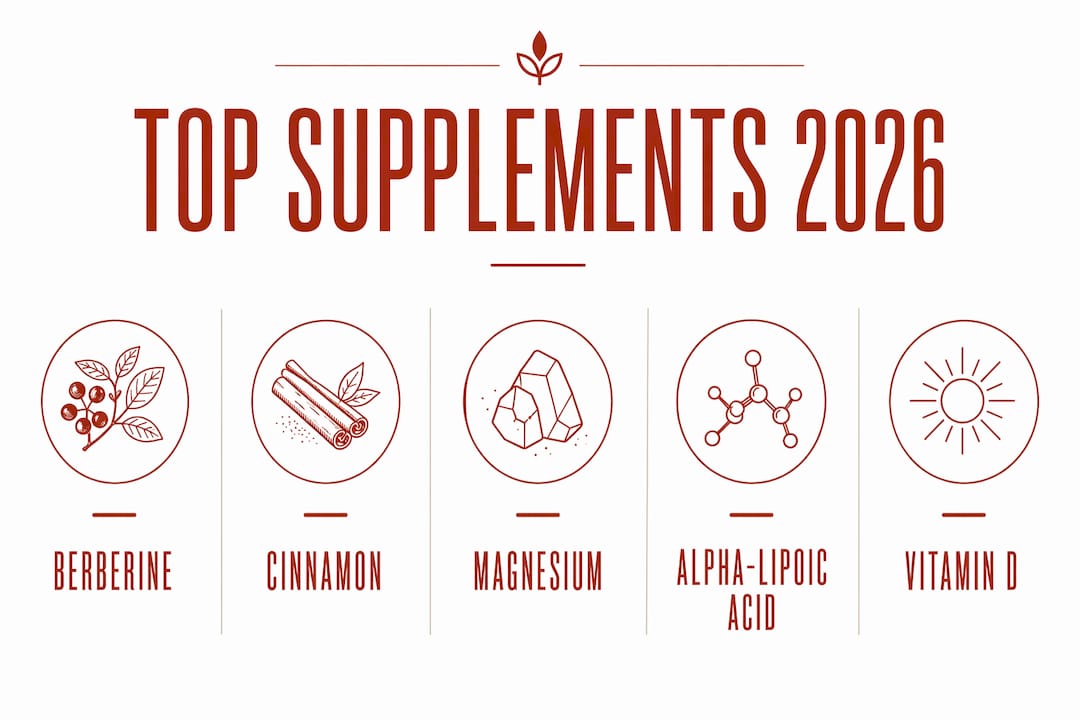
The supplements with the strongest clinical evidence for blood sugar support in 2026 are berberine, cinnamon, magnesium, alpha-lipoic acid (ALA), chromium, vitamin D, probiotics, omega-3 fatty acids, gymnema sylvestre, ginseng, aloe vera, and zinc/vitamin C. Each has at least some human trial data behind it, though the quality and consistency of that evidence varies considerably from one to the next.
Before you read further, one framing point matters: NCCIH is direct that no supplement is a proven replacement for standard diabetes care. These are adjuncts, not alternatives, to prescribed therapy, diet, and exercise.
Our recommended daily-support pick: Tryrevivify’s Revivify is the publisher’s own product and is included here with full disclosure. It combines superoxide dismutase, prebiotic fiber, polyphenols, and lactobacillus in a third-party tested, plant-based gel formula positioned for daily metabolic and cellular support. If you take insulin, sulfonylureas, or metformin, discuss any new supplement with your prescribing clinician before starting.
- Highest-evidence picks: berberine, cinnamon, magnesium, ALA, vitamin D
- Moderate evidence: chromium, probiotics, omega-3s, gymnema
- Limited or early evidence: ginseng, aloe vera, zinc, vitamin C
- Revivify (publisher product): third-party tested daily gel with antioxidant and prebiotic/probiotic ingredients
Table of Contents
- Top blood sugar support supplements 2026: what the evidence actually says
- How do these supplements compare at a glance?
- How we graded the evidence: sources, methodology, and what the labels mean
- How to choose supplements safely and what to ask your clinician
- Expert perspectives and publisher disclosure
- Key Takeaways
- Why the “best supplement” question deserves a more honest answer
- Revivify: a daily formula built around the mechanisms that matter
- Authoritative sources and further reading
Top blood sugar support supplements 2026: what the evidence actually says
## 1. Berberine
Berberine is a plant-derived alkaloid found in goldenseal, barberry, and Oregon grape. It is one of the most studied supplements in this category. A review of multiple studies found beneficial effects on fasting glucose, A1C, and insulin resistance, though many trials were conducted in Chinese populations, which limits how broadly the results apply…
- Evidence strength: Moderate
- Mechanism: Activates AMPK, reducing hepatic glucose output and improving insulin sensitivity
- Typical dose: 500 mg two to three times daily with meals; available as capsules
- Side effects: GI upset (nausea, diarrhea), especially at higher doses
- Drug interactions: May amplify the glucose-lowering effect of metformin and insulin; monitor closely
- Expectation window: Fasting glucose changes may appear within 4–8 weeks; A1C shifts take 3 months or more
## 2. Cinnamon (Ceylon vs. cassia)
Cinnamon is probably the most widely used blood sugar supplement in U.S. households, but the species distinction matters more than most labels acknowledge. A review of several studies found cinnamon lowered fasting blood glucose and insulin resistance, though higher-quality Western trials showed smaller effects… Ceylon (Cinnamomum verum) is lower in coumarin and generally considered safer for daily use; cassia contains higher coumarin levels, which can stress the liver at large doses.
- Evidence strength: Moderate (fasting glucose); low to inconclusive for A1C
- Mechanism: May improve insulin receptor signaling and slow gastric emptying
- Typical dose: 1–6 g/day of whole cinnamon or a standardized extract; capsules or powder
- Side effects: Liver stress at high cassia doses due to coumarin content
- Drug interactions: Additive effect possible with insulin and oral hypoglycemics
- Expectation window: 4–12 weeks for modest fasting glucose changes
## 3. Chromium
Chromium picolinate is the form most studied for glycemic support. Meta-analyses show small but measurable improvements in HbA1c and fasting glucose in people with type 2 diabetes, though the effect is not uniform across trials.
- Evidence strength: Moderate (small effect size)
- Mechanism: Enhances insulin receptor signaling; may improve glucose uptake in muscle cells
- Typical dose: 200–1,000 mcg/day as chromium picolinate; capsules or tablets
- Side effects: Generally well tolerated; high doses may affect kidney function over time
- Drug interactions: May potentiate insulin and sulfonylureas; dose monitoring advised
- Expectation window: 8–12 weeks for detectable HbA1c changes
## 4. Alpha-lipoic acid (ALA)
ALA is an antioxidant produced naturally in the body and found in foods like spinach and broccoli. Its most reliable clinical application is reducing symptoms of diabetic neuropathy, where intravenous and oral forms have shown consistent benefit. Its direct glucose-lowering effect is more modest and less consistent across trials.
- Evidence strength: Moderate for neuropathy; low for direct glycemic control
- Mechanism: Antioxidant; may improve insulin-mediated glucose uptake in skeletal muscle
- Typical dose: 300–600 mg/day orally; capsules; IV forms used clinically for neuropathy
- Side effects: Nausea, rash at high doses; rare risk of hypoglycemia when combined with insulin
- Drug interactions: Can amplify insulin and oral hypoglycemic agents
- Expectation window: Neuropathy symptom relief may appear in 3–5 weeks; metabolic effects take longer
Understanding how oxidative stress connects to blood sugar dysregulation helps explain why antioxidants like ALA are studied in this context at all.
## 5. Magnesium
Low magnesium intake is consistently associated with higher diabetes risk in population studies. A review of multiple studies found supplementation may improve insulin sensitivity in people at high risk of diabetes, though the evidence is not yet strong enough to support formal clinical guidelines. found supplementation may improve insulin sensitivity in people at high risk of diabetes, though the evidence is not yet strong enough to support formal clinical guidelines. The benefit is most pronounced in people who are actually deficient.
- Evidence strength: Moderate (strongest in deficiency states)
- Mechanism: Cofactor in over 300 enzymatic reactions, including those governing insulin signaling
- Typical dose: 250–400 mg/day as magnesium glycinate or citrate; capsules or powder
- Side effects: Loose stools at high doses; serious risk in kidney disease (impaired excretion)
- Drug interactions: May interact with certain antibiotics and diuretics; caution with kidney disease
- Expectation window: 8–12 weeks for measurable insulin sensitivity changes
## 6. Probiotics
The gut microbiome influences glucose metabolism through multiple pathways, including short-chain fatty acid production and modulation of GLP-1 secretion. Probiotic trials in people with type 2 diabetes show modest improvements in fasting glucose and HbA1c, but effects are strain-specific. Lactobacillus acidophilus and Bifidobacterium strains appear most studied in this context.
- Evidence strength: Moderate (strain-dependent)
- Mechanism: Gut microbiome modulation; may improve insulin sensitivity and reduce systemic inflammation
- Typical dose: 1–10 billion CFU/day; capsules, powders, or fermented foods
- Side effects: Bloating and gas initially; generally safe in healthy adults
- Drug interactions: No major interactions with glucose-lowering drugs, but timing with antibiotics matters
- Expectation window: 4–8 weeks for gut-mediated metabolic changes
For a deeper look at how gut bacteria affects blood sugar, the microbiome mechanisms are worth understanding before choosing a probiotic strain.
## 7. Vitamin D
A review of several studies found that vitamin D supplementation at doses of at least 1,000 IU/day reduced the risk of progression to type 2 diabetes in people with prediabetes; effects on HbA1c and fasting glucose in people already diagnosed with T2D are smaller and carry low-to-moderate certainty. found that vitamin D supplementation at doses of at least 1,000 IU/day reduced the risk of progression to type 2 diabetes in people with prediabetes. Effects on HbA1c and fasting glucose in people already diagnosed with T2D are smaller and carry low-to-moderate certainty.
- Evidence strength: Moderate for prediabetes progression; low for established T2D glycemic control
- Mechanism: Vitamin D receptors on pancreatic beta cells; may support insulin secretion and sensitivity
- Typical dose: 1,000–4,000 IU/day as D3 (cholecalciferol); softgels or drops
- Side effects: Toxicity at very high doses (>10,000 IU/day long term); rare at standard doses
- Drug interactions: Thiazide diuretics can increase calcium levels when combined with high-dose D3
- Expectation window: 3–6 months; benefit tied closely to correcting baseline deficiency
## 8. Gymnema sylvestre
Gymnema is an Ayurvedic herb whose active compounds, gymnemic acids, are thought to reduce sugar absorption in the gut and may stimulate insulin secretion. Small randomized controlled trials show reductions in fasting glucose and A1C, but the trials are short and involve few participants.
- Evidence strength: Low (promising but limited trial base)
- Mechanism: May reduce intestinal glucose absorption; possible beta-cell regenerative effects
- Typical dose: 400–800 mg/day of standardized extract (25% gymnemic acids); capsules
- Side effects: Hypoglycemia risk when combined with insulin or sulfonylureas; GI discomfort
- Drug interactions: Additive glucose-lowering effect with insulin and oral hypoglycemics
- Expectation window: 8–12 weeks in small trials; larger, longer studies are needed
## 9. Ginseng
Both American (Panax quinquefolius) and Asian (Panax ginseng) ginseng have been studied for postprandial glucose reduction. Results are inconsistent across species and extract preparations. American ginseng shows slightly more consistent postprandial effects in the available trials.
- Evidence strength: Low to moderate (species and preparation matter significantly)
- Mechanism: May slow carbohydrate absorption and improve insulin sensitivity via ginsenoside compounds
- Typical dose: 200–3,000 mg/day depending on species and extract; capsules or standardized extracts
- Side effects: Insomnia, headache, GI upset at higher doses
- Drug interactions: May interact with warfarin and MAO inhibitors; additive effect with hypoglycemics
- Expectation window: 4–8 weeks for postprandial glucose effects
## 10. Omega-3 fatty acids
Long-chain omega-3s (EPA and DHA) are well established for cardiovascular and lipid benefits. Their effect on glycemic control is less consistent. Multiple systematic reviews from 2022 to 2023 report reductions in some diabetes-related markers but inconsistent HbA1c effects. If your primary concern is cardiometabolic risk alongside glucose support, omega-3s earn their place.
- Evidence strength: Moderate for lipids and inflammation; low for direct glycemic control
- Mechanism: Anti-inflammatory; may improve insulin receptor sensitivity and reduce triglycerides
- Typical dose: 1–4 g/day EPA+DHA combined; fish oil softgels or algae-based capsules
- Side effects: Fishy aftertaste, GI upset; high doses may increase bleeding risk
- Drug interactions: Additive anticoagulant effect with warfarin and aspirin at high doses
- Expectation window: 6–12 weeks for lipid changes; glycemic effects, if any, take longer
## 11. Aloe vera
Aloe vera extracts, particularly the inner leaf gel, have shown modest fasting glucose reductions in small trials involving people with prediabetes and early type 2 diabetes. The research base is thin and product formulations vary widely, making it difficult to generalize findings.
- Evidence strength: Low
- Mechanism: May improve insulin sensitivity; antioxidant properties may reduce oxidative stress on beta cells
- Typical dose: 50–300 mg/day of aloe vera extract; capsules (not topical gel)
- Side effects: Laxative effect at high doses; avoid latex-containing preparations
- Drug interactions: May potentiate glucose-lowering drugs; laxative forms can affect electrolytes
- Expectation window: 4–8 weeks in limited trials
## 12. Zinc and Vitamin C
These two micronutrients are grouped here because their glucose-related benefits are primarily tied to correcting deficiency rather than producing pharmacological effects. Zinc deficiency is associated with impaired insulin secretion, and some analyses suggest supplementation may reduce diabetes risk in deficient individuals. Vitamin C shows small glycemic changes in some combination therapy trials, but it is not a primary glucose-lowering agent.
- Evidence strength: Low to inconclusive as standalone glucose agents
- Mechanism: Zinc supports insulin synthesis and storage; vitamin C may reduce oxidative stress on beta cells
- Typical dose: Zinc 15–30 mg/day; vitamin C 500–1,000 mg/day; capsules or tablets
- Side effects: Zinc excess can impair copper absorption; vitamin C at high doses may cause GI upset
- Drug interactions: Zinc may affect antibiotic absorption; vitamin C interacts with certain chemotherapy agents
- Expectation window: Benefits most likely when correcting documented deficiency; 8–12 weeks
Micronutrient status, including zinc and vitamin D, plays a broader role in immune and cellular defense that extends well beyond glycemic control alone.

How do these supplements compare at a glance?
| Supplement | Evidence strength | Mechanism | Typical dose & form | Main side effects & interactions | Best-use case | U.S. cost |
|---|---|---|---|---|---|---|
| Revivify | Moderate (formula components) | Antioxidant, gut microbiome, anti-inflammatory | Daily gel; 1 serving/day | Generally well tolerated; consult clinician if on hypoglycemics | Daily metabolic and cellular support; third-party tested | Medium |
| Berberine | Moderate | Insulin sensitivity (AMPK activation) | 500 mg 2–3×/day; capsules | GI upset; amplifies metformin/insulin | Fasting glucose and insulin resistance support | Low–Medium |
| Cinnamon | Moderate (fasting glucose) | Insulin receptor signaling | 1–6 g/day; capsules/powder | Liver stress (cassia/coumarin); additive with hypoglycemics | Modest fasting glucose in prediabetes/early T2D | Low |
| Chromium | Moderate (small effect) | Insulin receptor signaling | 200–1,000 mcg/day; capsules | Kidney risk at high doses; potentiates insulin | Documented low chromium or insulin resistance | Low |
| Alpha-lipoic acid | Moderate (neuropathy); Low (glucose) | Antioxidant; glucose uptake | 300–600 mg/day; capsules | Nausea; hypoglycemia risk with insulin | Diabetic neuropathy symptom support | Medium |
| Magnesium | Moderate (deficiency states) | Insulin signaling cofactor | 250–400 mg/day; capsules/powder | Loose stools; dangerous in kidney disease | Low magnesium or prediabetes | Low |
| Probiotics | Moderate (strain-dependent) | Gut microbiome modulation | 1–10 billion CFU/day; capsules | Bloating initially; safe in healthy adults | Gut-mediated metabolic support | Low–Medium |
| Vitamin D | Moderate (prediabetes) | Beta-cell insulin secretion | 1,000–4,000 IU/day; softgels | Toxicity at very high doses; thiazide interaction | Deficiency or prediabetes progression risk | Low |
| Gymnema sylvestre | Low | Glucose absorption reduction | 400–800 mg/day; capsules | Hypoglycemia with insulin/sulfonylureas | Traditional-herb adjunct; early-stage evidence | Medium |
| Ginseng | Low–Moderate | Carbohydrate absorption; insulin sensitivity | 200–3,000 mg/day; capsules | Insomnia; warfarin interaction | Post-meal glucose moderation | Medium |
| Omega-3s | Moderate (lipids); Low (glucose) | Anti-inflammatory; triglyceride reduction | 1–4 g/day EPA+DHA; softgels | Bleeding risk at high doses; warfarin interaction | Cardiometabolic risk reduction alongside glucose support | Low–Medium |
| Aloe vera | Low | Antioxidant; insulin sensitivity | 50–300 mg/day extract; capsules | Laxative effect; potentiates hypoglycemics | Botanical adjunct with modest trial evidence | Low–Medium |
| Zinc / Vitamin C | Low–Inconclusive | Insulin synthesis; oxidative stress reduction | Zinc 15–30 mg/day; Vit C 500–1,000 mg/day | Copper depletion (zinc); GI upset (Vit C) | Documented deficiency correction | Low |
Evidence grading: “High” = multiple large, well-designed RCTs with consistent results; “Moderate” = several RCTs or meta-analyses with some inconsistency; “Low” = small or few trials, heterogeneous results; “Inconclusive” = conflicting or insufficient data. Clinical caution: any supplement that affects glucose metabolism can interact with insulin, sulfonylureas, or metformin. Always disclose new supplements to your prescribing clinician.
How we graded the evidence: sources, methodology, and what the labels mean
The rankings and evidence labels in this article draw on human clinical trials, meta-analyses, and systematic reviews, with priority given to sources indexed by the National Institutes of Health and the National Center for Complementary and Integrative Health (NCCIH). We excluded animal studies and in vitro data as primary evidence. For a supplement to receive a “moderate” or higher label, at least two independent meta-analyses or well-designed RCTs with human participants needed to show consistent directional effects.
“For a few supplements, there is weak or mixed evidence of benefit for blood sugar. Many trials are small or heterogeneous and do not support conclusive recommendations. Supplements are not proven replacements for standard diabetes care.” — NCCIH, Diabetes and Dietary Supplements
That framing from NCCIH is the honest baseline. The field has genuine signal in places, but it is surrounded by noise.
Three limitations appear repeatedly across supplement trials in this category. First, sample sizes are often small, sometimes fewer than 100 participants, which limits statistical power. Second, formulations and doses vary so widely between studies that a “cinnamon trial” in one paper may bear little resemblance to the product on your shelf. Third, most trials run 8–12 weeks, which is long enough to detect fasting glucose changes but too short to draw conclusions about long-term A1C trajectories or cardiovascular outcomes.
Evidence-rating key:
- High: Multiple large, well-designed RCTs with consistent, replicated results
- Moderate: Several RCTs or meta-analyses with directionally consistent but not uniform results
- Low: Small or few trials, heterogeneous results, or significant methodological limitations
- Inconclusive: Conflicting data or insufficient human trial evidence to draw any directional conclusion
A 2026 multicenter RCT published in Nature Communications on Totum-63, a polyphenol-rich plant extract, is worth noting as a recent example of a well-designed trial. It found small but statistically significant reductions in fasting plasma glucose compared with placebo after six months in prediabetes and early T2D populations, with an average reduction of about 3.8–5.5 mg/dL. The effect size was modest, which is exactly what well-designed supplement trials tend to find. That is not a failure of the research; it is an accurate picture of what adjunct support looks like.
For readers who want to understand how evidence frameworks apply to heart and metabolic supplements more broadly, the same grading principles apply across categories.
How to choose supplements safely and what to ask your clinician
Choosing a blood sugar supplement is not complicated, but it does require a few deliberate steps, especially if you are already on prescription therapy.
Selection checklist:
- Verify third-party testing. Look for NSF International, USP, or Informed Sport certification on the label. These confirm the product contains what it claims and is free of common contaminants.
- Confirm the specific form and dose. “Cinnamon” on a label tells you almost nothing. Ceylon or cassia? What dose? Standardized extract or whole powder? The form determines both efficacy and safety.
- Check for known interactions. Berberine, ALA, gymnema, and chromium can all amplify the glucose-lowering effect of insulin, metformin, and sulfonylureas. Combining them without clinician oversight raises hypoglycemia risk.
- Start at the lower end of the dose range. Give your body two to four weeks to adjust before moving toward the upper end of a studied dose.
- Set a monitoring goal before you start. Decide what you are measuring (fasting glucose, post-meal readings, A1C at 3 months) and record a baseline. Without a baseline, you cannot know whether anything is working.
Questions to bring to your clinician:
- Does this supplement interact with any of my current medications?
- What dose is appropriate given my current lab values?
- How often should I check fasting glucose while starting this?
- At what point should I expect to see a change in my A1C?
- Are there any symptoms that should prompt me to stop immediately?
Red flags to watch for:
- Unexpected low blood sugar readings (dizziness, sweating, confusion), especially if you take insulin or sulfonylureas
- Liver enzyme elevations on routine labs after starting high-dose cassia cinnamon or berberine
- Any new supplement use during pregnancy, planned surgery, or active kidney disease warrants clinician clearance first
A reasonable monitoring timeline: check fasting glucose weekly for the first four weeks, then every two weeks through week 12. A1C reflects a 3-month average, so your first meaningful A1C comparison comes at the 3-month mark.
Pro Tip: When you start a new supplement that affects glucose metabolism, coordinate the timing with your prescriber. If your fasting glucose drops meaningfully, your medication dose may need adjustment, and that is a conversation to have before the numbers change, not after.
Integrating supplements with conventional care is a skill, and holistic add-ons to conventional treatment require the same careful planning as any other therapeutic change.
Expert perspectives and publisher disclosure
Clinicians who work in integrative medicine consistently frame supplements the same way: as tools that can support healthy blood sugar when layered on top of diet, exercise, and prescribed therapy, not instead of them. Forbes Health’s 2025 review of blood sugar supplements quotes integrative physicians emphasizing that supplements are complementary, and that expectation-setting is half the clinical conversation.
“The most useful supplements in practice tend to be those with the clearest mechanism and safety profile, such as correcting a micronutrient deficiency like vitamin D or magnesium, rather than products promising large, immediate glucose drops.” — Verywell Health
That perspective aligns with what the trial data actually shows. The supplements with the most consistent evidence, berberine, magnesium, vitamin D, and cinnamon, produce modest effects over weeks to months. They are not dramatic. They are supportive.
Publisher disclosure: Tryrevivify is the publisher of this article, and Revivify is our product. We have included it in this article because its formula addresses several of the mechanisms discussed here: superoxide dismutase targets oxidative stress at the cellular level, prebiotic fiber supports the gut microbiome pathways relevant to glucose metabolism, polyphenols contribute anti-inflammatory activity, and lactobacillus provides a probiotic component. Revivify is third-party tested and plant-based. It is positioned as a daily support supplement, not a diabetes treatment, and we make no claim that it replaces prescribed medication. We recommend it as a daily-support option for adults who want a formula that addresses multiple metabolic pathways simultaneously.
Pro Tip: If you are combining Revivify with other supplements or prescription medications, bring the full ingredient list to your clinician. Prebiotic fiber and lactobacillus are generally low-risk, but superoxide dismutase and polyphenols can interact with antioxidant-sensitive medications in some individuals.
Supplements that affect glucose metabolism can amplify the effects of insulin and sulfonylureas. If you take either, monitor your fasting glucose more frequently in the first four weeks of any new supplement regimen.
Key Takeaways
The supplements with the best human trial evidence for blood sugar support in 2026 are berberine, cinnamon, magnesium, ALA, and vitamin D, all of which work as adjuncts to prescribed care, not replacements for it.
| Point | Details |
|---|---|
| Highest-evidence picks | Berberine, cinnamon, magnesium, ALA, and vitamin D have the most consistent trial data for modest glycemic support. |
| Benefit depends on baseline | Magnesium and vitamin D work best in people with documented deficiency; correcting deficiency is the clearest mechanism. |
| Safety first with medications | Berberine, ALA, gymnema, and chromium can amplify insulin and sulfonylureas; always disclose new supplements to your prescribing clinician. |
| Realistic timeline | Fasting glucose changes may appear in 4–8 weeks; meaningful A1C shifts require at least 3 months of consistent use. |
| Tryrevivify’s Revivify | A third-party tested daily gel combining superoxide dismutase, prebiotic fiber, polyphenols, and lactobacillus for daily metabolic and cellular support. |
Why the “best supplement” question deserves a more honest answer
The honest answer to “which blood sugar supplement should I take?” is almost always: it depends on why your blood sugar is elevated, what medications you are already on, and whether you have any underlying deficiencies. That is not a hedge. It is the actual clinical logic.
Most people searching for blood sugar supplements are looking for something that will move the needle without adding complexity to their medication regimen. The research says that is possible, but the effect sizes are modest. Berberine is the closest thing to a pharmacological supplement in this category, and even its best meta-analyses show A1C reductions that are meaningful but not transformative. Magnesium and vitamin D are arguably the most defensible picks for the largest number of people, simply because deficiency in both is common in the U.S. and correcting a deficiency tends to produce cleaner, more predictable results than adding a botanical to an already-adequate nutritional baseline.
What concerns me about how this category is marketed is the gap between what the trials show and what the labels imply. A supplement that produced a 5 mg/dL reduction in fasting glucose in a 12-week trial is not a glucose-normalizing agent. It is a modest adjunct. The products that are worth your money are the ones that are transparent about that distinction, third-party tested, and formulated at doses that actually match the studied range.
The supplements that tend to disappoint are the ones promising large, rapid drops. The ones worth trying are the ones that fit a clear mechanism, match your specific metabolic picture, and come with a quality guarantee you can verify.
Revivify: a daily formula built around the mechanisms that matter
Most blood sugar supplements address one mechanism. Revivify addresses several at once, which is why we built it the way we did.
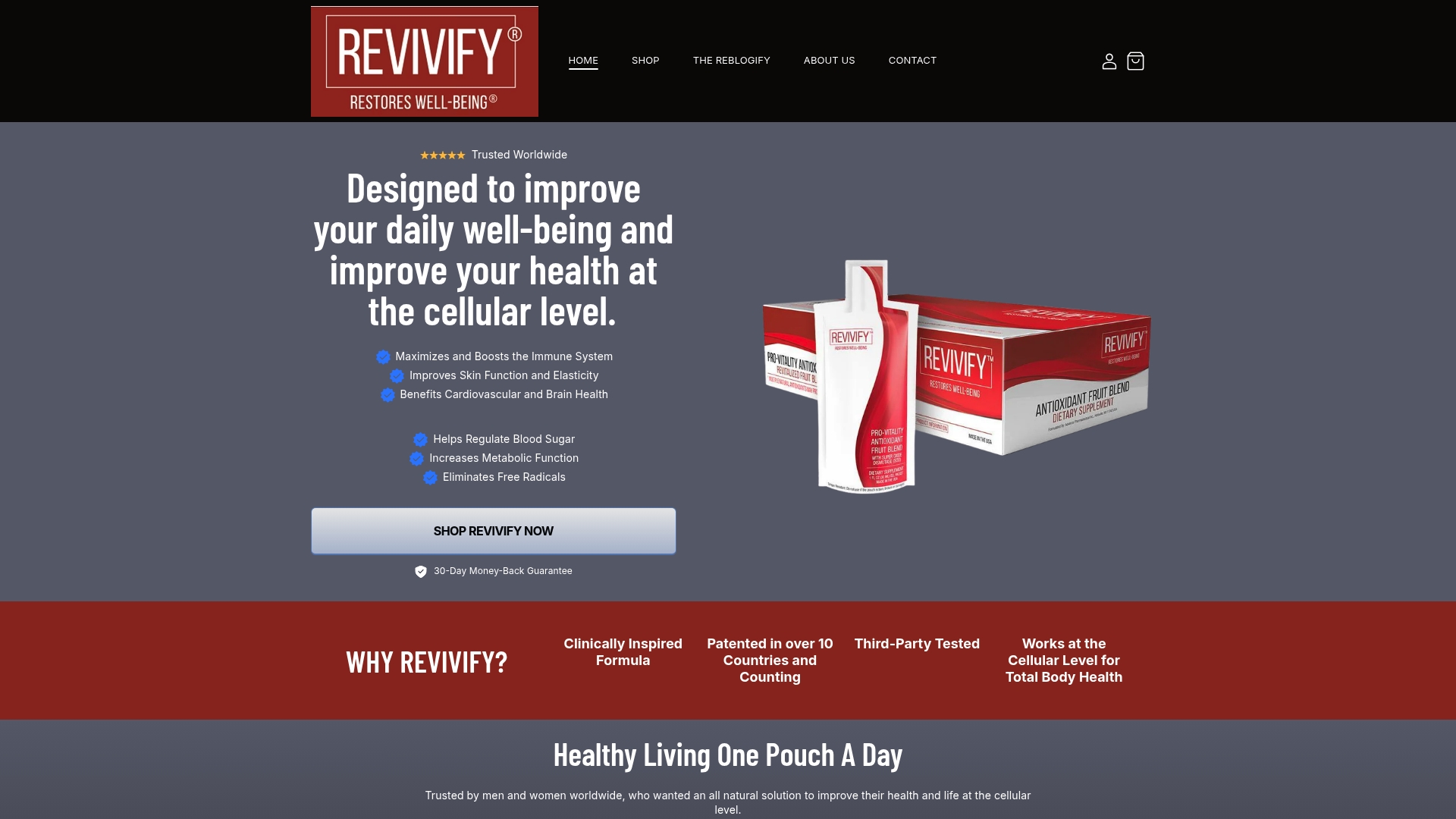
The formula combines superoxide dismutase (SOD), prebiotic fiber, polyphenols, and lactobacillus in a daily gel. SOD targets free radical activity at the cellular level, a process directly linked to oxidative stress and blood sugar dysregulation. The prebiotic fiber feeds beneficial gut bacteria, supporting the microbiome pathways that influence insulin sensitivity. Polyphenols contribute anti-inflammatory activity, and lactobacillus provides a clinically studied probiotic strain. The formula is plant-based, third-party tested, and available with a risk-free guarantee and subscription options.
Revivify is not a diabetes treatment. It is a daily support supplement for adults who want a formula that works across multiple metabolic pathways without requiring a handful of separate capsules. If you are managing blood sugar with diet, exercise, and prescribed therapy and want a tested daily addition, visit the Revivify product page to review the full ingredient list, testing documentation, and purchasing options.
Pro Tip: Track your fasting glucose and any notable symptoms for 4–12 weeks after starting Revivify. That window gives you a real baseline comparison and a clear picture of whether the formula is contributing to your goals.
Authoritative sources and further reading
The sources below are the most useful starting points for evaluating blood sugar supplement claims in the U.S. context.
- NCCIH: Diabetes and Dietary Supplements — The National Center for Complementary and Integrative Health’s primary consumer resource on supplement evidence for diabetes. Covers berberine, cinnamon, chromium, ALA, magnesium, vitamin D, and more with evidence summaries and safety notes. The most authoritative single source for U.S. readers.
- PMC: Magnesium and insulin sensitivity review — Peer-reviewed analysis of magnesium’s role in insulin sensitivity and metabolic risk, indexed by the National Library of Medicine.
- PMC: Berberine and metabolic outcomes — A recent peer-reviewed review of berberine’s effects on glucose, lipids, and insulin resistance, useful for evaluating the quality of the berberine evidence base.
This article provides general health information, not medical advice. Consult your prescribing clinician or a registered dietitian before starting any new supplement, particularly if you take insulin, sulfonylureas, metformin, or other medications that affect blood glucose.