

Types of Chronic Inflammation Causes: What You Need to Know
Chronic inflammation falls into four causal categories: persistent pathogens that the immune system cannot clear, non-degradable irritants that resist breakdown, abnormal immune responses (autoimmune and autoinflammatory), and metabolic or lifestyle-driven inflammation. According to the Cleveland Clinic, this state persists for months to years when the inflammatory response simply fails to switch off. Chronic hepatitis C is the textbook example of pathogen-driven inflammation; silica dust drives irritant-based disease; rheumatoid arthritis and lupus represent autoimmune attack; and obesity-related metabolic syndrome is the most common lifestyle-driven trigger in the United States today. Understanding which category applies to you is the first step toward doing something about it, whether that means removing an exposure, seeing a rheumatologist, or tightening up your diet and cellular-health routine.
- Persistent pathogens: hepatitis C, tuberculosis, chronic osteomyelitis
- Non-degradable irritants: silica dust, asbestos, excess cholesterol crystals
- Abnormal immune responses: rheumatoid arthritis (RA), systemic lupus erythematosus (SLE), multiple sclerosis (MS), gout
- Metabolic/lifestyle-driven: obesity, metabolic syndrome, type 2 diabetes, atherosclerosis
Table of Contents
- What separates chronic inflammation from the acute kind?
- The four mechanisms that drive chronic inflammation causes
- How conditions map to each mechanism
- What’s actually happening inside your cells
- How chronic inflammation commonly presents and how clinicians investigate it
- How the underlying cause shapes treatment and prevention
- What supplements can and cannot do for oxidative stress and inflammation
- Red flags that mean you should see a clinician now
- Key Takeaways
- The part most supplement articles skip
- Tryrevivify supports your cellular health at the root level
- Useful sources
What separates chronic inflammation from the acute kind?
Acute inflammation is your body’s rapid-response team. It shows up within minutes to hours after injury or infection, floods the site with neutrophils, and resolves in days once the threat is cleared. Harvard Health describes acute inflammation as protective, while chronic inflammation is a broken system that turns the immune response against healthy tissue.
Chronic inflammation is sustained immune activation lasting months to years, marked by a shift from neutrophil-dominant to mononuclear-cell-dominant infiltrate (macrophages, lymphocytes, plasma cells), ongoing tissue damage, and attempts at repair through fibrosis and angiogenesis.
Clinicians screen for it using C-reactive protein (CRP) and erythrocyte sedimentation rate (ESR), both non-specific markers that signal immune activity without identifying the cause. A positive result on either test opens a second round of targeted testing, not a diagnosis on its own.
The four mechanisms that drive chronic inflammation causes
Nature Medicine frames chronic inflammation as a primary etiologic driver of major chronic diseases, promoted by social, environmental, and lifestyle exposures. The four mechanisms below explain how that happens at the biological level.
- Persistent pathogens. When a virus, bacterium, or parasite evades clearance, the immune system stays activated indefinitely. Hepatitis C virus, Mycobacterium tuberculosis, and the bacteria behind chronic osteomyelitis are classic examples. The damage comes less from the pathogen itself and more from the sustained immune response trying to contain it.
- Non-degradable irritants. Silica particles, asbestos fibers, and even endogenous irritants like excess cholesterol crystals cannot be digested by macrophages. According to StatPearls, prolonged exposure to these agents drives diseases like silicosis and atherosclerosis by triggering a macrophage response that never resolves.
- Abnormal immune responses. In autoimmune disease, antibodies target the body’s own cells (RA, SLE, MS). In autoinflammatory disease, innate immune chemical mediators fire without autoantibodies, as in gout. The Cleveland Clinic distinguishes these two subtypes because their treatments differ significantly.
- Metabolic and lifestyle-driven inflammation. High visceral fat, a poor diet, physical inactivity, tobacco use, and chronic stress all promote low-grade systemic inflammation that quietly precedes cardiovascular disease, type 2 diabetes, and nonalcoholic fatty liver disease.
Pro Tip: If you have a clear occupational or environmental exposure (dust, chemicals, mold), suspect irritant-driven inflammation first. If your labs show elevated autoantibodies alongside CRP, autoimmune mechanisms move to the top of the list. No clear exposure and a high BMI? Metabolic inflammation is the most likely culprit.
How conditions map to each mechanism

Inflammatory conditions are linked to a substantial portion of worldwide deaths, which makes this mapping more than academic. Many conditions involve more than one mechanism simultaneously — metabolic dysfunction, for instance, can worsen autoimmune flares by amplifying cytokine output.
| Mechanism | Representative Conditions |
|---|---|
| Persistent pathogens | Chronic hepatitis C, chronic osteomyelitis, tuberculosis |
| Non-degradable irritants | Silicosis, asbestosis, atherosclerosis |
| Autoimmune / autoinflammatory | Rheumatoid arthritis, SLE, multiple sclerosis, gout |
| Metabolic / lifestyle-driven | Type 2 diabetes, MASH (metabolic-associated steatohepatitis), metabolic syndrome |
Treatment logic follows directly from this table. Irritant-driven disease requires removing the exposure first. Chronic infections need targeted antimicrobial or antiviral therapy. Autoimmune and autoinflammatory conditions call for immunomodulation or immunosuppression. Metabolic inflammation responds best to lifestyle restructuring, weight reduction, and, where appropriate, targeted supplementation.
What’s actually happening inside your cells
At the cellular level, chronic inflammation is sustained by a continuous loop of signaling molecules. Cytokines including IL-1, TNF-alpha, and IL-6 keep macrophages and lymphocytes activated, which in turn produce more cytokines. According to NCBI’s pathology reference, this mononuclear-cell dominance drives fibrosis, angiogenesis, and, in some cases, granuloma formation — the body’s attempt to wall off agents it cannot destroy, such as silica or M. tuberculosis.
- Fibrosis: Persistent macrophage activation releases fibrogenic growth factors, replacing functional tissue with scar tissue (cirrhosis in chronic hepatitis, pulmonary fibrosis in silicosis).
- Granulomas: Aggregates of epithelioid macrophages and giant cells that form around indigestible agents; a hallmark of tuberculosis and sarcoidosis.
- Oxidative stress: Chronically activated immune cells generate excess reactive oxygen species (ROS). This oxidative burden damages mitochondria, which then signal further inflammation, creating a self-reinforcing cycle.
The oxidative stress loop is precisely why combating oxidative stress is central to cellular-health strategies. When mitochondria are overwhelmed by ROS, they cannot produce energy efficiently, and the resulting dysfunction feeds back into inflammatory signaling.
Chronic inflammation linked to infections, inactivity, poor diet, environmental toxicants, and psychological stress contributes to cardiovascular disease, diabetes, nonalcoholic fatty liver disease, and neurodegenerative disorders across the life span. (Nature Medicine, 2019)
How chronic inflammation commonly presents and how clinicians investigate it
Fatigue that does not improve with rest, low-grade fever, joint pain or stiffness, unexplained weight changes, and recurring GI symptoms are the most common presentations. None of these is specific to inflammation alone, which is why clinicians use a stepwise approach.
- History and exposure review. Occupational exposures, travel history, family history of autoimmune disease, and current medications all narrow the differential.
- CRP and ESR. Elevated levels confirm systemic immune activity but cannot identify the cause. CRP and ESR are starting points, not endpoints.
- Targeted serologies. Antinuclear antibody (ANA), rheumatoid factor (RF), and anti-CCP panels point toward autoimmune causes; cultures and PCR panels target infectious ones.
- Imaging. X-ray, MRI, or CT can reveal joint erosions, organ involvement, or granulomatous lesions.
- Specialist referral. Rheumatology for suspected autoimmune disease; infectious disease for unresolved infections; pulmonology for occupational lung disease.
How the underlying cause shapes treatment and prevention
Treatment must be tailored to cause: remove toxins for exposure-driven cases, treat infections directly, and use immunosuppressants for autoimmune-driven inflammation. Lifestyle changes are central when the driver is metabolic.
- Diet: Reduce refined carbohydrates and trans fats; emphasize fiber, polyphenols (berries, olive oil, green tea), and omega-3-rich foods.
- Physical activity: Regular moderate exercise reduces visceral fat and lowers circulating inflammatory cytokines.
- Sleep and stress: Chronic sleep deprivation and psychological stress independently elevate CRP; seven to nine hours of sleep and stress-reduction practices are non-negotiable.
- Smoking and alcohol cessation: Both are direct chronic inflammation triggers that amplify cytokine production.
- Weight reduction: Weight reduction measurably reduces visceral adiposity and inflammatory markers in metabolic-driven cases.
Pro Tip: Sequence matters. Address any known toxin or pathogen exposure before adding supplements or metabolic strategies. Layering antioxidant support onto an unresolved infection or an undiagnosed autoimmune condition will not resolve the root cause.
What supplements can and cannot do for oxidative stress and inflammation
Supplements are an adjunct, not a treatment. They cannot clear a chronic infection, remove silica from lung tissue, or suppress an autoimmune attack. What they can do, with varying levels of evidence, is support antioxidant defenses and reduce the oxidative burden that perpetuates inflammatory signaling.
Supplements with the strongest human data for antioxidant and anti-inflammatory support include long-chain omega-3 fatty acids (EPA and DHA) and certain polyphenols. Superoxide dismutase (SOD), the body’s primary intracellular antioxidant enzyme, is an active area of research for cellular-level oxidative stress reduction.
- Omega-3 fatty acids (EPA/DHA): Multiple randomized trials support modest reductions in CRP and IL-6 at doses of 2–4 g/day. Drug-interaction note: anticoagulant users should consult a clinician before high-dose use.
- Polyphenols (curcumin, quercetin, resveratrol): Promising in vitro and some human data; bioavailability varies widely by formulation. Look for standardized extracts with stated milligram doses.
- Superoxide dismutase (SOD): The body’s front-line enzyme against superoxide radicals. Oral bioavailability depends heavily on delivery format; clinically studied encapsulated or plant-derived forms show better absorption than unprotected powder.
- Prebiotic fiber: Supports gut microbiome diversity, which influences systemic inflammatory tone. Dietary fiber is one of the most evidence-supported dietary levers for reducing gut-driven inflammation.
Always check for interactions if you take immunosuppressants, anticoagulants, or corticosteroids, and disclose all supplements to your clinician.
Red flags that mean you should see a clinician now
Persistent fatigue and mild joint stiffness can wait for a scheduled appointment. These cannot:
- High, unexplained fever lasting more than a week.
- Rapid, unintentional weight loss (more than 5% of body weight in one to two months).
- Progressive neurological symptoms: numbness, weakness, vision changes.
- Severe joint swelling, warmth, or loss of function that worsens despite rest.
- Symptoms worsening despite four or more weeks of consistent lifestyle changes.
When you go, bring a written list of all supplements and medications, your occupational and travel history, and any prior lab results. Ask specifically for CRP and ESR, and request a referral to rheumatology or infectious disease if the cause remains unclear after initial labs. Sharing your supplement use is especially important: some antioxidants can interfere with immunosuppressant efficacy or mask inflammatory markers.
This article is general health information, not medical advice. Confirm your specific situation with a qualified clinician or primary care provider.
Key Takeaways
Chronic inflammation is driven by four distinct mechanisms, and identifying which one applies to you determines every meaningful next step.
| Point | Details |
|---|---|
| Four causal mechanisms | Persistent pathogens, non-degradable irritants, abnormal immune responses, and metabolic/lifestyle drivers each require a different treatment approach. |
| Cause determines treatment | Remove the toxin or irritant, treat the infection, use immunomodulation for autoimmunity, or prioritize lifestyle change for metabolic inflammation. |
| Oxidative stress perpetuates the cycle | Excess reactive oxygen species from chronically activated immune cells damage mitochondria and sustain inflammatory signaling. |
| Lifestyle steps with the strongest evidence | Fiber-rich diet, regular exercise, adequate sleep, smoking cessation, and weight reduction measurably reduce inflammatory markers. |
| Tryrevivify’s role | Tryrevivify combines superoxide dismutase and prebiotic fiber to support antioxidant defenses and cellular health as an adjunct to lifestyle and medical care. |
The part most supplement articles skip
Most content on chronic inflammation either oversimplifies it into a single “inflammation is bad” narrative or swings to the opposite extreme and implies that the right supplement stack can fix it. Neither framing serves you well.
The mechanism matters. A person with silicosis needs to stop the exposure; no antioxidant will undo fibrotic lung tissue already laid down. A person with RA needs disease-modifying therapy; polyphenols are not a substitute for methotrexate or a biologic. But for the large and growing population whose inflammation is metabolic and lifestyle-driven, the cellular-health angle is genuinely relevant. Oxidative stress is a real driver of that low-grade, persistent inflammatory state, and supporting the body’s own antioxidant systems, particularly SOD, alongside dietary fiber for gut health, is a reasonable, evidence-grounded adjunct to the lifestyle changes that do the heavy lifting.
The honest position is this: supplements work best when the root cause is already being addressed. They are not a shortcut; but for metabolic and lifestyle-driven inflammation, they are a legitimate part of a layered strategy.
Tryrevivify supports your cellular health at the root level
If your inflammation is metabolic or lifestyle-driven, and you are already working on diet, sleep, and exercise, Tryrevivify offers a targeted next layer. Its patented formula pairs superoxide dismutase, the body’s primary intracellular defense against superoxide radicals, with prebiotic fiber to support both antioxidant capacity and gut microbiome health simultaneously. That combination addresses two of the most documented cellular-level drivers of persistent, low-grade inflammation.
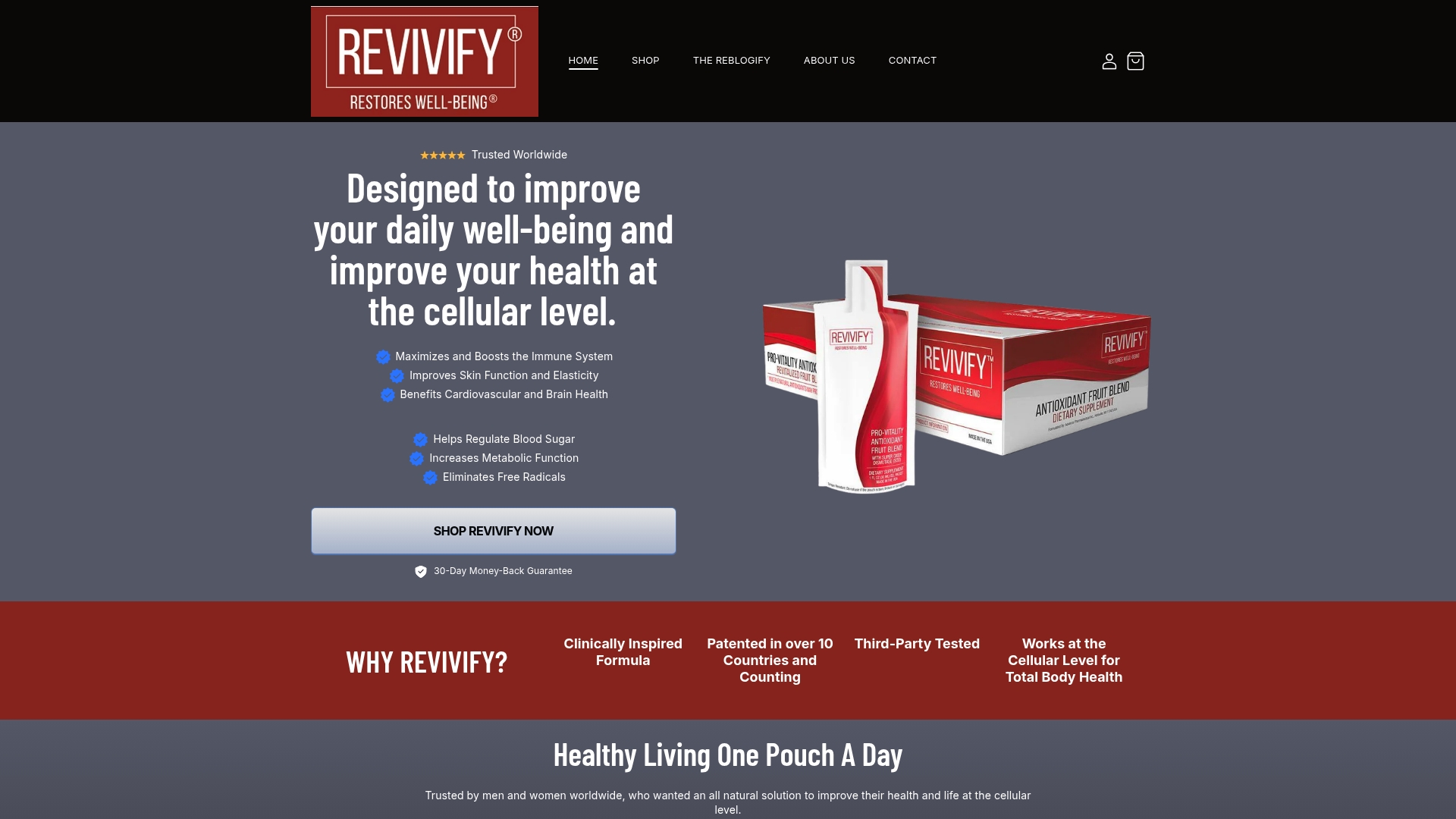
Tryrevivify is not a treatment for autoimmune disease, chronic infection, or occupational lung disease. If you take immunosuppressants or anticoagulants, consult your clinician before adding any supplement. For everyone else working to reduce oxidative burden and support cellular resilience as part of a broader lifestyle strategy, visit Tryrevivify to learn how the formula works and whether it fits your routine.
Useful sources
- Cleveland Clinic: What Is Inflammation? — Primary reference for the four causal mechanisms and lifestyle risk factors.
- Harvard Health: Inflammation Causes, Effects, Treatment — Authoritative explanation of acute vs. chronic inflammation and tissue damage.
- Nature Medicine: Chronic Inflammation in the Etiology of Disease — Peer-reviewed perspective linking lifestyle exposures to systemic chronic disease.
- NCBI StatPearls: Pathology, Inflammation — Textbook-level histology of chronic inflammation, cell types, fibrosis, and granulomas.
- Ohio State Health: What Causes Chronic Inflammation — Clinical guidance on CRP/ESR testing and cause-specific treatment.
- StatPearls: Pathology, Inflammation (NBK534820) — Evidence base for irritant-driven inflammation including silica and cholesterol crystals.
- Pfizer: Inflammatory Diseases and Conditions — High-level overview of inflammatory disease burden and dietary risk factors.
- NCI: Risk Factors — Chronic Inflammation — National Cancer Institute overview of how chronic inflammation can drive DNA damage and cancer risk.