

What Is Low Grade Chronic Inflammation?
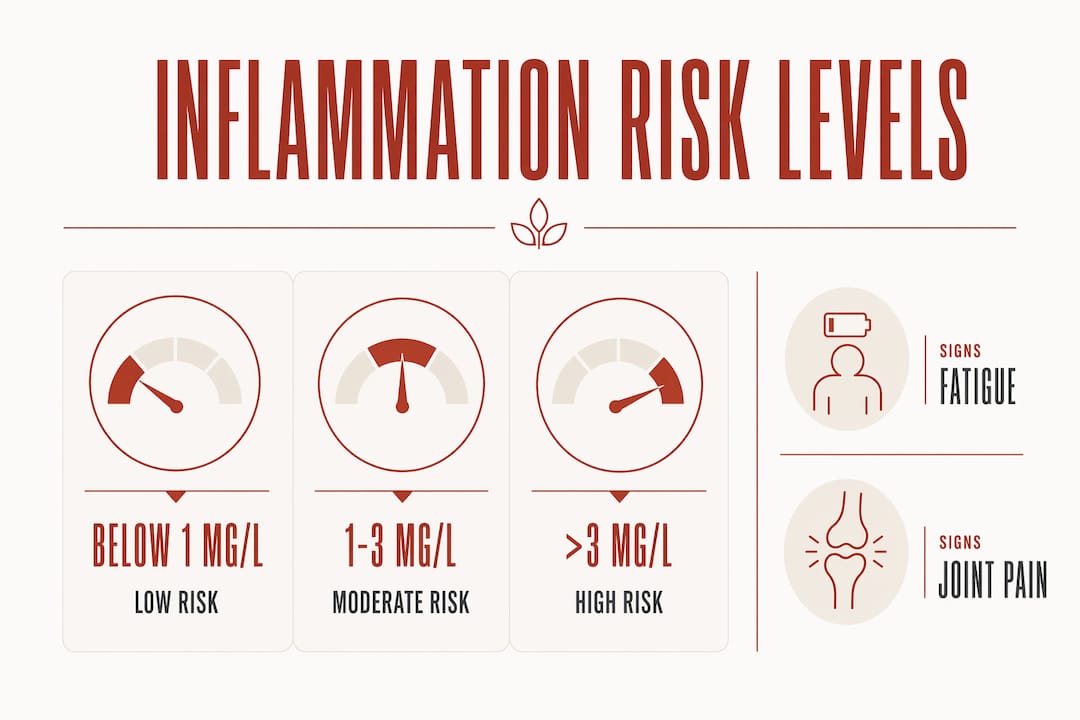
Low-grade chronic inflammation is defined as a persistent, low-intensity activation of the immune system that causes ongoing tissue damage without the obvious signs of acute illness. Unlike the redness and swelling you see after a cut, this condition operates silently for months or years. Clinicians measure it using high-sensitivity C-reactive protein (hs-CRP), a blood marker where levels between 1 and 3 mg/L signal moderate cardiovascular risk, and readings above 3 mg/L signal high risk. That single number carries serious weight. Research links this persistent immune activation to cardiovascular disease, type 2 diabetes, cancer, and neurodegenerative diseases, making it one of the most consequential health patterns you can track.
What is low grade chronic inflammation and what causes it?
Chronic low-grade inflammation starts when the immune system fails to shut off after a threat has passed. Acute inflammation is a vital healing process, but chronic inflammation arises when that same process keeps running without a clear target. Think of it like a car alarm that never stops. The alarm was useful once, but now it just drains the battery.
The primary drivers of this condition include a cluster of lifestyle and metabolic factors that most people encounter daily:
- Chronic stress: Elevated cortisol disrupts immune regulation, keeping inflammatory signals active.
- Poor sleep: Less than seven hours per night raises inflammatory markers measurably.
- Ultra-processed foods: Refined sugars, seed oils, and food additives trigger immune responses in the gut lining.
- Physical inactivity: Sedentary behavior reduces the body’s natural anti-inflammatory mechanisms.
- Excess body fat: Adipose tissue, especially visceral fat around the organs, actively secretes pro-inflammatory compounds called cytokines.
Oxidative stress plays a central role in this cycle. Free radicals, which are unstable molecules produced by metabolism and environmental exposure, damage cell membranes and DNA. That cellular damage signals the immune system to respond, and when free radical production outpaces the body’s antioxidant defenses, the inflammatory response never fully resolves. Learning how to combat oxidative stress is one of the most direct ways to interrupt this feedback loop.
Pro Tip: If you eat a diet heavy in packaged snacks, fast food, or sugary drinks, your gut microbiome is likely generating inflammatory signals around the clock. Replacing just one processed meal per day with whole foods can begin to shift that balance.

How is low grade inflammation detected and what are its signs?
Detection is the central challenge with this condition. Many people with chronic low-grade inflammation have no obvious symptoms. It progresses silently, causing tissue damage long before a person feels anything specific.
The hs-CRP blood test is the primary clinical tool for detection. The table below shows how clinicians interpret results:
| hs-CRP Level | Risk Category |
|---|---|
| Below 1 mg/L | Low risk |
| 1–3 mg/L | Moderate cardiovascular risk |
| Above 3 mg/L | High cardiovascular risk |
One test result is rarely enough. Repeated hs-CRP testing is essential because a single elevated reading can result from a recent infection, intense exercise, or another transient event. Clinicians look for consistently elevated levels across multiple readings before drawing conclusions.
When symptoms do appear, they tend to be subtle and easy to dismiss:
- Persistent fatigue that sleep does not fix
- Joint stiffness, especially in the morning
- Digestive discomfort, bloating, or irregular bowel habits
- Skin flare-ups like eczema or unexplained rashes
- Mood changes, brain fog, or difficulty concentrating
Clinicians treat this as a clinical pattern rather than a single disease. They look for clusters of these signs alongside elevated blood markers, not a single definitive indicator.
Pro Tip: Ask your doctor for an hs-CRP test at your next annual physical, especially if you have risk factors like obesity, a sedentary lifestyle, or a family history of heart disease. Most standard panels do not include it automatically.
What health conditions are linked to chronic low-grade inflammation?
Persistent low-level immune activation does not stay contained. Over time, it contributes to tissue damage across multiple organ systems, raising the risk for serious chronic diseases.
Chronic inflammation increases risk for the following conditions:
- Cardiovascular disease: Inflammatory signals damage arterial walls and promote plaque buildup, the direct precursor to heart attacks and strokes.
- Type 2 diabetes: Inflammation impairs insulin signaling in cells, reducing the body’s ability to regulate blood sugar.
- Cancer: Pro-inflammatory environments create conditions that allow abnormal cells to survive and replicate.
- Alzheimer’s disease: Neuroinflammation accelerates the accumulation of amyloid plaques linked to cognitive decline.
- Autoimmune disorders: Persistent immune activation can cause the immune system to begin attacking healthy tissue.
The concept of inflammaging explains why this matters so much for long-term health. Chronic low-level inflammation accelerates biological aging through senescent cells, sometimes called “zombie cells,” that no longer function properly but continue secreting inflammatory signals. Those signals damage neighboring healthy cells, creating a self-perpetuating cycle that speeds up disease processes across the body.
Understanding what triggers chronic inflammation at the cellular level helps explain why this condition is so hard to reverse without deliberate lifestyle change. The damage accumulates quietly, and by the time most people receive a diagnosis for a related condition, the inflammatory process has been running for years.
How can you reduce chronic low-grade inflammation through lifestyle changes?
Reducing persistent inflammation requires addressing its root causes, not just lowering a blood marker. Experts recommend identifying and addressing specific underlying causes rather than treating inflammation as an isolated problem.
The most effective approach combines several evidence-based strategies:
-
Adopt an anti-inflammatory diet. A diet rich in whole grains, fruits, vegetables, beans, nuts, and omega-3 fatty acids measurably reduces inflammatory markers. Fatty fish like salmon, walnuts, and flaxseed are particularly effective omega-3 sources. Dietary fiber also feeds beneficial gut bacteria that produce short-chain fatty acids, which actively suppress inflammation. Research on fiber and gut inflammation confirms this connection.
-
Prioritize sleep. Seven to nine hours per night allows the body to clear inflammatory byproducts and reset immune regulation. Chronic sleep deprivation is one of the fastest ways to elevate hs-CRP.
-
Move consistently. Moderate exercise, such as 30 minutes of brisk walking five days per week, activates anti-inflammatory pathways. Intense, prolonged exercise without recovery can temporarily raise inflammation, so balance matters.
-
Manage stress actively. Practices like mindfulness meditation, deep breathing, and time in nature reduce cortisol and lower inflammatory signaling. Even 10 minutes of daily breathwork produces measurable effects over weeks.
-
Reduce ultra-processed food intake. Eliminating or sharply reducing refined sugars, trans fats, and artificial additives removes a major source of gut-driven immune activation.
-
Manage body weight. Losing even a modest amount of visceral fat reduces cytokine output from adipose tissue, producing a direct drop in systemic inflammation.
Emerging adjunct therapies also show promise. Hyperbaric oxygen therapy works by flooding tissues with oxygen under pressure, which can suppress inflammatory pathways and support cellular repair. Light therapy devices use specific wavelengths to reduce localized and systemic inflammation, particularly in people with chronic pain or skin conditions.
Pro Tip: Do not try to change everything at once. Pick one category, diet, sleep, or stress, and build a consistent habit for four weeks before adding another. Sustainable change reduces inflammation more effectively than short-term overhauls.
Key Takeaways
Low-grade chronic inflammation is a silent, measurable immune process that drives major chronic diseases and accelerates aging, making early detection and lifestyle intervention the most effective defense.
| Point | Details |
|---|---|
| Definition and measurement | Persistent low-level immune activation measured by hs-CRP, with levels above 1 mg/L indicating elevated risk. |
| Silent progression | Most people have no obvious symptoms; proactive blood testing is the only reliable early detection method. |
| Disease connection | Linked to cardiovascular disease, type 2 diabetes, cancer, Alzheimer’s disease, and autoimmune disorders. |
| Inflammaging | Senescent “zombie” cells perpetuate inflammatory signals, accelerating cellular aging and tissue damage. |
| Lifestyle intervention | Diet, sleep, exercise, and stress management address root causes and produce measurable reductions in inflammation. |
The silent threat most people never test for
I’ve spent years reading the research on chronic disease, and the pattern that surprises people most is this: the conditions they fear most, heart disease, dementia, cancer, rarely appear without warning. The warning just happens to be invisible without the right test.
Most people I talk to have never had an hs-CRP test. They get cholesterol panels, blood pressure readings, and blood sugar checks. But they skip the one marker that ties all of those risks together. That is not a failure of medicine. It is a failure of awareness.
The other misconception I see constantly is that inflammation is something you feel. People assume that if they feel fine, they are fine. But low-grade chronic inflammation is specifically defined by its lack of obvious symptoms. You can have elevated hs-CRP for a decade and feel perfectly normal while arterial plaque accumulates and insulin sensitivity declines.
My view is that inflammation should be treated as a primary health marker, not a secondary concern. Request the test. Track the number over time. Then use the result as motivation to make the lifestyle changes that actually move it. Understanding this is not just reassuring. It is the first step toward doing something about it.
— Larry
How Tryrevivify supports cellular health and inflammation management
Lifestyle changes form the foundation of any inflammation management plan. Targeted supplementation can support that foundation at the cellular level.

Tryrevivify combines superoxide dismutase (SOD) and prebiotic fiber in a patented daily formula designed to fight free radicals and reduce oxidation throughout the body. SOD is the body’s primary antioxidant enzyme, neutralizing the superoxide radicals that drive oxidative stress and fuel persistent inflammation. The prebiotic fiber component supports gut microbiome health, which directly influences systemic inflammatory signaling. If you are working to reduce chronic inflammation through diet and lifestyle, a 30-day supply of Tryrevivify offers a science-backed complement to those efforts. You can learn more about the full formula at Tryrevivify’s website.
FAQ
What is low grade chronic inflammation in simple terms?
Low-grade chronic inflammation is a persistent, low-level immune response that continues without a clear threat, silently damaging tissues over time. It differs from acute inflammation, which resolves quickly after injury or infection.
What are the most common signs of low grade inflammation?
The most common signs include persistent fatigue, joint stiffness, digestive issues, skin problems, and mood changes or brain fog. Many people have no noticeable symptoms at all, which is why blood testing is critical.
How do doctors test for chronic low-grade inflammation?
Doctors use the hs-CRP blood test, with levels of 1–3 mg/L indicating moderate risk and levels above 3 mg/L indicating high cardiovascular risk. Repeated testing is required to confirm a chronic pattern rather than a temporary spike.
Is chronic inflammation harmful even without symptoms?
Yes. Chronic inflammation causes cumulative tissue damage and raises the risk for heart disease, type 2 diabetes, cancer, and neurodegenerative diseases, even when no symptoms are present.
What is the fastest way to reduce chronic inflammation?
Eliminating ultra-processed foods and improving sleep quality produce the most rapid measurable reductions in inflammatory markers. Combining these with regular moderate exercise and stress management delivers lasting results.