

What Is Oxidative Inflammatory Damage to Your Cells
Oxidative inflammatory damage is defined as the cellular harm that occurs when reactive oxygen species (ROS) production overwhelms the body’s antioxidant defenses, causing breakdown of proteins, lipids, and DNA. The scientific term for this process is oxidative stress, and when it fuses with a chronic inflammatory response, the result is a self-reinforcing cycle that accelerates disease and aging. Recognized biomarkers like malondialdehyde (MDA) and 8-hydroxydeoxyguanosine (8-OHdG) now give clinicians a measurable window into this damage. Conditions including cardiovascular disease, type 2 diabetes, neurodegeneration, and cancer all share oxidative inflammatory damage as a common driver. Understanding this mechanism is the first step toward doing something about it.
What is oxidative inflammatory damage and what causes it?
Oxidative inflammatory damage occurs when ROS production exceeds the body’s antioxidant capacity, leaving proteins, lipids, and DNA exposed to molecular attack. ROS are chemically reactive molecules that include superoxide radicals, hydrogen peroxide, and hydroxyl radicals. Your cells generate them constantly as byproducts of normal metabolism, particularly in the mitochondria during energy production.
The immune system adds a second, more aggressive source. When macrophages and neutrophils detect infection or injury, they deliberately release large bursts of ROS to destroy pathogens. This is a healthy, necessary response. The problem begins when immune cells release ROS in amounts that inadvertently damage surrounding healthy tissue, sustaining a cycle of oxidative stress and inflammation that never fully resolves.
Pro-inflammatory cytokines like TNF-alpha and interleukin-6 activate the NF-kB signaling pathway, which in turn drives more ROS production. That feedback loop is what separates acute, helpful inflammation from the chronic, damaging kind. Think of it as a fire alarm that gets stuck in the “on” position, triggering a response long after the original threat is gone.
Key sources of ROS that feed this cycle include:
- Mitochondrial respiration: Normal energy production leaks small amounts of superoxide as a byproduct.
- Immune cell activation: Macrophages and neutrophils release ROS as part of pathogen defense.
- Environmental exposures: Cigarette smoke, air pollution, ultraviolet radiation, and industrial chemicals all introduce exogenous ROS.
- Chronic psychological stress: Elevated cortisol disrupts antioxidant enzyme activity, lowering your cellular defenses.
- High-sugar diets: Hyperglycemia drives ROS production through advanced glycation end products and mitochondrial overload.
Pro Tip: If you want to understand your personal oxidative load, ask your doctor about urinary 8-OHdG testing. It is one of the most specific markers of DNA oxidation available in clinical practice.
How is oxidative inflammatory damage measured?
Direct measurement of ROS is not clinically feasible. ROS have extremely short half-lives, often measured in microseconds, so they disappear before any test can capture them. Instead, clinicians measure stable downstream biomarkers like MDA and 8-OHdG, which are the lasting chemical fingerprints ROS leave behind.
The table below summarizes the three most widely used oxidative damage biomarkers and what each one tells you.
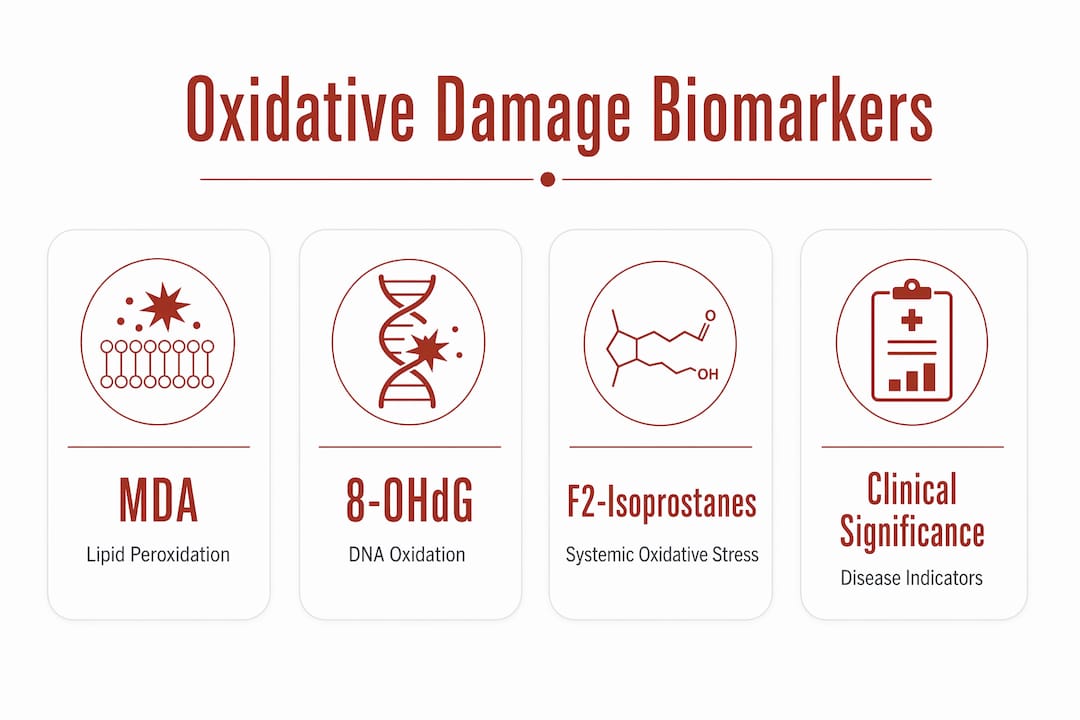
| Biomarker | What it measures | Clinical significance |
|---|---|---|
| Malondialdehyde (MDA) | Lipid peroxidation in cell membranes | Elevated levels correlate with endothelial dysfunction in hypertension |
| Urinary 8-OHdG | Oxidative DNA damage | Predicts progression of diabetic nephropathy |
| F2-isoprostanes | Systemic lipid oxidation burden | Considered the most specific marker of in vivo oxidative stress |
Elevated MDA correlates with endothelial dysfunction in hypertension, while urinary 8-OHdG predicts diabetic nephropathy progression. That predictive power makes these biomarkers genuinely useful, not just academic curiosities. They give clinicians a way to track whether an intervention is actually reducing cellular damage over time.
One important limitation: assay variability across laboratories remains a real problem. Standardized testing protocols are still being developed, which means a result from one lab may not be directly comparable to a result from another. Biomarker-guided decisions work best when you use the same testing method consistently over time.
Pro Tip: F2-isoprostanes measured in urine or plasma are widely regarded as the gold standard for assessing systemic oxidative burden because they are chemically stable and not affected by diet in the way some other markers are.
What diseases are linked to oxidative inflammatory damage?
Oxidative inflammatory damage does not cause one disease. It contributes to nearly every major chronic condition through shared molecular pathways. Excessive ROS disrupt normal cellular signaling, triggering genomic instability, epigenetic changes, and lipid peroxidation, all of which activate inflammatory transcription factors like NF-kB and MAPKs.
The cardiovascular system is particularly vulnerable. Oxidative stress triggers NF-kB pathways that enhance inflammatory responses and promote fibrosis in blood vessels, leading to endothelial dysfunction, arterial stiffness, and hypertension. Oxidized LDL cholesterol, a direct product of lipid peroxidation, is a primary driver of atherosclerotic plaque formation.
Diabetes creates a particularly vicious cycle. Hyperglycemia-induced ROS production alters redox-sensitive pathways, increasing insulin resistance and raising the risk of diabetic nephropathy. High blood sugar feeds ROS generation, which worsens insulin signaling, which raises blood sugar further. You can read more about how this plays out in oxidative stress in diabetes.
The full list of conditions with strong links to oxidative inflammatory damage includes:
- Cardiovascular disease: Endothelial dysfunction, atherosclerosis, and hypertension driven by lipid peroxidation and NF-kB activation.
- Type 2 diabetes: Hyperglycemia amplifies ROS, worsening insulin resistance and kidney complications.
- Neurodegenerative diseases: Alzheimer’s and Parkinson’s disease both show elevated oxidative damage markers in brain tissue.
- Cancer: Genomic instability from ROS-induced DNA damage is a recognized step in tumor initiation and progression.
- Musculoskeletal disorders: Oxidative stress accelerates cartilage degradation in osteoarthritis.
- Skin aging: Lipid peroxidation and collagen cross-linking from UV-induced ROS cause visible aging and increase skin cancer risk.
The Nrf2 pathway deserves special mention here. Nrf2 is a transcription factor that activates the body’s own antioxidant enzyme production, including superoxide dismutase (SOD) and glutathione peroxidase. When chronic oxidative stress overwhelms Nrf2 signaling, the body loses its ability to self-correct, and damage accumulates faster than repair can keep up.
What strategies help manage oxidative inflammatory damage?
Managing oxidative inflammatory damage is not as simple as taking a high-dose antioxidant supplement. High-dose, non-specific antioxidant supplements show inconsistent outcomes in humans and can interfere with physiological redox signaling, sometimes causing adverse effects. The reason is counterintuitive but important: your body needs some ROS for normal cell signaling. Wiping them out indiscriminately disrupts that communication.
The more effective approach focuses on preserving localized extracellular redox balance rather than globally suppressing ROS. This means supporting your body’s own antioxidant machinery rather than flooding the system with exogenous antioxidants. Here is what the evidence supports:
- Eat a polyphenol-rich diet. Foods like blueberries, green tea, dark chocolate, and extra-virgin olive oil supply polyphenols that activate Nrf2 and support endogenous antioxidant enzyme production. This is fundamentally different from taking isolated antioxidant pills.
- Exercise regularly, but not excessively. Moderate aerobic exercise activates Nrf2 and increases SOD activity. Extreme overtraining without adequate recovery can temporarily spike ROS beyond what the body can buffer.
- Reduce environmental toxin exposure. Cigarette smoke, processed foods, and chronic alcohol use all introduce exogenous ROS. Reducing these inputs lowers the baseline oxidative load your body has to manage.
- Manage chronic psychological stress. Sustained cortisol elevation suppresses antioxidant enzyme activity. Practices like sleep hygiene, mindfulness, and social connection have measurable effects on inflammatory markers.
- Consider biomarker-guided supplementation. Personalized, biomarker-guided approaches outperform generic antioxidant use. Knowing your MDA or 8-OHdG levels before and after an intervention tells you whether it is actually working. You can also explore how to combat oxidative stress through targeted lifestyle and supplement strategies.
Pro Tip: Superoxide dismutase (SOD) is the body’s first-line antioxidant enzyme, acting like the first runner in a relay team. Supporting SOD activity, rather than bypassing it with high-dose vitamin C or E, keeps your body’s natural defense system intact and functional.
For readers interested in how personalized treatment approaches are reshaping antioxidant therapy, precision redox medicine is an active and promising area of clinical research in 2026.
Key Takeaways
Oxidative inflammatory damage is the result of ROS overwhelming antioxidant defenses, and managing it requires supporting the body’s own redox systems rather than suppressing ROS entirely.
| Point | Details |
|---|---|
| Core definition | Oxidative inflammatory damage occurs when ROS exceed antioxidant capacity, harming proteins, lipids, and DNA. |
| Biomarker monitoring | MDA and urinary 8-OHdG are the standard clinical proxies for measuring oxidative damage. |
| Disease connection | Cardiovascular disease, diabetes, neurodegeneration, and cancer all share oxidative inflammatory damage as a driver. |
| Supplement caution | High-dose, non-specific antioxidants can disrupt healthy redox signaling and produce inconsistent results. |
| Best management strategy | Biomarker-guided, targeted approaches combined with diet, exercise, and stress reduction outperform generic supplementation. |
Why I think we’ve been thinking about antioxidants all wrong
Most people hear “oxidative damage” and immediately think: take more antioxidants. I understand the logic. If ROS cause harm, neutralize them. But after spending years reading the research in this space, I am convinced that framing is too blunt to be useful.
ROS are not purely villains. They are essential signaling molecules. Your immune cells use them deliberately. Your muscles need them to adapt to exercise. The real problem is not ROS themselves but the loss of spatial and temporal control over where and when they appear. A burst of ROS in the right place at the right time is biology working correctly. A sustained flood of ROS throughout your tissues is disease in progress.
That distinction matters enormously for how you approach management. Flooding your system with high-dose vitamin E or beta-carotene does not restore redox control. In some clinical trials, it has made outcomes worse. What actually works is supporting your body’s own antioxidant enzyme systems, reducing the inputs that generate excess ROS, and using biomarkers to know whether your approach is working.
The future of this field is precision redox medicine: testing your specific oxidative burden, identifying your specific sources of excess ROS, and targeting those sources directly. That is a more demanding approach than buying a generic supplement, but it is the one the science actually supports. The encouraging part is that the foundational tools, diet, exercise, stress management, and targeted cellular support, are available to everyone right now.
— Larry
Tryrevivify and cellular antioxidant support
Oxidative inflammatory damage operates at the cellular level, which is exactly where Tryrevivify’s REVIVIFY® formula is designed to work.
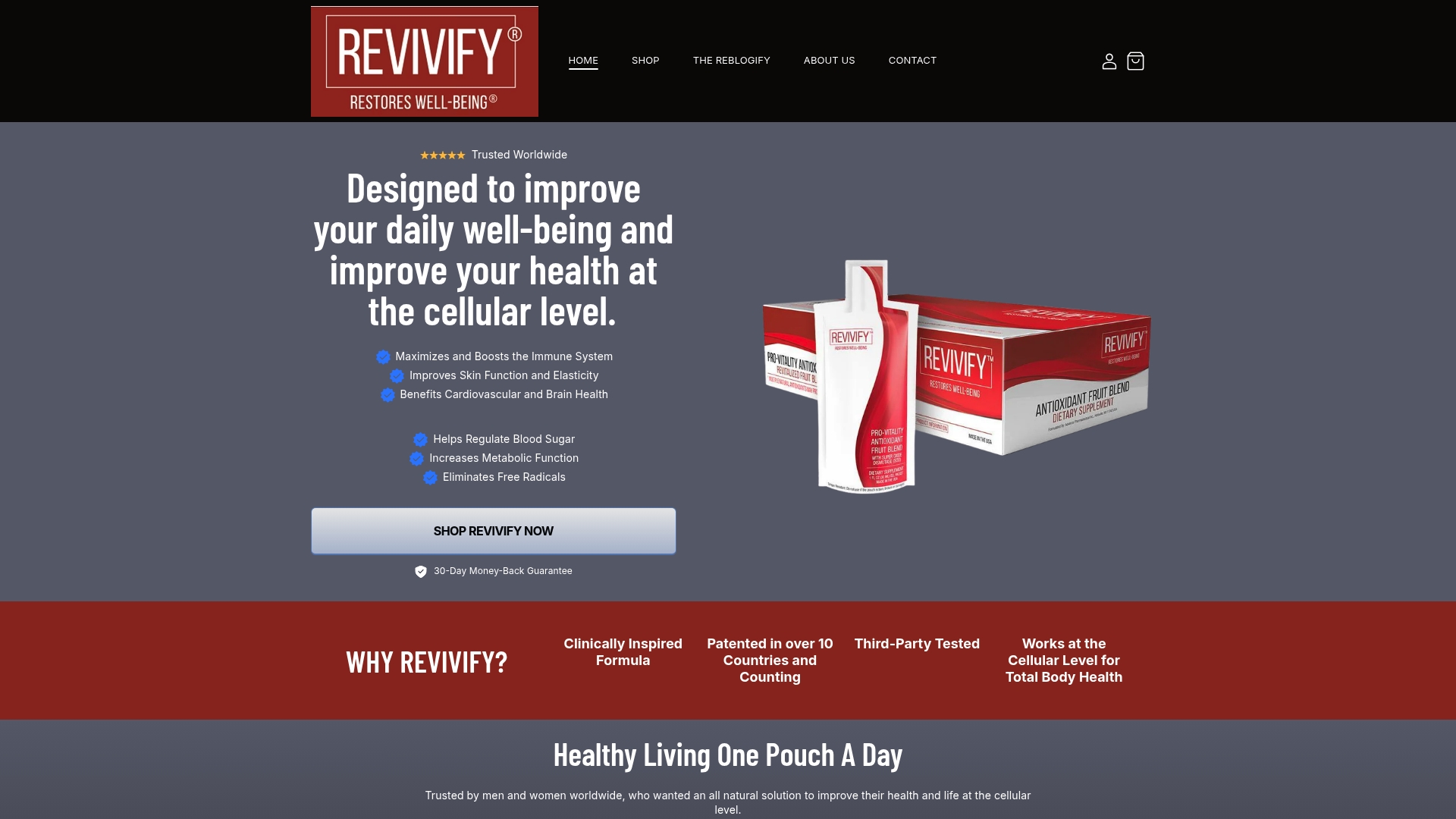
REVIVIFY® 30-Day Supply combines superoxide dismutase (SOD), the body’s primary antioxidant enzyme, with prebiotic fiber in a patented formula. SOD acts as the first line of defense against superoxide radicals, the most common ROS produced during cellular metabolism. Rather than bypassing your body’s natural systems, Tryrevivify works to reinforce them at the source. If you are looking for a targeted, cellular-level approach to managing oxidative stress, REVIVIFY® is a logical place to start.
FAQ
What is oxidative inflammatory damage in simple terms?
Oxidative inflammatory damage is what happens when your body produces more reactive oxygen species than its antioxidant defenses can neutralize, causing molecular harm to cells and triggering persistent inflammation. The result is accelerated tissue damage and increased risk for chronic diseases.
What are the main oxidative damage biomarkers?
The three most clinically useful oxidative damage biomarkers are malondialdehyde (MDA) for lipid peroxidation, urinary 8-OHdG for DNA damage, and F2-isoprostanes for systemic oxidative burden. These stable markers serve as proxies for the short-lived ROS that cannot be measured directly.
How does oxidative stress cause inflammation?
Oxidative stress activates the NF-kB signaling pathway, which drives production of pro-inflammatory cytokines. Those cytokines then stimulate more ROS production, creating a self-reinforcing cycle that sustains chronic inflammation long after the original trigger is gone.
Can you reverse oxidative inflammatory damage?
The body has significant repair capacity for oxidative damage, particularly when antioxidant enzyme systems like SOD and glutathione peroxidase are well supported. Biomarker-guided lifestyle changes, including diet, exercise, and targeted supplementation, can measurably reduce oxidative burden over time.
What are the signs of oxidative inflammatory damage?
Common signs include chronic fatigue, accelerated skin aging, joint pain, and increased susceptibility to infection. You can find a more detailed breakdown of oxidative stress symptoms and how they present in everyday health.