

Antioxidants for Gum Disease: Why They Cannot Replace Dental Care
Antioxidants can support gum health as an adjunct to professional dental care, but they do not replace scaling, root planing or daily hygiene. CDC guidance names professional plaque removal as the primary treatment. A systematic review and meta-analysis links higher vitamin C intake to lower periodontal disease risk. Keep brushing, keep your dental visits, and treat antioxidants as a supporting player.
TL;DR:
- Higher dietary vitamin C intake was associated with lower periodontal disease risk, but study methods varied widely and pooled estimates cannot predict personal outcomes.
- Trials suggest antioxidants may ease bleeding and inflammation, especially in gingivitis, but they have not consistently improved periodontitis pocket depth after three months.
- Adults need 65 to 90 mg of vitamin C daily; get antioxidants mainly from produce, nuts, olive oil, and fish, not isolated supplements.
- Ask a dentist to distinguish reversible gingivitis from periodontitis, and seek prompt care for pus, receding gums, persistent bad breath, or loose teeth.
- Check supplements with a clinician if you take medications, smoke, have diabetes, or manage a chronic condition; high doses may interact with medicines or cause side effects.
Table of Contents
- How do antioxidants work in gum disease?
- What does the clinical evidence say?
- Which antioxidants matter most, and where do you get them?
- How should you combine antioxidants with dental care?
- What do trials use for supplement doses, and how safe are they?
- What diet and lifestyle habits reinforce antioxidant benefits?
- Where I would use antioxidants for gum health
- Revivify as a daily antioxidant option
- FAQ
- Sources
How do antioxidants work in gum disease?
Think of your gums as a busy construction site. Bacteria in plaque trigger your immune cells, and those cells release reactive oxygen species (ROS), unstable molecules meant to help clear invaders. When the response runs too hot for too long, those same molecules damage the surrounding gum tissue, the ligament that holds each tooth, and eventually the bone. This imbalance between ROS production and your body’s ability to neutralize them is called oxidative stress, and it is a central feature of periodontal disease.

Antioxidants are the cleanup crew. They neutralize excess ROS and help calm an inflammatory response that has overshot its purpose. That distinction matters for how you read the research. Most antioxidants do not act mainly as germ killers. They work on the host side of the equation, changing the environment your gum tissue lives in. Researchers describing antioxidant-rich natural products and herbal extracts emphasize that these work best as adjunctive strategies alongside mechanical dental therapy, supporting the balance that dysbiosis and oxidative stress disrupt.
Here is how the main mechanisms fit together:
- Neutralizing ROS: Antioxidants donate electrons to unstable molecules, limiting the chain reactions that injure gum cells.
- Calming the host response: Polyphenols from plants, such as catechins, help modulate inflammatory signaling rather than simply attacking bacteria.
- Supporting collagen: Vitamin C is required to build collagen, the structural protein of gum tissue, which makes it central to wound healing after cleaning or treatment.
- Restoring redox balance: Glutathione, often called the body’s master antioxidant, helps keep cells in a healthy chemical state.
On that last point, research on glutathione and periodontal health found that glutathione levels are reduced in saliva and gingival crevicular fluid in people with periodontitis. Restoring glutathione and redox balance after periodontal therapy may aid healing, though the authors note that more multicenter randomized trials are needed to test glutathione treatment strategies. Separate work on plant polyphenols and glutathione describes the same host-modulating theme: these compounds calm excessive inflammation rather than acting only as direct antimicrobials.
One more point is easy to miss. Periodontal therapy itself improves redox balance. When a hygienist removes the plaque and tartar driving the inflammation, the oxidative burden on the tissue drops. So antioxidants are not working in a vacuum. They are most plausible as a way to support an environment that professional care is already improving.
If you want a broader primer on how the body’s own antioxidant systems operate, we cover it in our guide to antioxidant enzyme and immune support.
Professional plaque removal comes first. CDC guidance states that gingivitis is largely reversible with hygiene and professional cleaning, while periodontitis requires professional management to slow its progression. Antioxidants sit on top of that foundation, never in place of it.
What does the clinical evidence say?
The human evidence is encouraging but uneven, and it helps to see both sides plainly. The strongest signal comes from population-level research on diet. A systematic review and meta-analysis found that higher dietary vitamin C intake was associated with reduced periodontal disease risk, with a pooled odds ratio of 1.52 (95% CI: 1.49–1.55). The same review noted that individual study effects varied widely and heterogeneity was high. Another systematic review through April 2024 synthesized 16 studies and reached a similar conclusion, while calling for personalized nutritional guidance and more longitudinal research.
What does “high heterogeneity” mean for you? It means the included studies differed in who they enrolled, how they measured intake and how they defined gum disease. The pooled number points in a consistent direction, but it should not be read as a precise prediction for any one person.
Trials that give people vitamin C and then measure their gums are where the picture gets more mixed. A systematic review of vitamin C as an adjunct to non-surgical periodontal therapy found that some studies reported reduced gingival bleeding and inflammation, especially in gingivitis. It also found that vitamin C did not consistently produce clinically significant changes in pocket depth in periodontitis at 3 months.
Vitamin C did not consistently produce clinically significant pocket depth changes in periodontitis at 3 months, though some studies reported reduced gingival bleeding and inflammation, especially in gingivitis.
That finding is worth sitting with. Bleeding and inflammation are the signs most people notice first, and they are where antioxidants appear to help most. Pocket depth, the measure dentists use to track established periodontitis, is far more stubborn.
Here is the practical reading of the evidence:
- Gingivitis shows the clearest signal. Early, inflammation-driven disease responds best, which fits the host-modulation mechanism.
- Established periodontitis is less consistent. Pocket depth changes from antioxidants alone have not been reliably demonstrated at the 3-month mark.
- Context matters. Reviews point toward possible clearer benefit in people with low dietary intake, in smokers and in some people with metabolic conditions, though these subgroup findings are less firmly established.
- Isolated supplements underperform whole diets. A recent analysis of antioxidant trials found results from isolated antioxidant supplements are often inconclusive or modest, suggesting systemic antioxidant status is individualized and whole-diet patterns are more influential than short-term, single-ingredient supplementation.
The honest takeaway: antioxidants have adjunctive potential, especially for inflammation and bleeding, but the field needs more high-quality randomized trials before anyone can promise a measurable change in established periodontitis. If you hear a claim that a vitamin “reverses” gum disease, that goes beyond what the data support.
Which antioxidants matter most, and where do you get them?
You do not need an exotic shopping list. The best-supported antioxidants are ones you can find at an ordinary grocery store, and food versions come packaged with fiber and other compounds that isolated pills lack.
- Vitamin C: Essential for collagen synthesis and wound healing. Citrus fruit, guava, strawberries, kiwi, bell peppers and leafy greens are all rich sources.
- Vitamin E: A fat-soluble antioxidant that protects cell membranes. Look to almonds, sunflower seeds, hazelnuts and olive oil.
- Carotenoids, including beta-carotene: Pigments that the body can use as antioxidants. Carrots, sweet potatoes, spinach and kale are reliable sources.
- Polyphenols: Green tea catechins and quercetin, found in apples and onions, appear in research on host-modulating, anti-inflammatory activity.
- Propolis, curcumin and neem-derived compounds: Studied in herbal and topical oral products for antimicrobial and host-modulatory effects. They show up in some mouth rinses, gels and cooking spices such as turmeric.
- Glutathione and its precursors: The body makes glutathione itself, and N-acetylcysteine is a precursor often discussed in research. The evidence for treating gum disease with glutathione strategies is still developing, as the glutathione research itself states.
- Omega-3 fatty acids: Not antioxidants in the strict sense, but anti-inflammatory fats from fatty fish such as salmon, sardines and mackerel. A 2026 American Dental Association report on JADA found that omega-3 fatty acids may lower oral and systemic inflammation, and a randomized trial showed reductions in certain gingival crevicular fluid inflammatory markers in a supplemented group.
Variety beats any single hero ingredient. A plate that includes colorful produce, nuts, olive oil and fish covers most of this list without a single capsule.
Pro Tip: Pair vitamin C foods with iron-rich plant foods, such as strawberries on a spinach salad, to get more from both, and keep citrus and juices to mealtimes so acids do not linger on your teeth between meals.
How should you combine antioxidants with dental care?
Treat this as a sequence, not a swap. CDC guidance is clear that professional mechanical plaque removal, including scaling and root planing when needed, plus consistent home care are the primary tools. Everything else is a supporting layer.
Here is a practical order of operations:
- Confirm your diagnosis. Ask your dentist or hygienist whether you have gingivitis or periodontitis, since the plan differs. Gingivitis is largely reversible with hygiene and professional cleaning, while periodontitis needs professional management.
- Keep your hygiene routine steady. Brush twice a day, clean between your teeth daily and keep your scheduled cleanings.
- Add antioxidant-rich foods right away. There is no downside to eating more berries, greens, nuts and fish, and you can start today.
- Consider supplements only as short-term adjuncts. If your diet falls short, discuss a supplement with your dentist or physician first, and report everything you take.
- Schedule follow-up after treatment. Ask when your gums should be re-measured so you can see whether bleeding and pocket depths are improving.
Some signs mean you should not wait for a diet change to work. Call your dentist promptly if you notice bleeding that does not stop, gums pulling away from your teeth, pus, persistent bad breath, or any tooth that feels loose. Loose teeth and deep pockets can signal advanced disease that needs professional treatment.
Two groups deserve extra coordination. Smokers face higher periodontal risk and have specific considerations about which antioxidants are appropriate, so read our guidance on antioxidants for smokers and talk with your clinician. People with diabetes also tend to have higher periodontal risk, and blood sugar control and gum health influence each other, so keep your dental and medical teams in the loop.
Some readers also explore local adjunct options. One example is red light therapy for gum disease, which a partner site discusses as a complement to broader antioxidant and hygiene strategies. As with supplements, bring any new approach to your dentist before you rely on it.
What do trials use for supplement doses, and how safe are they?
Start with the baseline. The Recommended Dietary Allowance for vitamin C is 65–90 mg daily for adults. Research on gum disease has used higher supplemental doses, and the results across those trials have been varied. Higher doses in a study do not automatically mean better gum outcomes, and they do not mean those amounts are right for you.
- Many trials used combinations. Studies often paired several antioxidants or used topical forms, which makes it hard to credit any single ingredient.
- Single-ingredient supplements tend to show modest effects. As noted earlier, isolated antioxidant supplements often produce inconclusive or modest results.
- Beta-carotene deserves caution for smokers. Our smoker-specific guidance covers why this one is handled differently from vitamin C.
- Interactions are real. High-dose supplements can interact with medications and affect some health conditions, so tell your clinician about everything you take.
- Upper limits exist. More is not better, and very high intakes of some vitamins can cause side effects.
A systematic review of vitamin C supplementation as an adjunct in periodontitis found no consistent pocket depth improvement at 3 months. That is a useful reality check before you reach for a mega-dose.
Our practical rule is simple: build your intake from food first, and use supplements to correct a specific gap under clinical supervision. A dentist or physician can help you decide whether you have a gap worth correcting, and what form and amount fit your health history.
What diet and lifestyle habits reinforce antioxidant benefits?
If single supplements deliver modest results, the whole plate does the heavy lifting. Anti-inflammatory dietary patterns, especially Mediterranean-style eating, correlate with lower rates of periodontitis in observational and cohort research, and randomized trials show these diets reduce systemic inflammatory markers. Observational findings cannot prove cause and effect, but the direction is consistent with the mechanisms described above.
A Mediterranean-style pattern emphasizes vegetables, fruit, legumes, whole grains, nuts, olive oil and fish, with less processed food and added sugar. You do not have to overhaul your kitchen overnight. Small swaps add up:
- Replace a sugary afternoon snack with berries or a handful of almonds.
- Add fatty fish such as salmon or sardines twice a week.
- Cook with olive oil instead of refined seed oils or butter where it suits the recipe.
- Add a leafy green or a colorful vegetable to every dinner plate.
- Swap sweetened drinks for water or unsweetened green tea.
For ideas on structuring antioxidant-rich meals through the day, our meal-anchored antioxidant routine gives usable examples.
Lifestyle matters just as much as food. Quitting smoking, keeping blood sugar in a healthy range, cleaning between your teeth daily and keeping dental follow-ups all affect your gums directly. Diet-pattern effects appear larger and more consistent than any single supplement, so put your energy there first.
Where I would use antioxidants for gum health
In my view, the most useful framing is “foundation first, then support.” If I were advising someone with bleeding gums, I would want professional cleaning and a clear diagnosis before anything else, and a plate full of colorful food starting that same week. Antioxidant supplements make sense to me in a few specific situations: when someone’s diet is genuinely thin on fruits and vegetables, when they smoke, when they have diabetes, or when they want a short-term adjunct during active treatment.
I would also set expectations honestly. Bleeding and puffiness are the signs most likely to improve first, usually over weeks, and a dentist’s re-measurement of pocket depths after a few months is the real scorecard. If bleeding persists, the answer is more professional care, not more capsules.
Full disclosure: we sell an antioxidant supplement, and for some readers a once-a-day option is simply easier to stick with than juggling several products. It remains an adjunct, never a treatment.
— Larry
Revivify as a daily antioxidant option
Some readers prefer one consistent daily habit over a cabinet full of single-ingredient products. That is the thinking behind Revivify, our daily gel supplement. We combine superoxide dismutase, prebiotic fiber, polyphenols and lactobacillus in a plant-based formula, and it is designed to support your body’s antioxidant defenses at the cellular level.
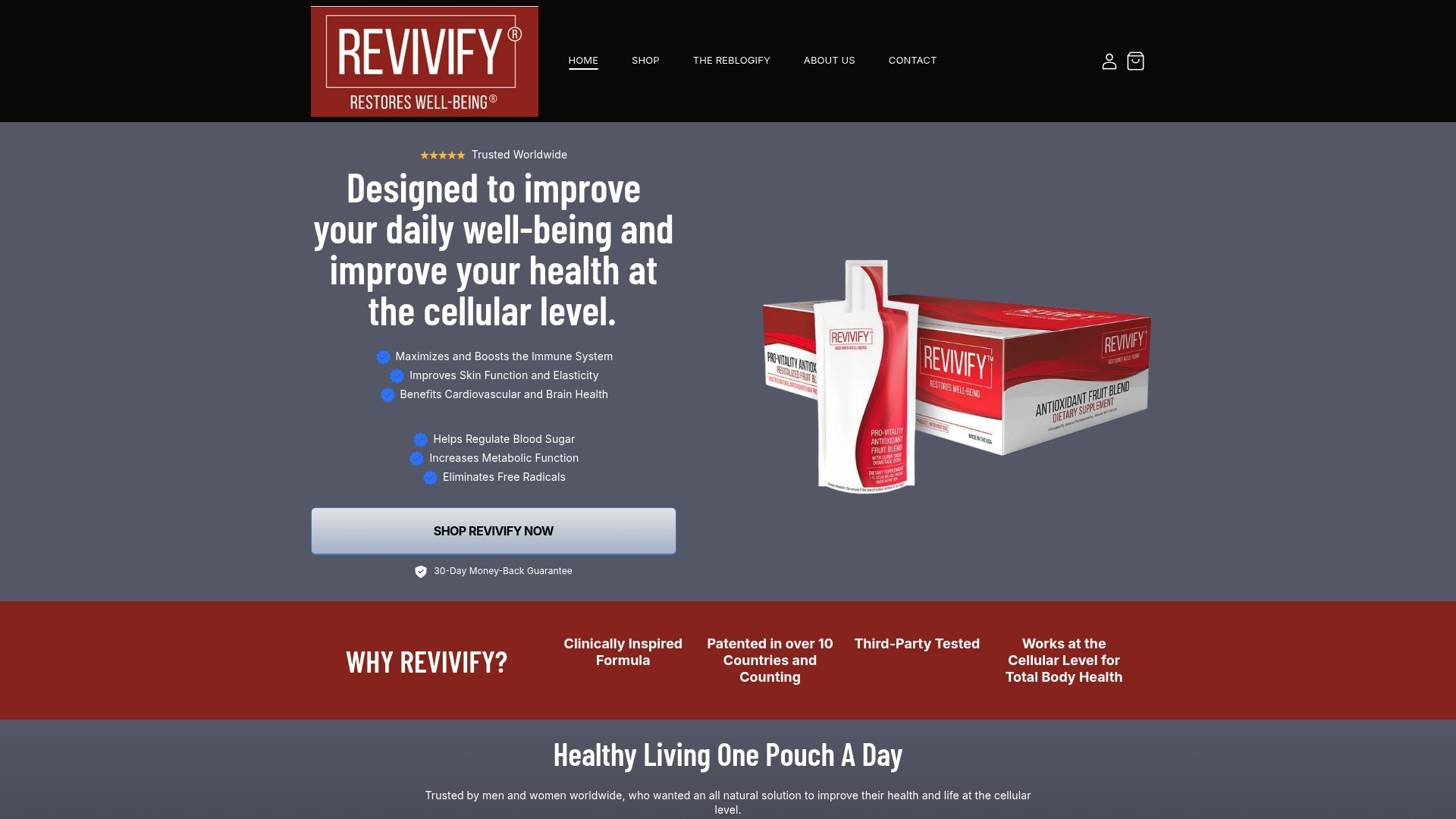
For readers who want steady antioxidant support alongside a diet rich in plants and a strong dental routine, we designed Revivify to fit into that plan, not to stand in for it. Revivify works as a daily complement to the foundation described above: professional cleanings, careful home care and food that does most of the work. Supplements are not meant to treat gum disease, and your dentist remains the person to guide that.
Before you start any new supplement, check with your dentist or doctor, especially if you take medications, smoke, are pregnant or manage a chronic condition. When you are ready, you can see the REVIVIFY® supply on our product page for current pricing details.
This article is general information, not a substitute for advice from a qualified doctor. Consult a qualified healthcare professional about your own circumstances before acting on anything here.
FAQ
Can antioxidants heal gum disease naturally?
Antioxidants can support gum health, but they do not cure gum disease on their own. CDC guidance identifies professional plaque removal and daily hygiene as the primary treatments. Think of antioxidant-rich foods as a helpful supporting layer.
Which vitamin helps gums the most?
Vitamin C has the strongest research profile, because it supports collagen synthesis and wound healing. A systematic review and meta-analysis associated higher intake with reduced periodontal disease risk, although the studies varied widely. Whole foods such as citrus, guava and berries are the best starting point.
What foods are good for rebuilding gum health?
Colorful fruits and vegetables, nuts, olive oil and fatty fish fit anti-inflammatory dietary patterns linked to lower rates of periodontitis in observational and cohort research. Foods cannot regrow lost bone, but they can support healthier, less inflamed tissue alongside dental care.
Do antioxidant supplements work as well as food?
Usually not. Isolated supplements often show inconclusive or modest results, while whole-diet patterns appear more influential. Supplements are best used to fill a specific gap under the guidance of your dentist or physician.
Sources
- About Periodontal (Gum) Disease | Oral Health | CDC
- Pubmed
- Pmc
- Efficacy of vitamin C supplementation as an adjunct in the non-surgical management of periodontitis: a systematic review