

Antioxidants for Smokers: Add 35 mg Vitamin C, Avoid Beta Carotene
Antioxidants can reduce markers of smoke-related oxidative stress, but the safest, evidence-backed approach is food-first: prioritize fruits and vegetables, meet the extra vitamin C need of 35 mg per day that smokers have, and avoid beta-carotene supplements, which carry documented harms. Quitting remains the single most powerful health decision you can make, and antioxidants work best as a complement to that goal, not a substitute for it.
TL;DR:
- NIH guidance sets daily vitamin C targets at 125 mg for adult men who smoke and 110 mg for adult women who smoke.
- The CARET trial found that beta carotene combined with retinol increased lung cancer incidence and mortality in high risk smokers, prompting early termination.
- Vitamins C and E may improve oxidative stress markers, including blood vessel function, but supplementation has not consistently prevented cancer or cardiovascular disease.
- Some anticoagulants and chemotherapy regimens can interact with high dose vitamin C, so people taking them should consult their clinician before supplementing.
Table of Contents
- What antioxidants are and how smoking raises oxidative stress
- Why smokers need more antioxidants: evidence and recommended adjustments
- Supplements: what the trials show (benefits, null results, and harms)
- Practical daily plan and realistic targets for smokers
- Potential interactions between antioxidants and smoking-related medications
- Antioxidants and smoking-related disease beyond general oxidative stress
- Long-term effects and safety of high antioxidant intake in smokers
- Food versus supplements: which antioxidant source actually works for smokers
- How we think about antioxidant science and smoking at Revivify
- A daily antioxidant option for the gaps your diet doesn’t cover
- FAQ
- Sources
What antioxidants are and how smoking raises oxidative stress
Antioxidants are compounds that neutralize free radicals, the unstable molecules that damage cells, proteins, and DNA when left unchecked. Your body produces free radicals naturally through everyday metabolism, but cigarette smoke floods your system with an extra load of reactive oxygen species (ROS) with every puff. Each cigarette delivers thousands of chemical compounds, many of which directly generate free radicals or impair your body’s own antioxidant defenses, a one-two punch that researchers call oxidative stress.
Think of oxidative stress as a tipping scale. On one side sits the free radical load from smoke, pollution, and normal metabolism; on the other sits your antioxidant defense, built from nutrients like vitamin C, vitamin E, and enzymes your cells produce internally. Smoking tips that scale hard in one direction.
Researchers studying this imbalance in smokers often track a handful of clinical markers:
- Plasma and leukocyte vitamin C levels, which tend to run lower in people who smoke.
- Markers of lipid peroxidation, which reflect damage to cell membranes.
- Endothelial function tests, which gauge how well blood vessels respond to stress.
These markers don’t diagnose disease on their own, but they give scientists a window into how smoke-related oxidative damage behaves and how dietary changes might shift it.
Why smokers need more antioxidants: evidence and recommended adjustments
The National Institutes of Health Office of Dietary Supplements states plainly that people who smoke need an additional 35 mg of vitamin C per day compared to nonsmokers, a figure set by the Food and Nutrition Board after reviewing how smoking depletes vitamin C stores in the body. This isn’t a rounded estimate or a marketing number: it’s a federally recognized nutritional adjustment.
People who smoke require 35 mg more vitamin C daily than nonsmokers, according to NIH guidance, reflecting measurable depletion rather than a general wellness recommendation. The same guidance notes that people regularly exposed to secondhand smoke also show decreased vitamin C levels and should take care to meet the standard RDA.
Calculating your personal target is straightforward once you know your baseline RDA. For an adult man who smokes, the standard RDA of 90 mg plus the 35 mg adjustment puts the target at 125 mg per day. For an adult woman who smokes, 75 mg plus 35 mg lands at 110 mg per day. Both targets are realistic through food alone, a point worth holding onto before reaching for a supplement bottle.

It’s worth being clear about what correcting your vitamin C intake actually accomplishes. Restoring adequate levels can help normalize some of the oxidative stress markers that run abnormal in smokers, and it supports general immune and tissue health. It does not reverse years of accumulated lung or cardiovascular damage, and it does not cancel out the ongoing risk that each cigarette adds. Cessation remains the intervention that changes your health trajectory; antioxidant intake is a supporting measure, not a replacement.
Supplements: what the trials show (benefits, null results, and harms)
This is the section where good intentions can go wrong. The clearest, most consequential finding from supplement research involves beta-carotene, and it’s a warning rather than an endorsement.
The Beta-Carotene and Retinol Efficacy Trial (CARET) randomized high-risk smokers to receive beta-carotene combined with retinol or a placebo, expecting a protective effect. Instead, the beta-carotene and retinol group showed increased lung cancer incidence and higher mortality, a result strong enough that researchers stopped the trial early. This isn’t a theoretical caution: it’s randomized controlled trial evidence showing real harm.
Beta-carotene supplementation in smokers increased lung cancer incidence and mortality rather than preventing it, a finding that reversed the hypothesis researchers originally set out to test.
Vitamin C and vitamin E tell a more mixed story. Clinical reviews report that these vitamins can improve certain oxidative stress markers in smokers, including endothelial function, but evidence for actual cancer prevention from supplementation is inconsistent or absent. Improving a marker is not the same as preventing disease, and researchers are careful to distinguish the two.
Other compounds generate interest without delivering consistency. N-acetylcysteine (NAC) and newer mitochondria-targeted antioxidants show mechanistic promise in respiratory research, but clinical outcomes across broader COPD and smoking populations remain inconsistent, and these agents are still considered experimental rather than established treatments.
Practical guidance that follows from this evidence:
- Avoid supplements containing beta-carotene, especially products marketed for lung health, given the documented harm in smokers.
- Favor food sources over high-dose single-nutrient pills whenever possible.
- Talk with a clinician before starting any supplement, particularly if you take other medications.
- Check multivitamin labels for hidden beta-carotene or high-dose retinoids rather than assuming a general multivitamin is automatically safe.
Practical daily plan and realistic targets for smokers
Turning this evidence into a daily routine starts with a simple calculation. Add 35 mg to your standard vitamin C RDA: adult men land at 125 mg per day, adult women at 110 mg, based on NIH’s smoker-specific guidance. From there, building a day’s meals around that number is mostly a matter of habit.
- Start with fruit at breakfast. An orange or a cup of strawberries covers a large share of your daily target before 9 a.m.
- Add a vegetable side at lunch. Red bell pepper strips or a cruciferous slaw contribute meaningfully without extra planning.
- Include tea or coffee during the day for polyphenol intake alongside your vitamin C sources.
- Round out dinner with leafy greens and legumes to layer in carotenoids, folate, and fiber.
- Reserve supplements for gaps, not defaults. A conservative dose of vitamin C, in the range of 100 to 200 mg, can help close a shortfall on days when produce intake falls short, but it works best as backup rather than a primary strategy.
If you do consider a supplement, watch for interactions: high-dose vitamin C can interact with certain chemotherapy regimens and some anticoagulants, which is one more reason to loop in a clinician before adding anything new.
Pro Tip: Keep a simple running tally for a week, just fruits and vegetables by serving, to see where your actual intake lands against your target before deciding whether a supplement makes sense.
Monitoring doesn’t require lab work for most people. A diet log and attention to how you feel is the practical approach; plasma vitamin C testing is typically reserved for specific clinical situations. If you smoke and are considering next steps beyond diet, pairing this plan with smoking-cessation resources addresses the underlying cause rather than just the downstream oxidative load.

Potential interactions between antioxidants and smoking-related medications
If you’re managing a smoking-related condition with medication, antioxidant intake deserves a second look rather than casual experimentation. High-dose vitamin C supplementation can interact with certain anticoagulants and some chemotherapy agents, altering how effectively they work. This matters more for people managing cardiovascular disease or cancer treatment, both of which are more common among people who smoke, than it does for someone simply eating more citrus.
Vitamin E supplementation, particularly at higher doses, has also been studied for interactions with blood-thinning medications, since both can affect clotting function. Beta-carotene supplements carry their own separate concern: beyond the lung cancer risk established in trial data, combining them with other retinoid-containing products or medications can compound exposure to vitamin A-related compounds in ways that haven’t been well studied in smokers specifically.
None of this means antioxidant-rich food is risky. Dietary intake from fruits and vegetables doesn’t carry these interaction concerns in any meaningful way; the caution applies specifically to concentrated supplement doses. If you take medication for a smoking-related condition, whether that’s a bronchodilator for COPD, a statin for cardiovascular risk, or an anticoagulant, mention any supplement you’re considering to your prescribing clinician first. This is a five-minute conversation that closes most of the risk.
Antioxidants and smoking-related disease beyond general oxidative stress
Oxidative stress isn’t just a lab value, it’s a mechanism tied to specific diseases that disproportionately affect people who smoke. Chronic obstructive pulmonary disease (COPD) involves ongoing oxidative damage to lung tissue, and researchers have studied whether antioxidant support might ease that burden. Mechanistic reviews point to NAC and mitochondria-targeted antioxidants as biologically plausible tools for COPD, though clinical results across broader patient populations remain inconsistent rather than conclusive.
Cardiovascular disease presents a similar pattern. Oxidative damage to blood vessel linings contributes to the endothelial dysfunction seen more often in smokers, and some trials have shown that vitamin C supplementation can acutely improve endothelial function as measured in clinical testing. That’s a genuine physiological effect, but it’s a marker improvement, not proof that supplementation prevents heart attacks or strokes in people who smoke.
The honest summary is that antioxidants appear to influence the biological pathways involved in these diseases without rising to the level of a proven treatment for any of them. If you’re managing COPD or cardiovascular risk as a smoker, antioxidant-rich eating is a reasonable supporting habit, but it works alongside your prescribed treatment plan and cessation efforts, never instead of them.
Long-term effects and safety of high antioxidant intake in smokers
More isn’t automatically better when it comes to antioxidant intake, and the CARET trial is the clearest cautionary example available. Long-term, high-dose beta-carotene supplementation didn’t just fail to help smokers, it measurably increased lung cancer risk, a finding serious enough to halt that arm of the trial ahead of schedule. That result reshaped how researchers and clinicians think about blanket antioxidant supplementation in this population.
Vitamin C and vitamin E appear safer at moderate doses, and food-based intake carries essentially no toxicity concern for most people since your body regulates absorption and excretion efficiently. Very high supplemental doses of vitamin C, well beyond the 125 mg or 110 mg targets discussed earlier, can cause digestive upset in some people and may pose kidney stone risk for those with a prior history. High-dose vitamin E supplementation has been studied for a possible association with increased bleeding risk, which matters more for anyone on blood-thinning medication.
The practical safety principle holds steady across all of this: food sources rarely cause harm, concentrated single-nutrient supplements occasionally do, and beta-carotene specifically has documented harm in smokers that rules it out as a reasonable choice. If you’re drawn to supplementation, moderate, food-anchored dosing with clinician input is the safer long-term posture, not an “if some helps, more helps more” approach.
Food versus supplements: which antioxidant source actually works for smokers
The distinction between eating an orange and taking a vitamin C tablet is bigger than it looks. Whole foods deliver antioxidants bundled with fiber, water, and dozens of accompanying plant compounds, flavonoids, carotenoids, and polyphenols that appear to work together rather than as isolated actors. Reviews on dietary polyphenols specifically highlight this synergy as a reason whole-food patterns outperform single-compound supplements in observed outcomes.
Supplements isolate one compound at a concentrated dose, which can be useful for closing a specific, measured gap but removes the food matrix that seems to matter for how these nutrients behave in your body. The CARET trial is the starkest illustration: beta-carotene in food, as part of a varied diet, has never shown the harm that concentrated beta-carotene supplements demonstrated in smokers. The dose and the delivery form both matter, not just the nutrient itself.
A reasonable way to split the decision: let food do the heavy lifting for your baseline antioxidant needs, and treat supplements as a targeted tool for a specific, identified shortfall, used at conservative doses and ideally with clinician guidance. For a deeper look at how antioxidants work compared with anti-inflammatory approaches, understanding the mechanism helps clarify why whole-food sources tend to be favored in current research. For broader context on antioxidant roles in the body, this overview of free radical protection offers useful additional background.
How we think about antioxidant science and smoking at Revivify
We built this guide around the same evidence base we use internally: NIH guidance on smoker-specific vitamin C needs, CARET’s trial data on beta-carotene harm, and systematic reviews on dietary antioxidant patterns. Larry, who researches and writes on antioxidant science for our editorial team, prioritizes primary sources, NIH fact sheets, PubMed and PMC reviews, over secondary claims whenever the two conflict.
We’ve written more extensively on these mechanisms in our science pieces on oxidative stress and inflammation, and we hold the same position there that we hold here: a daily supplement is a complement to diet and, for smokers, to cessation efforts, never a substitute for either.
— Larry
A daily antioxidant option for the gaps your diet doesn’t cover
Even with intentional eating, most days leave some gap between what your meals provide and what your body could use, especially if you smoke and are carrying a heavier oxidative load. We offer a daily supplement designed to support your body’s antioxidant defenses, digestion, and overall cellular health rather than replace whole-food intake.
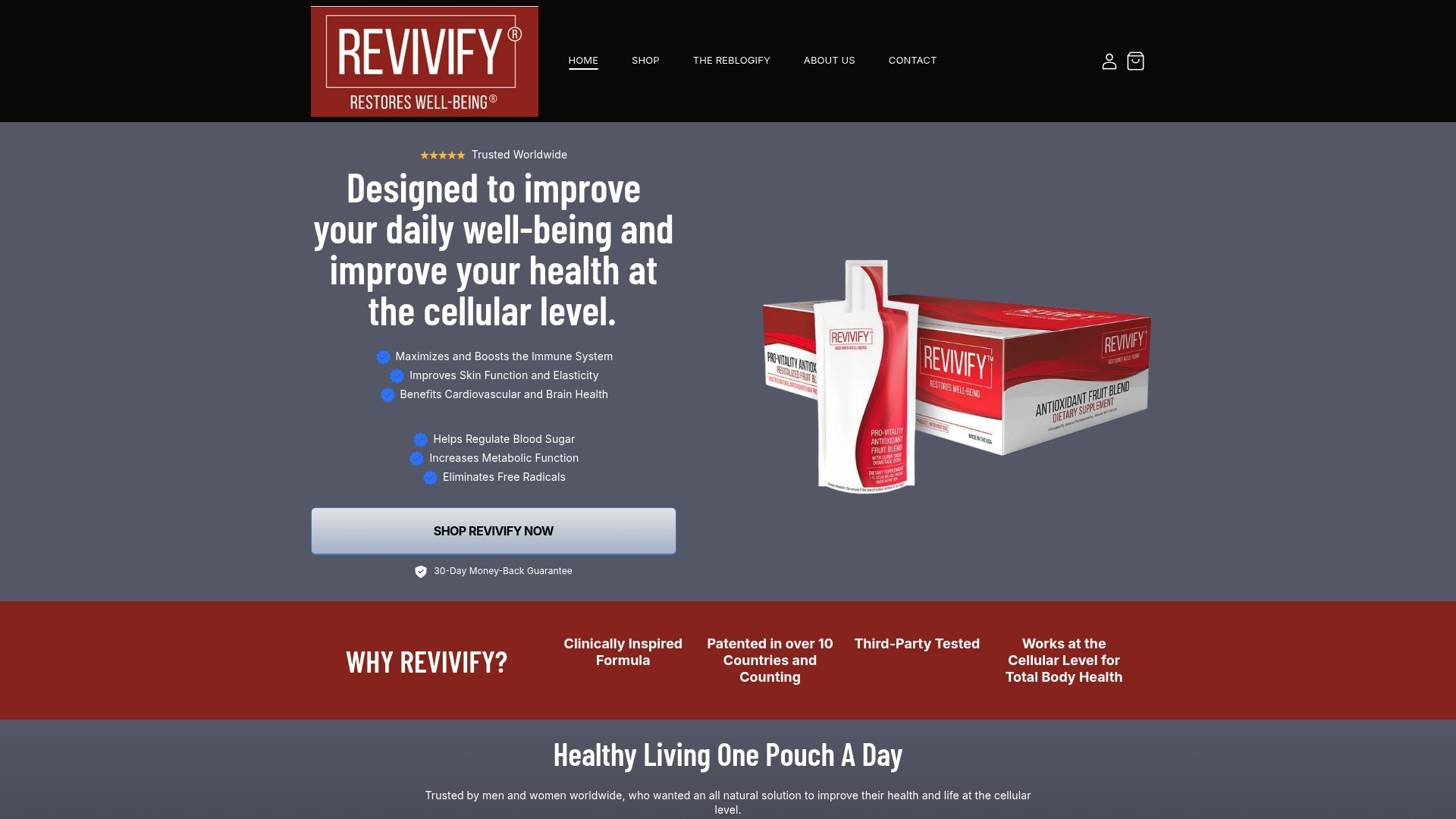
Our formula is made to work alongside a food-first approach, not instead of one. If today’s guide has you thinking about closing nutritional gaps more consistently, you can see current options on our REVIVIFY® product page.
FAQ
What is the best antioxidant for smokers?
Vitamin C is the antioxidant with the clearest, most specific guidance for smokers: the NIH Office of Dietary Supplements recommends an additional 35 mg per day beyond the standard RDA. No single antioxidant outperforms a varied diet rich in fruits, vegetables, and polyphenol sources like tea and berries.
What supplements should I take if I’m a smoker?
Food-based vitamin C sources should come first, with a conservative supplement (100 to 200 mg) considered only if diet alone falls short of the smoker-adjusted target. Avoid beta-carotene supplements entirely, since randomized trial data showed they increased lung cancer risk in smokers, and talk with a clinician before adding anything new.
What can I do as a smoker to stay healthy?
Eating a diet rich in colorful fruits, vegetables, and polyphenol sources supports your antioxidant status and may improve some oxidative stress markers. The action with the biggest overall impact on your health remains quitting smoking, which produces faster and larger risk reductions than any dietary or supplement change.
What vitamins do smokers need most?
Vitamin C stands out specifically because smoking depletes it, creating the documented need for 35 mg more per day than nonsmokers require, according to NIH guidance. Vitamin E also receives research attention for its role in oxidative stress markers, though evidence for disease prevention remains inconsistent.
Can antioxidant supplements reverse smoking damage?
No supplement has been shown to reverse long-term smoking-related damage, and some, like beta-carotene, have shown harm instead of benefit in trial data. Antioxidants can support certain markers and general health, but cessation remains the primary intervention for changing your health trajectory.
Sources
Whole foods deliver antioxidants in combinations that supplements can’t fully replicate: vitamin C alongside flavonoids, fiber, and dozens of other plant compounds that appear to work together rather than in isolation. A diet built around these foods is the most direct way to combat oxidative stress through everyday choices.
Foods consistently cited for antioxidant density include:
- Vitamin C - Health Professional Fact Sheet (NIH Office of Dietary Supplements)
- The Beta-Carotene and Retinol Efficacy Trial (CARET) follow-up (PubMed)
Polyphenols deserve particular attention here. Research on dietary polyphenols shows they offer combined antioxidant and anti-inflammatory effects, and reviewers consistently favor dietary diversity over isolated high-dose supplements because whole foods deliver these compounds in synergistic combinations rather than single-molecule doses.
Reaching your daily target doesn’t require a dramatic overhaul. One orange plus a cup of strawberries already covers a meaningful share of a smoker’s elevated vitamin C target, and swapping a side salad for one with red bell pepper strips adds more without extra effort. For a longer list of specific antioxidant-rich foods and meal ideas, pairing produce with lean protein and whole grains rounds out a pattern that supports your antioxidant status across the day.
Pro Tip: Pair vitamin C foods with iron-rich meals, like citrus alongside spinach or beans, since vitamin C also improves how efficiently your body absorbs plant-based iron.