

Lactobacillus plantarum Benefits: Match Strains for a 4–8 Week Test
L. plantarum has its best evidence for easing IBS symptoms, with additional signals for lower inflammatory markers and modest improvements in cholesterol and blood sugar. Those findings attach to specific strains, such as L. plantarum 299v and HAC01, not to the species name alone. It is generally well tolerated, but people who are immunocompromised or pregnant should check with a clinician first.
TL;DR:
- One early 299v trial reported abdominal pain falling 52% after 28 days versus 11% with placebo, but later studies suggest smaller average benefits.
- IBS trials typically used 10^9 to 10^10 CFU daily for 4 to 8 weeks; track pain, bloating, and stool frequency throughout your trial.
- Changes in TNF alpha, IL 10, or CRP are biological markers, not proof of symptom relief; probiotics should complement, never replace, prescribed care.
- A study lasting three months among 40 people linked strain IMC 510 to lower weight, BMI, waist measures, and blood glucose, but findings remain preliminary.
- Check the full strain designation, daily CFU count, potency guarantee through expiration, and a human trial on that exact strain before buying.
Table of Contents
- What L. plantarum is and how it works in the body
- Gut health and IBS: what randomized trials show
- Immune and inflammation outcomes: cytokines and CRP
- Metabolic and cardiovascular signals: cholesterol, blood sugar and weight
- Oral, skin and other emerging benefits
- Strain specificity and how to choose an L. plantarum product
- Safety, side effects, and special precautions
- How to get L. plantarum: foods, supplements, and a 4 to 8 week test
- How L. plantarum and prebiotic fiber work together
- Gut barrier function and systemic oxidative stress
- Long-term benefits: cellular health and aging
- My read on the evidence
- Revivify as a daily support option
- FAQ
- Sources
What L. plantarum is and how it works in the body
In 2020, taxonomists renamed the species Lactiplantibacillus plantarum, yet both names remain in use on retail labels and in clinical papers. If you see either one on a bottle, it is the same organism.
This bacterium is unusually adaptable, which is part of why researchers keep studying it. It has a long record in fermented foods, and several of its traits plausibly explain the health effects seen in trials:
- Survival through the gut: it tolerates stomach acid and bile salts well enough to reach the intestines alive.
- Mucosal adhesion: it can attach to the intestinal lining, where it competes with unwanted microbes for space.
- Lactic acid production: this lowers local pH, which discourages pathogens.
- Bacteriocins and exopolysaccharides: it produces antimicrobial peptides and sugar polymers that may influence the gut environment and immune signaling.
- Antioxidant enzyme activity: some strains help neutralize reactive oxygen species.
Why does mechanistic plausibility matter? Because a trial result is easier to trust when a biological pathway could explain it. A strain that survives digestion, adheres to the gut lining, and produces antimicrobial compounds has a believable route to easing gut symptoms. A strain that never reaches the intestine alive would make the same claim far less credible. Keep this in mind as you read the trial evidence below: mechanism supports a result, but it never replaces one.
Gut health and IBS: what randomized trials show
IBS is where L. plantarum has its strongest track record, and most of that record belongs to one strain. Randomized, double-blind trials of L. plantarum 299v produced striking early results. In one foundational trial, abdominal pain fell by 52% at 28 days in the probiotic group versus 11% with placebo (p < 0.001).
plantarum* 299v (source).** That result came from a small study, and small studies tend to overstate effects.
Larger replications have told a more measured story. The early large effect may not reflect the benefit seen across the broader literature. A 2024 systematic review and meta-analysis still found reduced abdominal pain in gastroenterology outcomes, while noting heterogeneity across studies. The honest summary: probably helpful for some people with IBS, with a smaller average effect than the first trials suggested.
What the trials looked like
- Dose: typically 10^9 to 10^10 CFU per day.
- Length: usually 4 to 8 weeks, with pain often assessed around day 28.
- Outcomes measured: abdominal pain, bloating, stool frequency, and overall symptom scores.
- Strain: the best-studied product in this area is L. plantarum 299v.
Turning the trial design into a personal test
You can borrow the trial structure without pretending to run a study. Pick one named strain, take it as directed, and track the same things regularly: pain, bloating, and stool frequency. A simple 0 to 10 scale for pain and bloating works fine. Compare your first week with your last week. If nothing has changed after a trial period, the strain may not be doing much for you.

For background on IBS itself, including causes and management strategies beyond probiotics, see this overview of irritable bowel syndrome. A probiotic is one tool among several, and persistent symptoms deserve a clinician’s attention, since pain, bleeding, or unexplained weight loss can signal something other than IBS.
Immune and inflammation outcomes: cytokines and CRP
The immune evidence is more about markers than symptoms, and the difference matters. A meta-analysis of randomized trials looked at what L. plantarum does to immune signaling over several decades of research. Its core finding: the bacterium can regulate both pro- and anti-inflammatory cytokines.
Meta-analyses report statistically significant downregulation of TNF-α and upregulation of IL-10 with L. plantarum interventions (source). TNF-α is a pro-inflammatory signal, and IL-10 is one of the body’s main brakes on inflammation. Moving them in those directions is the pattern you would hope to see.
C-reactive protein, a general marker of systemic inflammation, shows a similar story. Some trials in the same literature reported reduced CRP with statistically significant p-values, and the 2024 meta-analysis cited above found reduced CRP in some infectious-disease studies.
Where benefits showed up
- Some infectious-disease adjunct settings, where probiotic use sat alongside standard care.
- Perioperative and inpatient contexts, where inflammatory markers were tracked closely.
- Studies of L. plantarum 299v, which has shown reduced mucosal inflammation and, in some clinical contexts, prevention of C. difficile-associated diarrhea.
Reading these results realistically
Heterogeneity is the rule here. Studies used different strains, doses, populations, and endpoints, so a pooled result tells you the direction of travel, not what your own body will do.
The bigger caution is that a marker change does not always translate into feeling better. A lower CRP value on a lab report is encouraging, but it does not guarantee fewer colds, less pain, or faster recovery. Treat cytokine and CRP findings as evidence that the biology is plausible and active, not as a promise of symptom relief. If you are managing an inflammatory condition, probiotics belong alongside your treatment plan, not in place of it.
Metabolic and cardiovascular signals: cholesterol, blood sugar and weight
Metabolic results are the least settled of the major claims, but they are worth knowing. The 2024 systematic review and meta-analysis found signals for lowered total cholesterol and LDL cholesterol in some cardiovascular analyses. Some of those findings sat near the edge of statistical significance, and the authors noted heterogeneity. That is a hint, not a verdict.
Strains tied to metabolic outcomes
- EGCG 13110402 and HAC01: a review discusses possible metabolic effects of these strains.
- HAC01: a review discusses possible effects on postprandial glucose and HbA1c.
- L. plantarum IMC 510®: in a 3-month study of 40 overweight or obese participants, it was linked to significant decreases in body weight, BMI, waist circumference, waist-to-height ratio, and blood glucose compared with placebo.
That last study is small, and the strain is specific. It tells you something promising about one product, not about every L. plantarum supplement on a shelf.
How much to expect
If you are hoping for dramatic weight loss or a big drop in cholesterol, adjust your expectations. The effects reported are modest, they come from limited trials, and they depend on the strain. Think of L. plantarum as a possible supporting player alongside diet, movement, and any medication your clinician has prescribed.
For readers focused on blood sugar specifically, our deeper guides cover what a small HbA1c change means in type 2 diabetes and how gut bacteria affects blood sugar. Overall certainty here is low to moderate: encouraging, worth watching, and not yet a basis for changing treatment on your own.
Oral, skin and other emerging benefits
Beyond the gut, certain strains have been tested on endpoints you might not expect from a probiotic. These are secondary findings, and most are preliminary.
- Periodontal health: the 2024 meta-analysis found that L. plantarum supplementation, alone or combined, significantly improved periodontal measures, including reduced pocket depth and less bleeding on probing.
- Pediatric dental caries: evidence centers on strain CCFM8724, tested in children.
- Skin: a strain called GMNL6 has shown melanin reduction in early work, which hints at possible skin applications.
- Neurological and mood signals: strain PS128 has attracted attention for possible effects on mood and neurological function.
A narrative review of the field notes antioxidant, antimicrobial, anti-obesity and anti-inflammatory findings across various strains, again with the emphasis on strain-specific signals.
How to hold this information
The periodontal findings are the most developed of this group, and they make sense: the mouth hosts its own microbial community, and a bacterium that competes with pathogens could plausibly help. The skin and neuro findings are far thinner, with limited replication. It is good to know that researchers are looking, but none of this is standard clinical practice yet. If you have gum disease, dental decay, a skin condition, or a mood concern, a dentist, dermatologist, or physician remains the right first call.
Strain specificity and how to choose an L. plantarum product
Here is the single most important idea in this article: benefits shown for one strain do not automatically apply to another. A scoping review of strain-specific potential makes this point directly, advising consumers and clinicians to look for exact strain designations, such as 299v, because trial evidence attaches to strains, not to the species label.

Think of the species name as a family surname. Knowing someone is a “Smith” tells you very little about their skills. The strain code is the first name that identifies the individual who actually did the work in the trial.
A checklist for reading a label
- Full strain name: look for the complete designation (for example, 299v), not just “Lactobacillus plantarum.”
- CFU per serving: compare it with the range used in trials, typically 10^9 to 10^10 CFU daily. Our guide to converting CFU to capsule counts walks through the math.
- Storage and potency guarantee: a count at manufacture means little if it is not guaranteed through the expiration date. See our explainer on probiotic shelf stability.
- Human trial citation: the maker should point to a published trial on that exact strain.
- Recommended length and dose: these should resemble the trial protocol for that specific strain.
Pro Tip: Choose a product whose studied strain matches the outcome you care about, then track that outcome regularly during a trial period before deciding whether it works for you.
If the difference between Lactobacillus and Bifidobacterium products is still fuzzy, our comparison of what each genus actually does is a useful companion.
Safety, side effects, and special precautions
For most healthy adults, L. plantarum has a strong safety profile. It has a long history in fermented foods, and the U.S. FDA recognizes it as GRAS, while the European Food Safety Authority gives it QPS status. For supplement use, a new dietary ingredient filing described suggested serving ranges of up to 5×10^10 CFU per serving, with daily totals of 1×10^9 to 5×10^10 CFU, alongside safety and history-of-use data.
What you might notice
- Some people may notice gas or bloating.
- Some people may experience stomach upset.
- People who are severely immunocompromised should consult a clinician before using probiotics.
If you are considering a probiotic, ask a clinician or pharmacist what dose and approach are appropriate for you.
Practical precautions
- Antibiotics: if you take them, ask your clinician or pharmacist whether and how to use a probiotic.
- Immunocompromised people: talk with your care team before starting any probiotic.
- Pregnancy and infants: check with a clinician first, since the right strain and dose depend on the situation.
- Warning signs: fever, severe abdominal pain, or symptoms that worsen should prompt medical advice, not more probiotics.
Our strain-specific safety checklist goes deeper on how to screen a product before you try it.
How to get L. plantarum: foods, supplements, and a 4 to 8 week test
You can get this bacterium from your plate or from a capsule, and the two routes behave differently.
Supplements
Supplements let you control the strain and dose. Read the label for the full strain code, the CFU count, and any storage instructions, since heat and humidity can erode potency.
A simple personal trial
- Weeks 1 to 2: start at the lower end of the studied range, around 10^9 CFU daily, with food.
- Daily: score pain, bloating, and stool frequency from 0 to 10.
- Weeks 3 to 8: hold the dose steady, or raise it gradually toward 10^10 CFU if you tolerate it well.
- After your trial: compare your notes and reassess with your clinician if you have not noticed a change.
How L. plantarum and prebiotic fiber work together
Probiotics need something to eat once they arrive, and that is where prebiotic fiber comes in. Prebiotic fibers are food for beneficial gut bacteria, and pairing them with a probiotic is the logic behind synbiotic products. The idea is simple: the fiber helps the bacteria settle in and stay active, and their activity produces compounds that support the gut environment.
This is the thinking behind our patented formula. At Revivify, we combine superoxide dismutase and prebiotic fiber, alongside polyphenols and lactobacillus, in a single daily gel. We built it so the fiber and the probiotic arrive together rather than leaving the fiber question to chance.
Be clear about what the research does and does not say. The trials behind the strongest L. plantarum findings tested specific strains at specific doses, not our formula, so we do not claim those trial results for it. What the broader literature supports is the general principle that the gut environment shapes how well probiotics perform. If you want to understand the fiber side of that equation, our explainer on prebiotic fiber, gut health, and diabetes management covers how fiber feeds your resident microbes.
A practical point for any synbiotic: introduce fiber gradually. A sudden jump in fermentable fiber can cause extra gas, especially if your usual diet is low in it. Start small and build up.
Gut barrier function and systemic oxidative stress
Your gut lining is a selective barrier. It lets nutrients through while keeping microbes and irritants out. When that barrier weakens, inflammatory signals can spill beyond the gut, which is why researchers care about barrier function.
A PMC review notes that L. plantarum’s therapeutic potential relates to its modulation of the intestinal immune axis and its suppression of pathogenic Enterobacteriaceae, with improved gut barrier function as a result. In other words, it may help by crowding out troublemakers and calming immune signaling at the lining.
The link to oxidative stress runs through the same biology. Free radicals are unstable molecules that can damage cells, and the body defends itself with antioxidant enzymes. Some L. plantarum strains show antioxidant enzyme activity, and the narrative review cited earlier summarizes antioxidant findings across strains. Think of the gut barrier and oxidative balance as connected: a calmer, better-sealed gut may mean less inflammatory and oxidative load reaching the rest of the body.
The caution is the same one that runs through this article. Much of this evidence comes from laboratory and animal work, and human trials measuring systemic oxidative stress directly are limited. The mechanism is plausible and the early signals are encouraging, but we would not tell you it is proven.
Long-term benefits: cellular health and aging
People often ask whether a probiotic can help them age well. The honest answer is that long-term human evidence is thin, and we would rather say so than overpromise.
What exists is a chain of plausible links. Chronic low-grade inflammation and accumulated oxidative damage are both associated with aging at the cellular level. L. plantarum has shown, in the research above, the ability to shift inflammatory markers like TNF-α, IL-10, and CRP, and some strains show antioxidant activity. If a probiotic can nudge those processes in a healthy direction over years, it could contribute to cellular well-being. That is a reasonable hypothesis, not a demonstrated outcome.
What no study we cite here has shown is that taking L. plantarum extends lifespan or slows biological aging in people. Trials run weeks to months, not decades, so the long game remains largely unmeasured.
This is where daily habits matter more than any single ingredient. A diet rich in fiber and varied plant foods, regular activity, good sleep, and avoiding smoking all feed the same cellular pathways. A probiotic may support that foundation, but it cannot replace it. If long-term cellular health is your goal, treat L. plantarum as one supportive piece of a bigger routine.
My read on the evidence
Here is where I land after working through this research. L. plantarum is a promising, strain-specific probiotic. The best evidence is for IBS, and the next best is for measurable marker changes in some studies. Everything beyond that is encouraging but unfinished.
My advice is an evidence-minded one. Pick a named strain, not just a species. Run a trial period guided by the product directions and your clinician, and measure the outcome you actually care about. If you have a complex condition, bring a clinician into the decision.
You should also know where this is published. This article appears on a supplement brand’s site, and that context deserves disclosure. I have tried to hold every claim to what the cited studies support. For more, the blog carries deeper guides on dosing, safety, and shelf stability.
— Larry
Revivify as a daily support option
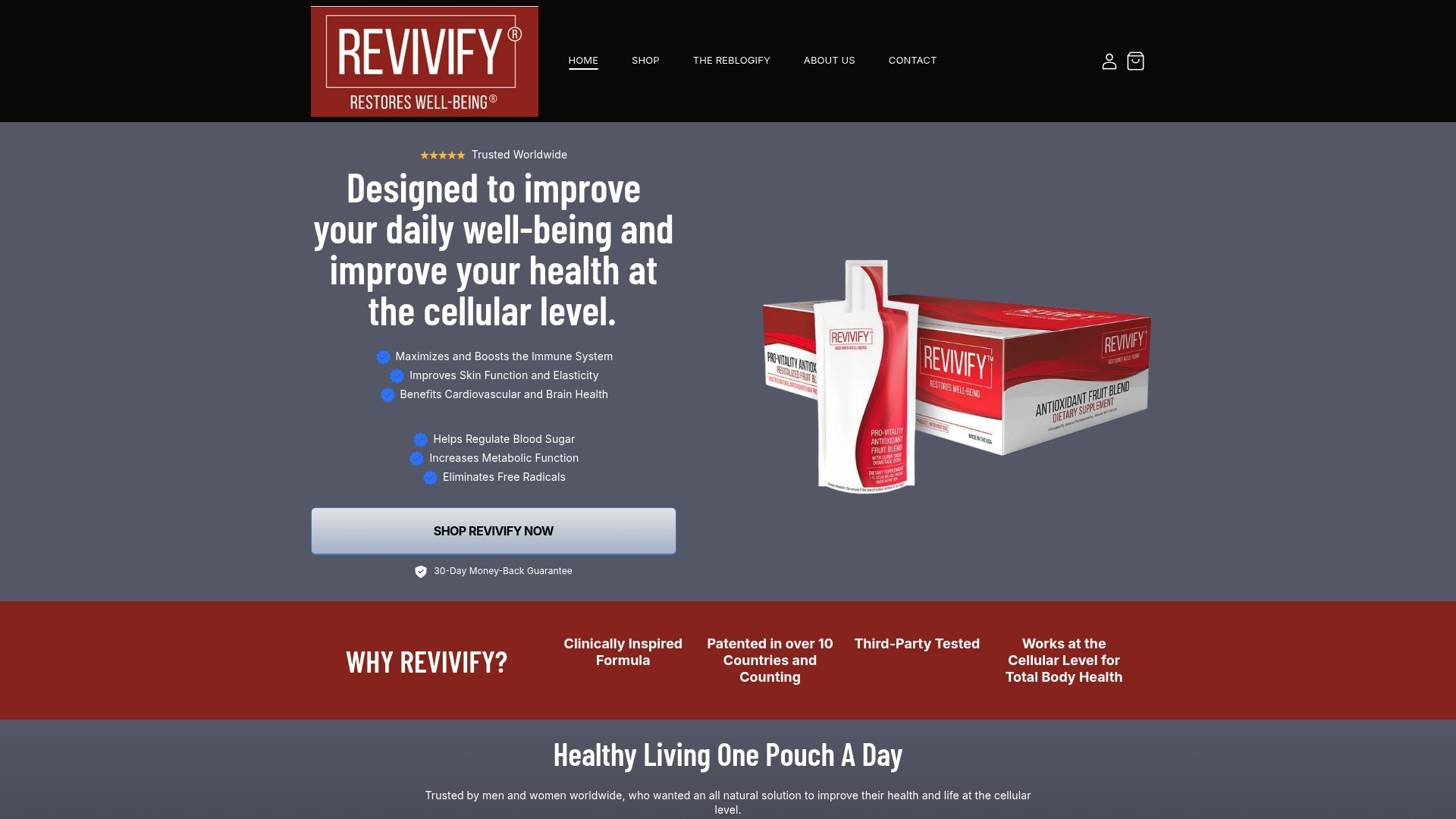
If you want a daily routine that goes beyond a single probiotic, here is what we offer. Revivify is a daily health supplement that combines superoxide dismutase and prebiotic fiber in a patented formula, with lactobacillus among its complementary ingredients. We designed it to help fight free radicals and reduce oxidation by supporting your body at the cellular level.
You might consider it if you are:
- An adult looking for daily cellular and gut-supporting supplementation.
- Interested in a plant-based, third-party tested option.
- Comfortable with a subscription or one-time purchase, backed by a risk-free guarantee.
One honest note: if you are chasing a specific strain-based clinical outcome, such as the IBS results tied to 299v, read the label for the exact strain first. When you are ready to learn more or order, you can browse the REVIVIFY® 30-Day Supply.
This article is general information, not a substitute for advice from a qualified doctor. Consult a qualified healthcare professional about your own circumstances before acting on anything here.
FAQ
What foods are high in Lactobacillus plantarum?
Fermented foods such as sauerkraut, kimchi, and sourdough are common dietary sources. Their bacterial counts vary widely by batch and preparation, so they are less predictable than a labeled supplement.
What is the new name for Lactobacillus plantarum?
It is now called Lactiplantibacillus plantarum, following a 2020 taxonomic reclassification. Both names are still used interchangeably on product labels and in research papers.
Can I take probiotics if I have colitis?
It depends on the type and severity of your condition, so check with your gastroenterologist before starting. Evidence for probiotics varies by condition and strain, and clinical uses are often strain- and condition-specific.
Does Lactobacillus plantarum help weight loss?
Some strains show modest effects in small trials, but it is not a weight loss solution. In a 40-person, 3-month study, one strain, IMC 510®, was linked to decreases in body weight and BMI versus placebo, and results do not apply to every product.