

Probiotics: What a 0.34% HbA1c Change Means for Type 2 Diabetes
They work best as an addition to prescribed treatment, not a substitute for it, and results shift depending on the strain, dose, and how long someone stays on them.
TL;DR:
- A 2025 analysis of 48 trials found average HbA1c fell 0.34%, with stronger, more consistent effects from synbiotics, longer trials, and higher starting glucose.
- Trials most often support named Lactobacillus and Bifidobacterium combinations; a network analysis of 62 trials also found strong results from a specific yogurt synbiotic.
- For a trial, record baseline glucose, choose strains and colony counts listed through expiration, and track glucose for 8 to 12 weeks with clinician guidance.
- Evidence is thinner for people using insulin and for type 1 diabetes; those with advanced kidney disease or severe immune suppression should consult clinicians first.
Table of Contents
- What do systematic reviews and meta-analyses say about probiotics and blood sugar?
- Which probiotic strains and formulations have the best evidence?
- How might probiotics influence blood sugar and insulin sensitivity?
- Fermented foods, supplements, or synbiotics: which route makes sense?
- Are probiotics safe to take, and who needs extra caution?
- How do you try a probiotic safely alongside your diabetes treatment?
- Do probiotics work differently in type 1 versus type 2 diabetes?
- Can probiotics affect diabetic complications like nerve damage or kidney disease?
- Our take on gut health’s role in blood sugar support
- Revivify as a daily adjunct for gut and metabolic support
- FAQ
- Sources
What do systematic reviews and meta-analyses say about probiotics and blood sugar?
A pooled HbA1c reduction of 0.34% from probiotics or synbiotics sounds small next to what medication can achieve, and that comparison matters: it is the kind of change you might see from a meaningful diet adjustment, not from starting a new drug class. Still, for someone already managing their blood sugar carefully, a consistent downward nudge across several markers at once is not nothing.
That same body of research shows a pattern worth paying attention to:
- Trials lasting 12 weeks or longer tended to show more consistent glycemic changes than shorter ones.
- Effects were more pronounced in participants who started with higher baseline fasting glucose.
- People who were not on insulin showed more consistent benefit than those who were, according to a separate systematic review.
That last point deserves unpacking. A systematic review pooling multiple RCTs on probiotics and glycemic control found statistically significant but clinically modest reductions in fasting glucose and HbA1c overall, with subgroup analyses showing the largest benefit in people with poorer baseline control who were not using insulin. That does not mean probiotics cannot help someone on insulin. It means the trial evidence for that specific group is thinner and less consistent, which is a different statement than “it doesn’t work.”
Heterogeneity is the honest word for why these numbers bounce around from study to study. Trials differ in which strains they use, how many colony-forming units participants received, whether the product was a capsule or a fermented yogurt, how long the intervention ran, and what other medications participants were taking, including metformin, which has its own effects on gut bacteria. Put a dozen studies like that into one pooled estimate and you get an average that is real, but one that undersells how different any individual person’s response might be. Some people respond well. Others see almost nothing change. The pooled number is a reasonable expectation, not a promise.
Which probiotic strains and formulations have the best evidence?
Not all probiotics are interchangeable, and the research reflects that. Most of the trials behind the numbers used strains from two genera: Lactobacillus species, including Lactobacillus acidophilus and related strains, which appear most frequently across glycemic-control trials, and Bifidobacterium species, which are often paired with Lactobacillus in multi-strain blends and show up repeatedly in better-performing formulations. A smaller number of trials used Saccharomyces-based probiotics, a yeast rather than a bacterium, with more mixed results.
A network meta-analysis of 62 RCTs in people with type 2 diabetes compared formulations head to head and found that certain Lactobacillus plus Bifidobacterium combinations, along with a specific yogurt-based synbiotic containing L. acidophilus La5, Bifidobacterium Bb12, and Cucurbita ficifolia (a type of fig-leaf gourd), produced the largest reductions in fasting glucose and HbA1c among the formulations compared. That is a notable detail: some of the strongest results in the literature came from a fortified yogurt, not a capsule off a supplement shelf.
Dosing in these trials varied enormously, from the low millions of colony-forming units up into the billions and beyond, and intervention lengths ranged from about 4 weeks to 24 weeks, occasionally stretching to 36. There is no single magic number. What the better-performing trials share is a defined, multi-strain product taken consistently for at least two to three months.
Pro Tip: Look for products that name the exact species and strain, such as “Lactobacillus acidophilus La5,” rather than a generic “probiotic blend,” since that is what researchers can actually trace back to trial data.

How might probiotics influence blood sugar and insulin sensitivity?
Think of your gut bacteria as a second organ system quietly running biochemical reactions all day. When that system is working well, several pathways plausibly connect it to how your body handles glucose:
- Short-chain fatty acid production. Certain gut bacteria ferment fiber into compounds like butyrate and propionate, which appear to support insulin sensitivity in surrounding tissue.
- Gut barrier support. A healthier gut lining may reduce the leakage of bacterial endotoxins into the bloodstream, a process linked to the low-grade inflammation that worsens insulin resistance.
- Incretin and bile-acid signaling. Gut bacteria interact with hormones like GLP-1 and with bile-acid pathways, both of which play a role in how your body regulates glucose after meals.
- Interaction with existing medication. Metformin itself alters the gut microbiome, which may be part of why some trials show additive benefit when probiotics are combined with it, as suggested in research on probiotics alongside metformin.
These pathways are plausible and supported by a mix of preclinical and clinical research, but none of them operates in isolation, and no one has mapped out exactly how much each one contributes in a given person. Your own microbiome, which varies based on diet, genetics, and prior antibiotic use, determines a lot of how any of this plays out. That variability is likely a bigger reason trial results differ than any flaw in the studies themselves. For a deeper look at this connection, our explainer on the gut microbiome insulin sensitivity link walks through the biology in more detail.
Fermented foods, supplements, or synbiotics: which route makes sense?
There are three broad ways people get probiotics into their routine, and the trial evidence does not point to one being universally superior.
- Fermented foods, such as yogurt, kefir, and some fermented vegetables, deliver live cultures along with real nutrition, and several of the strongest trial results used medically formulated yogurts rather than capsules.
- Standard supplements, the capsules and powders sold at pharmacies and online, offer more precise strain and dose control, which matters if you are trying to replicate a specific trial.
- Synbiotics, which combine a probiotic strain with a prebiotic fiber that feeds it, showed some of the largest glycemic improvements in pooled analyses, likely because the added fiber helps the bacteria establish themselves.
Reading a label well matters more than brand loyalty. Look for the genus, species, and ideally the specific strain, written out rather than hidden behind a vague “probiotic blend.” Check whether the colony-forming unit count is listed “at time of manufacture” or “through expiration,” since the second is a more honest number. Confirm storage instructions, since some strains need refrigeration to stay viable. Third-party testing, through an outside lab rather than the manufacturer alone, adds another layer of confidence that what is on the label is what is in the product. Our guide on prebiotic fiber and diabetes management goes further into how synbiotic pairing works. For people who want to build more fiber-rich, gut-friendly meals around a fermented-food approach, Homecooked’s gut health recipes offer a practical starting point.
Are probiotics safe to take, and who needs extra caution?
Probiotics have a generally strong safety record in healthy adults, but “generally safe” is not the same as “safe for everyone,” and diabetes care requires a clear-eyed look at who falls outside that general rule.
NCCIH guidance states plainly that there is not enough evidence to show any dietary supplement, probiotics included, can manage or prevent type 2 diabetes, and the agency warns that supplements can cause harm, including case reports of kidney-related injury. That guidance is a reason for oversight, not avoidance: probiotics should sit alongside your prescribed care, never replace it.
A few groups warrant particular caution, including people with advanced chronic kidney disease, given documented case reports linking certain supplements to kidney injury and the need for renal monitoring, per NCCIH source.
- People who are severely immunosuppressed or critically ill, where documented cases of serious infection from probiotic organisms have occurred.
- Anyone using a continuous glucose monitor or blood glucose meter, since sugar alcohols such as sorbitol or mannitol in some supplement formulations can cause gastrointestinal symptoms or interfere with device readings, making it worth cross-checking ingredient lists against your device’s guidance.
If you take prescription medication for diabetes or anything else, review any new probiotic with your clinician first, and choose products that carry third-party testing. Report anything that feels like an adverse reaction rather than waiting it out. Our strain-specific safety checklist walks through what to watch for in more detail.
How do you try a probiotic safely alongside your diabetes treatment?
A probiotic trial works best when you treat it like a small experiment rather than a leap of faith. Here is a framework that mirrors how the better clinical trials were structured:
- Set a baseline. Note your current fasting glucose and, if you test it regularly, your HbA1c, so you have something real to compare against later.
- Choose a transparent product. Pick one that names its exact strains, lists CFU through expiration rather than at manufacture, and carries third-party testing.
- Commit to 8 to 12 weeks. Most of the trials showing consistent benefit ran at least that long, so a shorter trial will not tell you much.
- Track changes and side effects. Keep a simple log of your glucose readings and anything unusual you notice, from bloating to changes in energy.
- Review with your prescribing clinician. This matters most if you are on insulin, an SGLT2 inhibitor, or have chronic kidney disease, since those situations call for closer coordination.
- Keep your expectations proportional. A probiotic is working toward a modest shift measured in single-digit percentage points, not a replacement for diet, exercise, weight management, or medication adherence.
Pro Tip: Write your baseline numbers down before you start. Memory is a poor substitute for a log when you are trying to judge whether an 8-week trial actually moved anything.
For a broader sense of how probiotics stack up against other blood-sugar-support supplements by evidence quality, our ranked overview of blood sugar supplements is a useful next read. And for readers exploring other adjunct approaches to weight and metabolic health, GLPCare’s comparison of GLP-1 therapy and bariatric surgery offers useful context on where probiotics fit relative to more intensive medical interventions.
Do probiotics work differently in type 1 versus type 2 diabetes?
Nearly all of the trial evidence behind the numbers in this article comes from people with type 2 diabetes or prediabetes, and that is not an accident. Type 2 diabetes involves insulin resistance and metabolic dysfunction that gut bacteria plausibly influence through the SCFA, inflammation, and incretin pathways described earlier. Type 1 diabetes is fundamentally different: it is an autoimmune condition in which the pancreas stops producing insulin, so the mechanism by which probiotics might help does not map cleanly onto it.
Some research into the gut microbiome’s role in type 1 diabetes exists, largely focused on whether early-life microbiome changes influence autoimmune risk in children, rather than whether probiotics can improve day-to-day glucose control in adults already living with the condition. That is a meaningfully different question from the one the type 2 trials are answering.
If you have type 1 diabetes, the evidence base for probiotics affecting your blood sugar day to day is far thinner than for type 2, and insulin dosing remains the determining factor in your glucose control regardless of what else you add to your routine. Anyone with type 1 diabetes considering a probiotic should treat it as a general wellness addition rather than a blood-sugar intervention, and loop in their endocrinologist before changing anything.
Can probiotics affect diabetic complications like nerve damage or kidney disease?
The trial evidence reviewed above centers on glycemic markers, fasting glucose, HbA1c, insulin, and HOMA-IR, rather than on long-term complications like neuropathy or nephropathy directly. That distinction matters, because improving a blood sugar number and preventing nerve or kidney damage are related but not identical outcomes, and the complication-specific trials simply have not been run at the same scale.
Where there is some mechanistic connection is inflammation. Diabetic complications, including neuropathy and kidney damage, are linked to chronic low-grade inflammation, and the gut-barrier and SCFA pathways described earlier plausibly reduce some of that inflammatory burden. That is a reasonable hypothesis, not an established outcome.
For kidney health specifically, the caution runs the other direction. NCCIH guidance flags case reports of kidney injury linked to certain supplements and recommends renal monitoring for people with existing kidney concerns who start something new. If you already have diabetic nephropathy, that is a reason to involve your nephrologist or prescribing clinician before adding any supplement, probiotics included, rather than an area where current evidence tells us to expect a protective benefit.
Our take on gut health’s role in blood sugar support
The research on probiotics and blood sugar is genuinely encouraging, and genuinely limited, at the same time. That duality gets lost in a lot of coverage, which tends to round “statistically significant in pooled trials” up to “proven to help” or round “modest effect size” down to “doesn’t matter.” Neither framing is honest to what the meta-analyses actually show.
Our view is that gut health deserves attention as one input among several, not a headline cure. Some supplements combine superoxide dismutase, an antioxidant enzyme, with prebiotic fiber and lactobacillus, built around the idea that cellular-level oxidative stress and gut balance are connected pieces of overall metabolic health. Such supplements are designed as daily adjuncts, third-party tested, and not replacements for the medication or clinical oversight that diabetes care requires.
If you want more background before deciding whether a gut-focused approach fits your routine, our guides on how gut bacteria affects blood sugar and the gut-insulin connection go deeper into the mechanisms than we can here.
— Larry
Revivify as a daily adjunct for gut and metabolic support
Certain supplements are built around a simple idea: cellular health and gut balance work together, and many supplements address one or the other instead of both. Some formulas pair superoxide dismutase with prebiotic fiber and lactobacillus in a single daily gel, designed to support digestion, reduce oxidative stress, and work alongside gut-focused strategies, not instead of prescribed diabetes care.
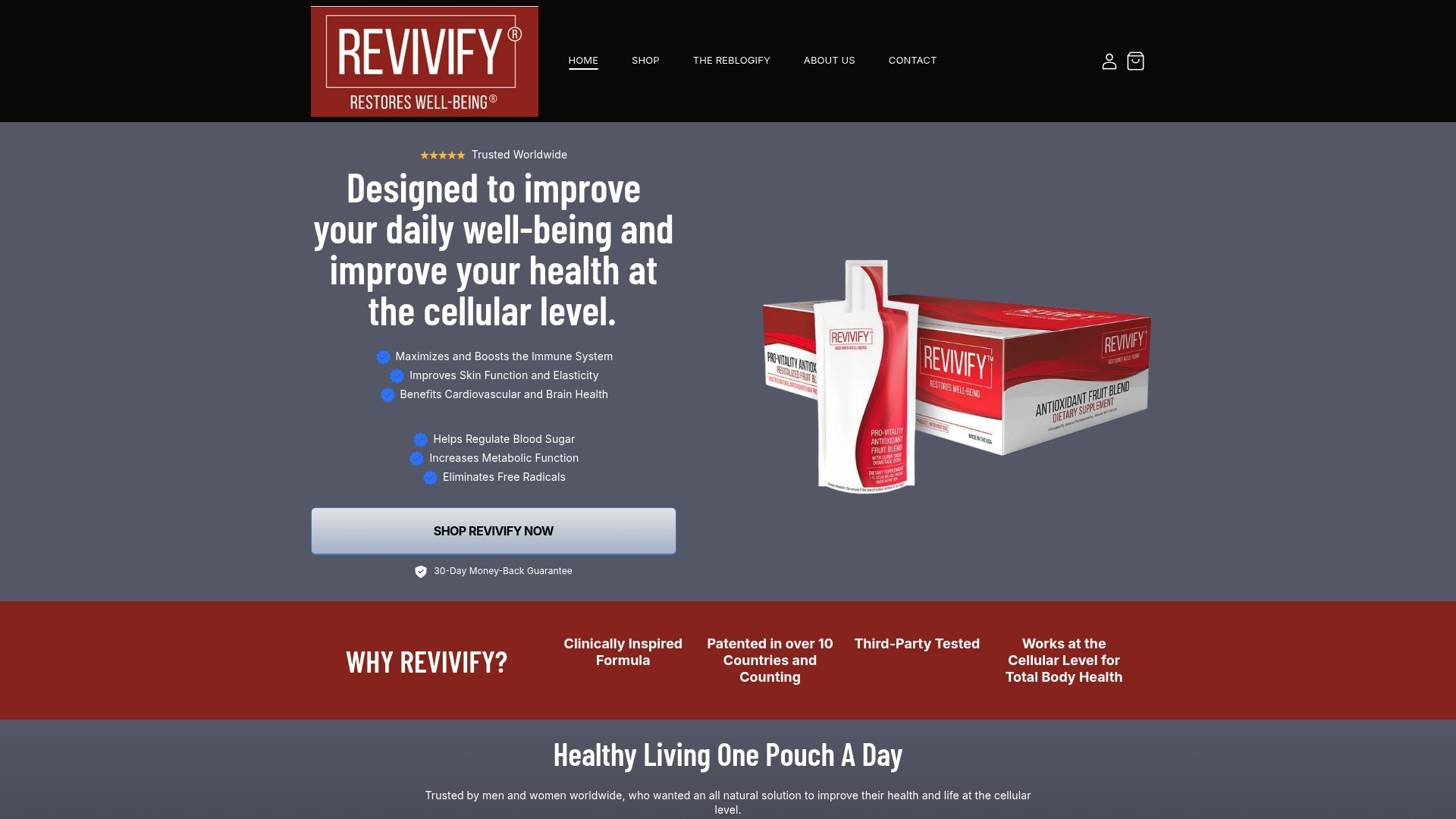
Every batch is third-party tested, and we back it with a risk-free guarantee, so you can try it without guessing whether what is on the label matches what is inside. If probiotics and gut support sound like a reasonable addition to your routine, talk to your clinician first, then take a look at the REVIVIFY® 30-Day Supply to see if it fits what you are trying to build.
FAQ
Which probiotic is best for diabetes?
No single strain is officially “best,” but trial evidence points most consistently to Lactobacillus and Bifidobacterium combinations, including yogurt-based synbiotics, which produced some of the largest fasting glucose and HbA1c reductions in a network meta-analysis of 62 RCTs. Look for a product that names its exact strains rather than a generic blend.
Can a diabetic patient take probiotics?
Most people with type 2 diabetes can take probiotics safely as an addition to their prescribed treatment, and pooled trial data show modest improvements in glucose and insulin markers for some people, according to a 2025 meta-analysis of 48 RCTs. People with advanced kidney disease or severe immune suppression should check with their clinician first, since NCCIH notes documented risks in those groups.
What do Japanese take for diabetes?
There is no single supplement or remedy specific to Japan that is documented as a standard diabetes approach; standard medical care, including prescribed medication and dietary management, remains the foundation of diabetes treatment in any country. Fermented foods like miso and natto are common in Japanese diets and contain probiotic organisms, but we are not aware of published data tying any specific national dietary pattern to a defined diabetes outcome.
Can I take probiotics while on infliximab?
Infliximab suppresses parts of the immune system, and NCCIH guidance notes that immunocompromised patients face a documented risk of serious infection from probiotic organisms, so this combination should not be started without your prescribing clinician’s input. If you are on infliximab for an autoimmune or inflammatory condition, raise any probiotic plan with that clinician before beginning one.
Sources
- Effects of Probiotic and Synbiotic Supplementation on Glycemic Indices in Adult Individuals with Prediabetes and Type 2 Diabetes Mellitus: A Grade-Assessed Systematic Review and Dose–Response Meta-analysis of RCTs
- Network meta-analysis of randomized control trials evaluating the effectiveness of various probiotic formulations in patients with type 2 diabetes mellitus
- Systematic review and meta-analysis of probiotics for glycemic control in adults with impaired glucose control
- Type 2 diabetes and dietary supplements (NCCIH)