

Reduce Skin Glycation: Track Real Skin Changes Over 8–12 Weeks
You can reduce ongoing skin glycation and slow AGE-related aging by stabilizing postmeal blood sugar, using antioxidants (oral and topical), and applying daily photoprotection. This combination is the evidence-backed approach for limiting new advanced glycation end-product formation. You may see improvements in skin hydration, elasticity, and antioxidant capacity, though deep reversal of long-standing collagen cross-links remains limited.
TL;DR:
- Eating vegetables and protein before carbohydrates reduced postmeal glucose by 28.6% at 30 minutes, 36.7% at 60 minutes, and 16.8% at 120 minutes in a 2015 trial.
- Steaming, poaching, stewing, and sous vide produce fewer dietary AGEs than grilling, frying, roasting, or broiling; acidic marinades may further reduce formation.
- Pair daily broad spectrum SPF 30 or higher with a topical antioxidant serum; UV exposure feeds oxidative stress that accelerates AGE accumulation.
- A trial lasting 12 weeks reported a 22.7% rise in plasma antioxidant capacity, with better hydration, elasticity, radiance, and minimal erythema dose.
- People taking blood thinners, chemotherapy agents, or diabetes medications, or managing kidney or liver disease, should consult a clinician before antioxidant supplements.
Table of Contents
- Your One-Page Checklist for Cutting Glycation Starting Today
- Exactly How to Change Your Diet and Meal Timing to Limit AGE Formation
- Which Oral Antioxidant Supplements Have Real Clinical Support
- Topical Ingredients and Clinical Options That Target AGE-Related Skin Damage
- How Sunlight and Daily Environmental Stress Speed Up Glycation
- Lifestyle Choices That Cut Glycation Risk From the Inside Out
- How to Track Real Progress and What Timeline to Expect
- A Practical 8 to 12 Week Routine to Put This Into Action
- The Research Behind This Approach
- What I Think Actually Moves the Needle on Glycation
- Where a Daily Antioxidant Supplement Fits Into This Plan
- FAQ
- Sources
Your One-Page Checklist for Cutting Glycation Starting Today
Glycation happens when excess sugar molecules bind to proteins like collagen, forming advanced glycation end-products, or AGEs, that stiffen skin and dull its appearance over time. The good news is that several daily habits interrupt this process at different points, from how you eat to how you protect your skin outdoors. Here is where to start:
- Eat vegetables and protein before carbohydrates at each meal to blunt the glucose spike that feeds AGE formation.
- Choose low-glycemic-index carbohydrates and limit ultra-processed foods, which tend to combine refined sugar with pro-glycation cooking methods.
- Apply broad-spectrum sunscreen every morning and layer on a topical antioxidant serum, since UV exposure accelerates oxidative damage that compounds glycation.
- Swap high-heat grilling and frying for steaming, poaching, or stewing when you cook protein-rich foods at home.
- Talk to a clinician before starting an oral antioxidant supplement, and use it consistently for a sustained period to judge whether it is working.
- Move your body daily, protect your sleep, and address smoking or heavy alcohol use, all of which influence how much oxidative stress your skin absorbs.
Pro Tip: Stack habits instead of chasing one fix. Food order plus daily sunscreen plus a consistent sleep schedule compounds faster than any single change on its own.
Exactly How to Change Your Diet and Meal Timing to Limit AGE Formation
Dietary AGEs form during cooking, especially with dry, high-heat methods. Grilling, frying, roasting, and broiling all encourage the Maillard reaction, the same browning chemistry that gives seared meat its flavor but also generates compounds your body treats as a low-grade inflammatory burden. Steaming, poaching, stewing, and sous vide cooking produce far fewer of these compounds because they rely on moisture and lower temperatures.
Separately from cooking method, what you eat shapes blood sugar swings, and blood sugar swings drive glycation inside the body. Diets heavy in ultra-processed foods are linked to higher rates of metabolic dysfunction and diabetes risk, conditions that accelerate AGE accumulation throughout the body, including skin. Swapping packaged snacks and sugary beverages for whole foods such as vegetables, legumes, and intact grains reduces both the glycemic load of your diet and your intake of pre-formed dietary AGEs.
One of the more practical levers is not what you eat but the order in which you eat it. A 2015 randomized crossover trial found that eating vegetables and protein before carbohydrates, rather than the reverse, reduced postmeal glucose by 28.6% at 30 minutes, 36.7% at 60 minutes, and 16.8% at 120 minutes. Since persistent blood sugar spikes are a primary driver of new AGE formation, this sequencing trick gives you a measurable way to blunt glycation without eliminating entire food groups. In practice, it looks like this: start your plate with a salad or steamed vegetables, move to the protein portion of the meal, and eat rice, bread, or pasta last.
Here is how that translates into a daily template:
- Breakfast: vegetables or eggs first, then a smaller portion of oats or whole-grain toast.
- Lunch: a protein-forward salad followed by a modest side of quinoa or beans.
- Dinner: steamed or stewed vegetables and fish or poultry, with rice or potatoes eaten last and in smaller portions.
- Snacks: nuts, berries, or plain yogurt instead of packaged bars or sweetened drinks.
Quick swaps that lower both glycemic load and AGE intake include replacing fried chicken with roasted or poached chicken, trading white bread for sprouted or whole-grain varieties, and marinating meats in acidic ingredients like lemon juice or vinegar before cooking, which research suggests can reduce AGE formation during the cooking process itself.
Pro Tip: Marinate protein in an acidic ingredient before cooking. Acidic marinades may slow the browning reactions that generate dietary AGEs, even when you still want that grilled flavor occasionally.

Which Oral Antioxidant Supplements Have Real Clinical Support
Several nutrient groups have clinical evidence behind their ability to support skin antioxidant defenses, though they work as adjuncts to diet and photoprotection rather than standalone fixes. Polyphenol blends, carotenoids, vitamins C and E, selenium, and specific botanical extracts have each shown up in trials measuring skin antioxidant capacity, minimal erythema dose (MED), and visible skin parameters.
A 12-week oral antioxidant trial reported a 22.7% increase in plasma antioxidant capacity (FRAP) by day 84, alongside improved minimal erythema dose and gains in skin hydration, elasticity, and radiance, according to a prospective supplement study. That timeline matters: trials showing meaningful skin-level change typically assess outcomes after sustained use, which gives you a practical frame for judging results.
A comprehensive review of antiglycation agents documents that both dietary and topical administration of antioxidant or antiglycation compounds can measurably reduce AGE levels, tracked via skin autofluorescence, across in vitro, animal, and human studies. This reinforces that the oral route is one piece of a layered strategy rather than a replacement for diet and sun protection.
When evaluating a supplement, look for these signals:
- Third-party testing or a certificate of analysis confirming ingredient identity and potency.
- A formulation that names specific antioxidant compounds (such as polyphenols, carotenoids, or vitamin C) rather than a vague proprietary blend.
- Trial data tied to the actual product or its key ingredients, not just general category claims.
- A realistic trial period baked into the product’s own guidance, allowing enough time to judge whether it is working.
Safety matters here too. Antioxidant supplements can interact with blood thinners, chemotherapy agents, and some diabetes medications, so anyone managing a chronic condition or taking prescription drugs should check with a clinician before adding a new supplement. People with kidney or liver conditions should be especially cautious with high-dose antioxidant formulations, since clearance pathways differ from those in otherwise healthy adults. For more on how antioxidants interact with blood sugar specifically, see our primer on stabilizing blood sugar with antioxidants.
Topical Ingredients and Clinical Options That Target AGE-Related Skin Damage
A handful of topical actives have evidence for addressing glycation-related changes at the skin level, and combining a few of them tends to outperform any single ingredient alone.
- Carnosine acts as a natural antiglycation agent that can interrupt the cross-linking process between sugars and skin proteins.
- Resveratrol and other polyphenols contribute antioxidant activity that helps counter the oxidative stress feeding glycation.
- Dual-molecular-weight hyaluronic acid combined with trehalose showed in ex vivo human skin testing an ability to reduce a key AGE marker (CML) by as much as 69%, according to a 2025 ex vivo study, alongside improved collagen synthesis and hydration in follow-up clinical work.
- Niacinamide supports barrier function and has a long track record for improving skin tone and texture alongside antiglycation actives.
- Multifunctional sunscreens with nanoencapsulated antioxidants blocked UV-induced reactive oxygen species in skin explants and improved collagen synthesis and hydration after 84 days of daily use in a clinical and preclinical study.
Building a topical routine around these findings means layering a vitamin C or polyphenol serum in the morning under sunscreen, and reserving a hyaluronic acid or trehalose-based product for added hydration, often at night. For readers who want a deeper dive into ingredient-level antioxidant guidance, our review of antioxidants for skin breaks down what the evidence actually supports. Dermatologists and aesthetic clinicians increasingly combine these topical actives with in-office procedures such as microneedling or laser resurfacing when visible cross-linking damage is already present, since topical agents alone work best on early or moderate changes. If you want to explore collagen-focused topical strategies in more depth, Cosmedica Skincare’s guide to restoring collagen naturally covers ingredient choices worth considering alongside antiglycation actives.
Pro Tip: Apply antioxidant serums to clean, dry skin before sunscreen. Antioxidants work best when they can penetrate before other products create a barrier on the surface.
How Sunlight and Daily Environmental Stress Speed Up Glycation
Ultraviolet light does more than cause sunburn and wrinkles. UV, visible light, and infrared radiation all generate reactive oxygen species in skin, and that oxidative burden directly accelerates how quickly AGEs form and accumulate. Dermatology guidance consistently identifies daily sun protection as the single most effective foundational step for limiting this kind of cumulative damage, since unprotected UV exposure keeps the oxidative environment that permits glycation to progress switched on day after day.
Priorities for cutting this exposure include:
- Apply broad-spectrum SPF 30 or higher every morning, rain or shine, and reapply if you are outdoors for extended periods.
- Choose antioxidant-enriched sunscreen formulations when possible, since combining UV filters with antioxidants addresses both direct UV damage and the oxidative stress that drives glycation.
- Wear UPF-rated clothing or wide-brimmed hats during peak sun hours, typically late morning through mid-afternoon.
- Seek shade when the UV index is high rather than relying on sunscreen alone.
- Consider that visible light and screen-emitted blue light contribute to oxidative stress too, so broad-spectrum protection matters even on cloudy or indoor-heavy days.
Clinical testing of a multifunctional sunscreen containing nanoencapsulated antioxidants found measurable improvements in collagen synthesis and hydration after consistent use, reinforcing that photoprotection and antioxidant strategies work better together than either does alone.
Lifestyle Choices That Cut Glycation Risk From the Inside Out
Diet and skincare matter, but systemic lifestyle factors shape how much glycemic and oxidative stress your body generates in the first place. Regular exercise improves insulin sensitivity and helps blunt the glucose spikes that feed AGE formation, while maintaining a healthy body weight reduces the metabolic strain associated with chronic low-grade glycation. Smoking introduces a heavy load of free radicals and has been linked to accelerated oxidative damage throughout the body, and heavy alcohol use compounds that effect by further taxing antioxidant defenses.
Practical steps that support glycation reduction include:
- Aim for 30 minutes of moderate movement most days, whether that is walking, cycling, or resistance training.
- Prioritize 7 to 9 hours of consistent sleep, since poor sleep is associated with impaired glucose regulation.
- Reduce or quit smoking, and moderate alcohol intake, both of which add unnecessary oxidative burden.
- Build in stress management practices like short daily walks, breathing exercises, or time away from screens, since chronic stress hormones can worsen blood sugar control.
For a closer look at how these systemic factors connect to oxidative stress and blood sugar specifically, see our explainer on free radicals and blood sugar.
Pro Tip: Treat sleep as a glycation intervention, not just a wellness nicety. Poor sleep raises next-day blood sugar responses, which compounds the very process you are trying to slow down.
How to Track Real Progress and What Timeline to Expect
Researchers and clinicians commonly use skin autofluorescence to estimate AGE accumulation in skin tissue, since certain AGEs naturally fluoresce under specific light wavelengths. Beyond that research-grade marker, trials typically track skin elasticity, hydration, dermal density, and minimal erythema dose as proxies for how well an intervention is working.
Clinical studies have reported improvements in skin parameters after consistent use of antioxidant or antiglycation interventions, according to reviewed experimental and clinical studies. Skin’s natural turnover cycle is worth keeping in mind, and it is worth setting your expectations accordingly rather than looking for changes in the first week or two.
At home, you can track progress with:
- Monthly photos taken in consistent lighting to spot gradual texture and tone changes.
- Basic hydration and elasticity measurements if you have access to a dermatologist’s office or a clinic offering skin analysis devices.
- A simple symptom log noting changes in skin texture, dullness, or fine lines over time.
A Practical 8 to 12 Week Routine to Put This Into Action
- Weeks 1 to 2: Swap high-heat cooking for steaming or stewing, start eating vegetables and protein before carbs at each meal, apply daily sunscreen, and introduce one topical antioxidant serum.
- Weeks 3 to 6: Add an oral antioxidant supplement if you and a clinician agree it fits your health profile, increase daily movement to 30 minutes most days, and tighten up your sleep schedule.
- Weeks 7 to 12: Reassess skin hydration, elasticity, and overall texture; adjust your supplement or topical routine based on what you are seeing, and keep every protective habit running in the background.
Pro Tip: Change one variable at a time when you can. If you add a new serum and a new supplement together, you will not know which one is driving the results you see later.
The Research Behind This Approach
The evidence base here spans dietary trials, topical formulation studies, and mechanistic reviews, and it converges on a consistent message: glycation is systemic, but it responds to layered intervention.
- A 2025 review of antiglycation agents documents that dietary and topical interventions can attenuate AGE levels across experimental and clinical models.
- Ex vivo work on dual-weight hyaluronic acid and trehalose shows topical formulations can meaningfully reduce AGE markers in human skin tissue.
Strategies should both reduce new AGE formation through metabolic control and support the body’s own protein-clearance systems, rather than relying on any single fix.
Research Advances on the Damage Mechanism of Skin Glycation and Related Inhibitors
If you manage diabetes, prediabetes, or another metabolic condition, loop in your primary care provider before making significant dietary or supplement changes, since your baseline glucose patterns will shape which interventions make the most sense for you.
What I Think Actually Moves the Needle on Glycation
Most advice about glycation promises dramatic reversal, and that promise sets people up to quit after three weeks when their skin has not transformed. The honest picture is less exciting but more useful: you are managing an ongoing process, not fixing a one-time problem. The people who see real change are the ones who keep food order, sunscreen, and sleep habits running quietly in the background for months, not the ones chasing the newest serum. If you have a metabolic condition, loop in your primary care provider before overhauling your diet or starting supplements. Consistency beats intensity here, every time.
— Larry
Where a Daily Antioxidant Supplement Fits Into This Plan
Everything above works together: food order, sunscreen, topical antioxidants, sleep, and movement. A daily oral antioxidant supplement can serve as one more layer in that stack, supporting your body’s broader defenses against oxidative stress rather than replacing any of the habits already covered.
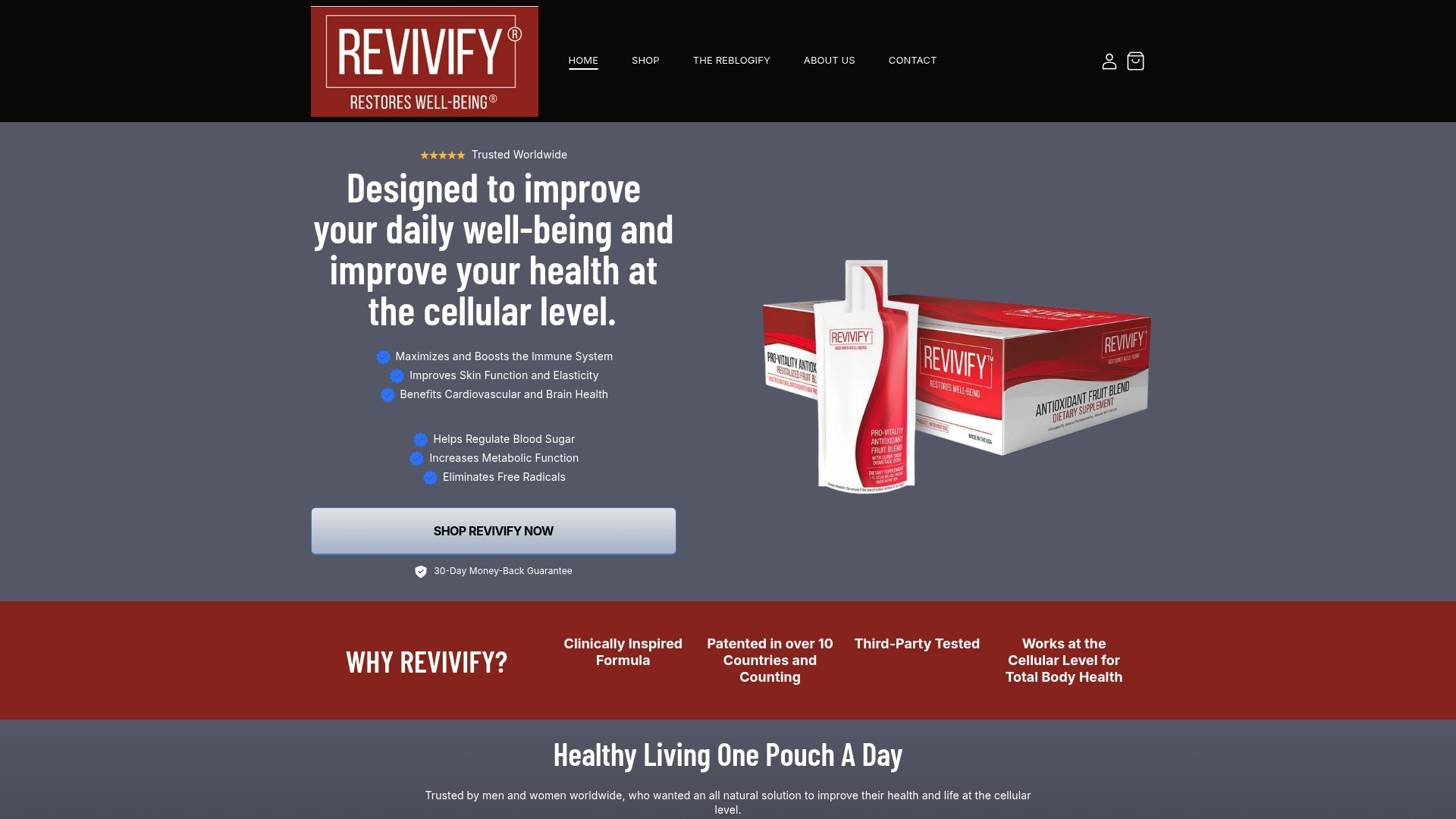
We built Revivify around that same layered logic. Our formula combines superoxide dismutase, an antioxidant enzyme, with prebiotic fiber to support oxidative stress reduction at the cellular level, working alongside the diet and skincare habits in this article rather than instead of them.
- Our formula is third-party tested and plant-based, with subscription options for ongoing use.
- We designed it as a daily adjunct, meant to sit alongside sunscreen, topical antioxidants, and the meal-sequencing habits covered above.
- Our gut-health angle is worth a look too if you want to understand how prebiotic fiber connects to blood sugar regulation, covered in our guide to gut bacteria and blood sugar.
If you want to see the full formulation, third-party testing details, and current subscription pricing, visit the Revivify 30-Day Supply product page and decide whether it fits your routine.
This article is general information, not a substitute for advice from a qualified doctor. Consult a qualified healthcare professional about your own circumstances before acting on anything here.
FAQ
Can you reverse glycation in skin?
Deep, long-standing collagen cross-links are difficult to reverse once formed, but you can slow and partially offset ongoing glycation through metabolic control, antioxidants, and photoprotection. Most clinical improvements seen in trials reflect reduced new AGE formation and better skin parameters like hydration and elasticity, not full reversal of existing damage.
How do I reduce glycation naturally?
Eating vegetables and protein before carbohydrates, as shown in a 2015 randomized trial, reduced postmeal glucose by up to 36.7% at 60 minutes. Pairing that habit with low-AGE cooking methods, daily sunscreen, regular exercise, and good sleep covers the main natural levers supported by current research.
Do blueberries cause glycation?
Blueberries themselves do not cause glycation; they are a low-glycemic fruit rich in polyphenols, which support antioxidant defenses that counter the oxidative stress linked to glycation. Concerns about fruit and glycation usually apply to high-sugar, high-glycemic choices eaten in excess, not antioxidant-rich fruits like blueberries.
How can I tell if I have skin glycation?
Visible signs include skin that feels stiffer or less elastic than it used to, along with a yellowish tint and more persistent fine lines, since glycated collagen loses flexibility over time. Clinical research measures this more precisely using skin autofluorescence, a noninvasive method that estimates AGE accumulation in skin tissue.
How long does it take to see results from an antiglycation routine?
Most clinical trials testing antioxidant or antiglycation interventions report measurable improvements in skin hydration, elasticity, and antioxidant capacity starting around 8 to 12 weeks of consistent use. Structural changes tied to long-term collagen cross-linking tend to shift much more slowly than these surface-level measures.
Sources
- Assessment of the Curative Anti-Glycation Properties of a Novel Injectable Formulation Combining Dual-Weight Hyaluronic Acid (Low- and Mid/High-Molecular Weight) with Trehalose on Human Skin Ex Vivo - PMC
- Food Order Has a Significant Impact on Postprandial Glucose and Insulin Levels
- Benefits of a Multifunctional Sunscreen Formulation Containing Nanoencapsulated Antioxidants in the Skin Protection Against UV Radiation and Blue Light: Clinical and Preclinical Studies